Tier-1 certified high-performance residential lithium storage options, engineered for global compliance and seamless integration.
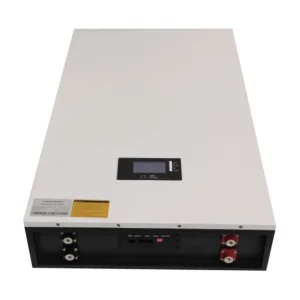
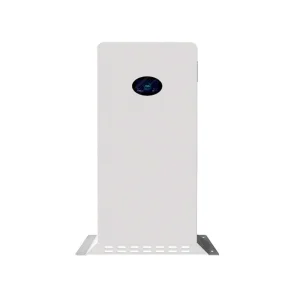
In the wake of rapid global decarbonization targets and structural volatility within regional electricity grids, Household Energy Storage Systems (HESS) have evolved from a luxury fallback mechanism to critical infrastructural assets. The convergence of grid defection, rising Time-of-Use (TOU) power tariffs, and strong regulatory mandates (such as the EU's RED III directive and the USA's Inflation Reduction Act Section 25D) has reshaped the buyer persona. Contemporary purchasers look far beyond simple cycle life; they prioritize interoperability, safety (specifically LiFePO4 cell stability), thermal management, and smart management integration.
Currently, the European market remains a significant driver for residential battery storage, spurred by historical peak electricity prices and the necessity for energy sovereignty. Simultaneously, North America demonstrates massive growth rates in backup energy demand due to aging grid hardware, persistent weather anomalies, and high grid-interconnection costs. In Asia-Pacific and Latin America, localized microgrids and solar-plus-storage frameworks are bridging structural infrastructure deficits, bringing reliable power systems to underserved environments.
"Modern energy storage is not just about hoarding electrons; it is about local optimization. Systems integrated with smart EMS act as nodes in virtual power plants (VPPs), feeding dynamic frequency control reserves back to the utility, changing residential systems into revenue-generating, grid-stabilizing assets."
The global dominance of Chinese lithium-ion battery manufacturing is not merely a matter of cheaper labor; it is the result of systematic industrial clustering, comprehensive raw material processing integration, and advanced automation paradigms. By establishing localized industrial supply chains in energy hubs like Xiamen, Fujian, manufacturers can optimize upstream procurement (from raw lithium mining imports to precursor cathode material manufacturing, cell assembly, and testing phases).
ELEMRO Energy exemplifies this manufacturing superiority. Established in 2019 and headquartered in Xiamen, China, ELEMRO has built a robust supply ecosystem integrating research and development, manufacturing, and direct sales. Serving more than 250 customers across Europe, Southeast Asia, Africa, the Middle East, and the Americas, ELEMRO's annual turnover is expected to scale past 50 million USD, demonstrating the strong market trust in Chinese engineering and delivery reliability. This scalability translates directly into client benefits: stringent Quality Assurance (QA) matching international standards (UL, CE, UN, IEC), competitive capital cost ratios (CapEx per kWh), and highly agile engineering capabilities for OEM/ODM customizations.
ELEMRO's holistic approach links energy generation, localized storage containment, and commercial BIPV deployment.

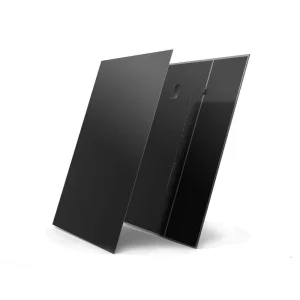
Specially treated tempered solar glass designed for high mechanical load capacities and optimal light transmission, supporting long-term power conversion output for both standard and custom solar panel modules.
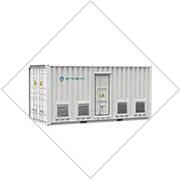
Large-scale modular containerized systems engineered for C&I (Commercial and Industrial) projects. Features integrated liquid cooling or forced-air cooling, built-in HVAC systems, fire suppression, and smart BMS integration.
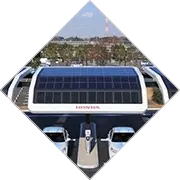
Decentralized parking canopy solutions combining structurally sound racking, high-efficiency solar arrays, and EV charging interfaces to maximize local self-consumption and clean fleet logistics.
Established in 2019, headquartered in Xiamen, China, Elemro Energy has been specialized in new energy storage and electrical product solutions with rich experience. It is the market leader in the new energy industry that unifies R&D, production, and sales. The products have been sold to more than 250 customers in Europe, Southeast Asia, Africa, Mid-east, America, etc. Since its establishment, ELEMRO’s revenue has been growing rapidly every year. ELEMRO’s annual turnover is expected to exceed 50 millions USD in year 2023.
By prioritizing customer needs and technological innovation, ELEMRO continues to roll out reliable, cost-effective, and safe power storage systems, ensuring residential, commercial, and off-grid scenarios can successfully shift to sustainable energy profiles.
Learn More About UsThrough extensive logistics channels and strategically situated distribution partners, ELEMRO guarantees rapid fulfillment, on-time technical support, and component compliance for major markets worldwide.
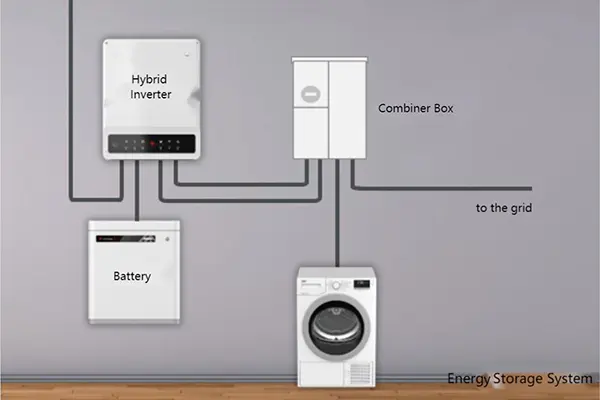
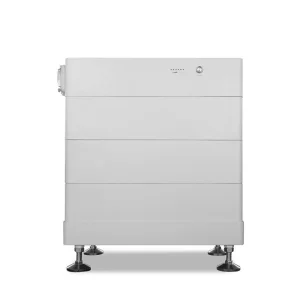
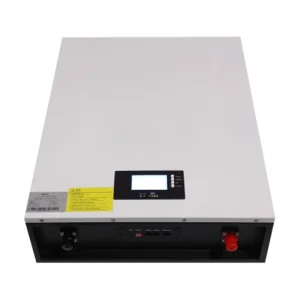
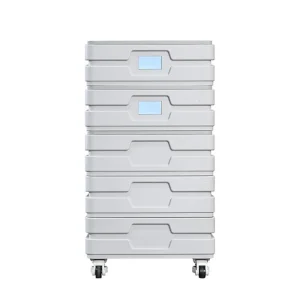
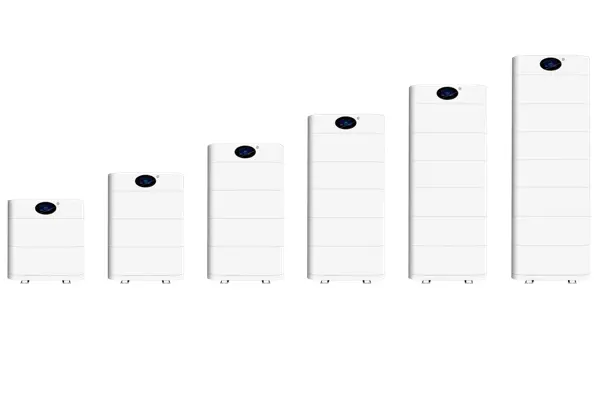
In regions with fluctuating utility pricing structures (such as California, Germany, and Australia), energy storage systems dynamically charge during off-peak windows when renewable generation is high or grid demand is low. These systems then discharge during peak rate hours. Our High-Voltage Stackable design supports high-current discharges, helping households avoid high peak charges.
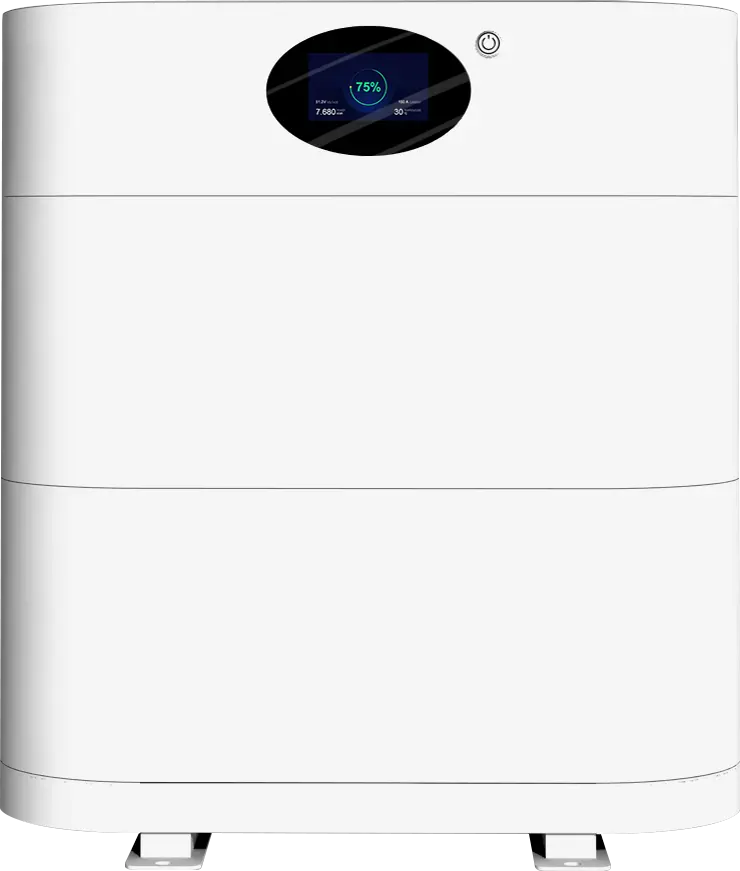
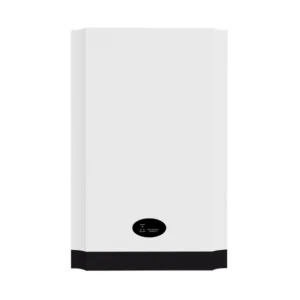
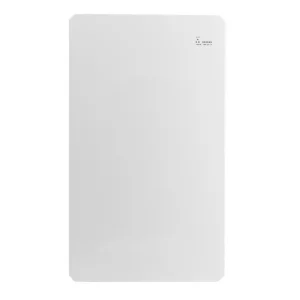
Areas vulnerable to severe weather occurrences, like high winds or hurricanes, depend on reliable backup systems. Our wall-mounted LiFePO4 Home Battery Storage offers fast automatic transition times (< 10ms), helping keep home essentials, communications equipment, and HVAC setups online during grid failures.
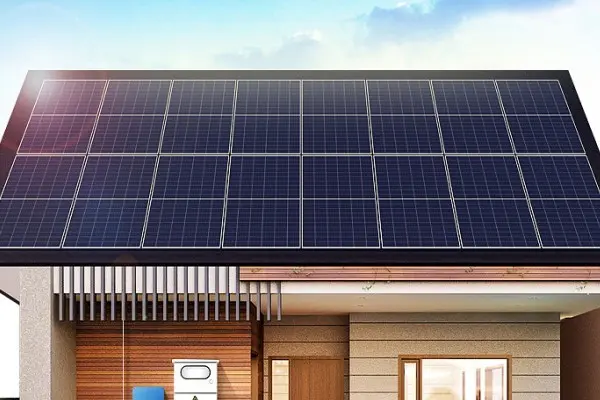
By pairing Cadmium Telluride (CdTe) Thin Film Solar Cells with large-capacity battery systems, buildings can transform their facades into active power-generating assets. BIPV structures lower thermal load, generate stable clean electricity, and store excess energy locally to reduce peak demand charges.
For B2B procurement managers, EPC contractors, and global solar system integrators, selecting an OEM/ODM manufacturing partner is a complex decision. Key evaluation areas include:
The energy storage sector is entering a phase of rapid innovation driven by hardware refinements and smart software control. Four main trends are shaping the future of this space:
High-voltage stacked designs, wall-mounted architectures, and high-efficiency thin-film cells optimized for durability.
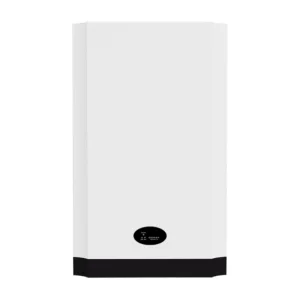
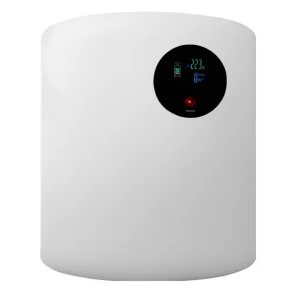
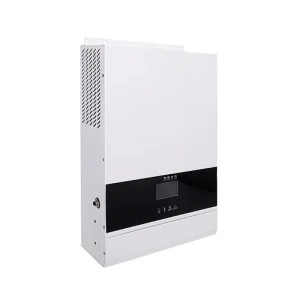
Answers to common technical, design, and regulatory questions from engineers and procurement managers.
LiFePO4 chemistry offers superior thermal and chemical stability compared to NMC, minimizing the risk of thermal runaway. It also supports a longer cycle life (often exceeding 6,000 cycles at 80% DOD), making it a highly cost-effective and safe solution for residential installations.
HV stackable battery systems operate at higher voltages (typically 200V–400V+), reducing current demands. This lowers heat loss, improves round-trip efficiency, and allows the use of thinner, more cost-effective wiring.
Yes, our batteries are designed for broad compatibility with major global inverter brands. They communicate via RS485 or CAN bus protocols using customized BMS firmware.
Our manufacturing processes and products are certified to meet international standards, including CE, UN38.3 for transport safety, and IEC62619, ensuring compliance for major overseas markets.
CdTe thin-film solar cells perform well in low-light environments, offer a low temperature coefficient, and can be integrated into building facades. This helps BIPV projects generate stable power even on vertical, non-optimal surfaces.
Our location in the industrial hub of Xiamen, China, allows us to source materials efficiently, scale production, and maintain close quality control from cell selection to final system testing.
Lead times range from 30 to 45 days depending on customization requirements, order volume, and component availability. Standard configurations may benefit from accelerated schedules.
Yes, our integrated battery management systems support data output via standard protocols, allowing smart home systems to track and optimize household energy consumption.
Get in touch with our engineering team for detailed product datasheets, compliance documentation, and wholesale pricing. We respond to all inquiries within 24 hours.
Technical analyses, conference updates, and best practices for energy storage systems.





 Elemro Energy