Direct from Tier-1 Smart Energy Infrastructure Manufacturing Plant in Xiamen, China
The transition toward micro-generation and decentralized utility infrastructures has accelerated due to geopolitical energy vulnerability, aging grids, and escalating demand for high-reliability electrical architectures. As traditional power systems struggle to maintain stable voltage and frequency tolerances, building-integrated photovoltaics (BIPV) and lithium-iron-phosphate (LiFePO4) energy storage systems (ESS) have transformed from luxury eco-conscious additions into baseline commercial and residential infrastructure requirements.
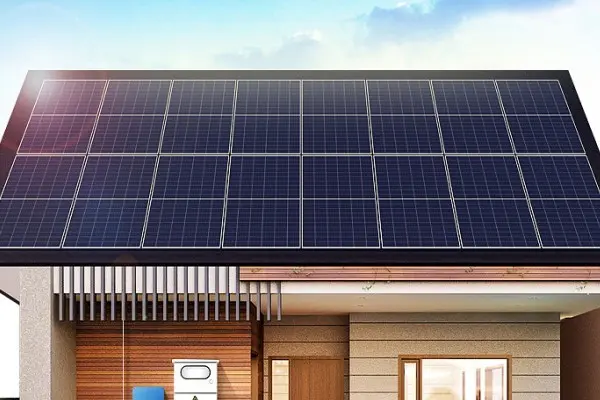
By combining Tier-1 high-efficiency photovoltaic systems with smart lithium batteries, operators realize substantial cost-offsetting metrics via Peak Shaving and Load-Leveling. In high-tariff zones, including Western Europe, North America, and Australia, battery storage architectures drastically lower the Levelized Cost of Storage (LCOS) and reduce reliance on net-metering schemes. As net-metering policies shift to net-billing schemes, storing solar energy locally for off-peak utilization represents the single highest yield vector for green investment.
Furthermore, integration on a commercial and industrial (C&I) level provides power continuity for operations that cannot sustain sudden grid voltage sags. Smart battery storage interfaces act as localized UPS grids, delivering instantaneous power back-up without emissions, noise, or mechanical maintenance lag.
We provide cleaner energy for a greener world.

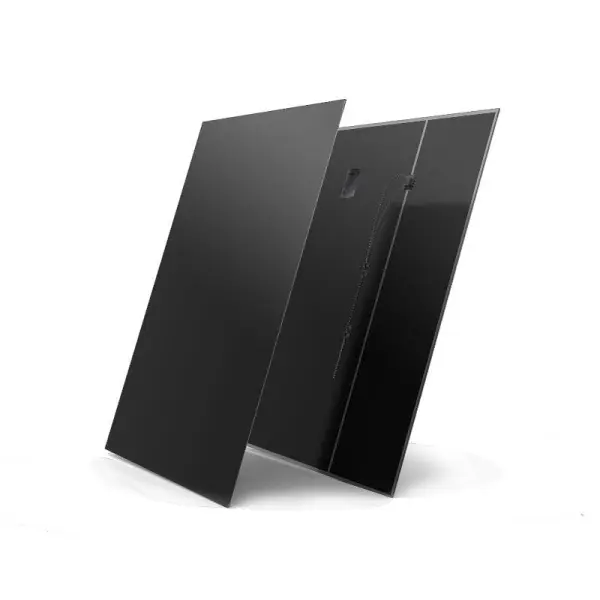
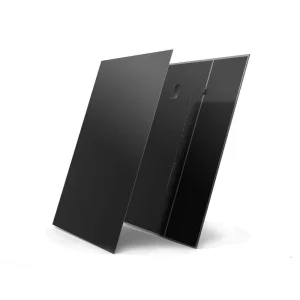
Advancing structural PV building elements through ultra-thin glass integrations. Perfect for modern BIPV architectural projects requiring thermal control, transparency, and high conversion efficiency.
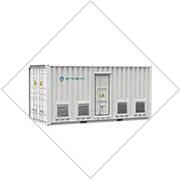
Utility-scale, heavy-duty modular container solutions featuring active liquid cooling, precise HVAC control, integrated fire suppression, and intelligent BMS clusters for municipal and C&I networks.
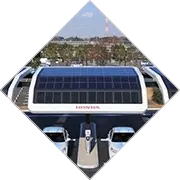
High-yield architectural framing optimized for parking structures. Simultaneously shields vehicles while capturing clean megawatt-scale solar power to fuel commercial premises and EV charging stations.
Established in 2019 and headquartered in the deepwater shipping hub of Xiamen, China, Elemro Energy has established itself as an innovative force in the manufacturing of new energy storage and integrated electrical solution systems. Unifying advanced R&D, automated production lines, and high-frequency international sales networks, Elemro delivers premium solutions engineered to meet CE, UN38.3, UL, and IEC compliance protocols.
With an expansive network servicing over 250 industrial-scale clients spanning Europe, Southeast Asia, Africa, the Middle East, and the Americas, ELEMRO's annual turnover is expected to exceed 50 million USD, demonstrating strong growth driven by robust supply-chain integrations, optimized lithium cell procurement, and meticulous quality control protocols.
About UsChina’s preeminence in the global PV and battery value chain is not simply a matter of labor economics, but rather the result of systemic, vertically integrated logistics and structural engineering clusters. By consolidating raw material purification, cell manufacturing (using premium lithium iron phosphate chemistry), battery management systems (BMS) design, and housing extrusion in localized clusters, Chinese factories achieve unmatched cost efficiencies.
At ELEMRO Energy, manufacturing processes implement rigorous automated automated optical inspections (AOI), high-precision voltage sorting, capacity cell matching, and full pack thermal testing under simulated loads. Because the entire industrial ecosystem resides close to shipping hubs, we offer highly competitive pricing, quick lead times, and comprehensive quality assurance guarantees.
Start a green and convenient life with Elemro Energy.
Modern B2B procurement professionals must ensure system profiles match localized physical environments. Solar and battery storage architectures vary substantially based on location:
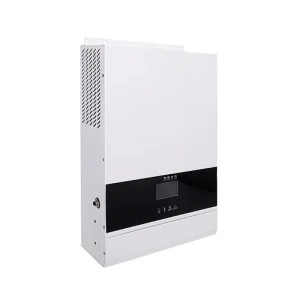
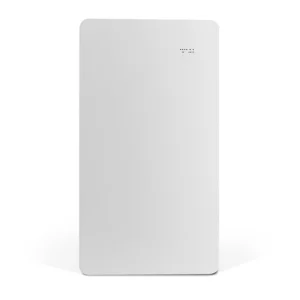
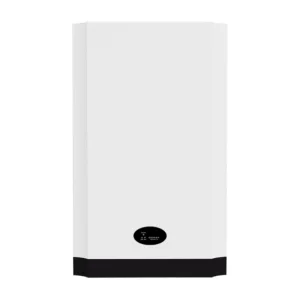
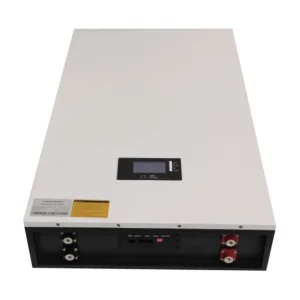
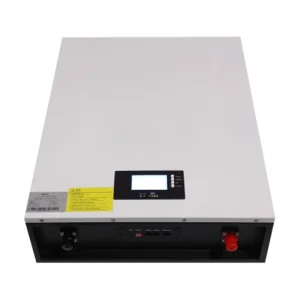
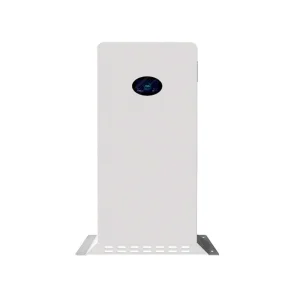
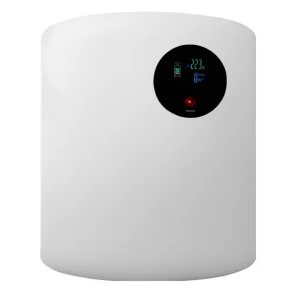
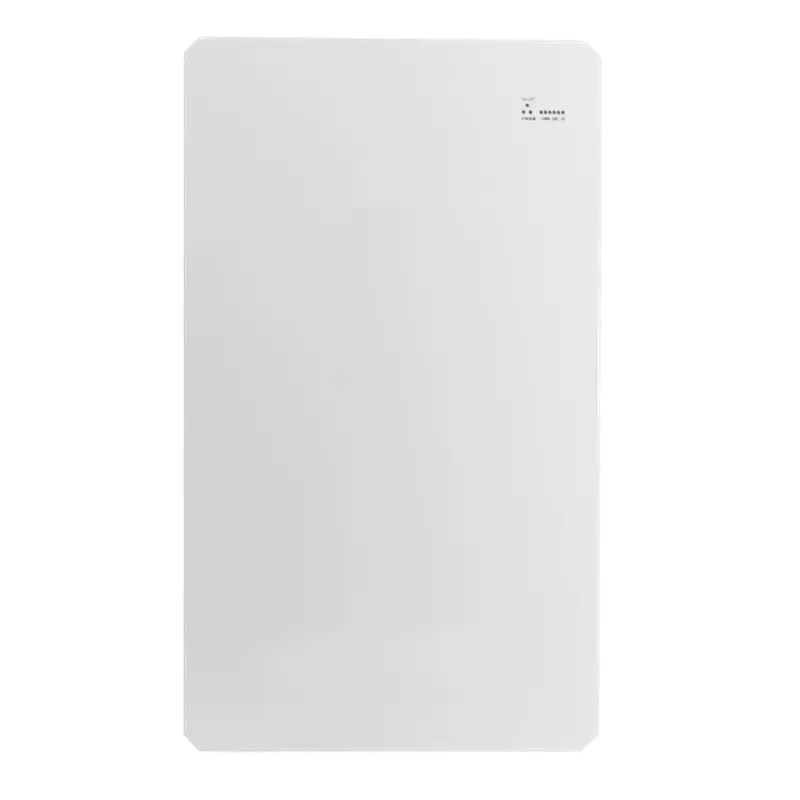
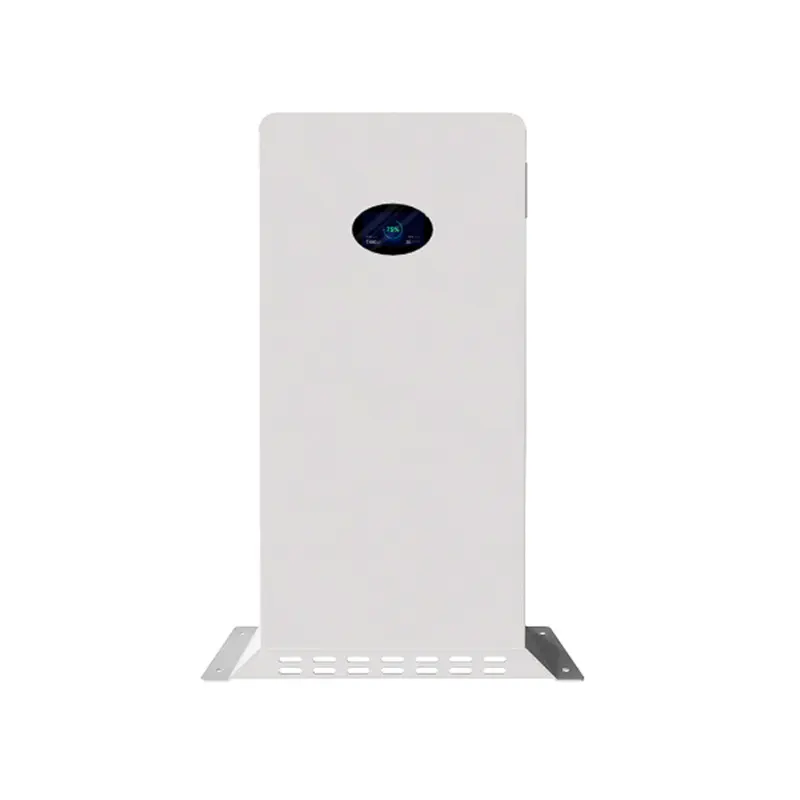
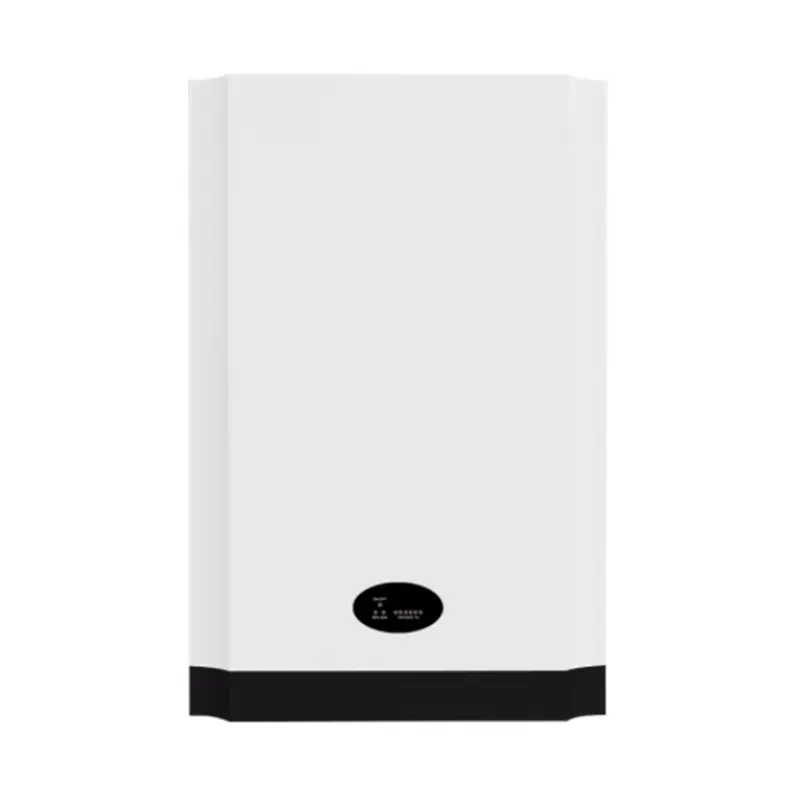
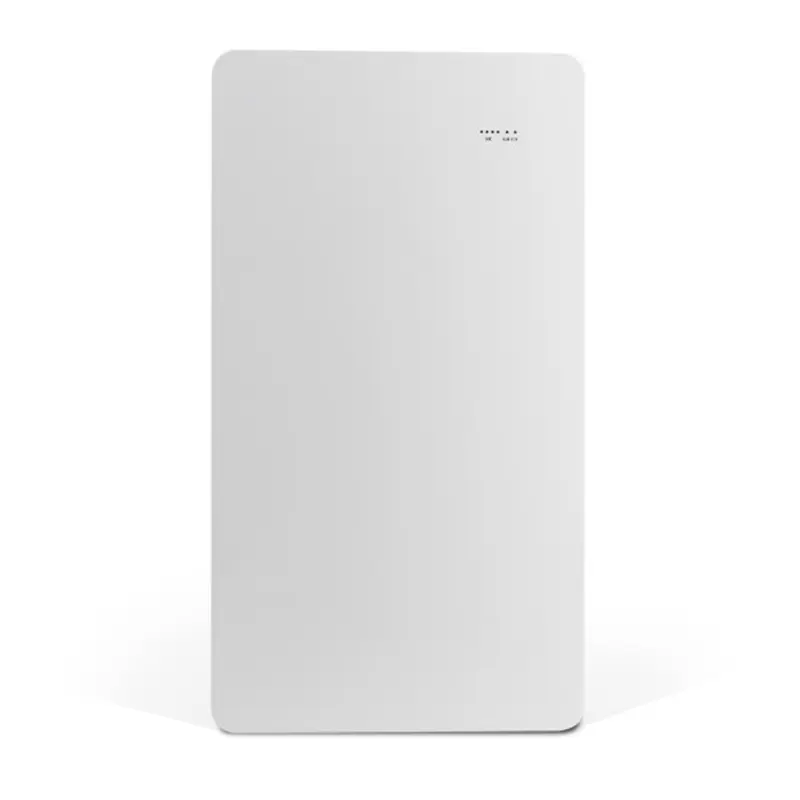
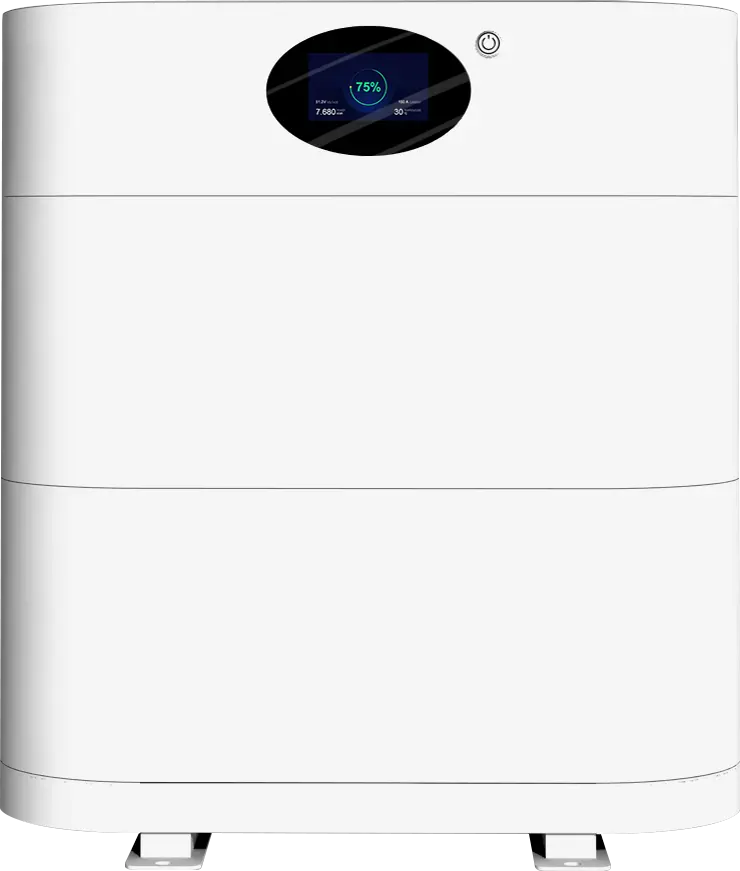
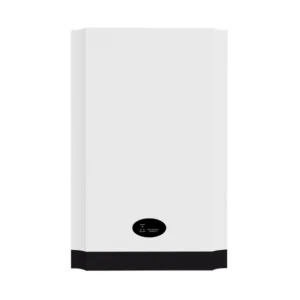
In major metropolises like London, Los Angeles, and Frankfurt, peak electricity demand rates can spike by up to 300%. Employing systems like the Elemro SHELL 14.3kWh or 10.2kWh wall-mounted storage configurations allows users to absorb solar generation during peak midday hours and discharge during high-tariff evening sequences.
In remote areas, agricultural installations rely on off-grid systems for water pump operations, sorting facilities, and security systems. Large battery installations paired with robust solar designs deliver continuous operation, eliminating fuel transport costs and maintenance associated with diesel generators.
Modern architectural codes require buildings to generate a portion of their energy onsite. Deploying Cadmium Telluride (CdTe) thin-film solar glass allows developers to transform building facades, curtain walls, and skylights into functional generation modules, optimizing design aesthetics and maximizing spatial utilization.
Technical insights, industry analysis, and global exhibition announcements from our engineering department.
Selecting a battery storage design for commercial or residential projects requires a thorough analysis of physical and electrical metrics. Global procurement managers should evaluate the following key parameters:
1. Battery Chemistry Safety Profile (LFP vs. NMC): Lithium Iron Phosphate (LiFePO4) has become the industry standard for residential energy storage due to its superior thermal stability. LFP chemistry minimizes the risk of thermal runaway, even when punctured or subjected to high operating temperatures. With cell lifetimes exceeding 6000 cycles at 80% Depth of Discharge (DOD), LFP offers a lower total cost of ownership compared to Nickel Manganese Cobalt (NMC) cells.
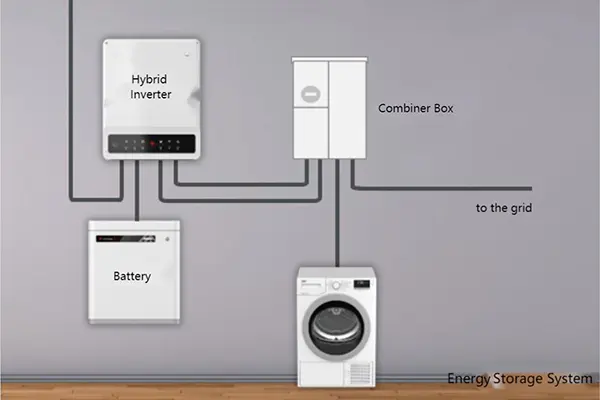
2. BMS Compatibility & Closed-Loop Communications: An ESS is only as good as the communication interface between the battery bank and the hybrid inverter. Elemro's battery systems support multiple integrated CAN, RS485, and RS232 protocols. This enables closed-loop communication with major global inverter brands, facilitating dynamic monitoring of cell state-of-charge (SoC), state-of-health (SoH), temperature variations, and automated cell-balancing.
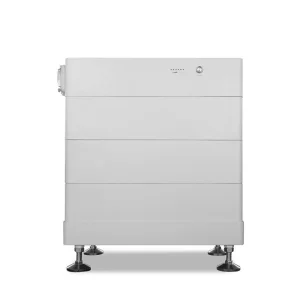
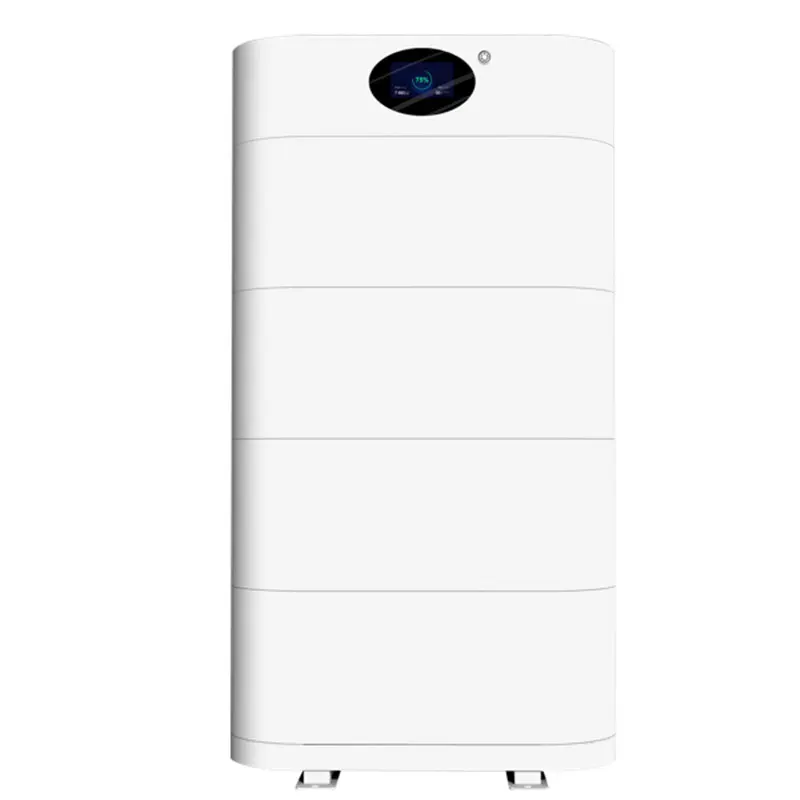
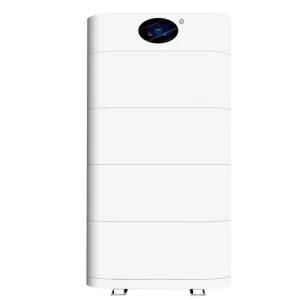
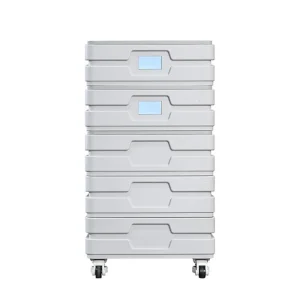
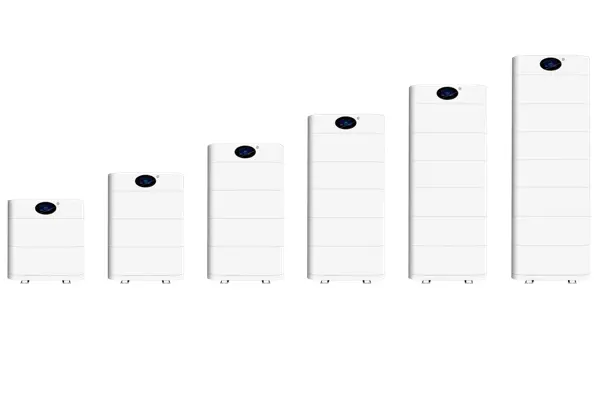
3. Structural Configurations (Stacked vs. Wall-Mounted): Project space limitations require flexible configurations. Stackable designs simplify scaling by allowing modules to click together without external routing cables. Wall-mounted designs are ideal for residential garages and technical rooms where floor space must be conserved.
Comprehensive technical answers to critical integration, manufacturing, and sourcing inquiries.
Complete your green energy infrastructure with our proven technologies.




 Elemro Energy