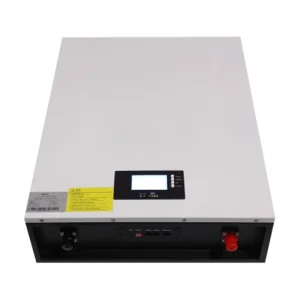
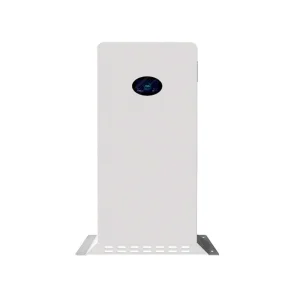
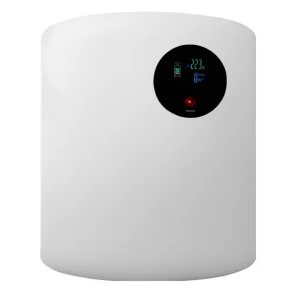
High-Quality Home Battery System For Solar Manufacturer & Factories

Empowering global solar manufacturers, clean energy factories, and distributors with industrial-grade lithium-iron phosphate storage technology.

50M+ USD
Expected 2023 Turnover
250+
Global Enterprise Clients
6000+
LiFePO4 Cycle Life
95%+
System Efficiency Rate

Executive Summary: The Evolution of Residential Battery Storage

As global energy systems transition from centralized, fossil-fueled generation models to decentralized, renewable-heavy configurations, energy resilience at the residential and light-commercial levels has become a fundamental parameter of modern infrastructure design. High-quality home battery systems are no longer mere backup power systems; they act as the core stabilizing components of local smart microgrids.

For solar manufacturers, project developers, and clean-tech distributors, sourcing highly optimized battery storage units is paramount to capturing market share. Under the lens of professional engineering and international quality standards, this whitepaper explores the technological frameworks, global manufacturing paradigms, supply chain dynamics, and localized implementation parameters that govern high-quality residential energy storage systems (BESS).

"Integrating dynamic balancing BMS, high thermal safety LiFePO4 cells, and multi-protocol communication loops represents the benchmark for Tier-1 home energy storage systems."

1. Why Chinese Factories Dominate the Global BESS Infrastructure

China remains the undisputed epicenter of the global lithium-ion battery supply chain. Crucial clean-technology hubs—such as Xiamen—integrate vertical raw-material processing, cell-level R&D, structural housing fabrication, and advanced power electronics assembly into unified regional ecosystems.

This intensive geographic consolidation yields distinct, structural advantages for global buyers:

  • Upstream Material Integration: Direct access to refined active materials (Lithium Iron Phosphate, cathode precursors, copper foils, and separator technologies) guarantees pricing stability and minimizes supply chain vulnerabilities.
  • Advanced Manufacturing Automation: Large-scale Gigafactories leverage automated cell grading, robotic module assembly, and high-precision laser-welding systems to eliminate manual assembly errors, achieving defect rates below the single-digit Parts Per Million (PPM) threshold.
  • Scale-Driven Cost Efficiencies: The amortization of massive tooling and testing investments translates directly into lower Levelized Cost of Storage (LCOS) for international distributors.
  • Rigorous Testing Pipelines: Facilities operate multi-stage automated end-of-line (EOL) functional testers, thermal chambers, and aging systems, ensuring compliance with international regulatory bodies before cargo loading.

2. Technical Paradigms: High-Voltage Stacked vs. Low-Voltage Wall-Mounted Architecture

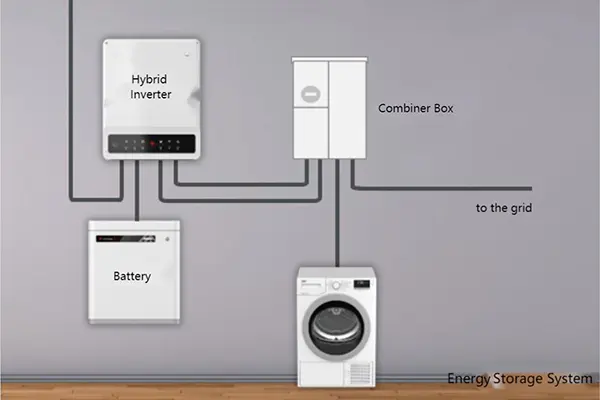
The core architecture of a residential battery unit dictates its electrical compatibility, heat dissipation capabilities, and installation safety profiles. Modern solar installers face a primary architectural design choice when designing home energy setups:

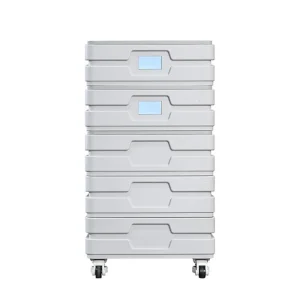
High-Voltage (HV) Stacked Battery Systems

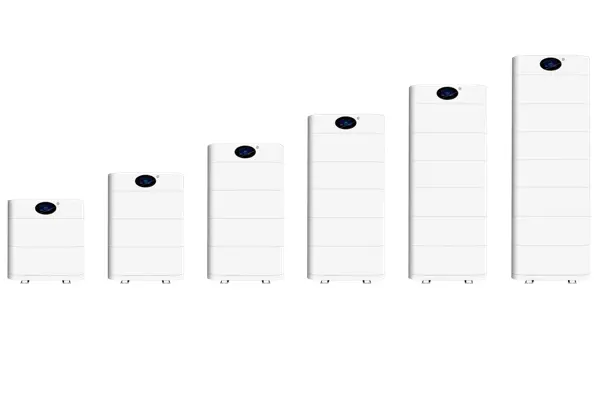
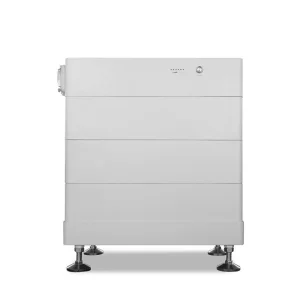
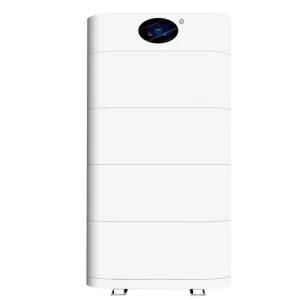
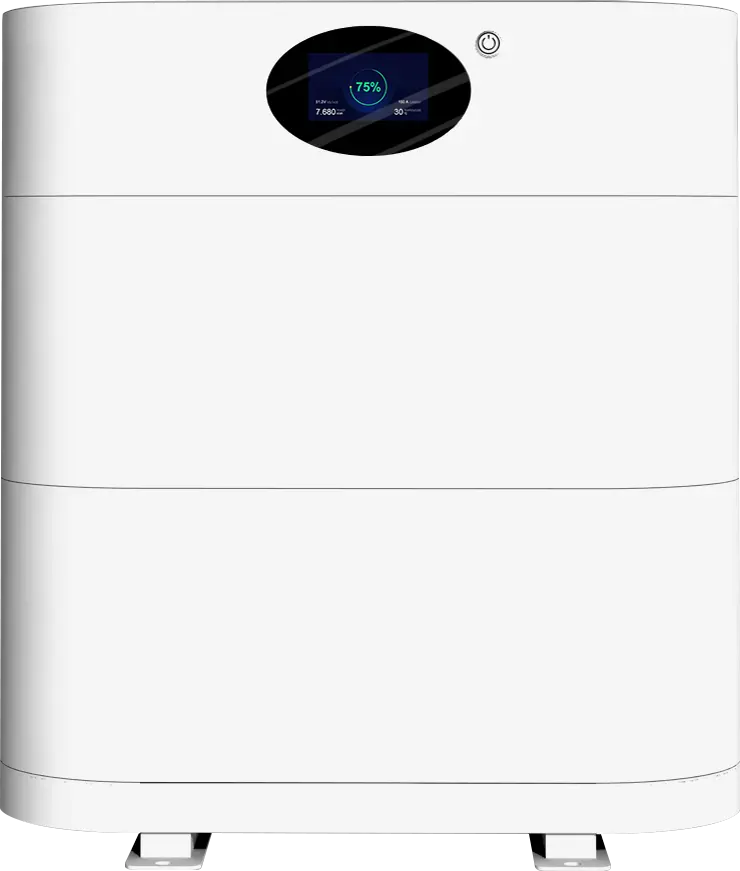
HV architectures (typically running from 200V DC to over 500V DC in series configurations) have emerged as the standard for high-performance installations. By operating at voltages closer to the typical solar array PV string output and local utility grid levels, HV systems achieve round-trip efficiency (RTE) metrics exceeding 95%. This minimizes electrical current throughput, which significantly reduces I²R resistive losses in cabling and eliminates the need for expensive, heavy-gauge wiring. Stackable modular designs allow installers to expand capacity seamlessly, stacking battery modules on top of each other without requiring complex parallel routing.

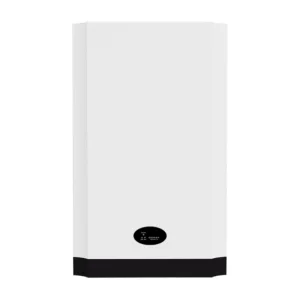
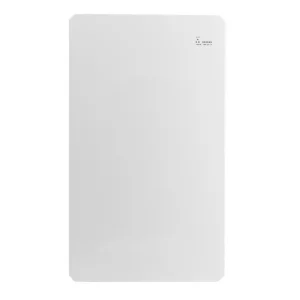
Low-Voltage (LV) Wall-Mounted Systems

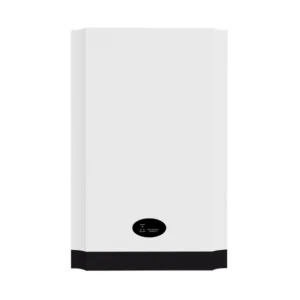
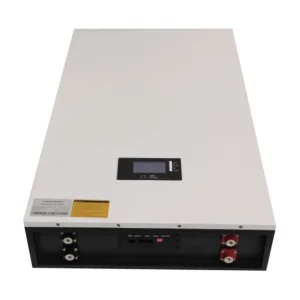
Traditional LV systems (operating in the 48V to 51.2V range) offer excellent safety profiles for residential settings, as the system voltage remains below standard low-voltage thresholds, making installation straightforward and less dangerous. Wall-mounted modules are highly compatible with legacy residential hybrid inverters, providing a cost-effective, time-tested approach to retrofit markets where space is limited and existing solar equipment must be integrated.

Lithium Iron Phosphate (LiFePO4)

The industry's most stable battery chemistry. High thermal runaway thresholds (up to 270°C) coupled with exceptional cycle life performance (6000+ cycles at 80% Depth of Discharge) make LFP the absolute standard for residential BESS safety.

Dual-Core Smart BMS

Advanced microprocessors continuously monitor cell voltages, state of charge (SoC), and system temperature. Dynamic active balancing algorithms ensure uniform aging across individual cell banks, preventing premature module failure.

3. Localized Applications & Microgrid Scenarios

Energy storage needs vary significantly based on regional utility grid dynamics, localized climates, and policy frameworks. Modern manufacturing demands customizable system profiles that match these dynamic environments:

  • Europe (Dynamic Pricing Arbitrage): Countries like Germany and Italy use dynamic, hourly energy tariffs. Home battery systems must interface with local energy management APIs to charge during low or negative-cost periods and discharge during high-demand evening hours.
  • North America (Grid Backup & Resiliency): In regions experiencing frequent extreme weather events or wildfire mitigation power shutoffs, systems must act as robust, rapid-response backup supplies. Rapid-transfer automatic transfer switches (ATS) allow seamless islanding within milliseconds of grid loss.
  • Southeast Asia and Off-Grid Territories: BESS units deployed in remote areas function as central microgrid components. They must operate continuously in high-temperature, high-humidity environments without relying on active air-conditioning systems.
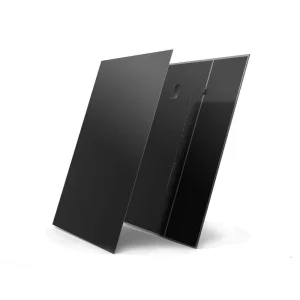
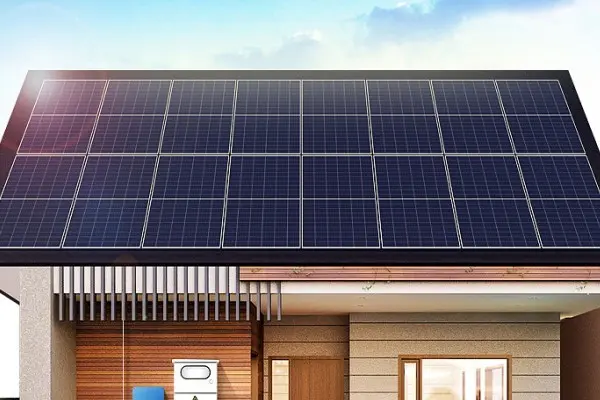
  • BIPV (Building-Integrated Photovoltaics): Integrating high-efficiency CdTe Thin Film solar cells directly into structural facades requires home batteries with highly adaptive MPPT tracking inputs to handle variable solar orientations.

4. Global Procurement Criteria & Essential Certifications

For international tier-1 distributors and solar EPC installers, buying from a manufacturer is a long-term commitment that requires verified technical compliance. To guarantee grid safety and regulatory approval, equipment must hold the following globally recognized certifications:

  • IEC 62619 & IEC 63056: Confirms battery safety under severe thermal, mechanical, and electrical stresses, evaluating cell degradation and hazard containment.
  • UL 1973 & UL 9540A: Standard compliance required for North American deployments, analyzing thermal runaway propagation within the battery enclosure.
  • UN38.3 (Lithium Battery Transportation Standard): Mandates rigorous vibration, impact, thermal shock, and short-circuit testing to ensure safety during shipping.
  • CE and EN 50549: Ensures seamless grid integration and electromagnetic compatibility for European distribution networks.

5. Technical FAQ (Q&A) for Engineers & procurement Managers

Q1: Why is Lithium Iron Phosphate (LiFePO4) preferred over Nickel Manganese Cobalt (NMC) for home battery systems?
LiFePO4 (LFP) offers significant advantages in structural safety and cycle life. Its crystal structure is chemically robust and resistant to oxygen release, preventing the thermal runaway failures common in NMC chemistries. LFP cells routinely achieve over 6000 cycles at 80% Depth of Discharge, whereas NMC cells typically degrade after 2000 to 3000 cycles.
Q2: How does a high-voltage stackable battery design reduce structural energy losses?
By configuring cells in series to achieve system voltages of 300V-400V+, the current (amperage) required to transfer a specific amount of power is dramatically reduced. Since resistive power loss in cables is proportional to the square of the current (P = I²R), HV systems experience minimal energy loss, allowing for thinner wiring, reduced heat dissipation, and higher system conversion efficiency.
Q3: What communication protocols must a modern BESS support?
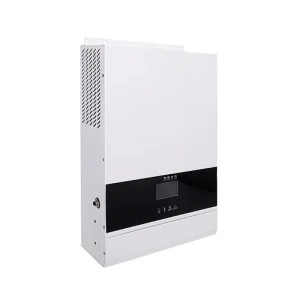
Modern BESS units must support CAN, RS485, and Modbus TCP protocols. This ensures seamless plug-and-play communication with major global hybrid inverters (e.g., SMA, Victron, Deye, Growatt), enabling accurate real-time reporting of State of Charge (SoC), State of Health (SoH), and fault codes.
Q4: How does dynamic active balancing in the BMS extend battery life?
Unlike passive balancing, which dissipates excess energy from high cells as heat through resistors, active balancing redistributes charge from stronger cells to weaker ones. This process minimizes temperature fluctuations, prevents individual cell overcharging, and ensures the entire stack ages uniformly, extending the overall lifetime of the battery module.
Q5: Can these battery systems operate in sub-zero environmental temperatures?
Charging standard LiFePO4 cells below 0°C (32°F) can cause lithium plating on the anode, permanently reducing battery capacity. To prevent this, premium systems feature integrated thermal heating elements that warm the cells to safe temperatures before initiating the charge cycle, ensuring reliable performance in cold climates.
Q6: What is the typical Round-Trip Efficiency (RTE) of a high-quality home battery?
A top-tier system achieves a DC-to-DC round-trip efficiency of 92% to 95%. When integrated with a high-quality hybrid inverter, the AC-to-AC round-trip system efficiency is typically maintained at 88% to 91%, minimizing conversion losses.
Q7: How do stackable designs simplify the installation process for residential contractors?
Stackable designs utilize quick-connect plug systems that route electrical and communication signals internally through the module chassis. This eliminates manual external wiring, reduces installation times, and minimizes the risk of wiring errors.
Q8: How does the system handle overcharge and over-discharge protection?
The system utilizes a multi-level protection strategy. The primary software BMS monitors cell voltage levels and disconnects the charging or discharging circuit via internal relays if safety thresholds are exceeded. For added safety, an independent secondary hardware fuse physically breaks the circuit in the event of a primary software failure.

About ELEMRO Energy

Established in 2019 and headquartered in Xiamen, China, Elemro Energy specializes in advanced energy storage solutions and electrical systems. As an integrated provider of R&D, manufacturing, and distribution, Elemro delivers reliable, high-performance battery systems to customers globally.

With a focus on innovation and quality control, our annual turnover is projected to exceed 50 million USD, serving over 250 enterprise clients across Europe, North America, Southeast Asia, and the Middle East.

Key Capabilities

  • Custom OEM/ODM Engineering
  • Fully Automated Assembly Lines
  • Global Compliance & Certification
  • Multi-Protocol Inverter Support

Power A Green Future

We provide cleaner energy for a greener world.

Innovative Industrial Energy Frameworks

Elemro Energy is dedicated to providing high-quality clean energy solutions. Our product portfolio spans residential storage systems, utility-scale containers, building-integrated photovoltaics, and dynamic carport solar chargers. By optimizing design and performance, we help operators and installers lower their levelized cost of energy while ensuring long-term system reliability.

Our systems feature high-density lithium-iron phosphate chemistry, intelligent cell management, and robust enclosures designed to withstand challenging environmental conditions, ensuring consistent performance over an extended operational life.

Solar Glass

Solar Glass

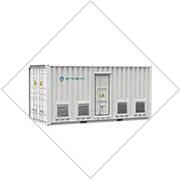
Energy Storage Container

Energy Storage Container

Car Port Solar Power

Car Port Solar Power

Ready to Integrate High-Quality Energy Storage?

Get in touch with our engineering and sales teams to discuss custom options, receive technical drawings, and request pricing for your projects.

Inquiry For Pricelist
Partner
Partner
Partner
Partner
Partner
Partner
Partner
Partner