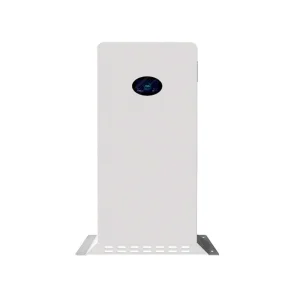
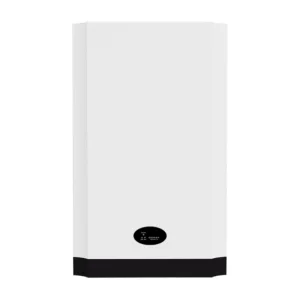
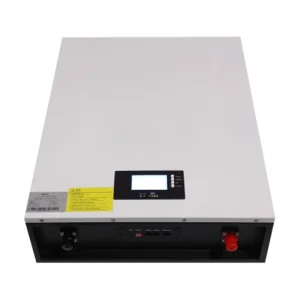
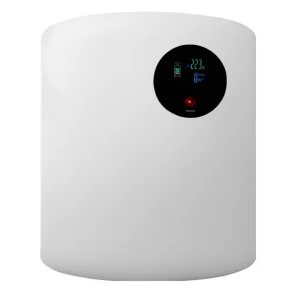
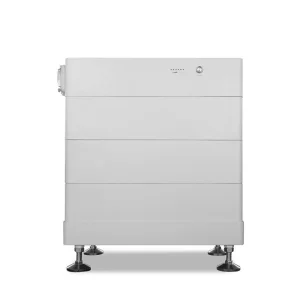
Explore Elemro Energy's high-efficiency commercial, industrial, and residential ESS portfolio designed for seamless grid integration.
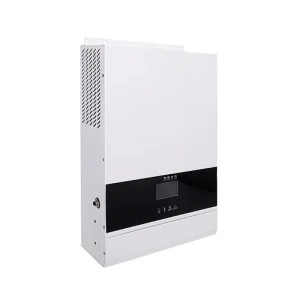
The global transition towards decentralized renewable energy has propelled Energy Storage System (ESS) inverters from secondary back-up components to the absolute core of modern grid architecture. An ESS Inverter (or Power Conversion System - PCS) governs the bidirectional flow of electricity, stabilizing voltage fluctuations and enabling optimal peak-shaving mechanics for industrial users.
Currently, the market is shifting from simple grid-following systems to sophisticated grid-forming systems. These next-generation inverters simulate virtual inertia, supporting weak grids and rural grids with voltage control, black-start capabilities, and real-time reactive power injection. As global battery storage deployment reaches hundreds of gigawatt-hours annually, advanced factories must output inverters capable of managing thermal characteristics, rapid duty cycles, and strict grid code compliances such as UL 1741 SB and IEEE 1547.
By implementing multilevel topologies and Silicon Carbide (SiC) semiconductor platforms, state-of-the-art ESS factories are delivering conversion efficiencies up to 99%, lowering the Levelized Cost of Storage (LCOS) and paving the way for multi-megawatt commercial projects.
How cutting-edge factories are adapting to evolving grid dynamics, digital twins, and safety standards.
Modern commercial grids are dropping synchronous generators, creating stability concerns. GFM inverters act as voltage sources rather than current sources, helping maintain frequency stability, managing harmonic filtering, and allowing microgrids to operate during macro-grid failures.
Moving beyond traditional silicon IGBTs, advanced factories use Silicon Carbide (SiC) modules. This allows for significantly higher switching frequencies, reducing the physical size of inductors and transformers, optimizing heat dissipation, and lowering system weight by up to 30%.
Integrated ESS setups now feature edge-computing microcontrollers containing AI logic. These predict load curves, coordinate with the battery BMS, forecast PV output based on weather metrics, and automatically run dynamic arbitrage calculations in active electricity trading markets.
Established in 2019 and headquartered in the high-tech hub of Xiamen, China, Elemro Energy has emerged as a premier force in new energy storage and comprehensive electrical solutions. Unifying state-of-the-art research and development (R&D), industrial manufacturing, and direct global sales, Elemro operates at the vanguard of commercial and residential BESS technologies.
Our products are deployed in over 250 markets spanning Europe, Southeast Asia, Africa, the Middle East, and the Americas. Elemro's continuous investment in electrical architecture and strategic supply chain partnerships has driven compounding annual revenue growth, with our annual turnover crossing USD 50 million in 2023.
We provide cleaner energy for a greener world through holistic, turnkey industrial architectures.
From microgrids in remote regions to peak-load optimization in heavy commercial hubs.
In regions with high time-of-use tariffs (such as Western Europe and parts of East Asia), industrial facilities face heavy penalties during peak hours. ELEMRO energy storage systems run automated algorithms to store low-cost energy during off-peak windows and discharge it during peak periods. This flattens the facility's demand curve, directly bypassing costly demand charges.
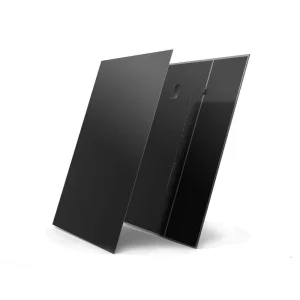
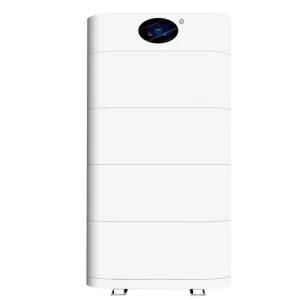
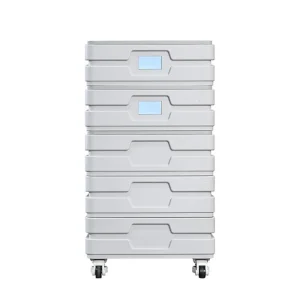
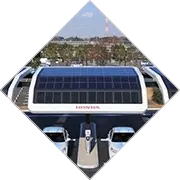
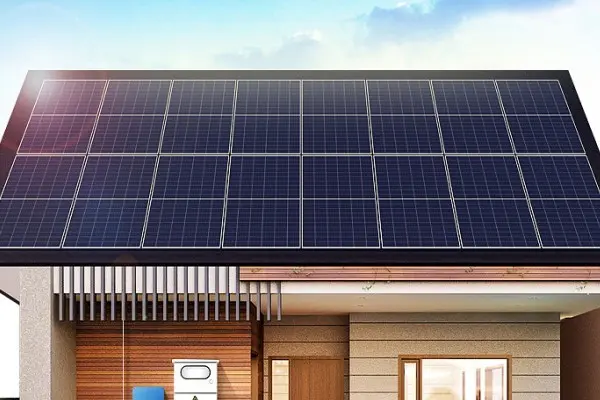
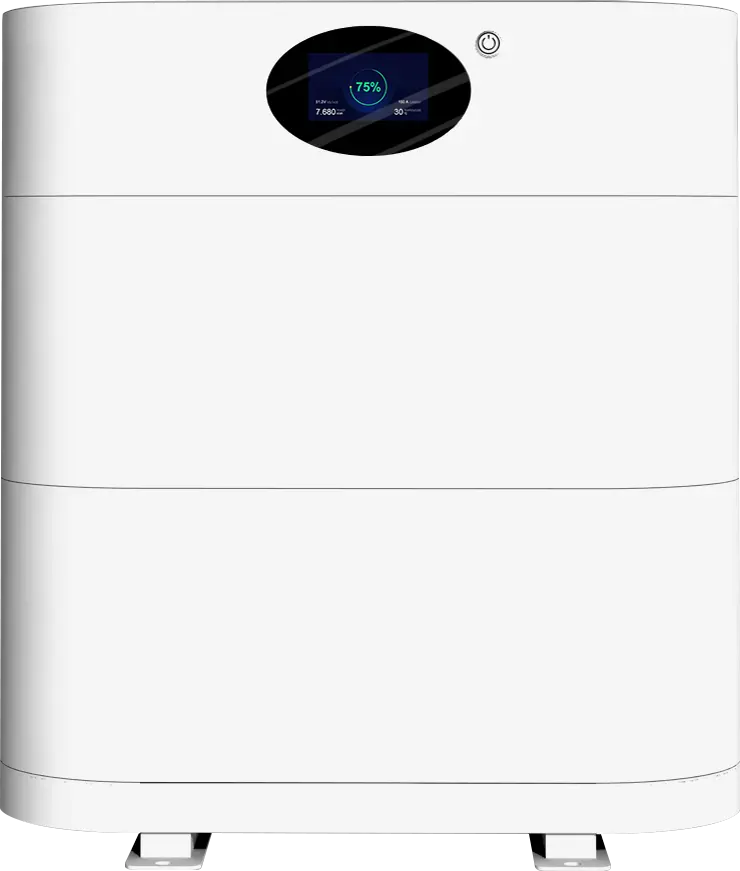
By utilizing ELEMRO Cadmium Telluride (CdTe) thin-film solar glass on building envelopes, structures become active power plants. The generated power is directed into high-voltage stackable lithium battery arrays managed by smart hybrid ESS inverters. The system provides seamless building automation backup power during utility failure events.
Islands, mines, and rural farming hubs suffer from weak utility links and frequent voltage drops. Elemro's grid-forming ESS inverters are configured to synthesize grid references, enabling localized clean energy clusters to run stably in off-grid modes. If utility connection recovers, the inverter resynchronizes and locks phase seamlessly.
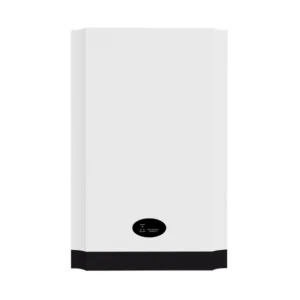
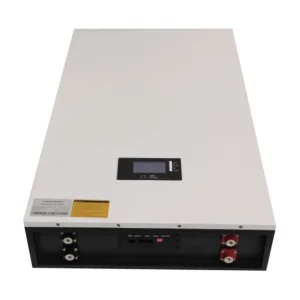
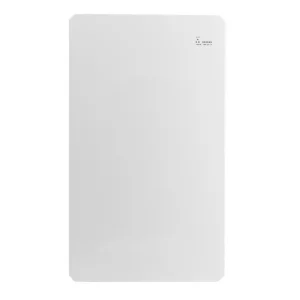
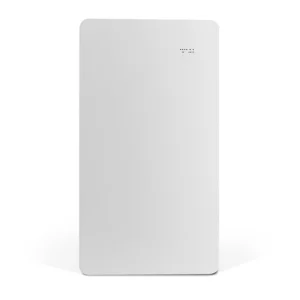
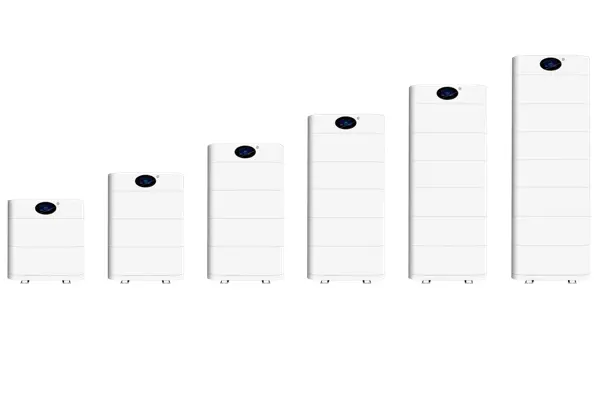
Modern telecom base stations require continuous, stable DC and AC power. Integrating stackable wall-mounted LFP battery storage banks guarantees a compact footprint, prolonged lifecycle (exceeding 6000 cycles at 80% DoD), and reliable cooling. This is critical for locations exposed to high ambient temperatures and unreliable grid infrastructures.
Expert answers regarding safety, system sizing, thermal runaway prevention, and grid code compliance.
Read our latest technological reports, exhibition coverage, and deep-dive technical articles.
Connect directly with our applications engineering team. We provide bespoke configurations and complete system engineering.





Maintain power sovereignty with high-capacity stackable systems, smart wall mounts, and photovoltaic thin films.
 Elemro Energy