Explore our premium product portfolio designed for grid integration, smart home energy resilience, and commercial high-voltage performance.

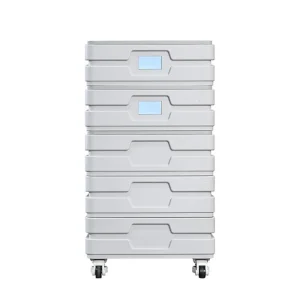
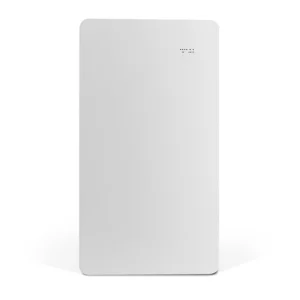
We provide cleaner energy for a greener world. Founded in 2019 and headquartered in the high-tech hub of Xiamen, China, ELEMRO Energy has positioned itself at the cutting edge of industrial electrical solutions and advanced electrochemical energy storage technologies.
With an annual turnover expected to surpass 50 Million USD, ELEMRO stands as a highly unified vertically integrated enterprise offering advanced R&D, manufacturing facilities, and client-centric distribution networks. We serve more than 250 global tier-1 partners spanning Europe, North America, Southeast Asia, the Middle East, and Africa.
Discover Our Story
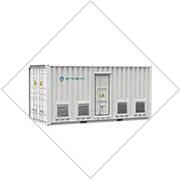

Why the global grid transition is moving beyond solid-state lithium-ion toward scalable liquid redox flow structures for true long-duration requirements.
The shift toward utility-scale renewable integration has exposed the limits of traditional short-duration energy storage. As grids depend more on wind and solar, the demand for Long-Duration Energy Storage (LDES) of 8 to 24 hours has intensified.
In this changing landscape, Energy Storage System (ESS) Flow Batteries, particularly Vanadium Redox Flow Batteries (VRFBs) and Iron-Chromium systems, have emerged as the leading alternative to lithium-based chemistries. Unlike solid-state lithium batteries, flow batteries store energy in liquid electrolytes contained in external tanks. This design decouples energy capacity from power output, enabling cost-effective scaling for large utility sites.
The core innovation of ESS flow batteries lies in their structural architecture. The system’s power capacity (measured in Megawatts) is determined by the surface area of the stacks where electrochemical reduction and oxidation occur. Conversely, the system’s energy capacity (measured in Megawatthours) is defined by the volume of active electrolyte housed in the storage tanks. For project developers, this means scaling duration simply requires expanding the size of the tanks or increasing electrolyte concentration, offering a lower marginal cost per additional kilowatt-hour.
Beyond flexibility, flow batteries provide key safety benefits. Because the electrolyte is primarily aqueous, these systems are inherently non-flammable and free from the risk of thermal runaway. This makes flow technology ideal for urban microgrids, dense substations, and sensitive environmental areas where lithium-based fires are a major concern.
B2B specifications, Levelized Cost of Storage (LCOS), and key evaluation metrics for utility buyers and corporate sourcing agents.
For procurement officers, EPC contractors, and IPP developers, selecting an ESS flow battery manufacturer involves evaluating performance metrics that affect the Levelized Cost of Storage (LCOS). The goal is to maximize energy throughput over a multi-decade operating period while minimizing maintenance overhead.
| Evaluation Parameter | Lithium-Ion LFP Systems | Vanadium Redox Flow (VRFB) | Iron-Chromium Flow Systems |
|---|---|---|---|
| Cycle Life (80% DoD) | 4,000 - 6,000 cycles | 15,000 - 25,000 cycles | 15,000 - 20,000 cycles | Degradation Rate | ~1.5% - 2.5% per annum | Virtually 0% (electrolyte does not degrade) | Minimal degradation of membrane stack |
| Levelized Cost of Storage (LCOS) | High in long-duration applications (>8h) | Optimized for long-duration applications | Emerging low-cost alternative |
| Thermal Runaway Risk | Yes (requires extensive fire suppression) | No (aqueous electrolyte acts as natural coolant) | No (non-toxic and non-flammable chemistry) |
| Recyclability Value | Low (high cost of recycling process) | High (electrolyte maintains value indefinitely) | Medium (environmentally friendly waste streams) |
How utility operators, developers, and commercial hubs implement flow battery technology to optimize energy distribution.
Flow battery systems are versatile assets that help balance supply and demand across multiple areas of the energy value chain. By addressing grid bottlenecks, they enable smooth integration of clean power sources.
Large-scale solar and wind projects often face output curtailment when local generation exceeds grid transmission limits. Integrating an ESS flow battery allows developers to store excess power during peak generation periods and discharge it when demand rises. The non-degrading chemistry of flow systems is well-suited for these daily heavy-cycling demands.
For island communities, remote industrial sites, and military bases, relying on diesel generation is expensive and presents logistical challenges. Flow batteries serve as the foundation of modern microgrids, working alongside local solar and wind to provide continuous power. Their long discharge times ensure the microgrid remains stable even during extended periods of low renewable output.
High demand charges can make up a large portion of a commercial facility's utility bill. By utilizing flow battery storage, businesses can draw stored power during peak rate periods, reducing their maximum grid draw. The technology's long lifespan helps companies meet sustainability targets over a multi-decade operational window.
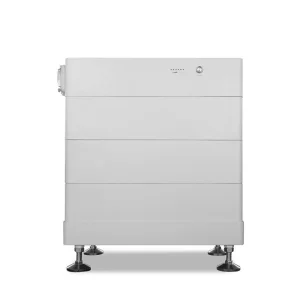
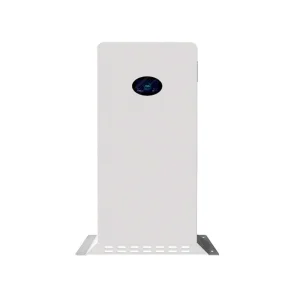
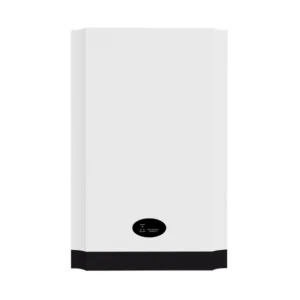
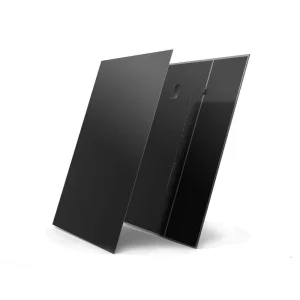
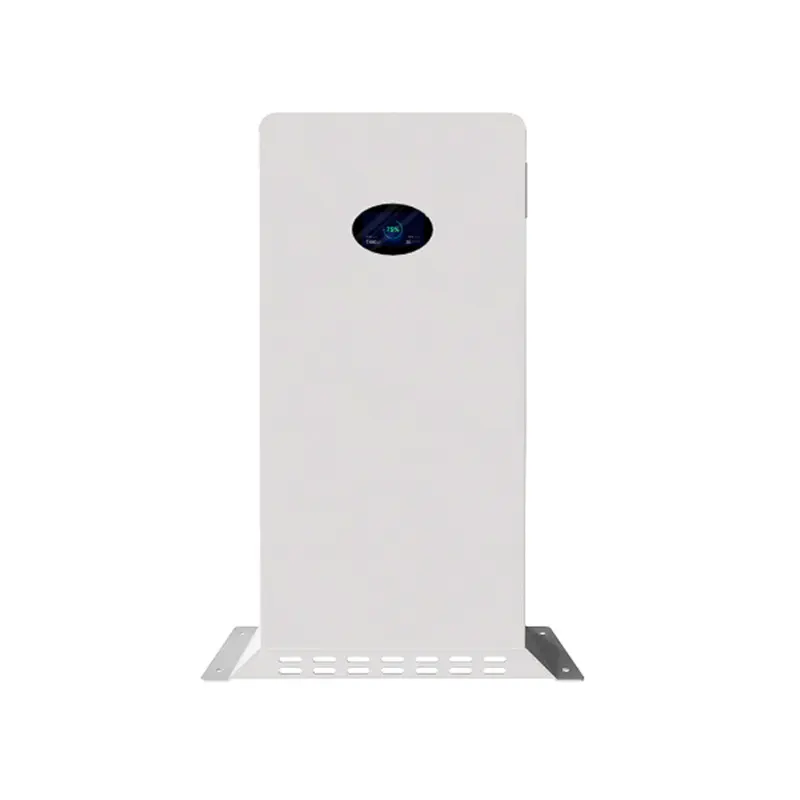
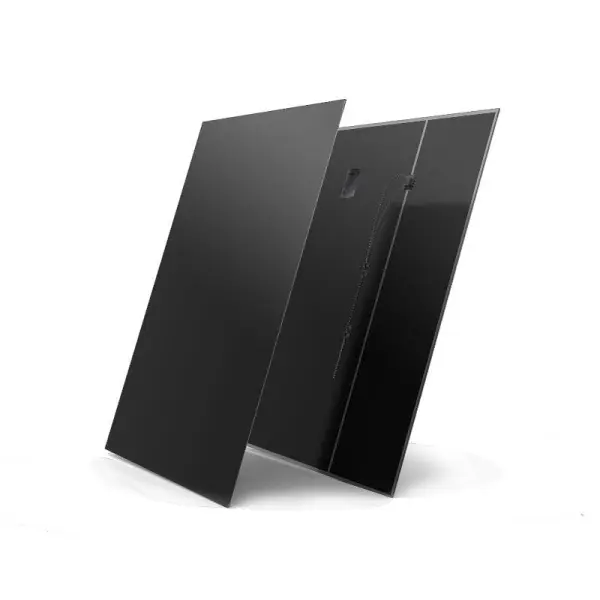
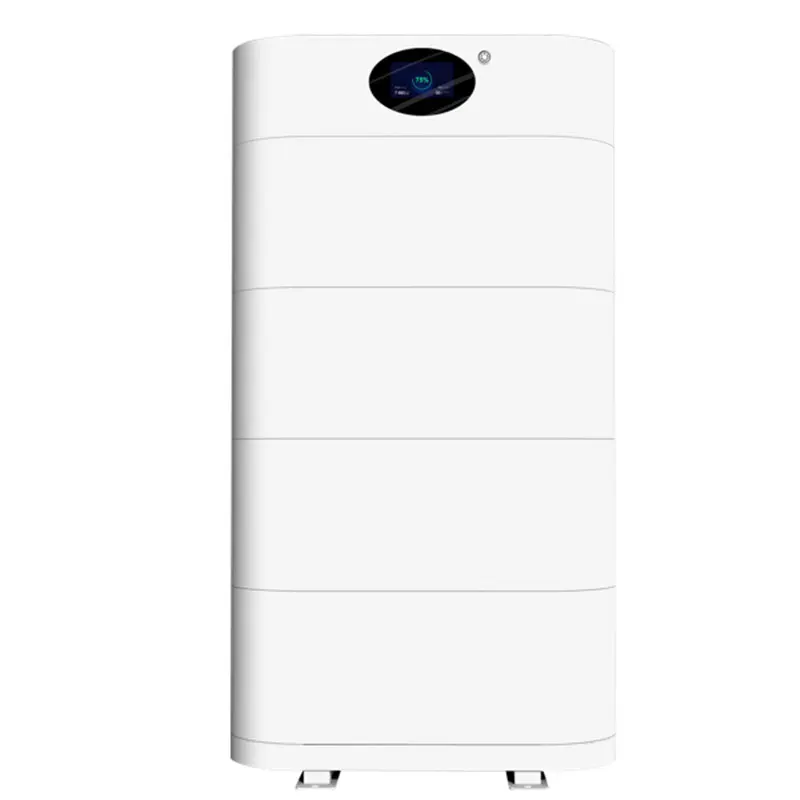
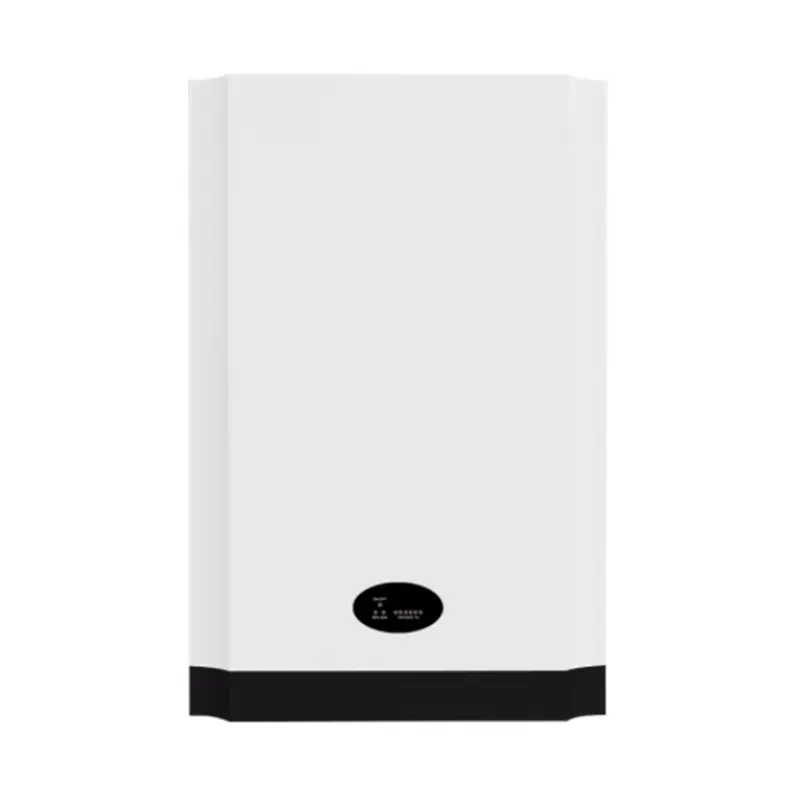
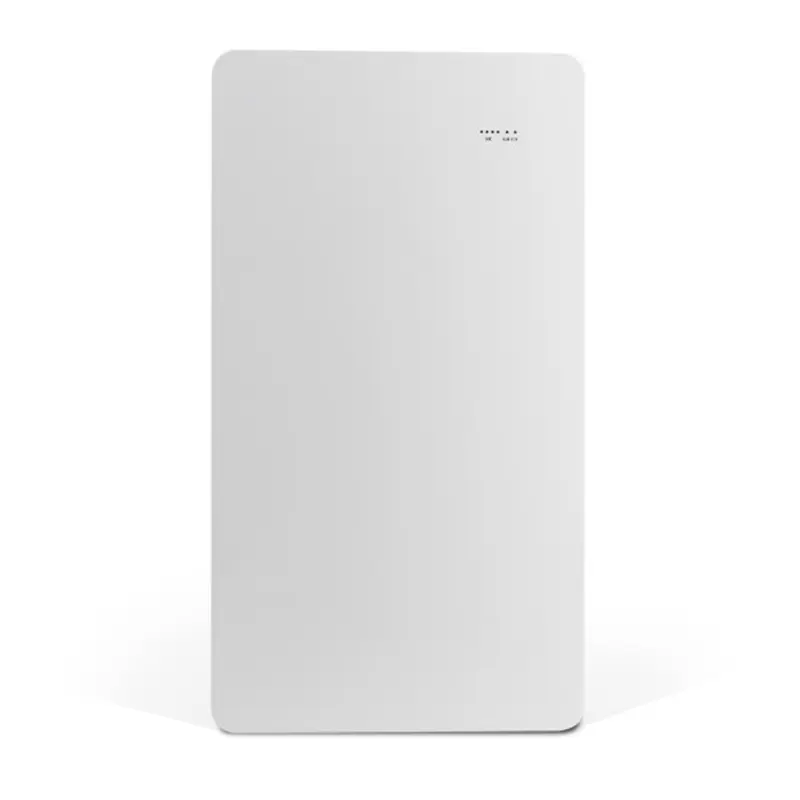
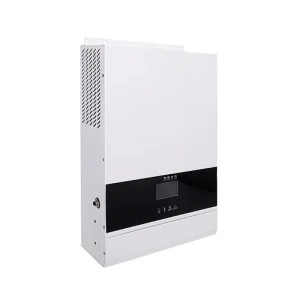
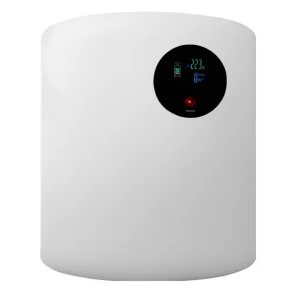
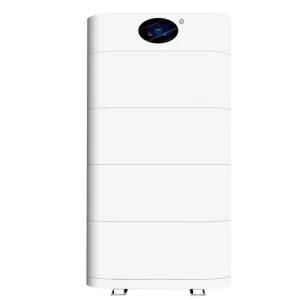
Select products displaying ELEMRO’s diverse manufacturing and product integration capabilities.
Securing project approval through safety certifications and local grid code compliance.
Navigating safety and regulatory standards is a key step in deploying utility-scale energy storage. Permitting agencies and grid operators require compliance with established global standards to ensure site safety and electrical compatibility.
ELEMRO Energy designs and tests its products in alignment with major international codes:
ELEMRO’s engineering team provides localized support for grid studies, permit drafting, and on-site commissioning to help streamline project development.
ELEMRO's vision for upcoming stack designs, chemistry upgrades, and performance enhancements.
Our long-term R&D efforts are focused on improving the power density, efficiency, and cost-effectiveness of our energy storage systems. Our product roadmap outlines several key development areas:
By refining the properties of the proton-exchange membrane within the cell stack, we aim to reduce internal resistance, improve ion selectivity, and increase round-trip efficiency.
While vanadium remains the industry standard, we are exploring new organic and hybrid chemistries to lower material costs and improve energy density.
We are integrating predictive software into our systems to monitor pump performance, state-of-charge (SoC), and state-of-health (SoH). These tools help optimize operation in real time to maximize service life.
Stay informed with technical analyses and updates from ELEMRO’s engineering team.

Common questions from engineering departments and project procurement teams.





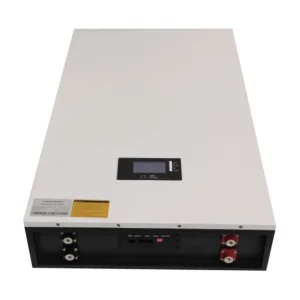
Explore our full range of solar inverters, high-voltage battery racks, and backup systems.
 Elemro Energy