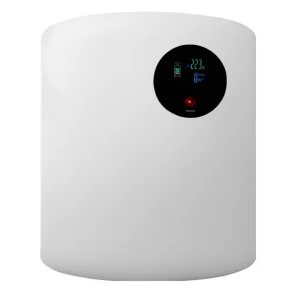
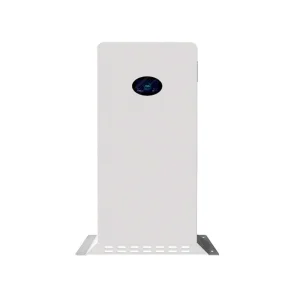
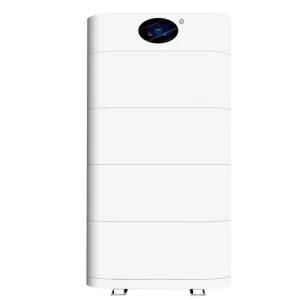
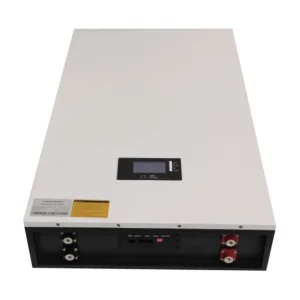
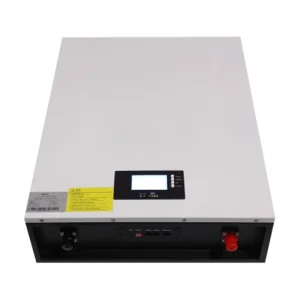
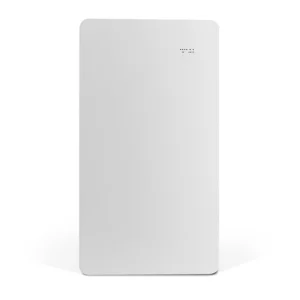
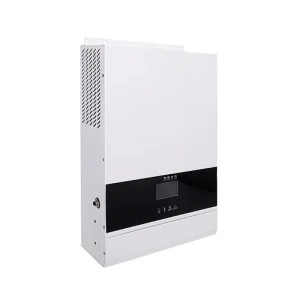
Explore our industrial and residential energy storage systems designed for longevity, grid-integration, and off-grid reliability.
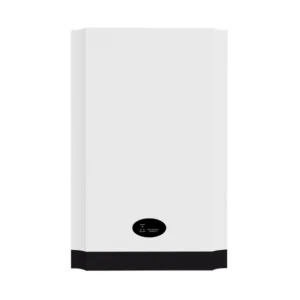
Established in 2019 and headquartered in Xiamen, China, Elemro Energy has emerged as an industry leader in new energy storage systems (BESS) and integrated electrical product configurations. We combine dynamic R&D capability, precision automated manufacturing, and structured global logistics channels to empower residential, commercial, and utility partners.
With our strong operational footprints, our specialized products are currently serving more than 250 strategic clients located in Europe, Southeast Asia, Africa, the Middle East, and the Americas. The compound annual growth rate of our business reflects a surging global demand for stable grid-forming power and decentralized home storage setups.
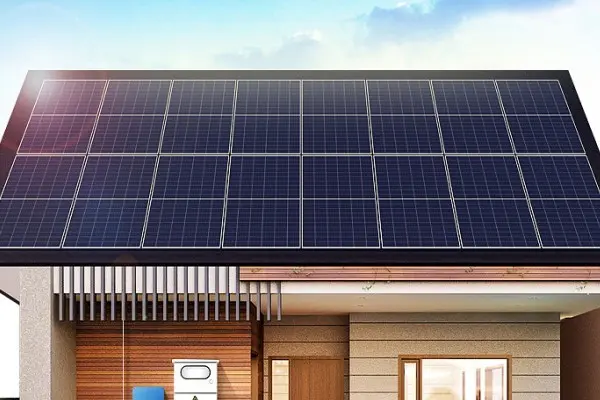
Integrating architectural photovoltaics with robust battery capacity to create unified carbon-neutral environments.

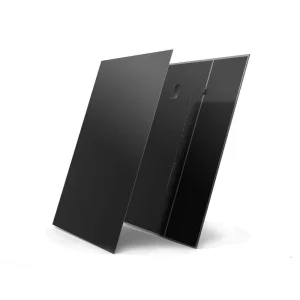
Building-integrated photovoltaics utilizing state-of-the-art Cadmium Tellurium (CdTe) thin-film structures. These smart building facades actively capture diffuse solar light, converting passive surfaces into high-efficiency power generators without compromising modern architectural design.
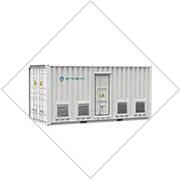
Scale-ready commercial and industrial (C&I) containerized battery structures. Outfitted with intelligent thermal management systems, active balancing BMS, and built-in liquid cooling circuits to maintain cells within optimal temperature thresholds.
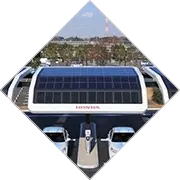
Decentralized electric vehicle charging infrastructure incorporating photovoltaic shading roofs. Ideal for parking areas in enterprise complexes, reducing peak grid consumption while capturing zero-emission solar energy directly into local battery systems.
A comprehensive examination of global domestic energy storage technologies, architecture paradigms, and compliance frameworks.
The global electric grid is undergoing a transition away from centralized fossil-fuel power stations toward decentralized, intermittent renewable generation. This shift introduces grid instability due to solar generation mismatch (the "duck curve"). Consequently, grid operators are restructuring power pricing schemas to include dynamic time-of-use (ToU) tariffs, high peak-demand surcharges, and reduced feed-in compensation. In this landscape, domestic energy storage systems (BESS) represent a critical infrastructure component.
By installing high-voltage and low-voltage domestic battery assets, homeowners and commercial businesses transform from passive consumers to active "prosumers." Home battery storage allows local solar yield to be captured during midday peak generation hours and discharged during evening high-tariff periods. This load-shifting process stabilizes the local grid network while shielding consumers from volatile energy pricing structures, ensuring reliable emergency backup capacity during unexpected grid blackouts.
The core of any residential energy storage solution lies in its cell chemistry. While traditional chemistries like Nickel Manganese Cobalt (NMC) offer high energy densities, Lithium Iron Phosphate (LiFePO4) is the benchmark standard for stationary home applications due to its safety profile and long cycle life. LFP cells exhibit excellent thermal stability, with a thermal runaway onset temperature exceeding 270°C, compared to NMC which can experience runaway at 210°C.
Furthermore, the structural stability of the Fe-P-O covalent bonds in LFP cells prevents the release of oxygen during overheating, mitigating fire risk. An LFP system can easily exceed 6,000 cycles at 80% Depth of Discharge (DoD) before its capacity degrades to 80% of its nominal value. In contrast, NMC cells typically experience capacity fade within 1,500 to 2,000 cycles under comparable usage. This translates to an operational lifespan of over 15 years for LFP systems, significantly lowering the Levelized Cost of Storage (LCOS) for end-users.
Building-Integrated Photovoltaics (BIPV) require solar technologies that can perform under diverse real-world environmental conditions. Elemro CdTe (Cadmium Telluride) thin-film solar glass addresses the limitations of standard crystalline silicon (c-Si) panels. CdTe cells feature a direct bandgap of 1.45 eV, which closely aligns with the solar spectrum, allowing them to capture diffuse sunlight on cloudy days, during early mornings, and in late evenings.
CdTe thin-film panels also exhibit a low temperature coefficient of -0.25%/°C, compared to c-Si panels which suffer performance drops under high summer temperatures (-0.4%/°C). In BIPV configurations where air cooling behind the panel is limited, CdTe thin-film technology delivers a higher annual energy yield per watt peak installed. Its aesthetic versatility, uniform coloration, and custom transparency options make it a preferred choice for building facades and architectural skylights, integrating clean generation directly into structural envelopes.
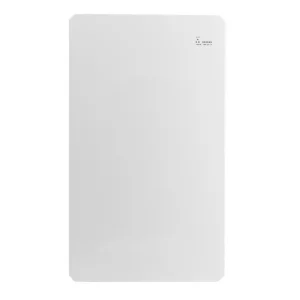
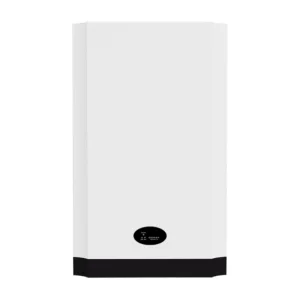
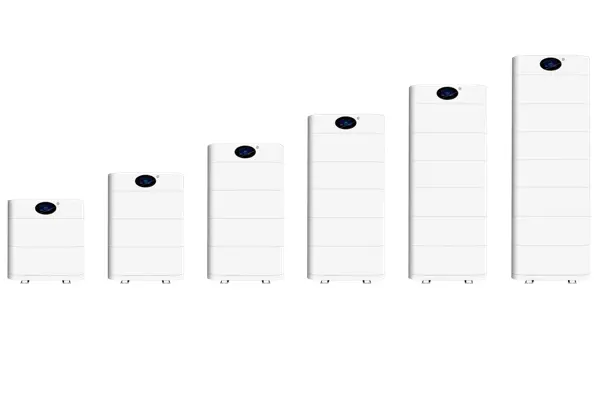
Modern battery installations generally follow one of two system architectures: Stackable High-Voltage (HV) Series Systems or Low-Voltage (LV) Parallel Systems. Low-Voltage systems (typically 48V nominal, such as the Elemro WHLV series) are widely favored for residential retrofits due to their simple installation and safe handling characteristics. They scale capacity by adding modules in parallel, which maintains a safe 48V operating voltage while increasing current capabilities.
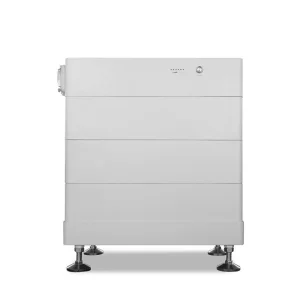
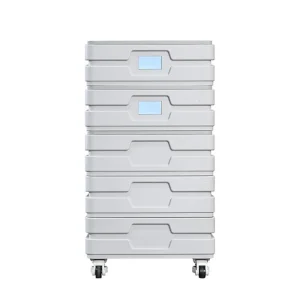
Conversely, High-Voltage stacked battery systems (such as our stackable LiFePO4 models) run modules in series, boosting system voltages to 200V-600V. This configuration reduces the current flowing through system conductors. According to Joule's Law ($P=I^2R$), lower currents minimize power losses across internal wiring and terminals. This enables thinner cables, simplifies grid connection layouts, and improves the round-trip conversion efficiency of the hybrid inverter system by avoiding heavy step-up voltage conversions during battery discharge.
Domestic energy storage installations are subject to strict regulatory standards to ensure grid safety and building hazard compliance. Elemro Energy maintains rigorous quality control standards across all stages of production. Our battery modules undergo strict verification processes to achieve industry-standard certifications:
By complying with these standards, our products integrate smoothly with mainstream hybrid inverter brands, ensuring safe installation, reliable operation, and eligibility for regional clean energy incentives.
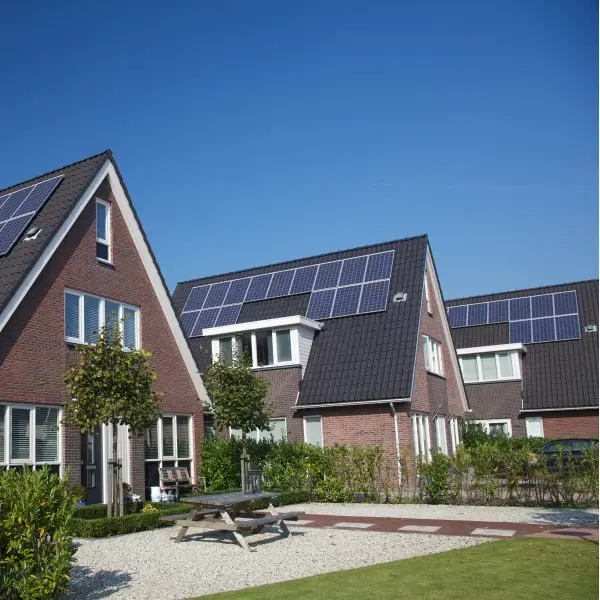
Energy storage systems must adapt to diverse local conditions and applications. Elemro systems are deployed in various environments worldwide:
Our product development roadmap focuses on integrating advanced cell chemistries and smart features. Elemro is currently developing semi-solid-state lithium cells to increase energy density and further improve safety. These cells replace volatile liquid electrolytes with solid conductive polymers, eliminating leakage risks and supporting wider operational temperature ranges.
In parallel, we are deploying cloud-based battery management software. By streaming sensor telemetry (voltage, temperature, current) to cloud databases, we can use machine learning models to monitor state-of-health (SoH) and detect early anomalies. This enables proactive maintenance before system faults occur, maximizing overall asset lifetime and performance.
Get answers to common technical questions about our energy storage systems, compatibility, and certifications.
Stay updated on our latest technology announcements, events, and energy insights.
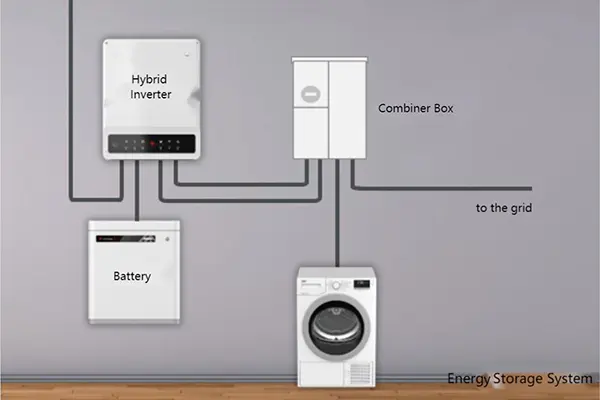
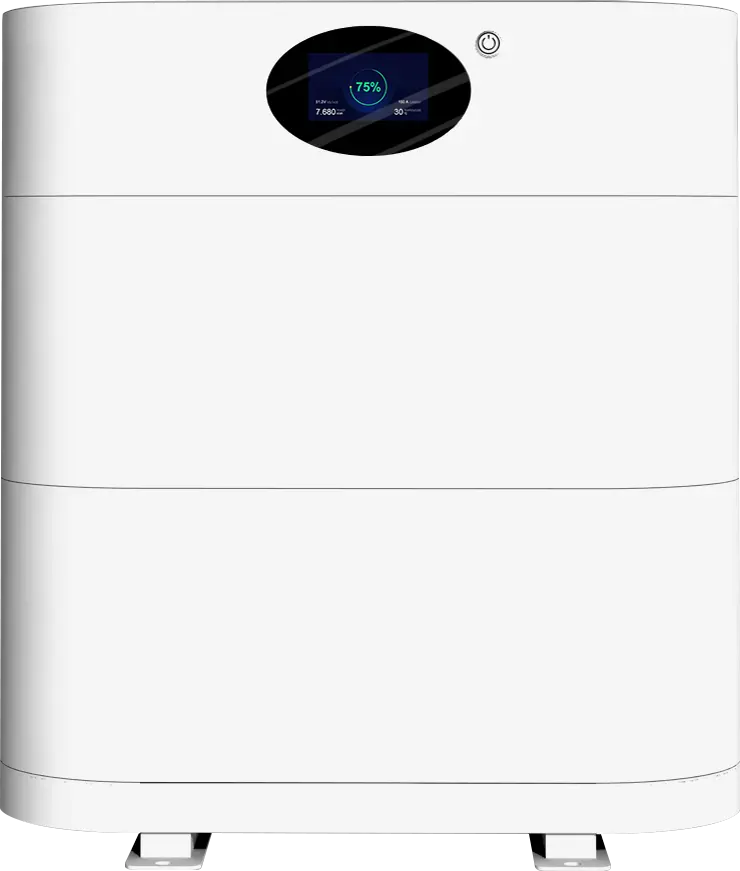
Premium solutions designed for grid-forming, peak-shaving, and self-consumption optimization.
Our solutions comply with strict global safety standards and partner with leading certification bodies.




Contact our engineering team to request detailed product specifications, system compatibility matrices, or bulk pricing information.
Inquiry For Pricelist Elemro Energy