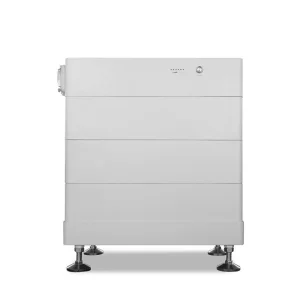
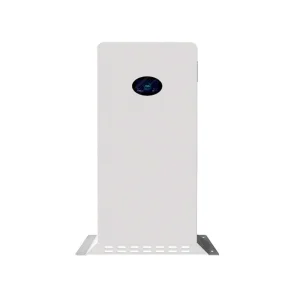
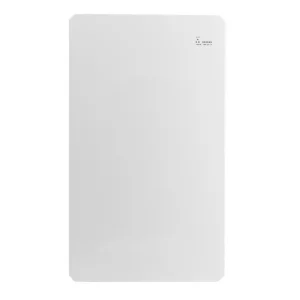
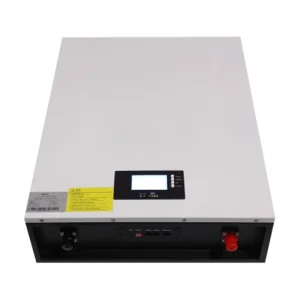
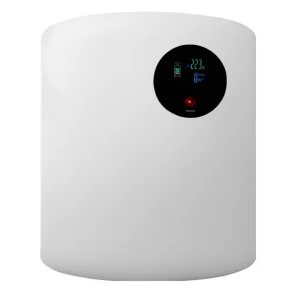
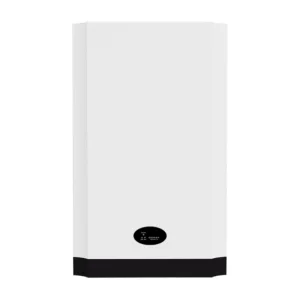
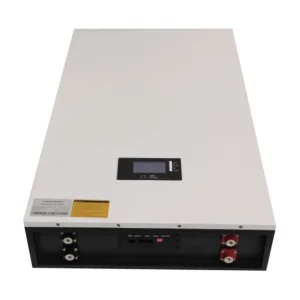
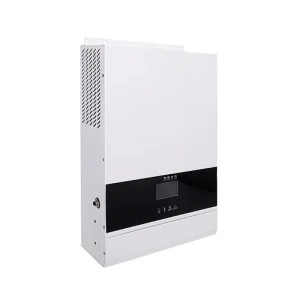
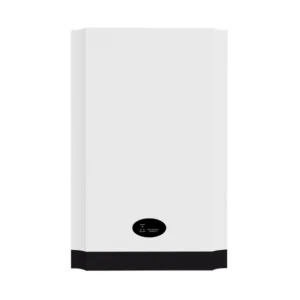
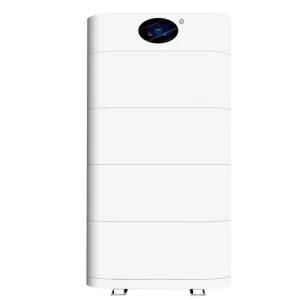
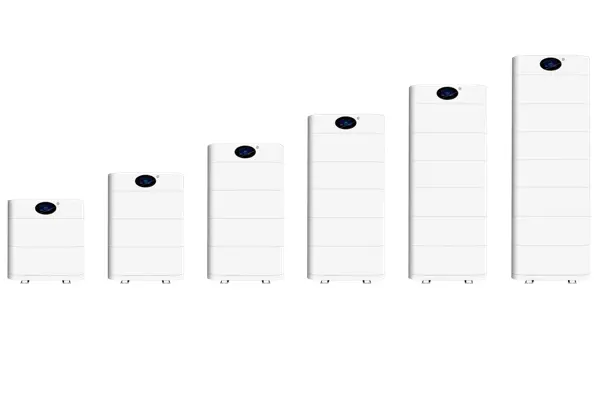
Explore our premium product line featuring high-voltage systems and smart lithium configurations.
The global energy landscape is undergoing a systemic structural transformation. Traditional centralized utility models are facing unprecedented challenges due to grid congestion, escalating geopolitical conflicts affecting fossil fuel supplies, and severe weather disruptions linked to climate change. As a response to these vulnerabilities, decentralized energy storage systems (BESS) have shifted from a luxury eco-conscious choice to a core infrastructural necessity.
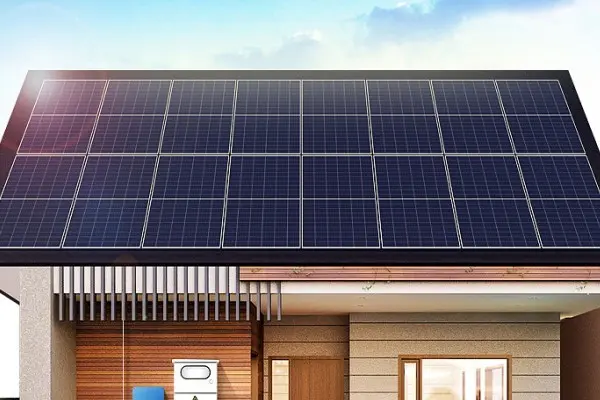
Historically, residential and commercial solar installations were the exclusive domain of specialized contractors. However, the maturation of DIY solar technologies has democratized energy procurement. Modern "Do-It-Yourself" projects no longer imply low-efficiency, experimental configurations. Today's DIY solar panels with battery storage setups leverage industrial-grade components, plug-and-play connections, and smart IoT monitoring dashboards. This evolution allows private homeowners, agricultural businesses, and small-to-medium enterprises (SMEs) to install high-performance PV arrays and custom storage systems with minimal external intervention, dramatically lowering the Levelized Cost of Energy (LCOE).
This paradigm shift is driven by the rapid improvement of lithium-ion chemistries—predominantly Lithium Iron Phosphate (LiFePO4)—and the standardization of hybrid inverters. As DIY systems achieve parity with professional utility-scale installations in terms of safety, capacity, and longevity, buyers are seeking high-efficiency manufacturers capable of providing robust, certified components directly from advanced manufacturing hubs.
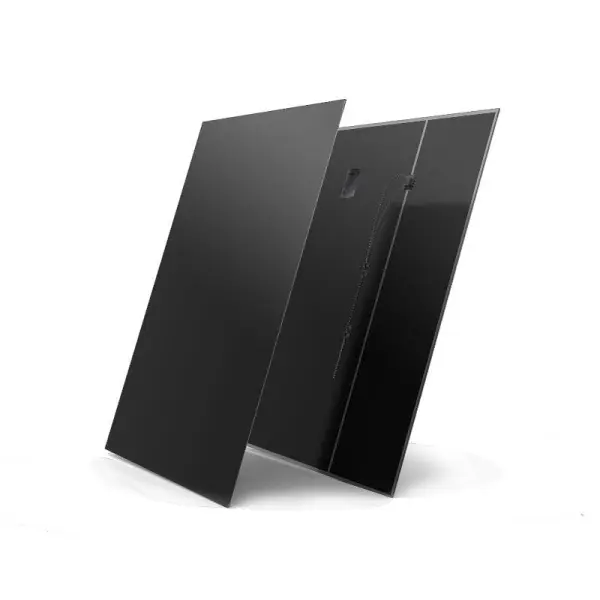
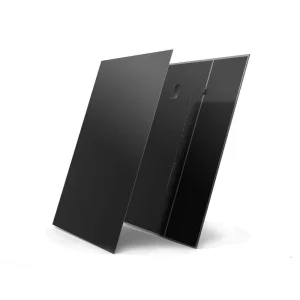
High-efficiency PV glass technologies optimized for modern building-integrated photovoltaics (BIPV). Generating clean energy while serving as structural architecture.

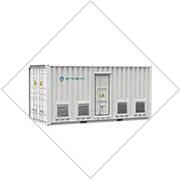
Scalable, thermal-controlled utility containers engineered for microgrids and commercial scaling, providing MW-level power distribution capacities.
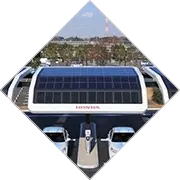
Custom structural mounting systems transforming commercial and residential parking bays into distributed clean energy generation nodes.
B2B purchasers, project developers, and importers face rigorous regulatory challenges when selecting DIY battery storage partners. The primary concern is safety compliance. Because battery storage systems store immense energy densities, they are subject to extreme thermal runaway scrutiny.
To import and distribute these systems successfully in primary markets like the United States, Europe, and Australia, manufacturers must pass stringent certification pipelines:
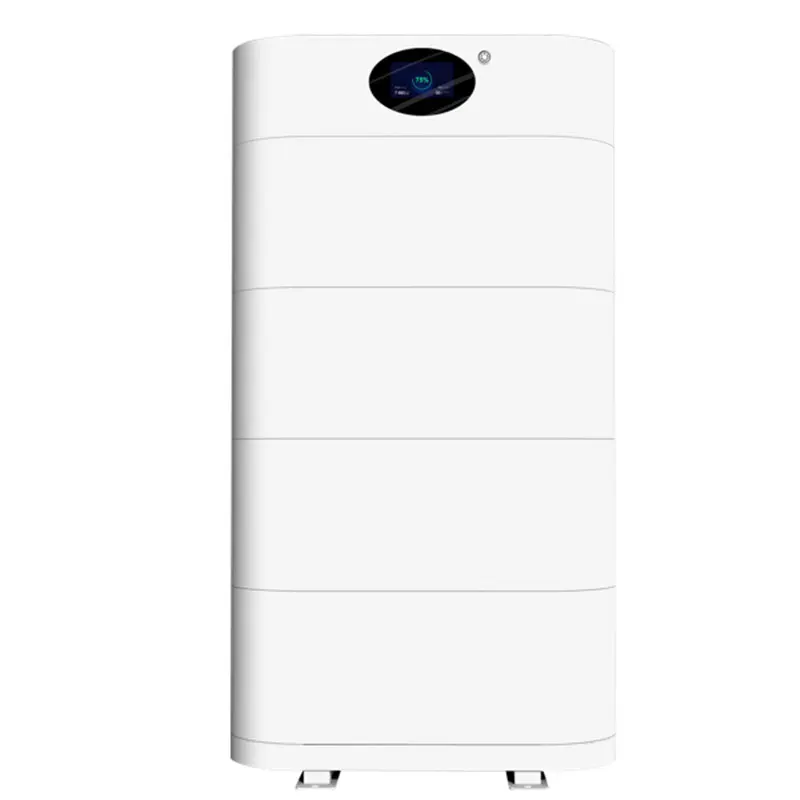
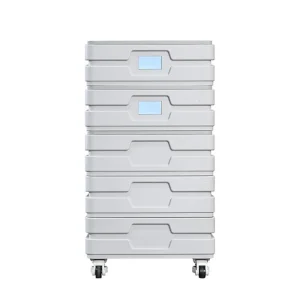
Beyond compliance, B2B buyers look for modularity and integration speed. A high-quality manufacturer must offer systems that support multiple communication protocols (such as Modbus, CANbus, and RS485) to guarantee compatibility with third-party inverters. Furthermore, scalability through modular stacking has become a critical product selector parameter. Buyers demand plug-and-play systems (such as high-voltage stackable battery towers) that minimize manual cabling, reducing field installation errors by up to 90%.
China's manufacturing leadership in the lithium-ion supply chain is undisputed. However, the distinction between standard factories and Factory 4.0 facilities lies in structural automation, quality management systems (QMS), and traceabilty.
Advanced Chinese production hubs utilize intelligent MES (Manufacturing Execution Systems) to monitor every step of the battery line. During the cell sorting phase, laser scanners and precision spectrometers measure internal resistance, capacity, and voltage up to four decimal places. This ensures that every battery module built consists of perfectly matched cells, preventing premature degradation and unbalanced charge-discharge cycles.
About ELEMRO Energy: Established in 2019 and headquartered in Xiamen, China, ELEMRO Energy has rapidly emerged as a pioneer in new energy storage and electrical product solutions. Integrating R&D, production, and sales, ELEMRO has built a robust distribution footprint spanning Europe, Southeast Asia, Africa, the Middle East, and the Americas. Focused on supply chain resilience, ELEMRO's annual turnover exceeded 50 million USD in 2023. Our factories utilize advanced automated assembly lines, high-precision thermal control testing, and comprehensive end-of-line verification systems to ensure that every unit—from small home battery packs to utility-scale containerized systems—meets the highest quality and safety benchmarks.
"We provide cleaner energy for a greener world." Founded in the innovation hub of Xiamen, ELEMRO Energy matches global customer demand with high-precision engineering. By coordinating downstream material suppliers and consolidating high-grade LFP cell production, ELEMRO maintains absolute cost control and supply security, shielding international partners from market volatility.
Learn More About Us →Engineered for high performance, ease of installation, and long-term durability.
BESS applications are diverse, requiring tailored solutions to meet specific electrical profiles and environmental challenges:
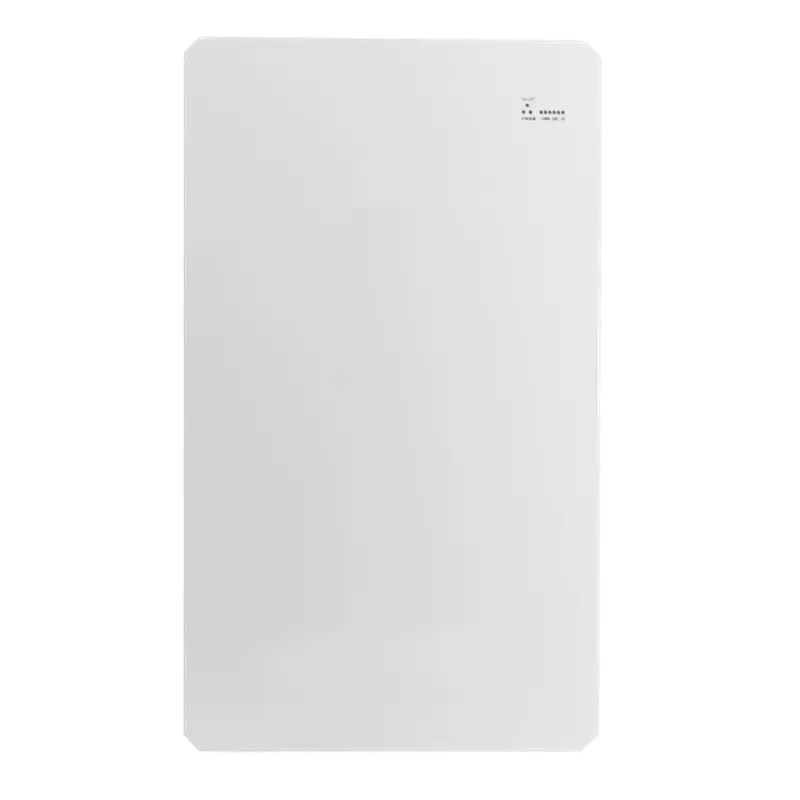
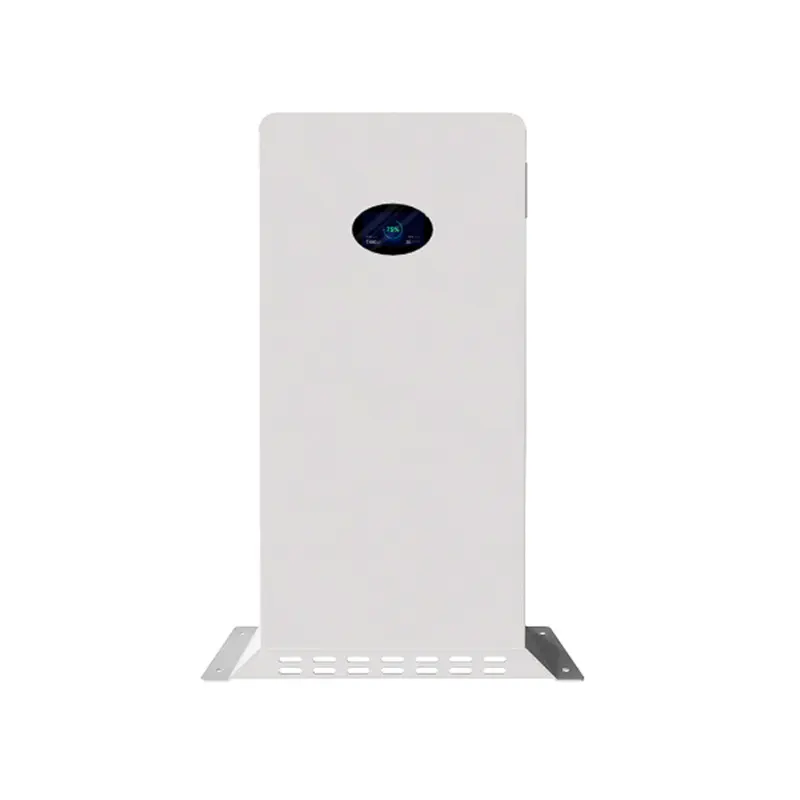
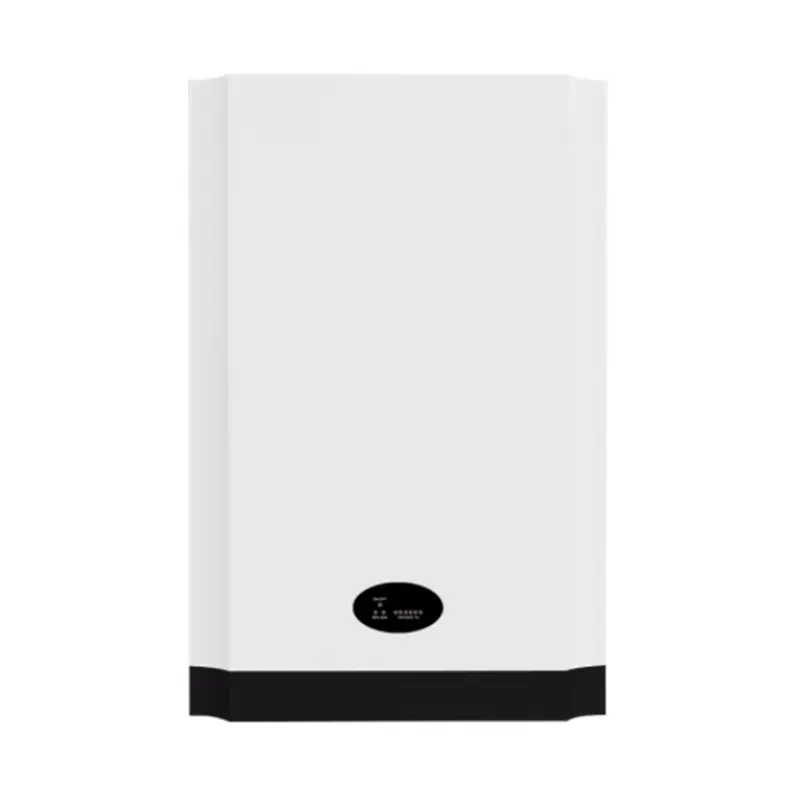
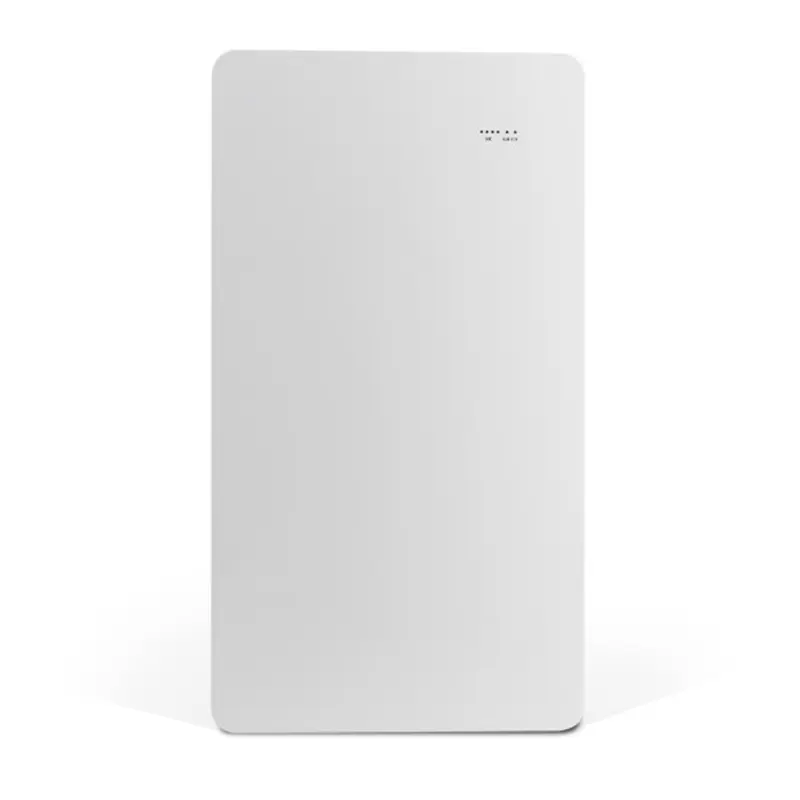
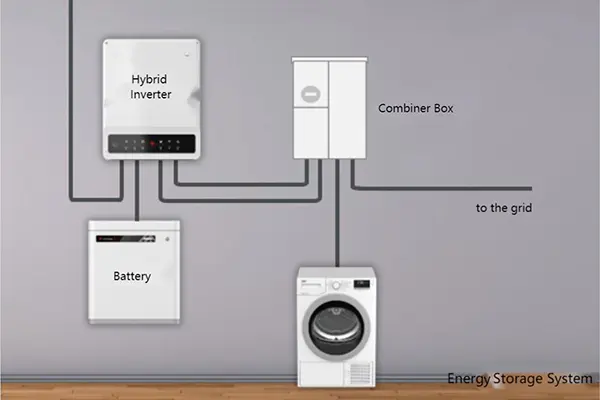
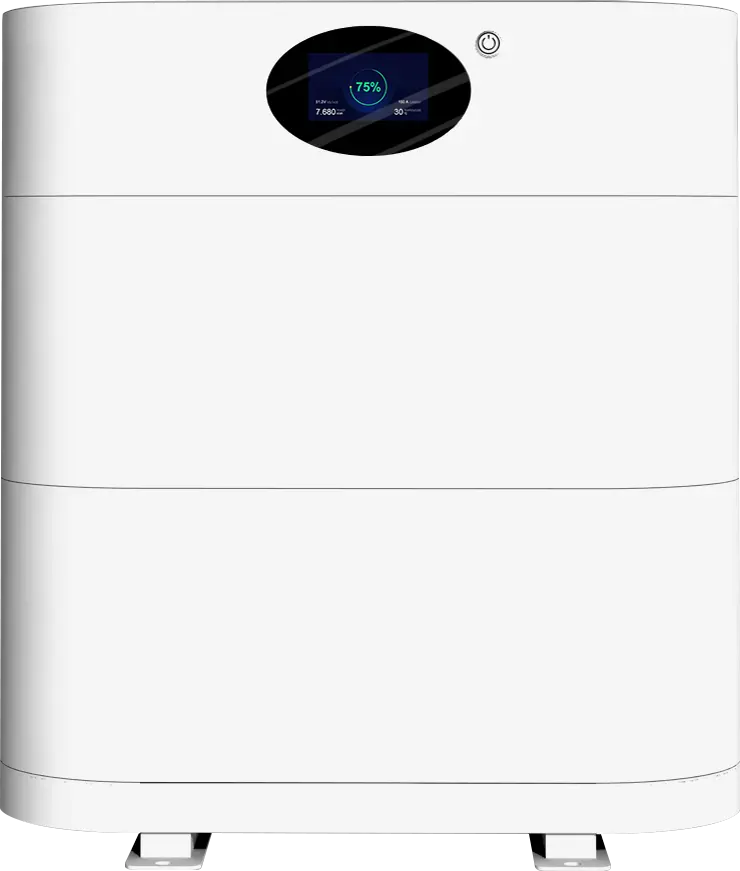
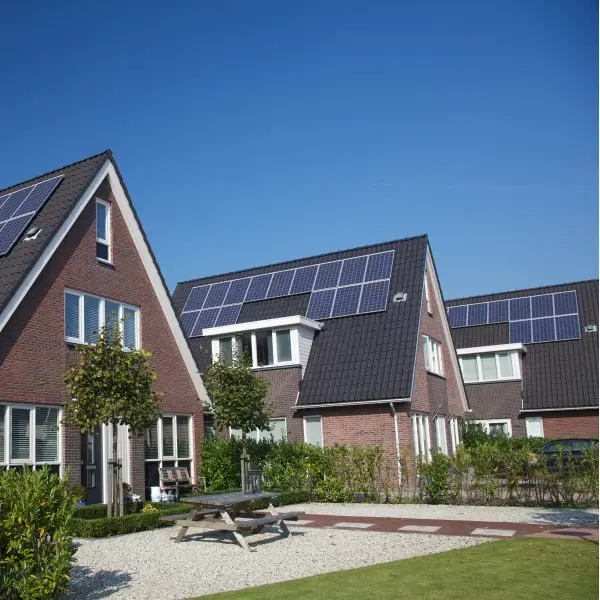
In regions characterized by high time-of-use (TOU) utility rates, such as parts of Western Europe and California, home battery storage systems are programmed for peak shaving. By storing excess solar generation during midday and discharging it during high-rate evening hours, homeowners can eliminate grid reliance during peak times. Our Elemro WHLV 10kWh Lifepo4 Battery is optimized specifically for this scenario, integrating seamlessly with hybrid smart inverters to automate grid-to-battery switching based on dynamic rate pricing.
For commercial facilities, even a brief power outage can result in substantial financial losses. Modular stacked storage systems provide clean backup power, replacing loud, polluting diesel generators. These installations also offer voltage stabilization, safeguarding sensitive equipment from transients and micro-outages. Elemro's stacked configurations enable seamless capacity expansion as business energy demands grow.
Modern urban commercial buildings often have limited roof space for traditional solar panels. This limitation is solved by BIPV solutions, such as CdTe (Cadmium Telluride) Thin Film Solar Cells. By embedding solar cells directly into the facade glass or window structures, buildings generate clean energy without altering their architectural design. Thin-film technology performs exceptionally well in low-light and high-temperature conditions, making it ideal for vertical urban installations.
Stay updated with our latest whitepapers, exhibition news, and technical articles.
In-depth insights into configuration, safety mechanisms, and battery cell technology.





Compare our wall-mounted, stacked, and thin-film BIPV components for your DIY setup.
 Elemro Energy