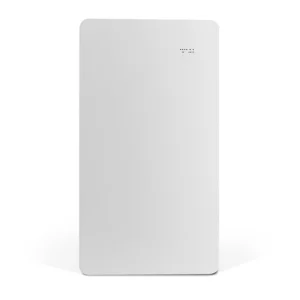
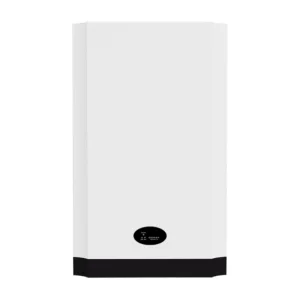
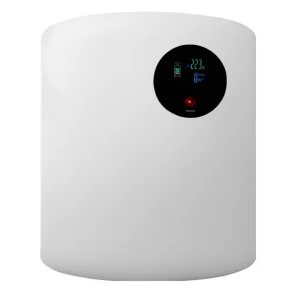
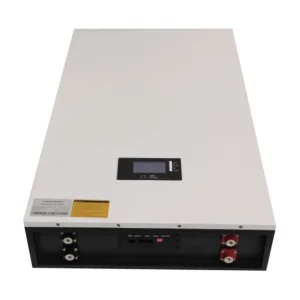
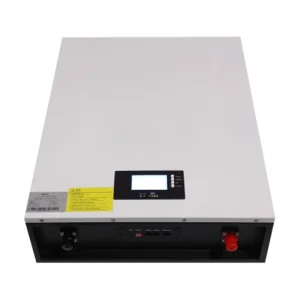
Premium-grade photovoltaic components, energy storage units, and high-voltage stacked setups for domestic, commercial, and utility installations.

Established in 2019, headquartered in Xiamen, China, Elemro Energy has been specialized in new energy storage and electrical product solutions with rich experience. We are a unified enterprise that integrates independent R&D, sophisticated manufacturing, and global sales.
Our products have served over 250 industrial partners in Europe, Southeast Asia, Africa, the Middle East, and the Americas. Elemro Energy's year-over-year revenue has grown exponentially, surpassing 50 million USD in 2023. By leveraging advanced power electronics and material science, we build grid-compliant solar energy systems optimized for performance, longevity, and affordability.
About UsA comprehensive analysis of market drivers, system levelization metrics, and supply-chain optimizations shaping industrial clean energy.
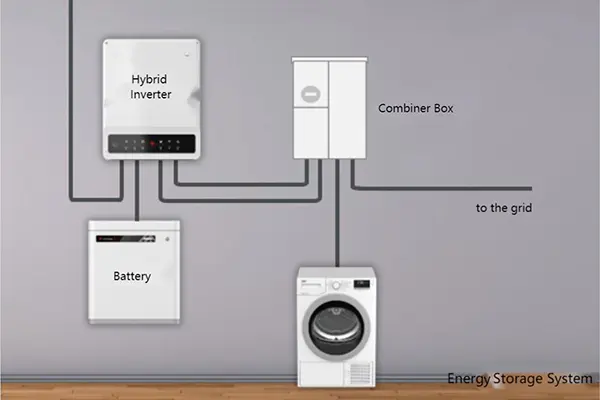
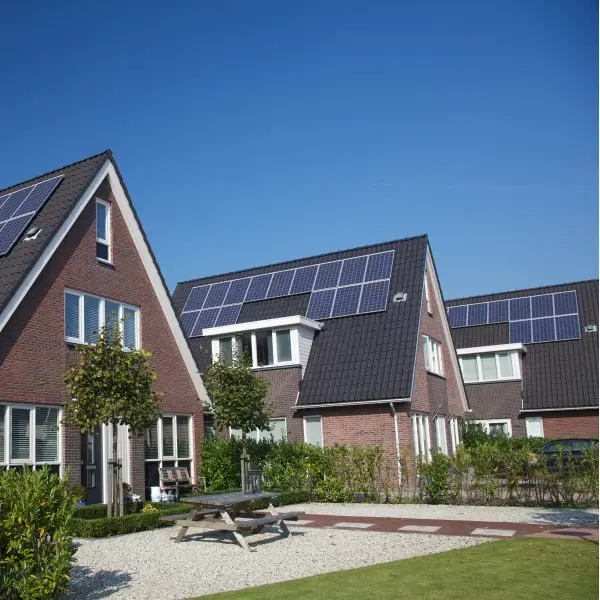
The global transition to decentralized renewable energy has made the deployment of solar panels combined with battery energy storage systems (BESS) a necessity rather than an option. Historically, photovoltaic (PV) generation faced severe criticism due to its inherent intermittency. By integrating lithium-iron phosphate (LiFePO4) storage, modern systems transform transient solar electricity into dispatchable capacity. In this whitepaper, we dissect the financial, chemical, and physical structures that govern the cost of solar panels with battery storage across global utility networks.
Maximizes returns by charging battery arrays during low-cost mid-day solar peaks and exporting energy back to grid systems during peak evening tariff rates.
Provides critical backup power systems to off-grid industrial nodes, processing plants, and telecommunications towers, mitigating diesel generator dependency.
Helps commercial enterprises suppress demand charges by discharging local battery units during maximum load operations, drastically lowering billing costs.
Analyzing the actual cost of a solar-plus-storage array requires evaluation beyond initial capital expenditure (CAPEX). It demands calculation of the Levelized Cost of Storage (LCOS) and Levelized Cost of Energy (LCOE). CAPEX involves the solar module price, inverter system capital, racking hardware, battery cells, Battery Management Systems (BMS), and engineering, procurement, and construction (EPC) labor.
However, the LCOS accounts for battery degradation, cycle life (typically 6,000+ deep discharges at 80% Depth of Discharge), round-trip efficiency (ranging from 88% to 95% in high-voltage designs), operational maintenance, and end-of-life battery recycling. China-based gigafactories have reduced the capital expenditures of solar panels and batteries, making integrated systems financially viable worldwide.
China remains the primary hub for battery production, accounting for over 75% of global LiFePO4 battery manufacturing capacity. Cities like Xiamen host integrated industrial estates where active material processing, cell manufacturing, pack assembly, and validation occur within close proximity.
This geographical consolidation minimizes shipping costs, allows rapid iteration of engineering improvements, and ensures quality control (QC). Our advanced manufacturing setups feature ISO 9001 and ISO 14001 compliance, utilizing high-precision cell sorting machines to match capacity and internal resistance, preventing cell imbalances and premature aging.
Our Core Technologies Pioneering the Next Generation of Energy Autonomy
Integration of CdTe (Cadmium Telluride) thin-film solar elements into structural architectural glass facades.
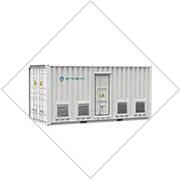
Megawatt-scale liquid-cooled containerized BESS arrays designed for grid frequency support and large industrial users.
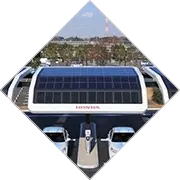
Structural canopy frameworks that convert standard parking environments into distributed clean energy micro-generation hubs.
The engineering landscape for solar batteries is shifting from low-voltage (48V) configurations to high-voltage (HV) systems. These configurations operate at potential differences exceeding 350V DC. Low-voltage storage solutions, while safe for domestic DIY setups, require thick conductors to handle high current loads, resulting in thermal losses (I²R losses) and increased material cost.
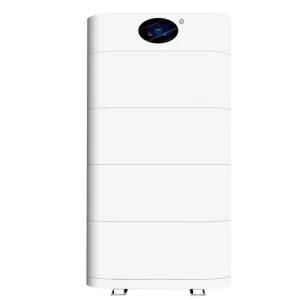
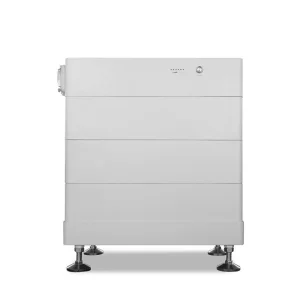
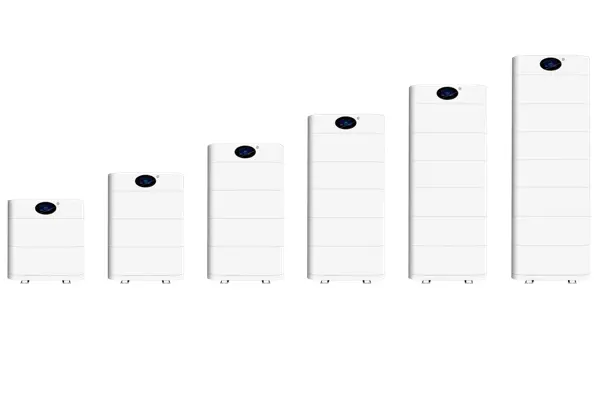
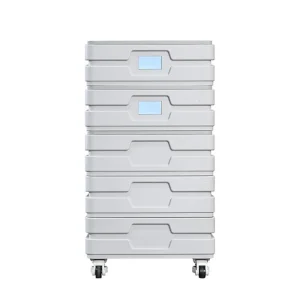
In contrast, high-voltage stackable designs connect multiple battery modules in series. By increasing voltage, the system reduces the current required to deliver identical power levels. This allows for thinner cabling, reduces heat output, increases safety margins, and results in higher overall inverter efficiency.
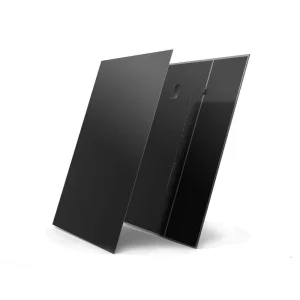
For building-integrated photovoltaics (BIPV), Cadmium Telluride (CdTe) thin-film solar glass offers a key alternative to traditional crystalline silicon panels. CdTe modules absorb light over a broader spectrum, delivering superior energy yields in low-light, cloudy, or high-temperature environments.
By integrating CdTe elements directly into glass window panes and facade materials, commercial spaces generate clean power directly from their outer skin, creating building-integrated microgrids.
How industries leverage Elemro's solar and battery solutions across different regional and regulatory environments.
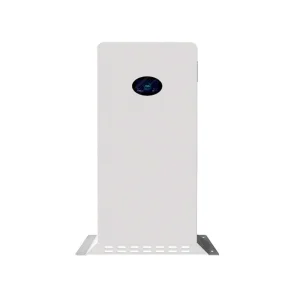
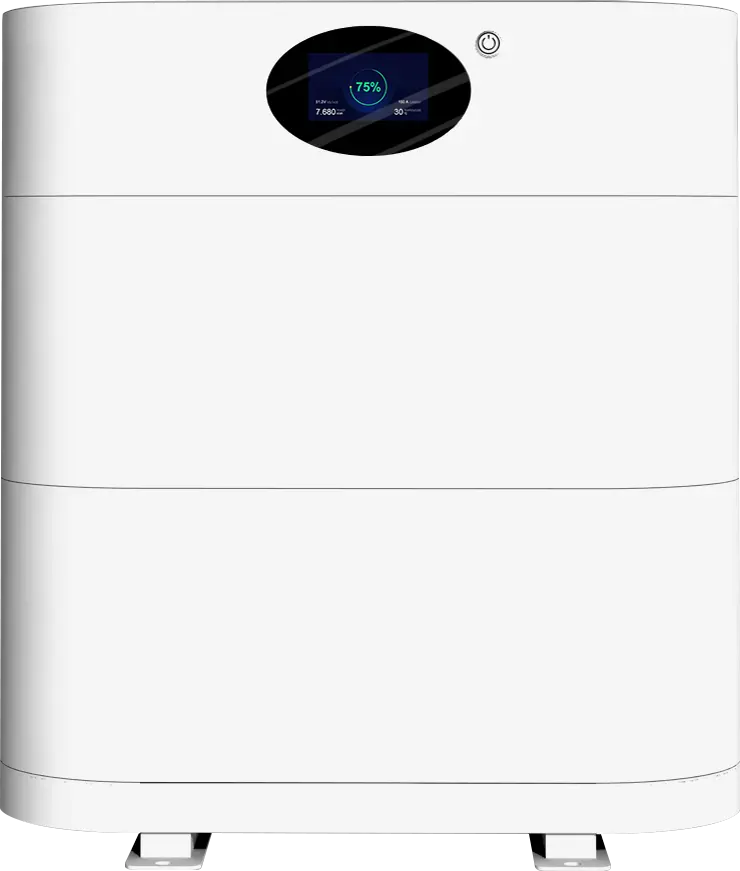
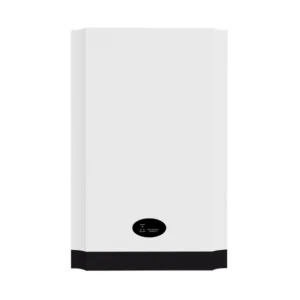
In countries like Germany and Spain, where retail electricity tariffs are high, commercial operators deploy our SHELL 14.3kWh Solar Backup Battery. This system stores daytime solar energy to offset peak evening rates, achieving ROI periods under 6 years.
Off-grid agricultural communities and resort islands use high-voltage stacked systems to replace diesel generators. This approach stabilizes remote distribution networks and reduces operational diesel fuel transport costs.
Faced with increased climate-driven grid instabilities, industrial facilities utilize Elemro's high-voltage stackable battery designs to maintain operational uptime during public grid failures.
Technical, financial, and operational considerations answered by Elemro's Lead Systems Engineers.
In-depth technical knowledge and industry updates from our energy researchers.
For inquiries about our products or custom system sizing, please submit your contact details and our global engineering team will respond within 24 hours.


Explore Elemro's high-capacity battery units and specialized system inverters.
 Elemro Energy