High-Quality Cost Of Solar And Battery System Manufacturer & Products

Decarbonizing Energy Supply Chains with Premium Energy Storage Solutions (ESS), Photovoltaic Technologies, and BIPV Innovations for Global Industrial, Commercial, and Residential Markets.

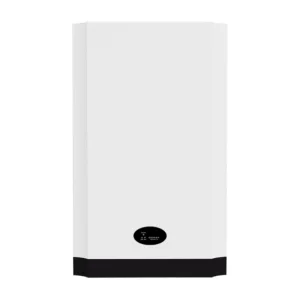
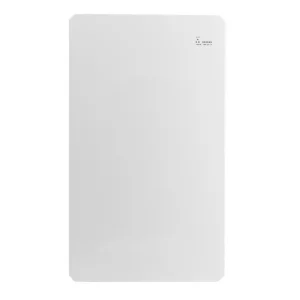
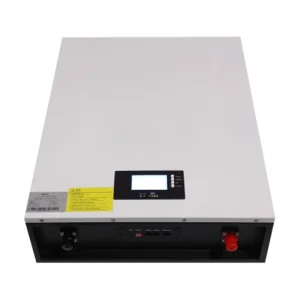
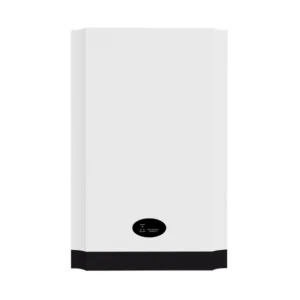
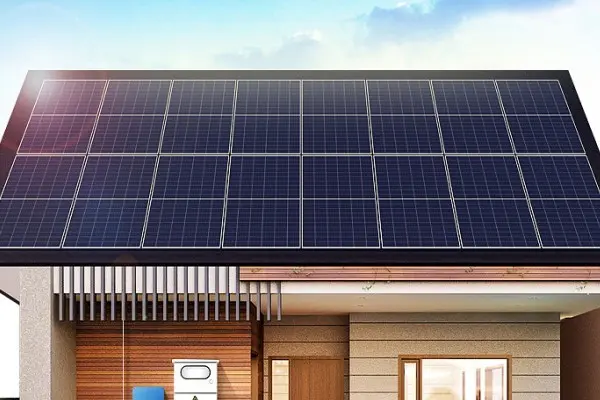
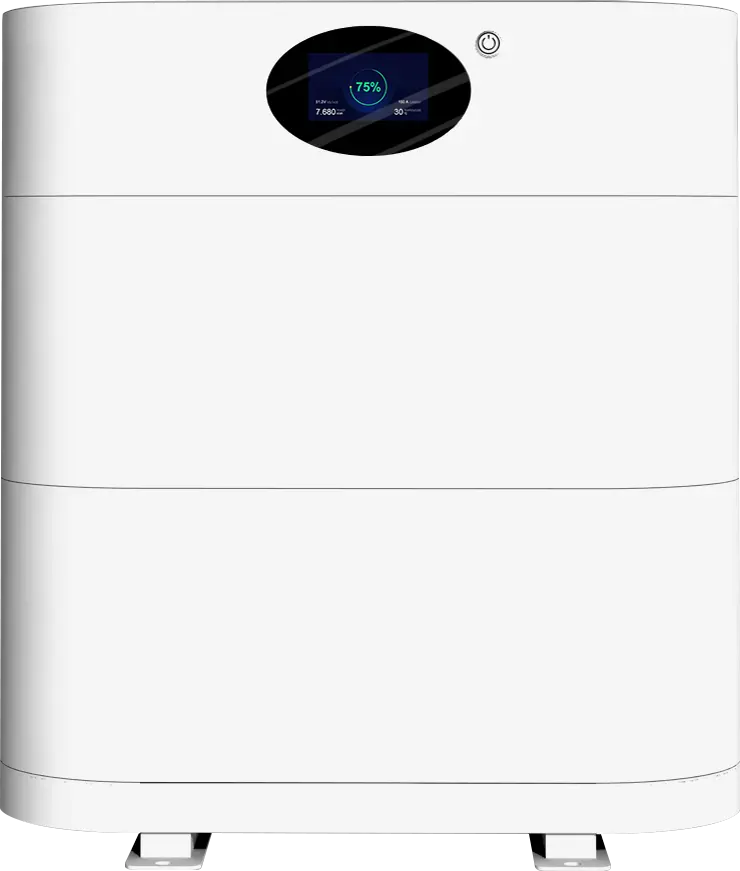
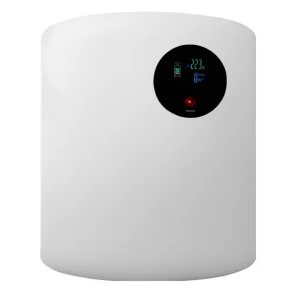
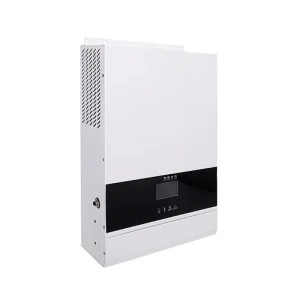
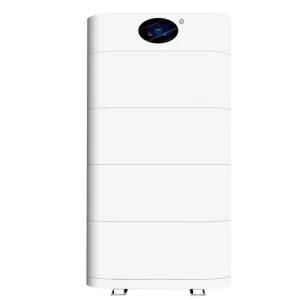
High-Performance Solar & Battery Systems

Explore our premium hardware engineered for maximum safety, cycle life, and levelized cost of energy (LCOE) optimization.

Global Energy Storage Dynamics at a Glance

Key indicators demonstrating the scalability, efficiency, and cost reductions driving the transition to solar-plus-storage frameworks globally.

250+
Global Enterprise Clients Across Europe, Asia, & Africa
$50M+
Annual Revenue Output in USD (Fiscal Year 2023)
6000+
Battery Cell Lifecycle at 80% Depth of Discharge (DoD)
< 0.05%
Product Safety Defect Rate with LFP Chemistry

Understanding the Economics: Cost of Solar and Battery Systems

A comprehensive analysis of levelized cost structures, global supply chains, and manufacturing efficiency.

1. Global Commercial & Industrial (C&I) Energy Transition Landscape

The global demand for reliable energy has reached an unprecedented inflection point. Businesses face volatile electricity pricing, grid reliability challenges, and stringent decarbonization mandates. Against this backdrop, integrating Solar PV with Battery Energy Storage Systems (BESS) represents the gold standard for microgrids, commercial facilities, and industrial parks. By deploying lithium iron phosphate (LiFePO4) battery architectures alongside solar systems, enterprises can achieve up to 40% reductions in operational peak demand charges while guaranteeing uninterrupted power.

Currently, the Levelized Cost of Storage (LCOS) has declined by over 80% in the last decade, driven by raw material sourcing optimizations and electrochemical processing scaling. In the commercial sector, the combination of photovoltaic generation and localized battery arrays serves two core functions: load-shifting (storing solar energy produced during peak sunlight hours to discharge during high-rate evening intervals) and peak shaving (smoothing transient demand spikes that incur hefty tariffs from grid operators).

Information Gain Insight: The true cost of a solar-plus-battery system is not merely defined by capital expenditure (CapEx) per kilowatt-hour, but rather by the operational lifetime parameters (OpEx), including round-trip efficiency (RTE), cycle life degradation curves, and localized ambient temperature tolerances. Premium systems like the ELEMRO SHELL and WHLV series incorporate intelligent Battery Management Systems (BMS) to extend typical cell lifespans past 6,000 cycles, optimizing the long-term return on investment (ROI).

2. Supply Chain Superiority: The Chinese Manufacturing and Cost Advantage

For international procurers evaluating the cost of solar and battery systems, understanding where and how these systems are produced is critical. China stands at the center of the global lithium battery supply network, controlling over 70% of global refining capacity for lithium, cobalt, and nickel, and producing the vast majority of the world's battery cells.

Based in the electronics and new energy hub of Xiamen, China, manufacturers like ELEMRO Energy capitalize on this integrated ecosystem. The cost efficiency achieved in Chinese factories is not the product of lower labor standards; rather, it is a reflection of intense vertical integration, advanced factory automation, high-precision laser welding of cell terminals, and localized raw material accessibility.

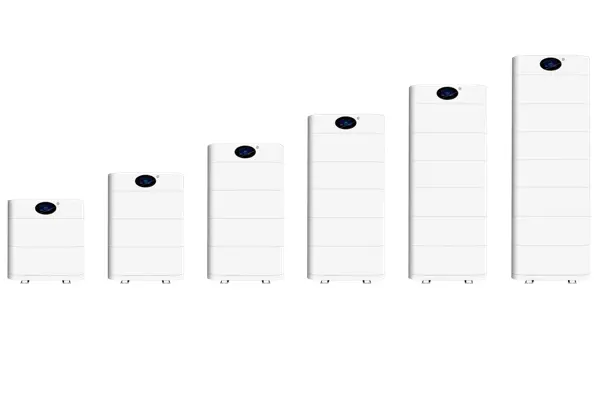
By eliminating cross-border transport of heavy raw chemical precursors and intermediate anodes/cathodes, ELEMRO reduces logistics emissions and costs. This efficient production framework allows for highly competitive unit costs for products ranging from residential LCLV 14kWh cabinets to industrial-scale containers. High automation also ensures cell-to-cell consistency, which is vital for high-voltage stackable configurations where even a minor capacity mismatch can bottleneck the entire system.

Power A Green Future

We provide cleaner energy for a greener world through tailored product lines.

Solar Glass

Solar Glass

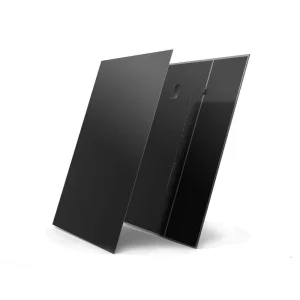
Highly durable, light-transmitting photovoltaic glass engineered to integrate into building envelopes (BIPV) and high-load solar frameworks, optimizing direct solar harvesting.
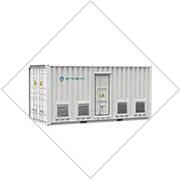
Energy Storage Container

Energy Storage Container

Megawatt-scale containerized battery units (BESS) equipped with built-in liquid cooling, HVAC, gas suppression, and advanced protection mechanisms for C&I applications.
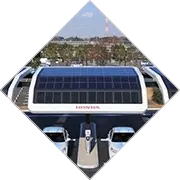
Car Port Solar Power

Car Port Solar Power

Structural solar canopies that combine clean energy generation with shade infrastructure, tailored for corporate parking lots, commercial plazas, and electric vehicle charging bays.

3. Localized Application Scenarios: Custom Energy Solutions

A primary driver of search intent for solar and battery manufacturers is understanding how hardware performs under different operating environments and use cases:

  • Building-Integrated Photovoltaics (BIPV): Standard solar panels can disrupt architectural aesthetics. ELEMRO's CdTe (Cadmium Tellurium) thin-film solar cell technology resolves this by replacing traditional glass facades with power-generating panes, maintaining thermal insulation while generating electricity even under weak light conditions.
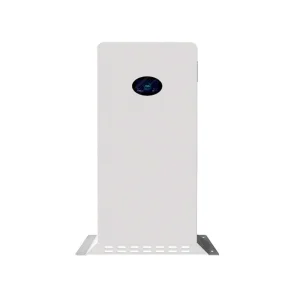
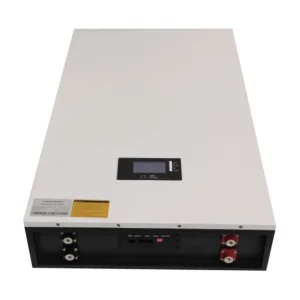
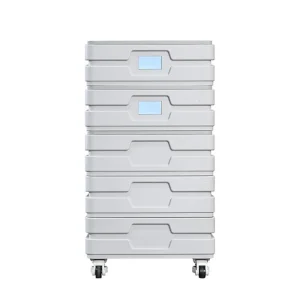
  • Residential Energy Independence: Wall-mounted systems, such as the WHLV 5kWh and stackable high-voltage configurations, fit in compact residential spaces. They provide seamless power switching in less than 10 milliseconds, protecting home electronics from grid outages.
  • Off-Grid Industrial Canopies: Our solar carport systems turn corporate parking areas into localized generation points, feeding EV chargers directly and routing surplus power to containerized energy storage units to avoid peak demand rates.

4. Global Corporate Procurement: Key Evaluation Criteria

B2B energy procurement teams must look past nominal prices to evaluate long-term reliability. A robust evaluation framework should prioritize:

  1. Safety and Compliance: Standard certifications (UL1973, UL9540A, CE, UN38.3) are essential. These guarantee that thermal runaway events are contained within localized modules, avoiding wider system damage.
  2. C-Rate Capabilities: The charge/discharge rate determines how quickly energy can be stored or released. Systems with a 0.5C to 1C rating are ideal for sudden high-load demands, while lower rates suit gradual overnight backup.
  3. Inverter Compatibility: Modular battery banks must support communication with mainstream hybrid inverters (such as SMA, Growatt, Victron, and Solis) via CAN/RS485 interfaces.

ELEMRO Energy Solutions

Established in 2019 and headquartered in Xiamen, China, ELEMRO Energy specializes in clean energy storage and electrical system integration. We are an industry leader that unites advanced research and development, smart manufacturing, and global sales.

Our products serve more than 250 enterprise clients across Europe, Southeast Asia, Africa, the Middle East, and the Americas. Since our founding, ELEMRO has maintained rapid year-over-year revenue growth, with our annual turnover exceeding 50 million USD in 2023.

ELEMRO Energy Corporate

Expert Q&A: Solar & Battery Systems

Get answers to key technical, financial, and operational questions about commercial and residential energy storage.

Q1: What parameters determine the overall life cycle cost (LCOS) of a solar battery system? +
LCOS is determined by: initial purchase price (CapEx), installation costs, operating and maintenance costs (OpEx), round-trip efficiency (RTE), depth of discharge (DoD), and cycle life. High-quality LiFePO4 cells offering over 6000 cycles at 80% DoD provide significantly lower lifetime energy costs than cheaper lead-acid or low-tier lithium alternatives.
Q2: How do High-Voltage (HV) and Low-Voltage (LV) storage systems compare? +
High-Voltage systems (typically >100V DC to 400V+ DC) offer lower transmission losses and integrate well with large commercial hybrid inverters. They are ideal for quick charge/discharge applications. Low-Voltage systems (typically 48V DC) are easier and safer to install, making them the standard choice for residential applications up to 20kWh.
Q3: Why is Lithium Iron Phosphate (LiFePO4) preferred over Nickel Manganese Cobalt (NMC)? +
LiFePO4 (LFP) offers superior thermal stability, a longer cycle life (6000+ cycles vs 1500–2000 for NMC), and operates safely at high temperatures. In addition, LFP chemistry is free of cobalt and nickel, making it a more environmentally sustainable and cost-stable choice.
Q4: What role does CdTe (Cadmium Tellurium) play in BIPV projects? +
CdTe thin-film solar modules are ideal for building-integrated photovoltaics (BIPV). They perform exceptionally well in low-light, shaded, and high-temperature environments. Their sleek design allows them to replace standard architectural facade glass, turning building exteriors into active energy generators.
Q5: Can ELEMRO batteries be integrated with third-party hybrid inverters? +
Yes. Our battery management systems (BMS) support standard communication protocols (CANBUS/RS485) and are pre-configured to communicate with leading global inverter brands, including Solis, Growatt, SMA, Victron, and Deye.
Q6: How does ELEMRO guarantee manufacturing quality and product safety? +
ELEMRO employs automated production lines featuring laser welding, cell impedance matching, and automatic high-pressure cycling tests. All products undergo strict testing and carry CE, UN38.3, MSDS, and UL compliance certifications.

Ready to Optimize Your Power Infrastructure?

For inquiries about our product line, custom engineering requirements, or a project pricelist estimation, send us your request. Our engineering team will follow up within 24 hours.

Inquiry For Pricelist
ELEMRO Partner Logo 1 ELEMRO Partner Logo 2 ELEMRO Partner Logo 3 ELEMRO Partner Logo 4 ELEMRO Partner Logo 5 ELEMRO Partner Logo 6 ELEMRO Partner Logo 7