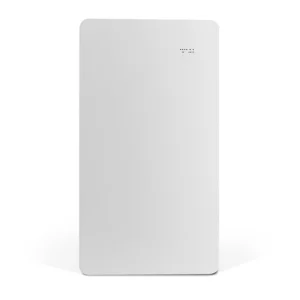
Explore Elemro Energy's high-efficiency PV components and battery energy storage products engineered for seamless residential & industrial hybridization.
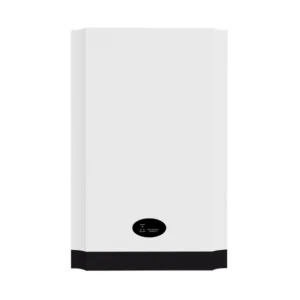
Established in 2019 and headquartered in the high-tech hub of Xiamen, China, ELEMRO Energy has positioned itself as an industry leader specialized in advanced new energy storage and premium electrical infrastructure solutions. Built on a foundation of professional research and development, we combine advanced manufacturing, strict quality control protocols, and global distribution logistics under one unified ecosystem.
Our international presence serves more than 250 high-profile clients spanning across Europe, Southeast Asia, Africa, the Middle East, and the Americas. ELEMRO's annual turnover is expected to cross the landmark threshold of $50 million USD, marking exceptional Year-on-Year development driven by engineering excellence and unparalleled customer satisfaction.

Projected 2023 Revenue
Global Industrial Partners
LiFePO4 Tier 1 Quality Assured
Professional Technical Support
A deep dive into pricing models, material compositions, hardware configurations, and optimization vectors.
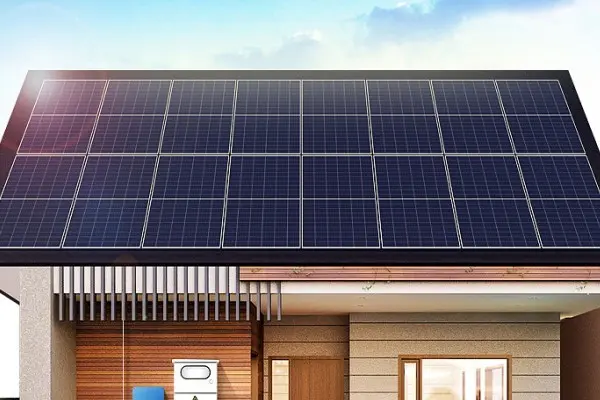
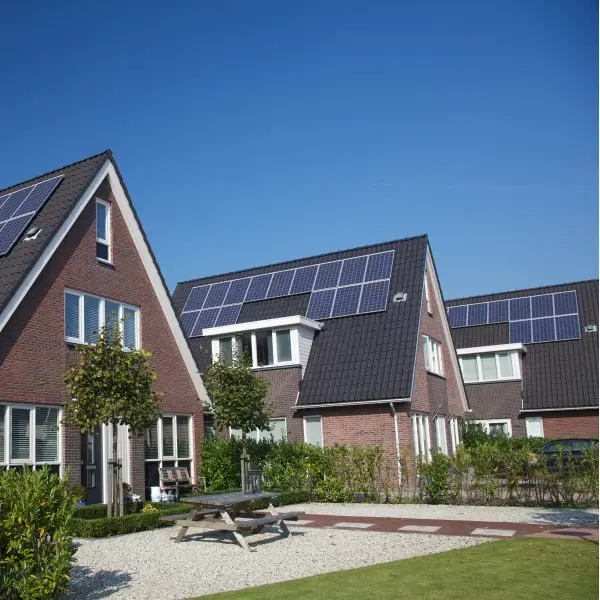
When engineering high-efficiency energy independence, the 10kW solar system with battery storage represents the premium strategic standard for upscale residential properties and medium-scale commercial integrations. For systems targeting net-zero grid reliability, sizing requires optimal balance. A 10kW array typically generates between 40 kWh to 50 kWh of usable electricity daily (depending heavily on peak solar radiation and geographic coordinates), making a compatible energy storage matrix of 10kWh to 20kWh highly recommended to secure maximum self-consumption.
However, the global market is saturated with varying quality metrics, leaving engineers, developers, and homeowners to decode the real cost behind the equipment. High-quality systems require more than just assembly-line cells; they demand robust Battery Management Systems (BMS), high thermal efficiency, and grid-smart hybrid inverters capable of instantaneous utility switching. In this comprehensive technical guide, Elemro Energy lays out the architectural costs, geographic variables, chemical profiles, and procurement blueprints necessary for informed decision-making.
Developing cleaner energy solutions for a greener world. We address the three structural pillars of industrial & residential energy transition.

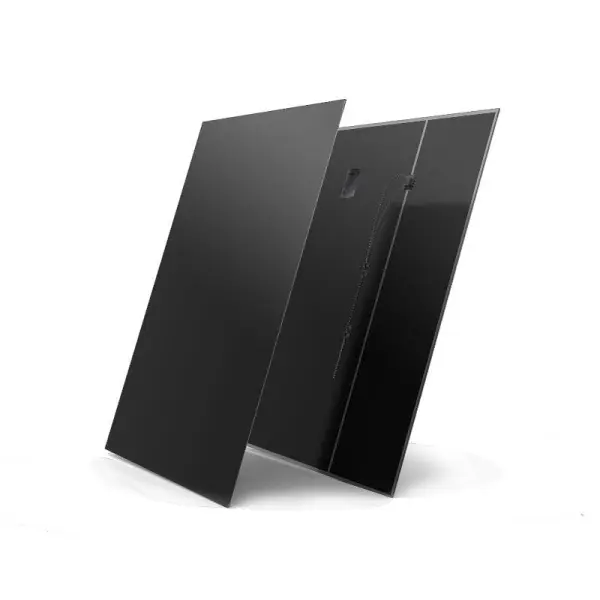
Custom-engineered high-transmission photovoltaics designed to capture maximum light irradiance. Perfect for BIPV configurations and heavy-duty structural modules.
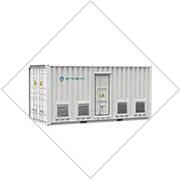
Megawatt-level scalability housed within rugged thermal-controlled containers. Engineered with advanced liquid cooling and multi-tiered fire-suppression logic.
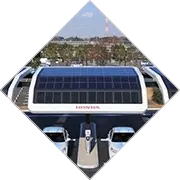
Optimizing vertical spaces by transforming commercial parking structures into clean power generation plants, pre-configured for EV fleet integration.
The gross capital expenditure (CAPEX) for a premium 10kW solar array integrated with battery storage varies by region, supplier credibility, and engineering complexity. A generic high-quality deployment costs between $14,000 to $25,000 USD before local government subsidies or green energy tax credits. The following chart breaks down where every dollar is allocated to guarantee optimal system safety, performance, and longevity.
| Component Category | Key Cost Contributors | Typical Budget Allocation (%) | Estimated Price Range (USD) |
|---|---|---|---|
| PV Panels (10kW Array) | Mono-PERC/N-Type TopCon Cells, High UV Durability Glass | 20% - 25% | $3,000 - $5,500 |
| Battery Storage (10kWh - 15kWh) | Tier 1 LiFePO4 Chemistry, Integrated BMS, Smart Diagnostics | 35% - 45% | $5,000 - $9,500 |
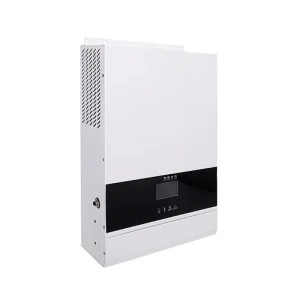
| Hybrid Inverter (10kW Smart) | Dual MPPT Trackers, Grid-Tie & Off-Grid Switching, High Frequency | 15% - 20% | $2,500 - $4,200 |
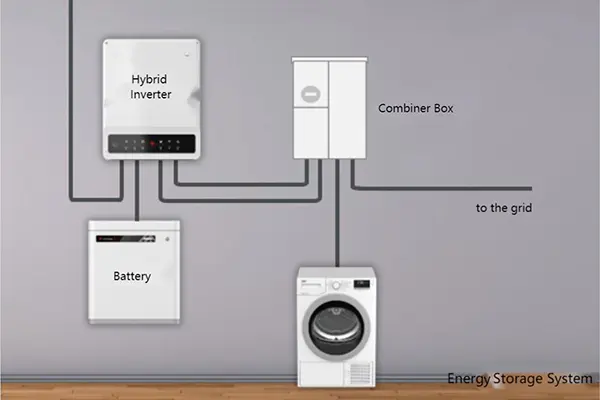
| Balance of System (BOS) | Aluminum Railing, Cabling, Rapid Shutdown Switches, Combiner Box | 8% - 10% | $1,200 - $2,200 |
| Engineering & Installation | Site Assessment, Structural Engineering, Local Utility Interconnection | 10% - 15% | $1,800 - $3,500 |
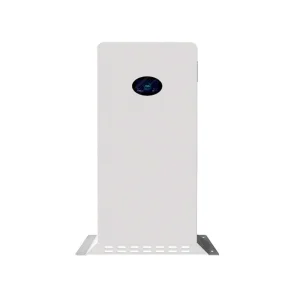
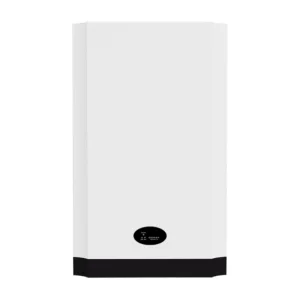
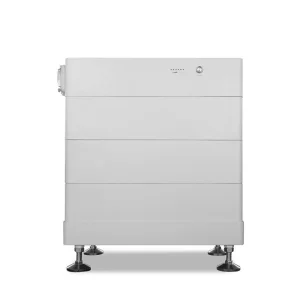
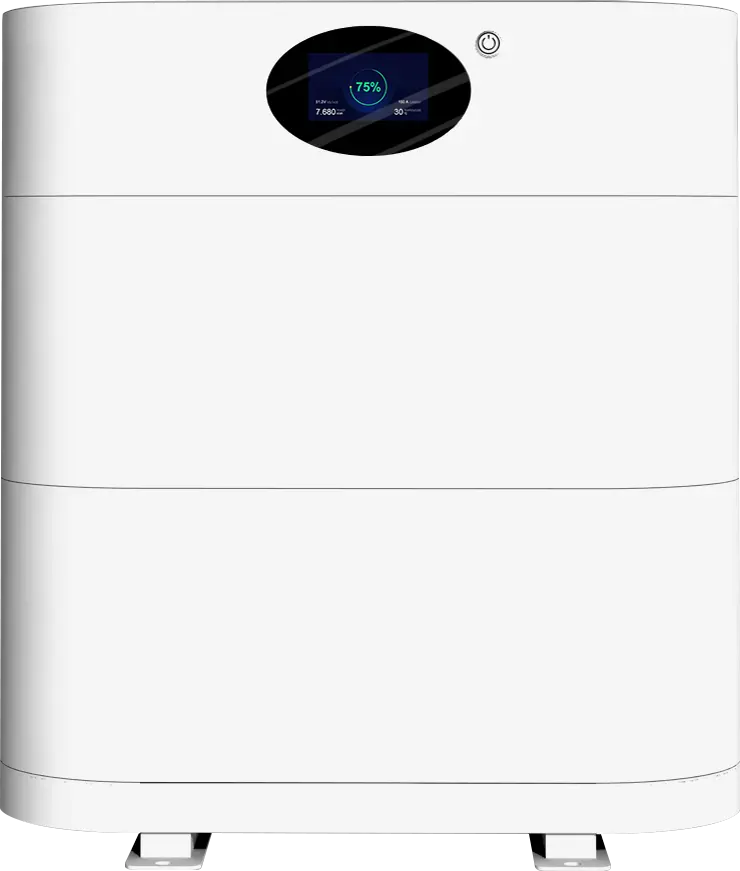
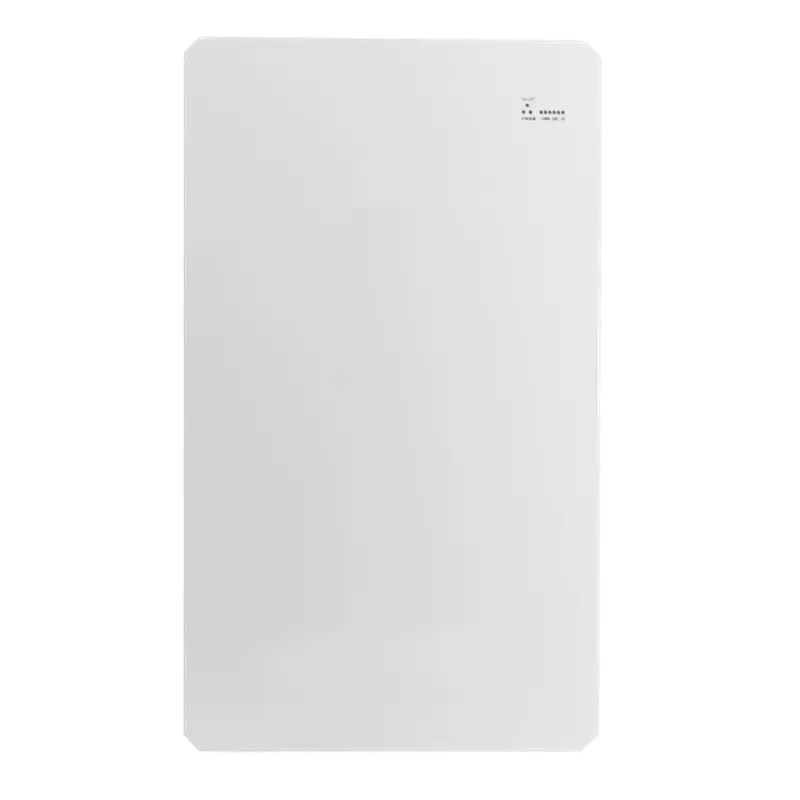
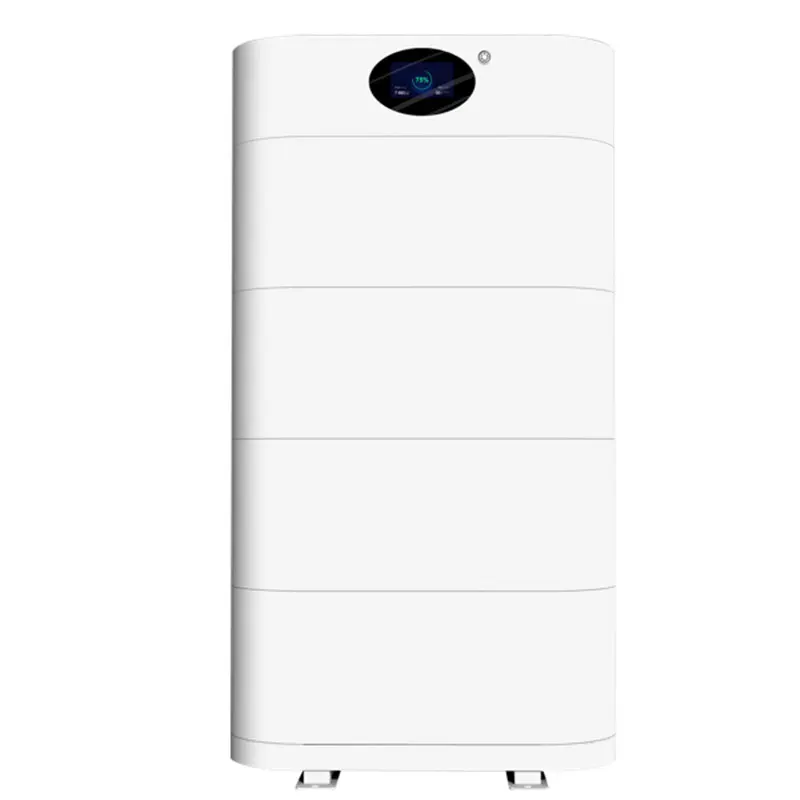
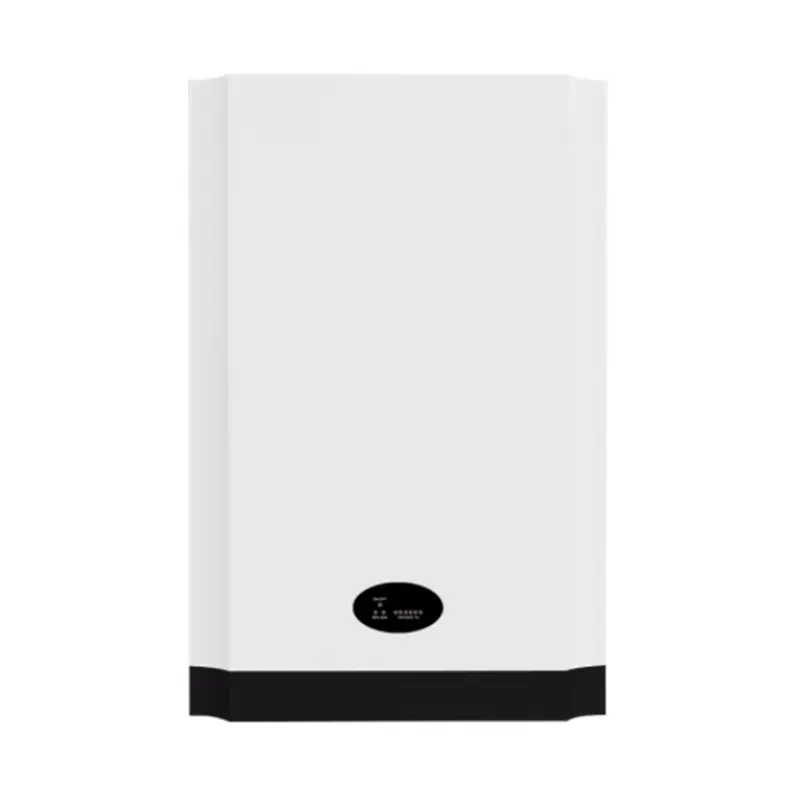
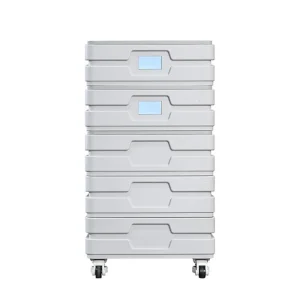
Soft Costs vs. Hard Costs: System designers must distinguish between hardware costs (panels, battery modules, and hybrid inverters) and soft costs (permitting, interconnection grid fees, and local labor). Using factory-integrated systems like the Elemro SHELL 14.3kWh Solar Backup Battery significantly reduces labor costs because they are pre-wired and modularly stackable, saving up to 40% in field-level installation hours.
The economic logic of investing in a 10kW hybrid solar system with storage is directly linked to local regulatory conditions and regional energy prices. Key growth markets show the following dynamics:
The Federal Investment Tax Credit (ITC) allows buyers of battery storage systems to write off 30% of the gross configuration cost. Combined with state-level grid incentives, a high-quality 10kW setup with an Elemro 14.3kWh SHELL battery is highly cost-effective.
Inside the engineering of premium energy storage: Lithium Iron Phosphate (LiFePO4) vs Alternative Chemistries.
Safety is a key factor when installing high-capacity batteries inside or near occupied spaces. Traditional Lithium Nickel Manganese Cobalt (NMC) batteries offer high energy density but present risks of thermal runaway. Premium manufacturers like Elemro Energy use Lithium Iron Phosphate (LiFePO4) chemistry.
LiFePO4 features a thermal runaway threshold of approximately 270°C, compared to NMC's 210°C. They also contain no toxic cobalt, making them easier to recycle and less hazardous under mechanical stress or electrical fault conditions.
Hardware longevity depends on the quality of the Battery Management System (BMS). A high-performance BMS monitors individual cell voltages, tracks temperature rise, and manages balanced charge cycles. This prevents overcharging, deep discharge, and short circuits.
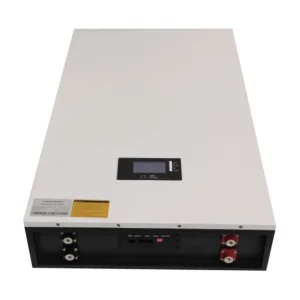
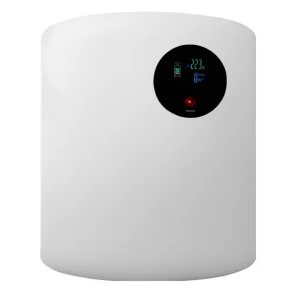
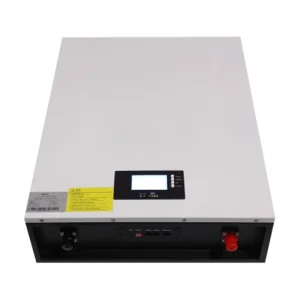
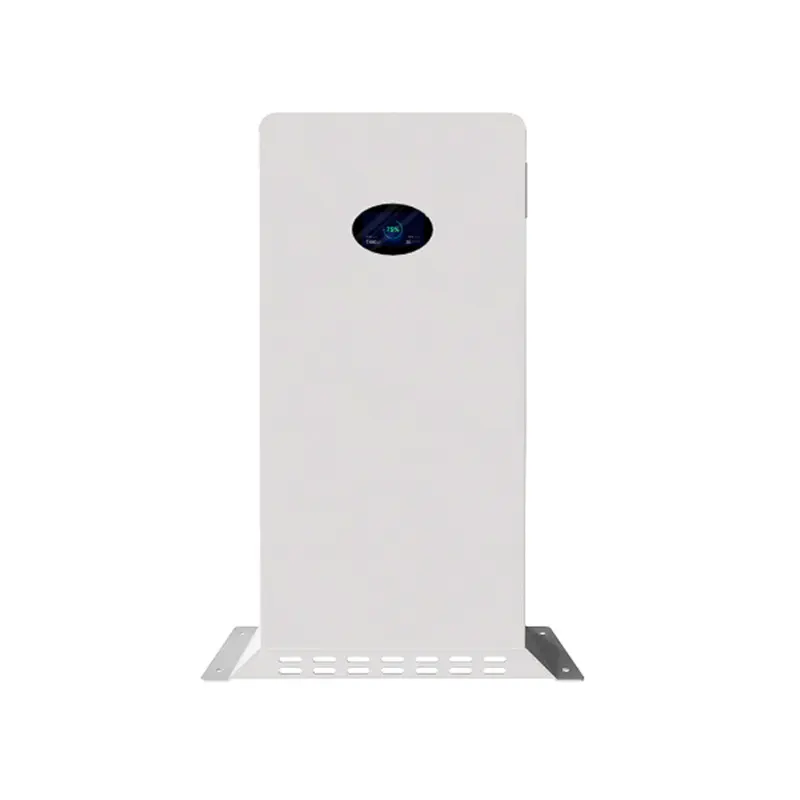
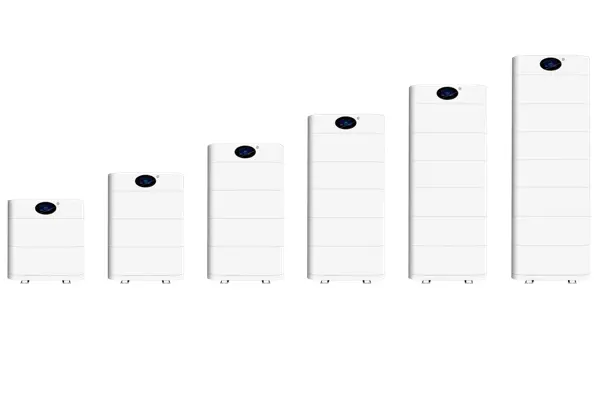
The integration of smart CAN/RS485 communication protocols in systems like the Elemro WHLV 10kWh Battery ensures compatibility with leading hybrid inverters. This provides real-time data monitoring via proprietary mobile applications.
Highly requested products built with premium materials, smart controls, and certified security architectures.
Calculating the true yield of a 10kW solar system with storage requires understanding the Levelized Cost of Storage (LCOS). This formula calculates the cost per stored kilowatt-hour over the life of the battery. Modern LiFePO4 batteries from ELEMRO support over 6,000 cycles at 80% Depth of Discharge (DoD), ensuring long-term operational viability.
Levelized Cost of Storage (LCOS) Formula:
LCOS = (Initial Battery Cost + O&M Cost) / (Total Usable Storage Capacity over Lifetime × Round-trip Efficiency)
For an Elemro 10kWh battery purchased at a manufacturer-direct price of $3,500 with a 90% round-trip efficiency over 6,000 cycles, the LCOS drops to approximately $0.07 - $0.09 per kWh. In areas where peak grid tariffs reach $0.35 per kWh, this enables significant cost savings through off-peak charging and peak-discharge strategies.
Partner directly with Xiamen's leading engineering team. We offer customized design configurations, complete Tier-1 technical documentation, and competitive OEM/ODM wholesale pricing.
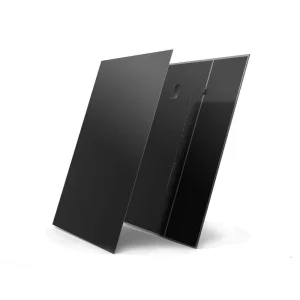
Urban commercial installations require clean energy integration that maximizes limited space. Building Integrated Photovoltaics (BIPV) using Cadmium Telluride (CdTe) thin-film solar glass allows developers to transform standard facades and windows into active power generators.
CdTe thin-film panels perform exceptionally well in low-light conditions, under diffuse sunlight, and at high angles of incidence, outperforming standard silicon modules on vertical walls. By combining these building facades with commercial solar carports and a central 10kW battery storage cabinet, businesses can generate clean energy on-site without consuming valuable horizontal space.
Looking ahead, the energy storage sector is moving toward software-defined power grids. The integration of Artificial Intelligence (AI) in Energy Management Systems (EMS) allows batteries to dynamically predict charging patterns based on weather forecasts and historical consumption data.
Furthermore, the development of Vehicle-to-Home (V2H) and Vehicle-to-Grid (V2G) interfaces will turn electric vehicles into active backup power sources. ELEMRO's modular architectures are designed to integrate with these technologies, protecting current capital investments from premature technical obsolescence.
Expert insights answering key technical and economic questions regarding high-efficiency system configurations.
Stay updated with our latest project deployments, technical breakthroughs, and industry event participations.
Premium energy storage components manufactured to strict international quality standards for diverse application scenarios.





 Elemro Energy