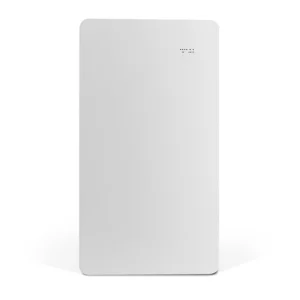
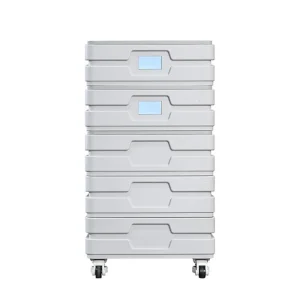
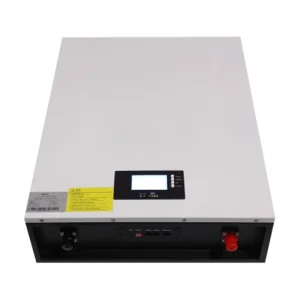
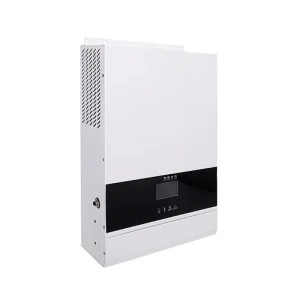
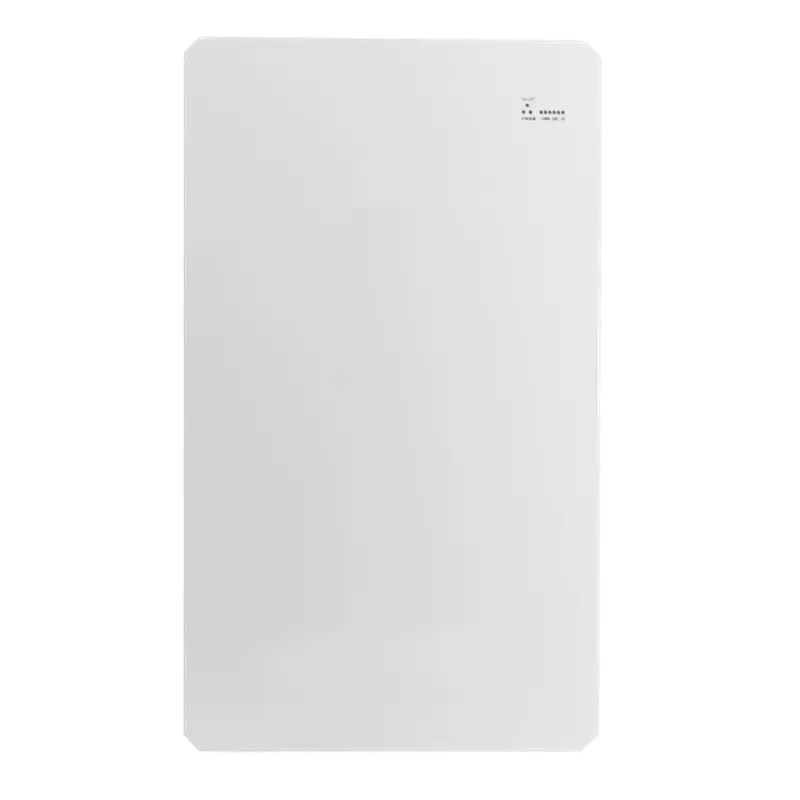
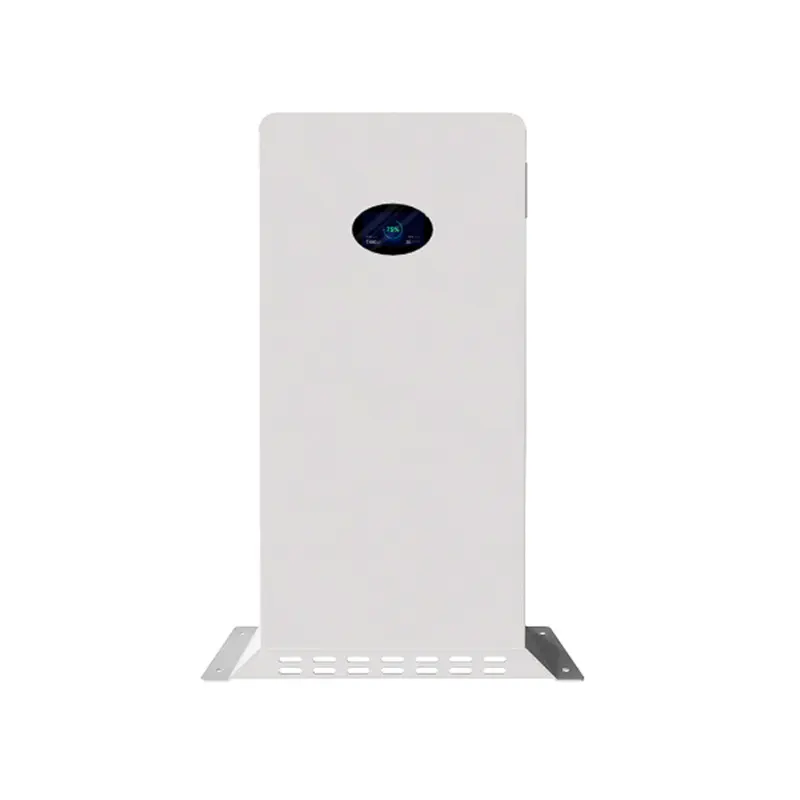
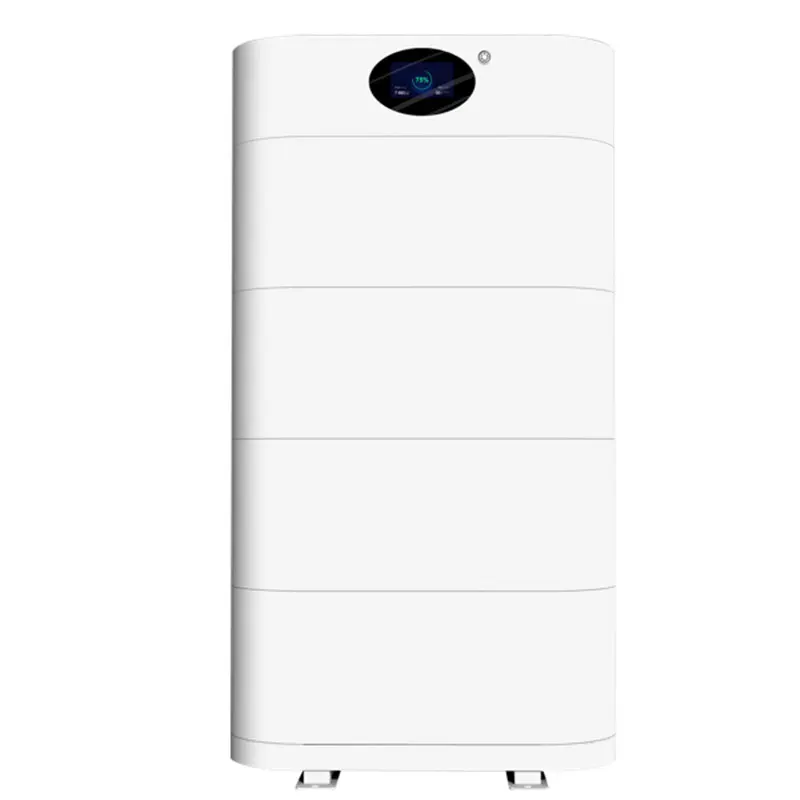
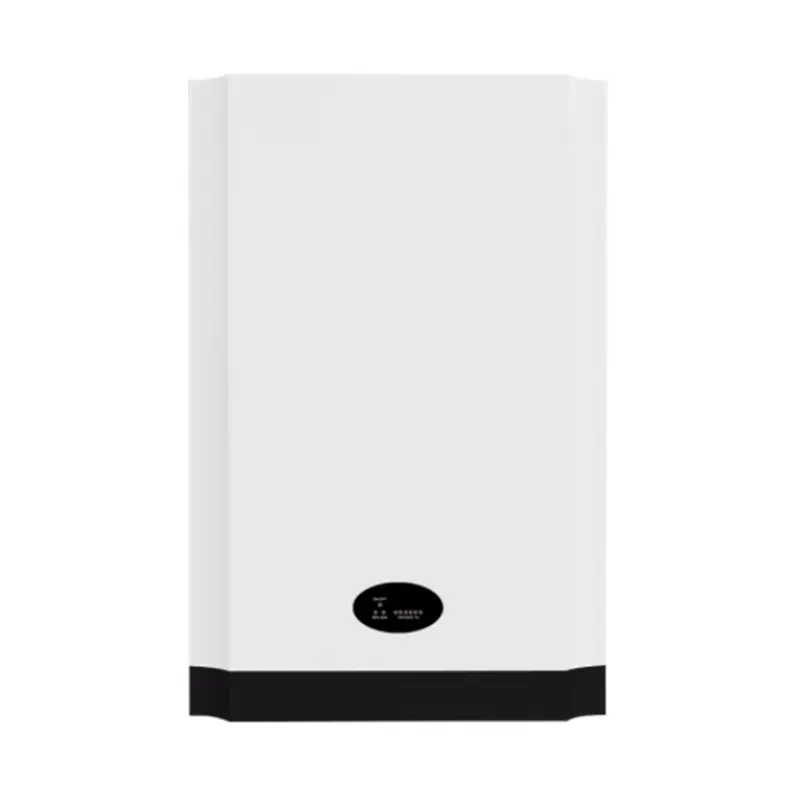
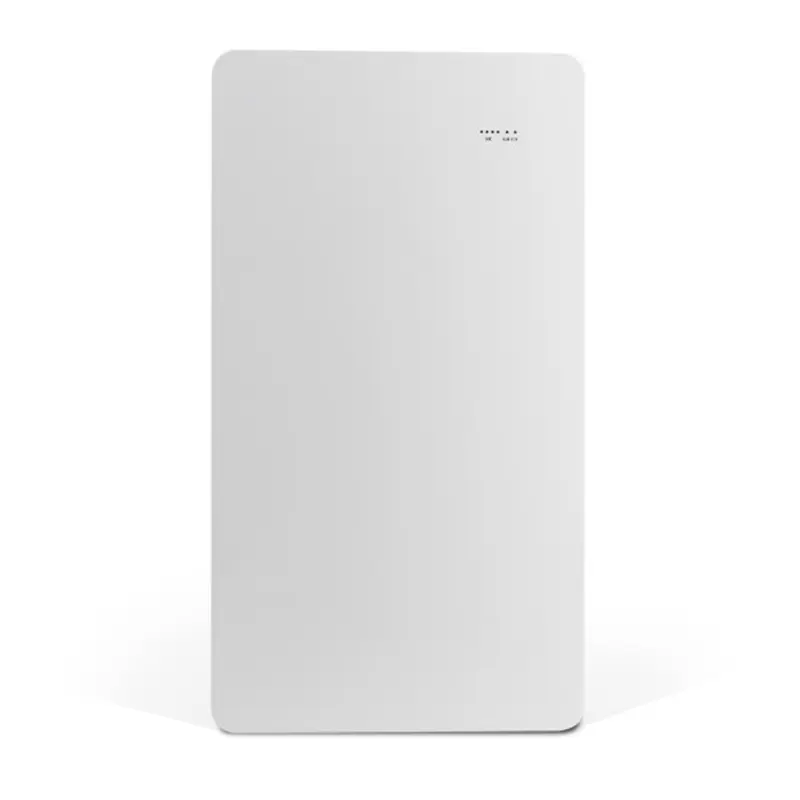
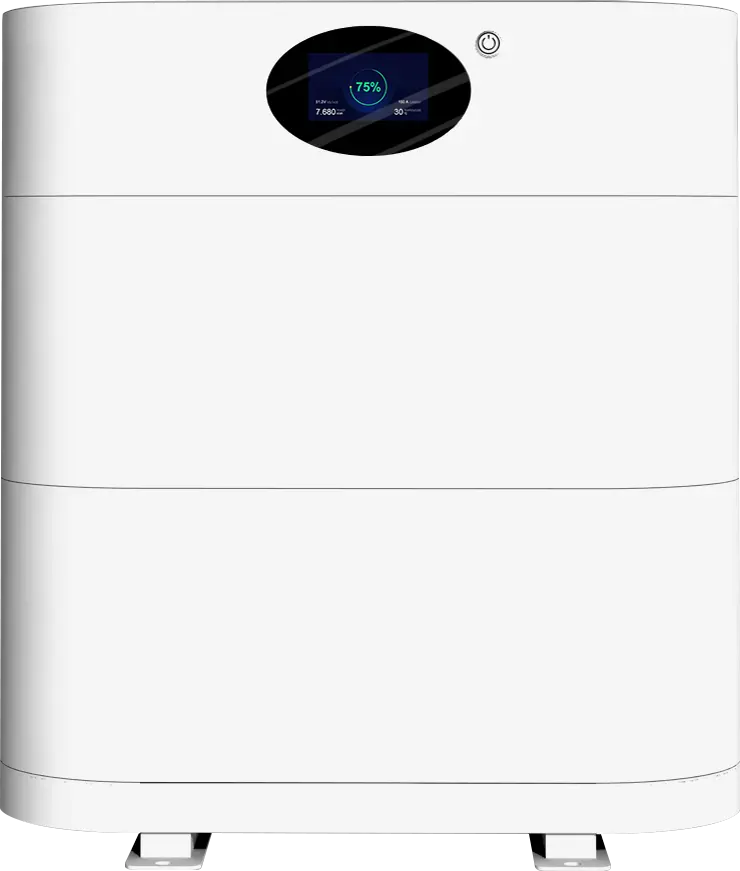
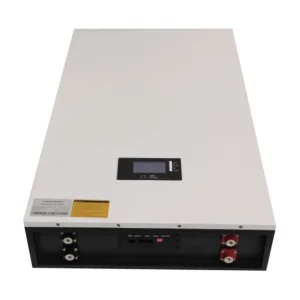
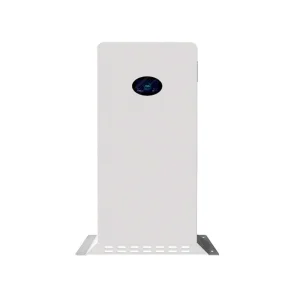
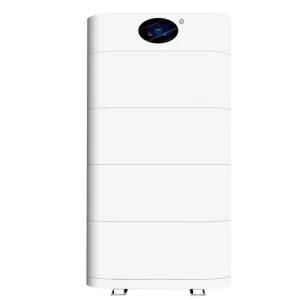
Discover our top-tier solar backup systems, high-voltage battery storage, and modular stackable units engineered for maximum safety and performance.
Established in 2019 and headquartered in the high-tech hub of Xiamen, China, ELEMRO Energy has emerged as an authoritative global market leader in new energy storage and electrical product integration. By unifying cutting-edge R&D, advanced production standards, and dynamic sales pipelines, ELEMRO stands at the forefront of the global transition to localized residential and commercial grid parity.
Our solutions have been deployed by over 250 strategic B2B customers spanning Europe, Southeast Asia, Africa, the Middle East, and the Americas. ELEMRO's annual turnover is expected to exceed 50 million USD in 2023, exhibiting strong year-on-year financial growth and supply chain resilience that secures project stability for international procurement managers.
About Us & Our FactoryWe provide cleaner energy for a greener world by solving grid volatility, lowering home utility bills, and maximizing self-consumption metrics through Tier-1 cell chemistries and intelligent BMS architecture.
Integrating architectural photovoltaics, residential microgrids, and containerized distribution networks.
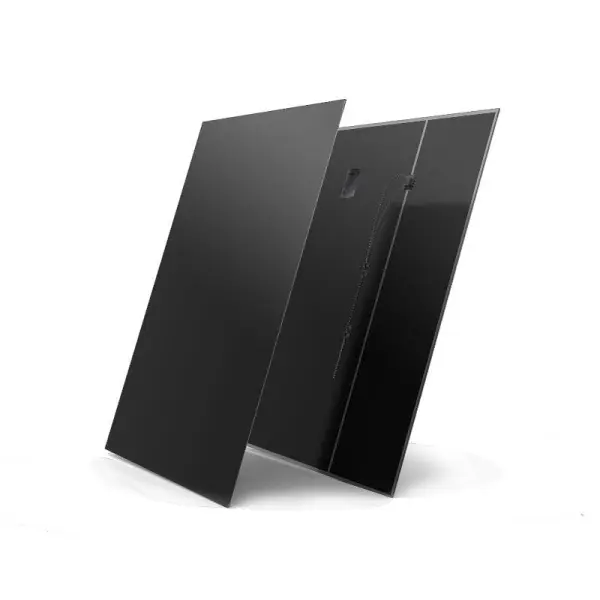
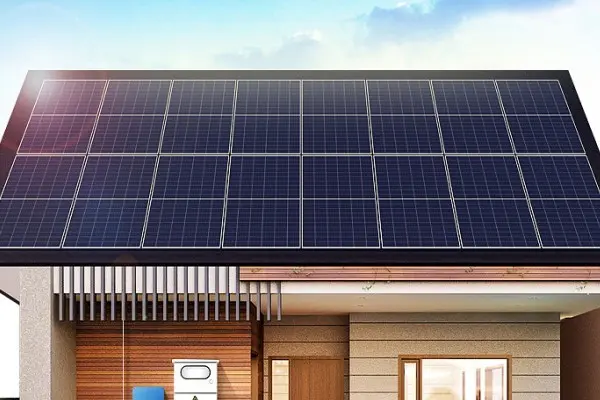
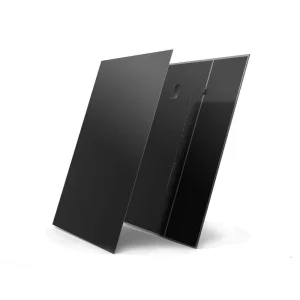
Optimized photovoltaic structural glass designed to blend seamless exterior building aesthetics with robust clean electricity yield.
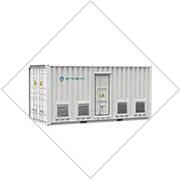
High-voltage utility scale and commercial/industrial containerized systems tailored for dynamic load-shifting and localized backup.
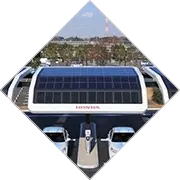
Modular, highly engineered structures combining structural shading and direct solar EV charging capabilities for smart residential systems.
Start a green and convenient life with Elemro Energy. Premium, selected components for global integration.
In the transition toward absolute decarbonization and local energy self-reliance, the deployment of modular residential Energy Storage Systems (ESS) has evolved from an optional environmental choice into a critical infrastructural asset. This comprehensive industry whitepaper examines the technological directions, market dynamics, and manufacturing priorities that define the next generation of battery storage systems for home applications.
The landscape of residential energy storage is undergoing structural transformations powered by technological innovation, subsidy restructuring, and escalating grid instability. The market is shifting systematically in several key directions:
For B2B procurement professionals, system integrators, and engineering, procurement, and construction (EPC) contractors, selecting a battery storage manufacturing partner requires strict due diligence. The primary criteria include:
The modern energy challenge cannot be solved with a single product category. Systemic solutions must span across various application profiles:
These macro solutions utilize smart energy management systems (EMS) to execute automated load shifting, demand charge management, and peak-shaving, ensuring maximum return on investment (ROI) for end-users across all utility tariff schemes.
The primary barrier to international deployment of energy storage systems is compliance with local grid codes and safety certifications. A manufacturer must provide a comprehensive regulatory portfolio:
The future of residential storage lies in increased density, software optimization, and safety controls:
Our long-term product roadmap focuses on developing advanced solid-state LFP options and integrating artificial intelligence into battery management systems. Artificial intelligence algorithms analyze user behavior patterns and local weather forecasts to predict optimal charge/discharge profiles, maximizing savings and battery health.
Detailed technical guidance on home battery storage selection, installation, and integration.
Low-voltage systems (usually 48V) are highly modular, safer for self-installers to handle, and have been the residential standard. High-voltage systems (150V-400V+) offer higher overall round-trip efficiency, less wiring loss, and faster dynamic power delivery. High-voltage configurations are ideal for larger loads and integrations with modern high-efficiency hybrid inverters.
Lithium Iron Phosphate (LiFePO4 or LFP) offers superior thermal runaway safety, which is critical for indoor residential installations. LFP also offers up to 6,000+ full charge/discharge cycles at 80% Depth of Discharge, whereas NMC batteries typical cycle life ranges from 1,000 to 2,000 cycles before significant capacity degradation occurs.
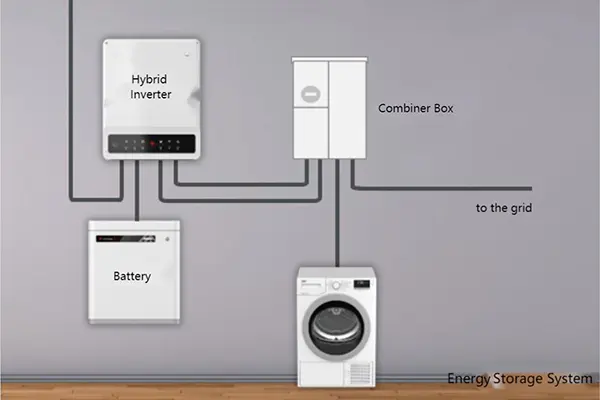
Yes. Our systems support both AC-coupled and DC-coupled configurations. Through AC coupling, our battery systems can be integrated with existing PV systems that use microinverters or string inverters, requiring minimal changes to the existing solar array.
Our home batteries are manufactured under strict quality management systems and are certified to meet major international standards including IEC 62619, CE, UN38.3, and regulatory safety guidelines required in European, American, and Asia-Pacific markets.
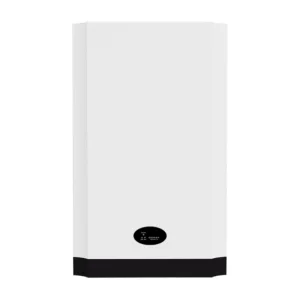
The Elemro SHELL 14.3kWh uses high-grade LFP cells that deliver over 6,000 cycles. Under normal usage profiles (1 cycle per day), the battery has an operational life expectancy of 15 years or more before capacity drops to 70% of its initial rating.
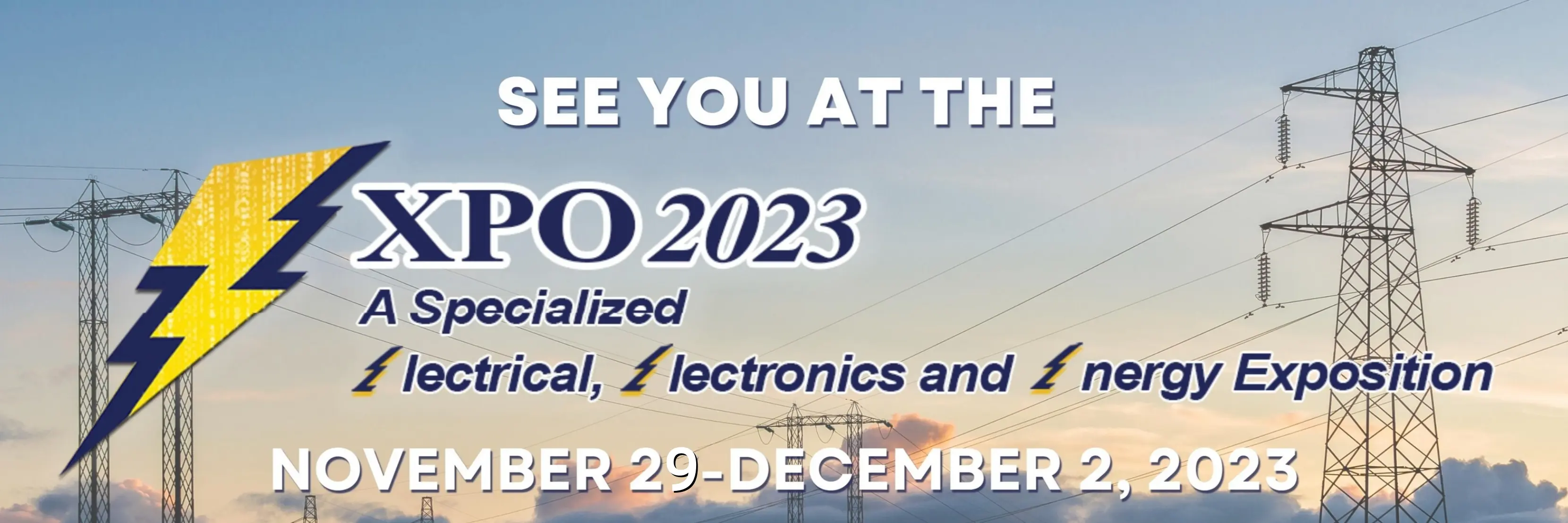
Stay updated with our latest industry insights, technical interpretations, and global exhibitions.
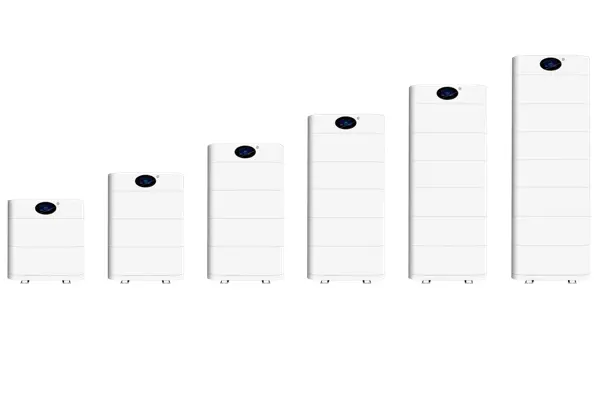
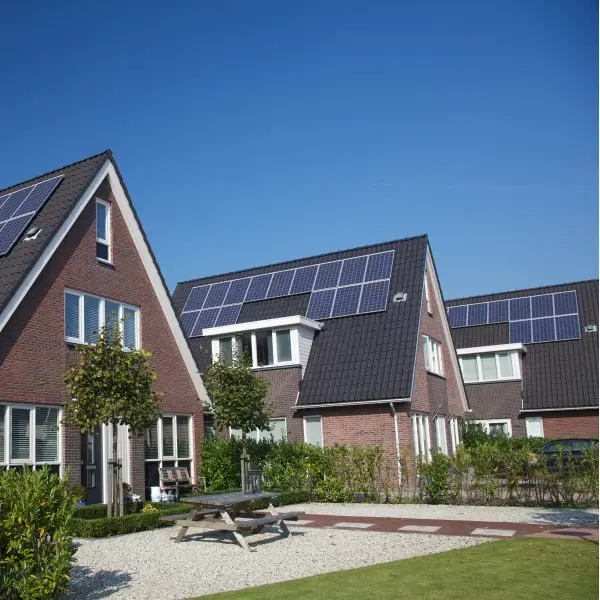
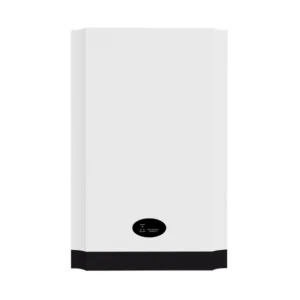
Explore our high-voltage energy storage, wall-mounted setups, and specialized solar power configurations.





 Elemro Energy