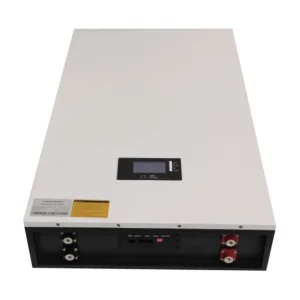
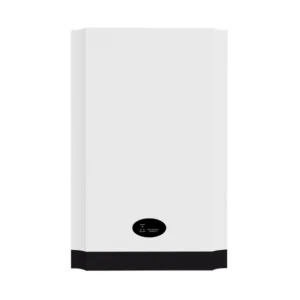
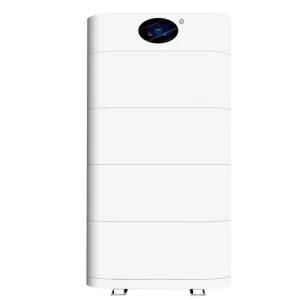
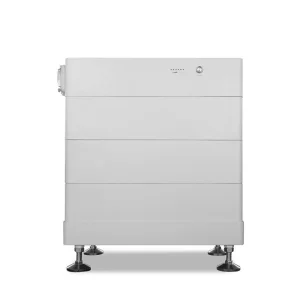
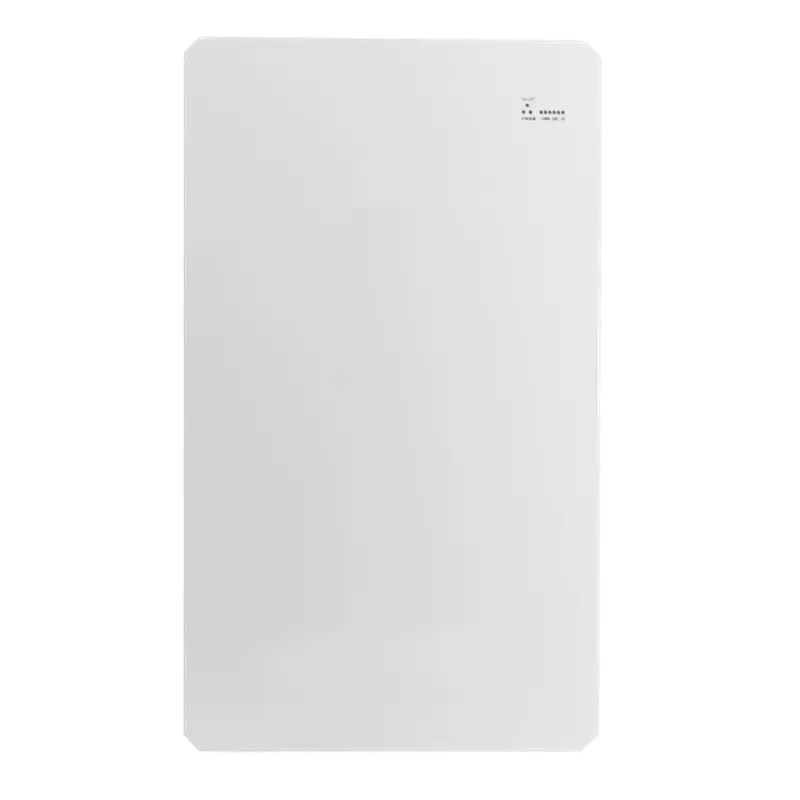
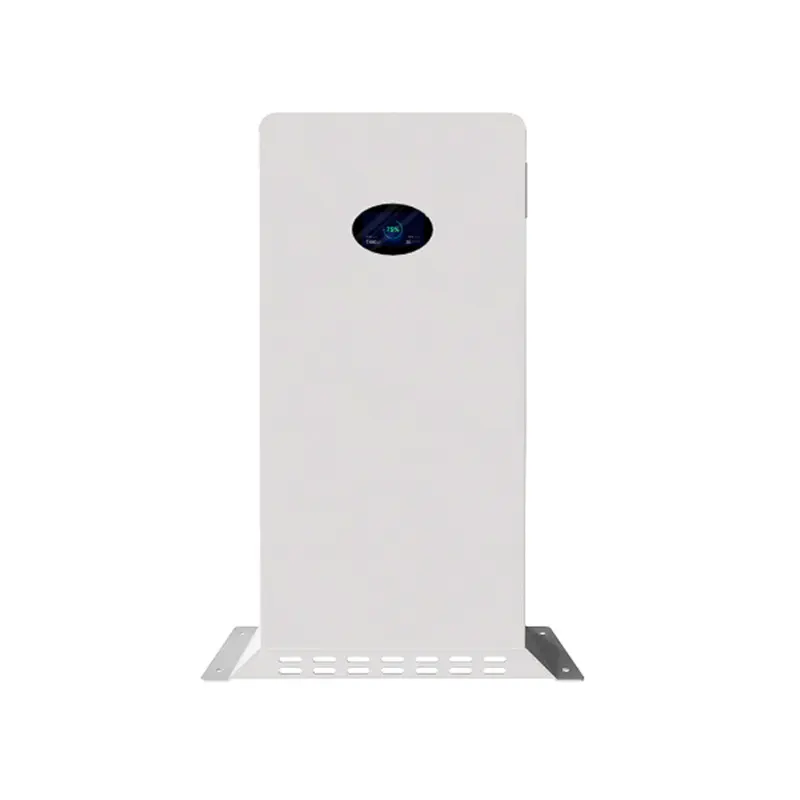
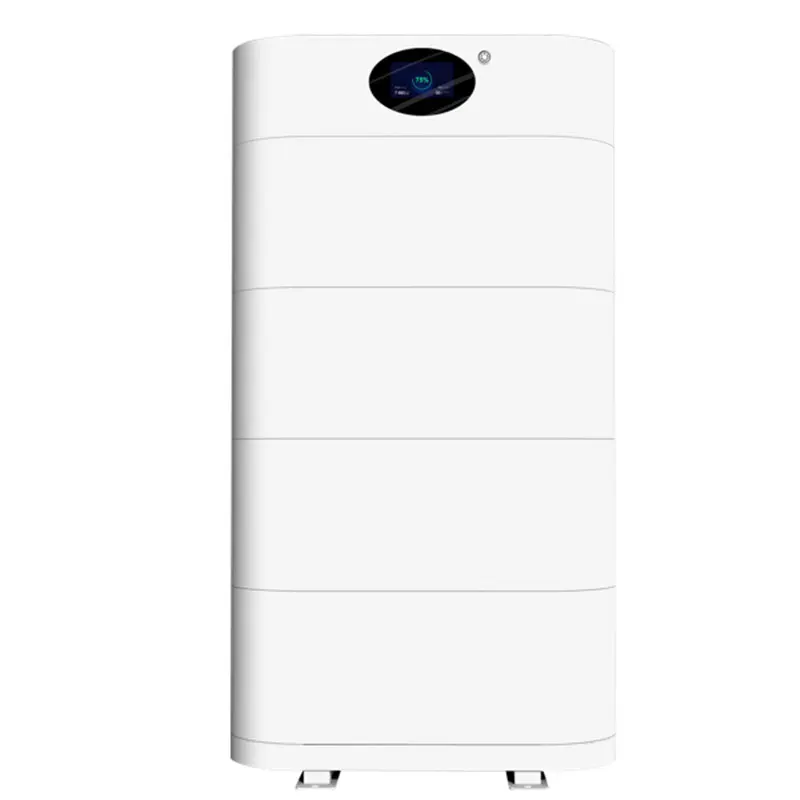
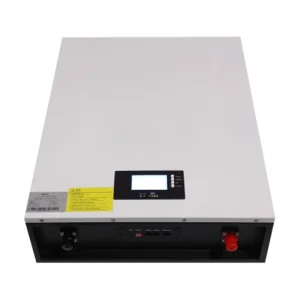
Explore our high-performance solar battery energy storage components, manufactured under stringent ISO quality controls.
Headquartered in Xiamen, China, Elemro Energy has specialized in new energy storage and electrical product solutions with rich industry experience. As a vertical market leader in the new energy sector, we integrate advanced R&D, state-of-the-art production pipelines, and multi-channel global sales.
Our products have successfully powered operations for more than 250 enterprise clients spanning Europe, Southeast Asia, Africa, the Middle East, and the Americas. Since our inception, ELEMRO's annual revenues have expanded at an exponential rate, with turnover in fiscal year 2023 exceeding USD 50 Million.
Learn More About UsWe provide cleaner, highly responsive energy infrastructure solutions to support global decarbonization targets.

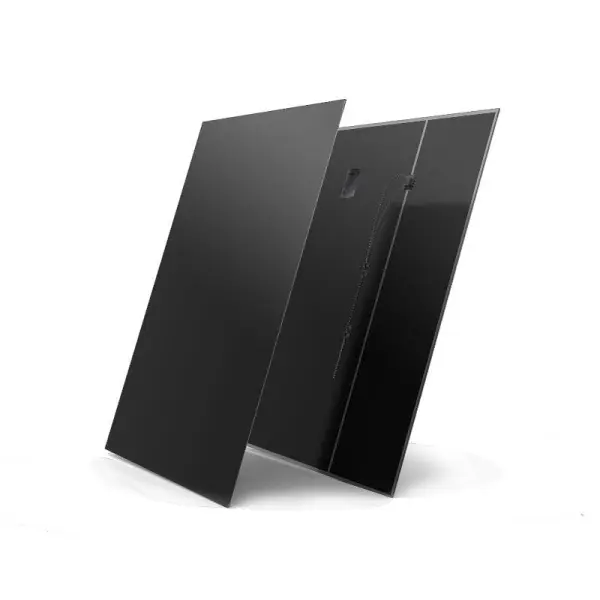
High-transmittance photovoltaic glass customized for building-integrated photovoltaics (BIPV) and large-scale industrial utility modules, ensuring durable structural integrity.
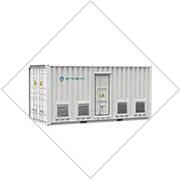
Modularized utility-scale megawatt container systems integrated with liquid cooling thermal management, dynamic fire suppression, and intelligent EMS software architectures.
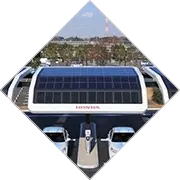
Structurally robust structural steel framing systems customized for parking structures, converting sunlight into local grids to power fleet operations.
Next-Generation Power Conditioning Systems (PCS): Sourcing, Integration, and Market Trends
The rapid transition toward decentralized energy networks has pushed battery storage inverters (also known as Power Conditioning Systems or PCS) to the forefront of modern electrical design. Previously, grid tied solar inverters acted simply as unidirectional feed-in points. Modern battery storage inverters must coordinate bidirectional energy flows, manage battery state-of-health, respond dynamically to transient grid fluctuations, and guarantee grid stability.
Technologically, the industry is witnessing a clear shift toward wide-bandgap semiconductors like Silicon Carbide (SiC). Compared to traditional Silicon IGBTs, SiC-based power units reduce switching losses by up to 60%, permitting higher switching frequencies. This optimization shrinks the footprint of passive magnetic components (transformers and inductors), improving overall efficiency to over 98.8%.
For industrial engineering procurement construction (EPC) companies, importing energy components requires strict adherence to localized compliance certificates. Power electronics designed for Europe must comply with EN 50549-1/2, whereas North American deployments demand strict compliance with UL 1741 SB and IEEE 1547-2018 interconnection rules.
Furthermore, high-capacity battery systems require dual compatibility across low-voltage (48V nominal) and high-voltage (typically 600V to 1500V DC) architectures. Selecting high-voltage configurations limits circuit currents, mitigating copper cable losses and driving down BoS (Balance of System) expenditure. Communication layer protocols, particularly Modbus TCP/IP, CAN bus, and IEC 61850, are mandatory to guarantee seamless interoperability between local Battery Management Systems (BMS) and overarching Energy Management Systems (EMS).
China's advanced manufacturing capabilities have developed into a fully consolidated, highly optimized production ecosystem. In regions like Xiamen, the proximity of raw raw-material suppliers, advanced semiconductor packaging facilities, high-grade magnetic core manufacturers, and lithium cell gigafactories ensures compressed production timelines.
Implementing Industry 4.0 standards, modern inverter manufacturing incorporates Automated Optical Inspection (AOI), dual-stage In-Circuit Testing (ICT), and thermal burn-in chambers under simulated high-load operation. This guarantees that finished components withstand extreme temperatures (-30°C to 60°C) and corrosive industrial environments, bringing the product return rate down to less than 0.15%.
In commercial and industrial (C&I) installations, peak-shaving and load-shifting operations are key factors in financial return on investment. High-performance hybrid inverters transition within milliseconds (often under 10ms) to bypass grid dropouts, functioning as an active uninterruptible power supply (UPS) for sensitive data centers or manufacturing lines.
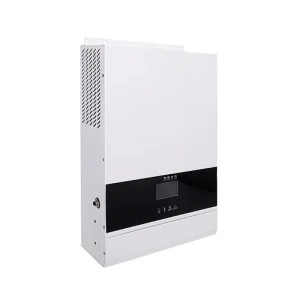
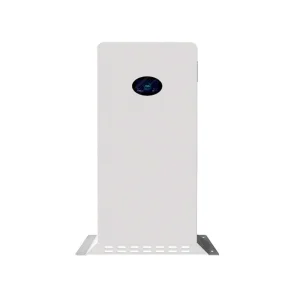
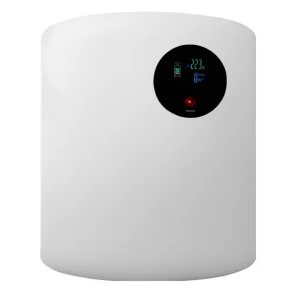
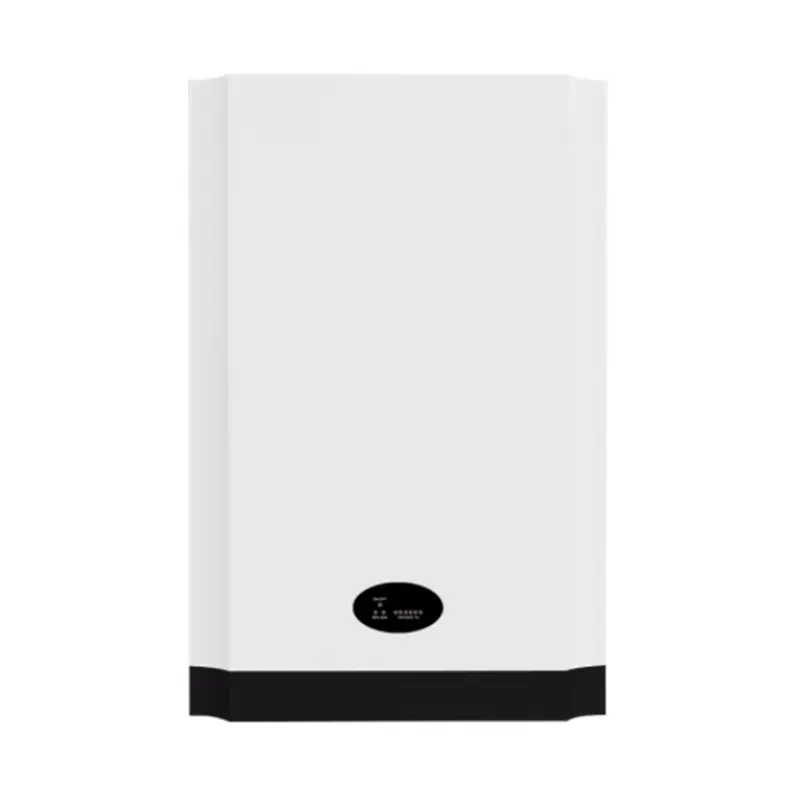
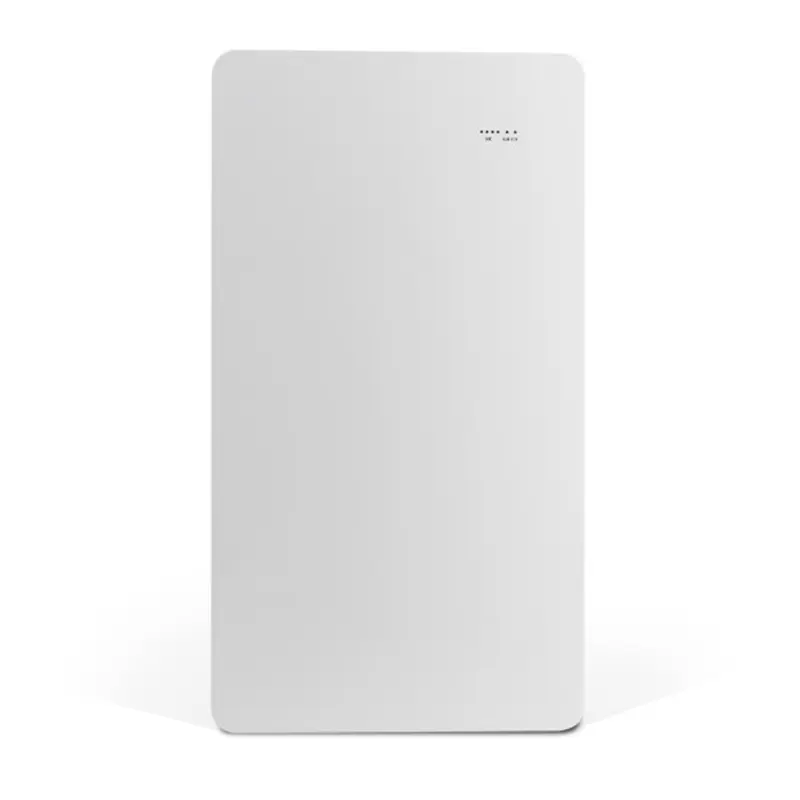
For residential microgrids, user demands focus on ease of installation and aesthetic integration. The shift toward stackable, wall-mounted, all-in-one architectures integrates the lithium-iron-phosphate (LiFePO4) storage blocks directly with hybrid inverters. This design simplifies wiring paths and minimizes local installation errors.
Custom-engineered hardware designed for microgrid configuration and commercial peak-shaving operations.
Stay informed with technical breakdowns, product releases, and exhibition announcements from ELEMRO Energy engineers.
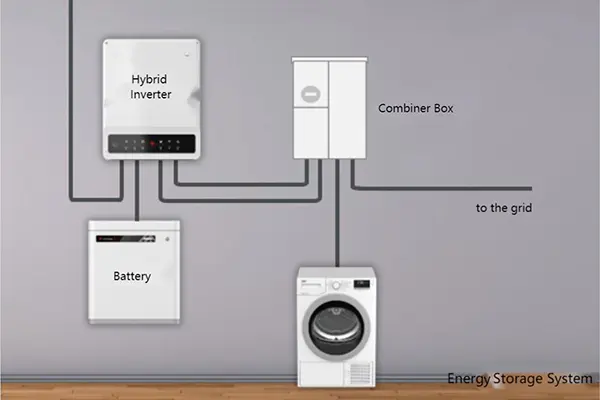
Exploring the core topologies, efficiency targets, and regulatory standards governing modern residential hybrid inverters.
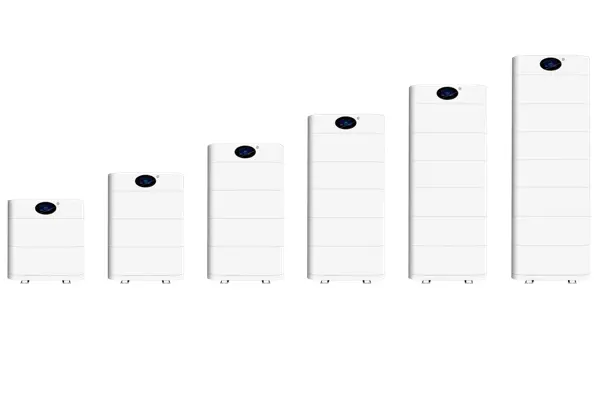
A comprehensive chemical comparison of LiFePO4 vs NCM cells, focusing on thermal stability, cycles, and energy density.
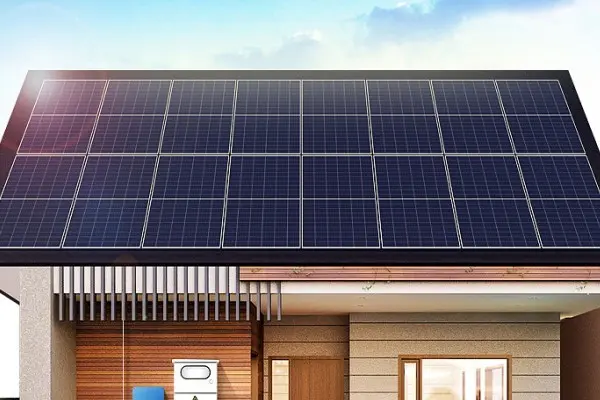
Analyzing operational profiles for peak shifting, microgrids, back-up solutions, and integration with local distribution networks.
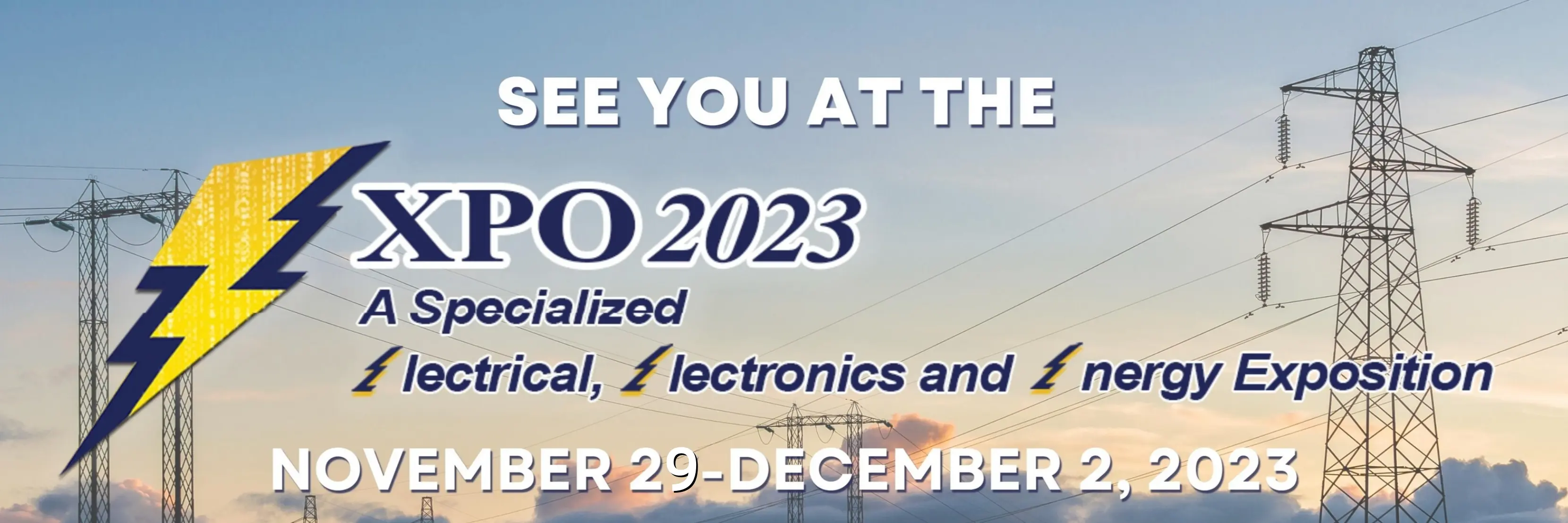
ELEMRO Energy showcased its latest high-voltage storage architectures at the Philippines premier infrastructure trade event.
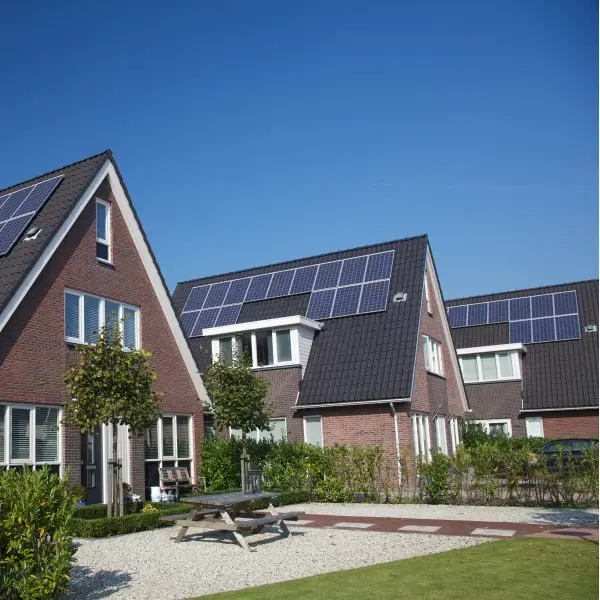
Optimizing yield configurations for ground-mounted arrays, residential rooftop structures, and solar greenhouse arrays.
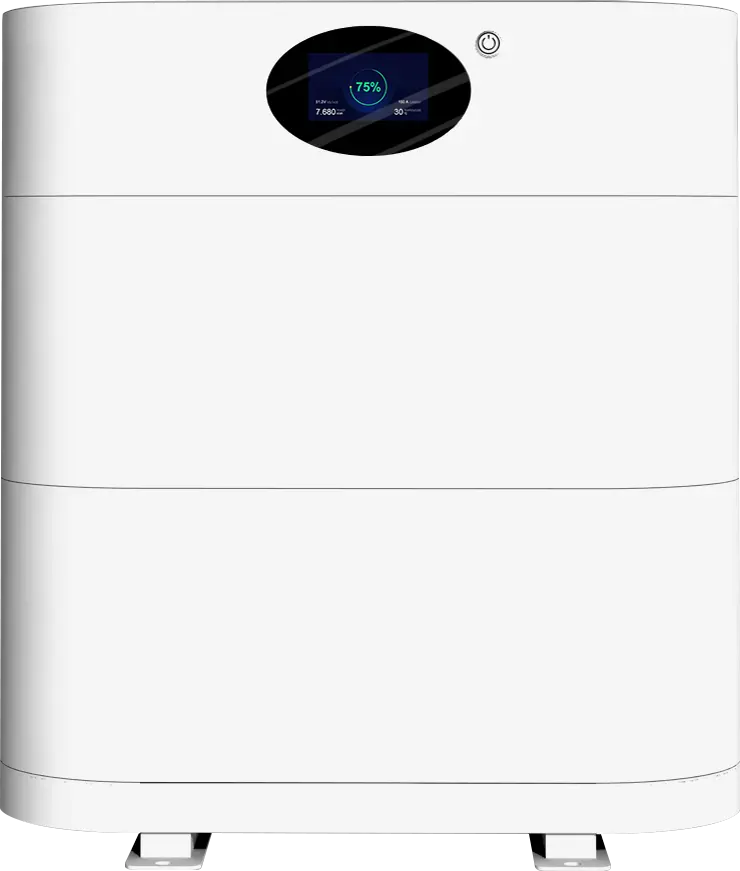
Deep dive into voltage curves, internal impedance, BMS safety shutoff limits, and life-cycle curves under 0.5C/1C load.
Direct technical answers from the ELEMRO engineering department resolving critical procurement concerns.
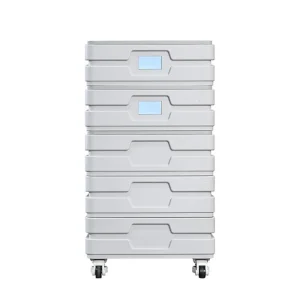
Explore our high-density battery architectures and modular stackable options.
For inquiries about our products or pricelist, please leave your email with us. Our technical sales team will contact you within 24 hours.





 Elemro Energy