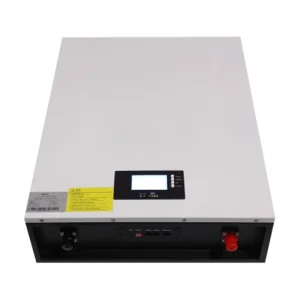
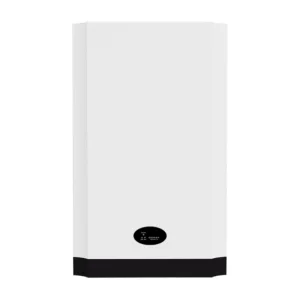
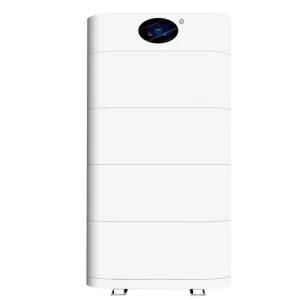
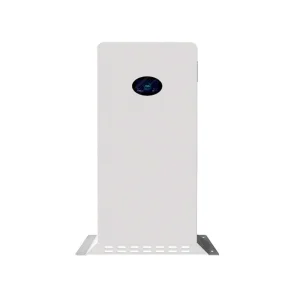
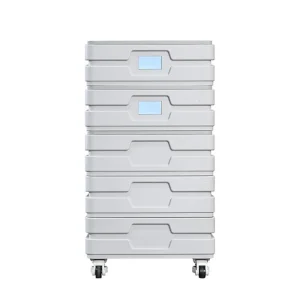
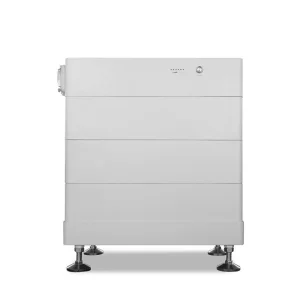
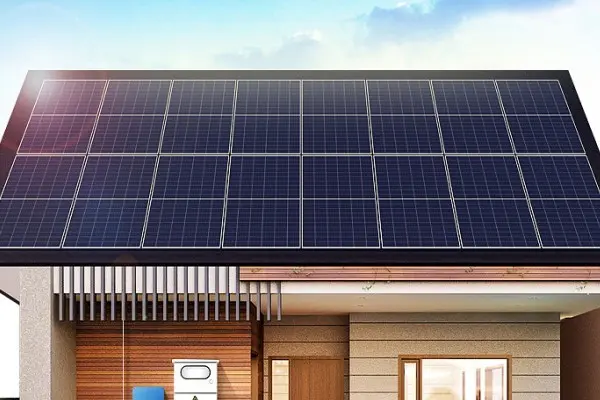
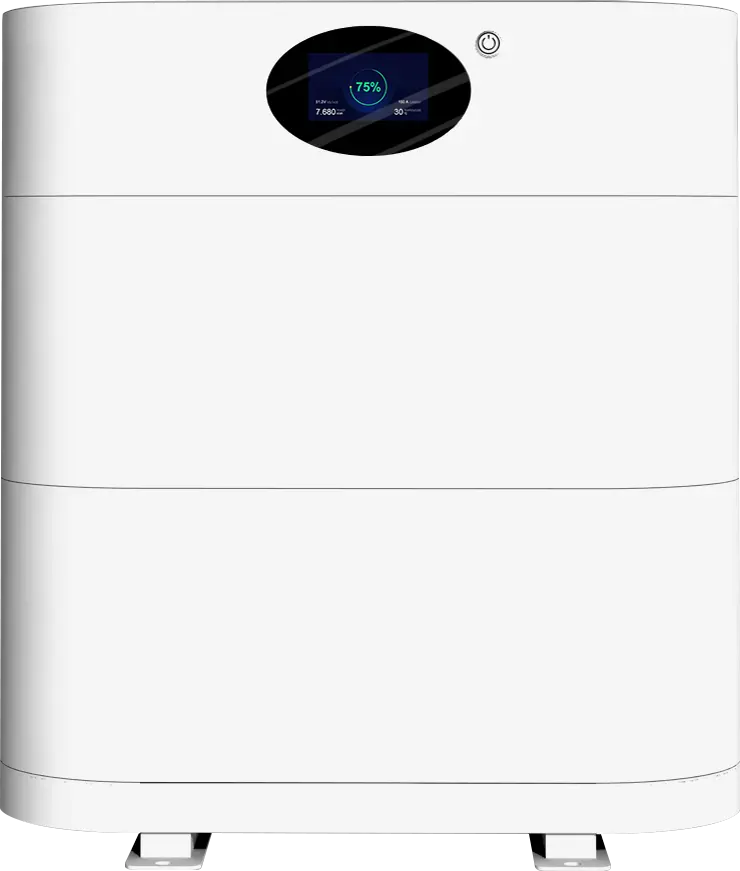
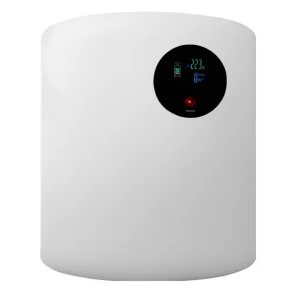
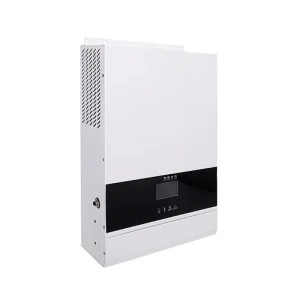
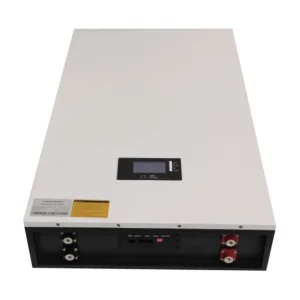
Premium energy storage hardware optimized for AC-coupled retrofit architectures and high-capacity battery networks.
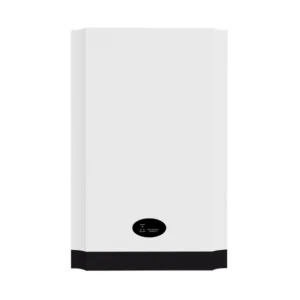
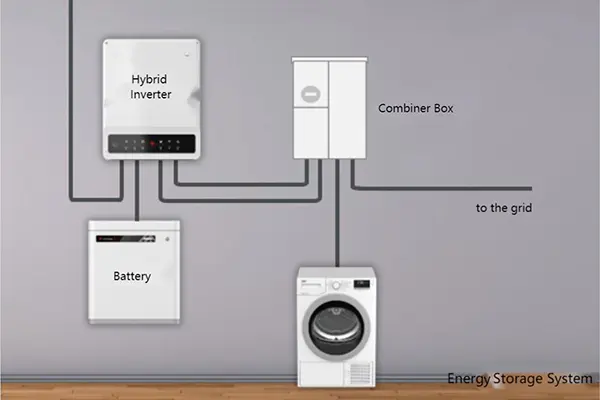
An AC-coupled hybrid inverter represents the pinnacle of modern decentralized grid design, providing the seamless integration of energy storage batteries into existing photovoltaic (PV) generation facilities. Unlike DC-coupled architectures, which mandate that both solar arrays and battery units share a single DC bus via charge controllers, AC-coupled systems establish an independent connection to the alternating current (AC) side of the electrical distribution infrastructure.
This decoupling offers unparalleled system flexibility, allowing installers and plant engineers to upgrade existing solar installations without rewiring or altering the primary PV inverter setup. By routing power through the AC bus, an AC-coupled hybrid inverter manages localized grid voltages, supports peak shaving strategies, and provides uninterrupted emergency backup power (UPS) when utility networks fail.
For B2B procurement managers and system integrators, selecting high-quality AC coupled hybrid inverters guarantees simplified compliance with strict grid interconnection regulations globally. The ease of retrofitting existing commercial arrays makes it a preferred choice for rapid decarbonization projects across Europe, North America, and the Asia-Pacific region.
1. Absolute Inverter Independence: Preserves the warranty and settings of the pre-installed grid-tied solar inverter.
2. Dispersed Physical Layout: Battery storage banks and hybrid inverters can be located far from the main PV array, optimizing safety and spatial utilization.
3. Simplified Commissioning: Minimal wiring adjustments minimize downtime for commercial entities and production plants during installations.
4. Optimized System Efficiency: Reduces round-trip conversion losses during direct daytime self-consumption paths.
Analyzing the macro-economic and technological shifts propelling the adoption of utility-scale and commercial hybrid inverters.
National grids are experiencing rising volatility due to intermittent renewable feeds. AC-coupled inverters serve as stabilization anchors, providing frequency droop control, reactive power support (VAR), and rapid power curtailment response to comply with modernized grid codes like EN 50549-1 and IEEE 1547.
To reduce transmission losses and optimize copper conductor sizing, the global market is shifting from low-voltage (48V) systems to stackable high-voltage (HV) battery systems (up to 800V DC). High-voltage battery systems interface directly with hybrid inverters to deliver massive surge currents for heavy machinery starts.
Modern hybrid inverters are no longer standalone conversion units; they are digital nodes integrated into Virtual Power Plants (VPP). Utilizing cloud computing and AI algorithms, they dynamically forecast generation profiles, optimize charging parameters based on real-time spot pricing, and export power during peak grid tariff windows.
For procurement directors evaluating large-scale deployment strategies, understanding the systemic efficiencies and functional bounds of AC vs. DC-coupled systems is paramount. The table below represents a rigorous comparison across key electrical and deployment vectors.
| Evaluation Parameter | AC-Coupled Hybrid Architecture | DC-Coupled Storage Architecture |
|---|---|---|
| Retrofitting Feasibility | Highly recommended; zero modifications needed on existing grid-tied PV inverters. | Difficult; requires replacement of existing PV inverters or complex string rewiring. |
| System Round-Trip Efficiency | ~95-97% during direct PV-to-Load use. Double conversion loss (AC-DC-AC) occurs only during battery storage operations. | ~97-98% when charging batteries directly from PV. Extra conversion loss occurs when supplying AC loads from battery. |
| Failure Propagation Risk | Isolated failure loops. If the hybrid inverter fails, the solar array continues exporting power to the grid. | High vulnerability; a central charge controller or DC-bus fault can disable the entire generation and storage system. |
| Design Flexbility | Allows asymmetrical scaling of solar generation and battery capacities across geographically separated yards. | Limited by charge controller voltage limits and DC cable distance constraints. |
| Black-Start & Off-Grid Capacity | Requires advanced grid-forming firmware to simulate a grid reference signal for solar inverters during outages. | Native capability; battery system controls the internal DC-bus directly to power local loads. |
ELEMRO Energy: Leading the global energy transition with cutting-edge electrical and storage solutions.

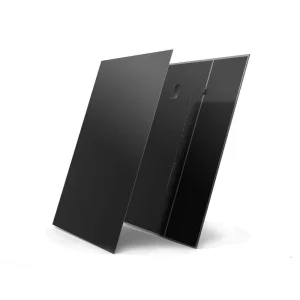
Optimized BIPV photovoltaic glazing designed for commercial facades and greenhouse installations, combining aesthetic integration with high-efficiency energy harvesting.
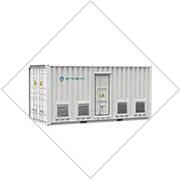
Megawatt-hour (MWh) scale containerized ESS featuring integrated liquid-cooling thermal management systems, fire suppression, and smart bi-directional EMS.
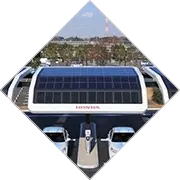
Turnkey steel-structure solar carports combining high-durability framing with EV charging interfaces and battery storage buffering capacity.
Established in 2019, headquartered in Xiamen, China, ELEMRO Energy has specialized in new energy storage and electrical product solutions with rich industry experience. We are a market leader in the new energy sector, unifying R&D, manufacturing, and international sales. Our products have been successfully deployed to more than 250 enterprise customers across Europe, Southeast Asia, Africa, the Middle East, and the Americas.
Since our establishment, ELEMRO's revenue has grown rapidly every year. Our annual turnover is expected to exceed 50 million USD in year 2023. Our commitment to strict material selection, robust electrical designs, and comprehensive technical support ensures that our global partners receive highly reliable energy components built for decades of service.
Deploying AC-coupled systems across critical infrastructure and industrial operations.
For industrial parks with pre-installed grid-tied solar systems under dynamic tariff schemes, an AC-coupled hybrid inverter introduces zero-downtime energy storage integration. The system captures midday excess solar generation, storing it within battery blocks like the High-voltage storage LiFePo4 battery with stackable design, and discharges it during peak electricity rate intervals to maximize operational savings.
BIPV designs utilize architectural facades like our Cadmium Tellurium Thin Film Solar Cells to generate power dynamically. Connecting these solar cells to the building's localized AC distribution board via AC-coupled inverters creates an energy-neutral structure. The hybrid inverter balances building internal consumption, battery storage buffers, and public grid feeds to achieve net-zero building certification.
Safety Inspections: Certified under IEC 62109-1/-2, UL 1741, and EN 62109 to guarantee maximum thermal safety and circuit isolation.
Grid Code Compliance: Supports regional grid standards, including European VDE-AR-N 4105, British G99, Italian CEI 0-21, and Australian AS4777.2.
Battery Integration Compatibility: Fully compatible with tier-1 battery technologies utilizing CAN/RS485 modbus communications.
Global procurement requires strict adherence to localized electrical codes and prompt engineering support. ELEMRO Energy ensures that all hybrid inverters and stackable battery products undergo rigorous testing at certified third-party testing centers, matching the specific frequency and electrical criteria of targeted deployment countries.
Furthermore, our localized engineering support services include pre-sales electrical diagram designs, remote commissioning, and swift replacement parts logistical routing to guarantee long-term system uptime. Our regional partners receive specialized technical training to streamline local installation, operation, and maintenance (O&M) processes.
Stay informed with the latest technological analysis and event invitations from ELEMRO Energy's engineering team.
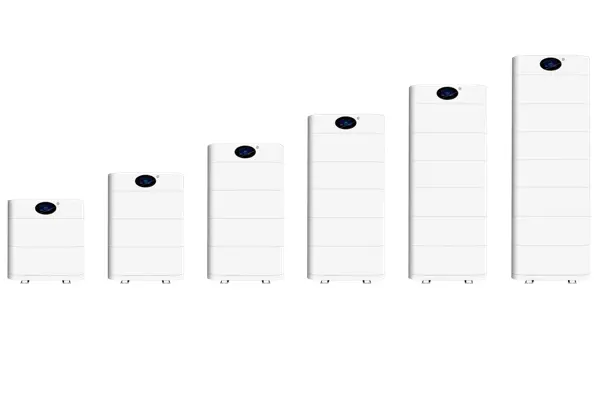
Jul 07, 2023
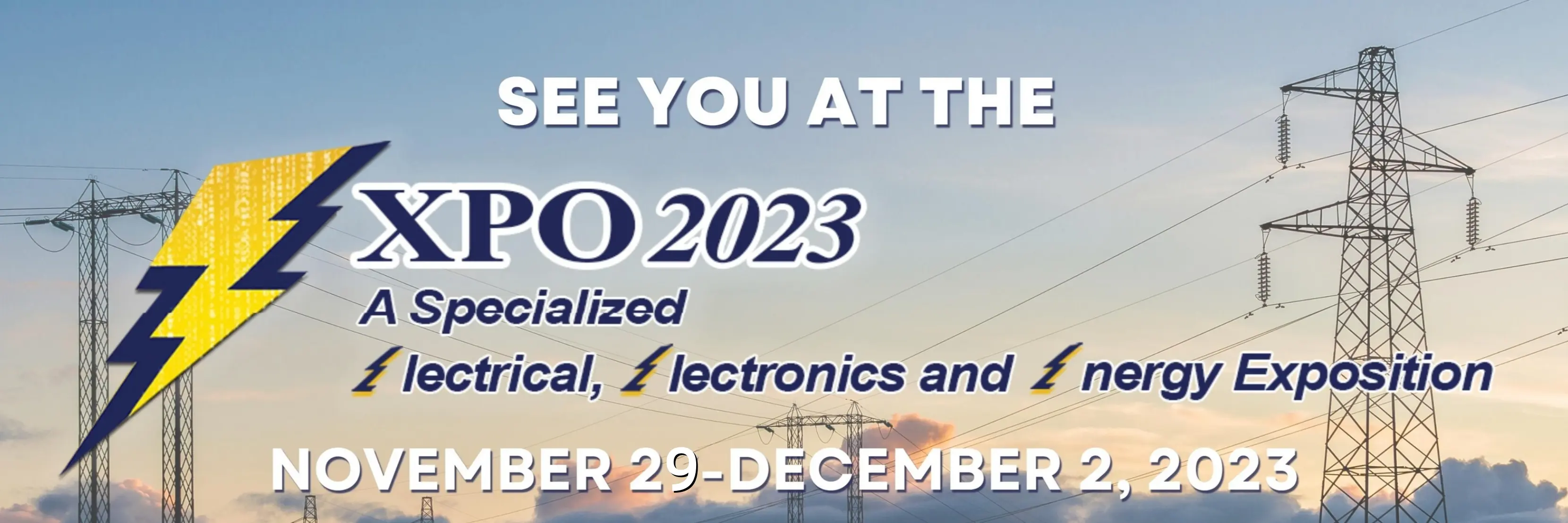
Nov 26, 2023
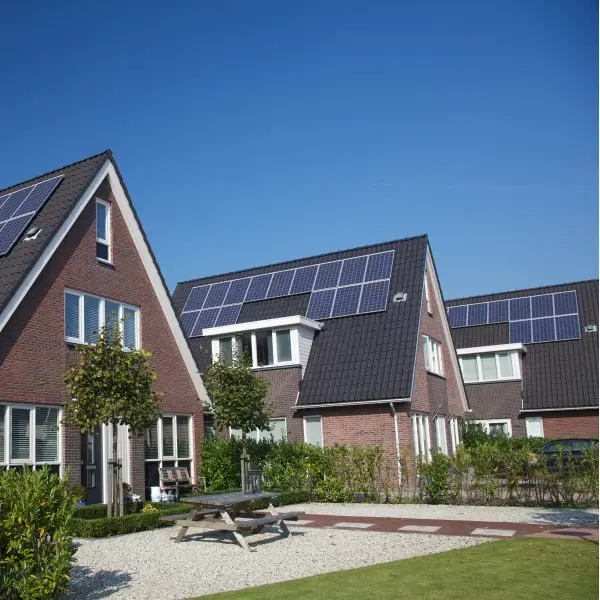
Nov 10, 2023
Direct technical answers addressing complex integration questions from power engineers and global procurement leads.
Premium components designed to integrate with hybrid inverter networks for industrial and residential applications.





 Elemro Energy