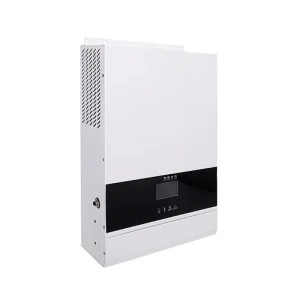
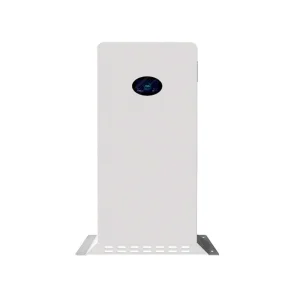
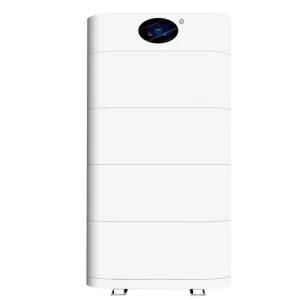
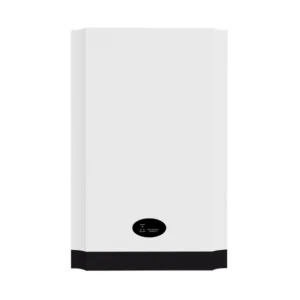
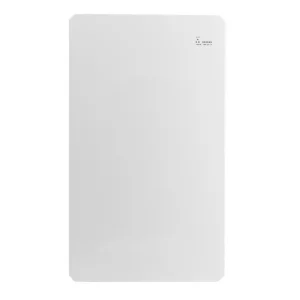
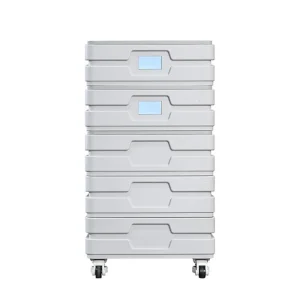
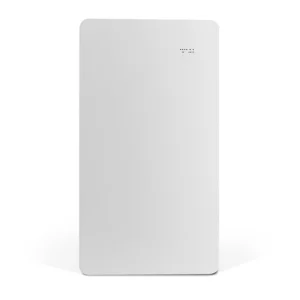
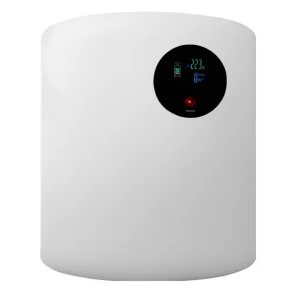
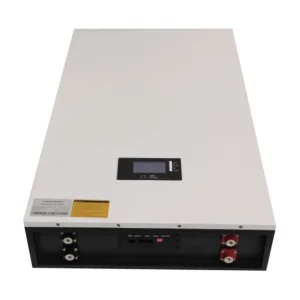
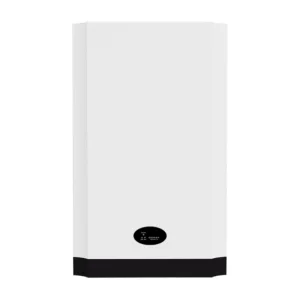
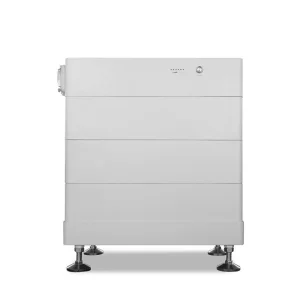
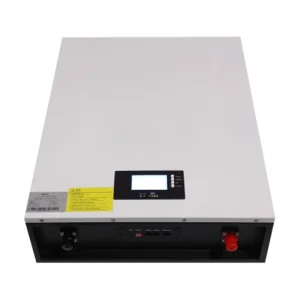
Explore our flagship lithium batteries and high-voltage storage solutions engineered for maximum density and safety.
In the rapidly evolving global transition toward decentralized renewable energy, the 8kW battery storage system has emerged as the definitive "sweet spot" infrastructure. Tailored to bridge the gap between heavy-duty residential usage and light commercial demands, these configurations offer the ideal power ceiling to handle high-surge loads while preserving cell longevity. Selecting a reliable manufacturer and factory for these high-precision systems requires a meticulous understanding of modern chemical, electrical, and mechanical parameters.
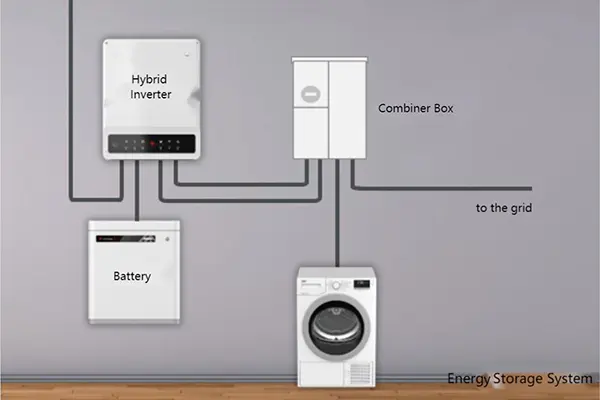
An 8kW system is not merely defined by its nominal peak power output; it requires a sophisticated coordination of continuous output capacity, transient surge ratings (often up to 16kVA for motor starts), and high-capacity battery packs typically ranging from 10kWh to 30kWh. By establishing robust coupling topologies (either AC or DC), these systems ensure clean energy distribution, micro-millisecond grid transitions, and active mitigation of local grid anomalies.
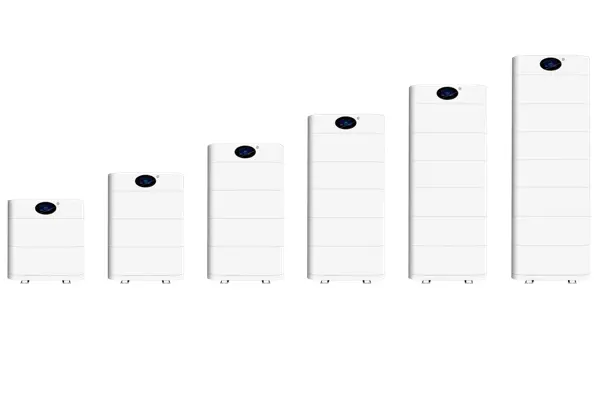
Industry telemetry indicates a massive transition from traditional 48V Low-Voltage (LV) architectures to High-Voltage (HV) stacked solutions (ranging from 150V to 400V+). High-voltage configurations reduce systemic current loads across the cabling, minimizing thermal loss (I²R losses) and improving round-trip efficiency (RTE) by up to 2.5% compared to parallel LV layouts.
At the heart of every high-quality 8kW energy storage system manufactured today lies Lithium Iron Phosphate (LiFePO4 or LFP) chemistry. Known for its unmatched thermal and chemical stability, LFP represents the industry standard for stationary storage applications. Unlike Nickel Manganese Cobalt (NMC) chemistries, LFP cells are highly resistant to thermal runaway, boasting a threshold temperature of approximately 270°C.
Tier-1 manufacturers calibrate LFP cells to deliver over 6,000 cycles at 80% to 90% Depth of Discharge (DoD) under standard 0.5C operating conditions. This equates to more than 15 years of daily cycling, offering exceptional capital expenditure amortization for commercial procurement units.
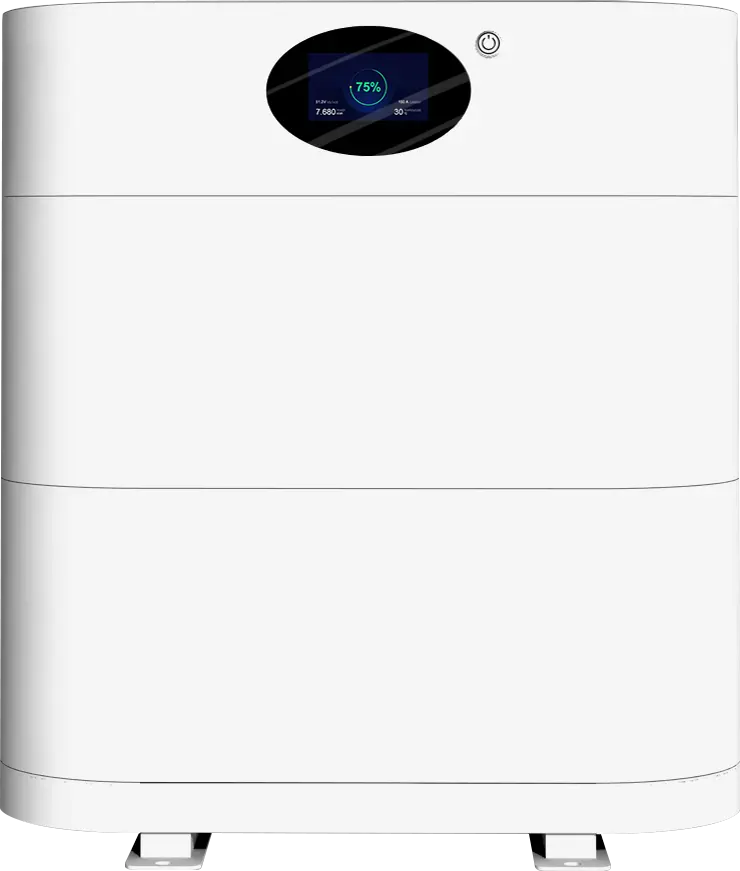
The durability of a stackable 8kW battery pack is directly proportional to the performance of its BMS. High-quality systems employ active balancing algorithms that redistribute energy between cells during charging and discharging cycles, rather than wasting excess power as heat (passive balancing). This preserves cell capacity alignment, prevents premature voltage cutoff on individual cell degradation, and ensures uniform thermal distribution across the pack.
China remains the undisputed epicenter of global battery production, offering unrivaled advantages in supply chain integration, raw material access, and advanced automation. For global procurers, partnering with a Chinese manufacturer provides unique strategic benefits:
Modern energy requirements demand that an 8kW system function as a smart node within a broader energy matrix. These systems are key enablers for:
By integrating communication protocols like Modbus TCP, CAN, and RS485, 8kW units can be aggregated remotely to form Virtual Power Plants. This allows grid operators to dispatch stored capacity during peak demand periods, generating additional revenue streams for the system owners.
For light-commercial operations, peak demand charges can represent up to 30% of total utility costs. An 8kW system actively monitors incoming grid loads and automatically discharges during high-power intervals, capping demand spikes and generating immediate operational savings.
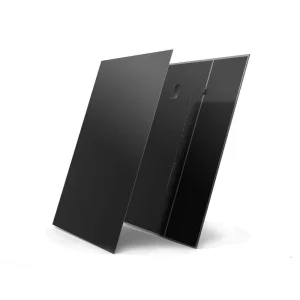
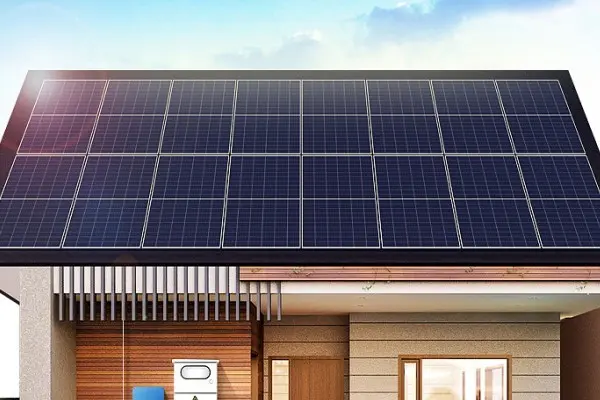
Pairing localized storage systems with innovative building materials—such as Elemro's CdTe Thin Film Solar Glass—enables modern structures to act as net-zero generators. Thin-film panels turn building envelopes into active energy generation fields, which directly feed energy storage systems to establish complete off-grid viability.
Depending on geographic location and grid infrastructure quality, 8kW systems are deployed in distinct operational configurations:
Established in 2019 and headquartered in the high-tech hub of Xiamen, China, Elemro Energy has emerged as a premier market leader in the new energy industry. By unifying cutting-edge R&D, advanced automated manufacturing, and a global distribution network, we deliver industry-grade storage and electrical solutions.
Our diverse portfolio is trusted by over 250 corporate clients across Europe, Southeast Asia, Africa, the Middle East, and the Americas. Continuing our aggressive growth trajectory, ELEMRO's annual turnover is expected to exceed 50 million USD, indicating our strong financial reliability and scaling capacity.
Learn More About Us
Innovative photovoltaic building integration modules driving modern structural generation.
Megawatt-scale industrial and commercial containerized solutions built for complex grids.
Decentralized solar charging structures integrating clean generation directly with EV fleet grids.
For procurement managers and utility engineers, securing reliable products requires verifying structural compliance and factory testing protocols. The following table highlights the mandatory verification requirements:
When auditing a prospective manufacturing plant, demand transparency on cell sourcing (only Grade-A cells from reputable suppliers should be used), cell-to-pack (CTP) structural insulation, and automated end-of-line (EOL) testing metrics, including state-of-health (SoH) diagnostics and isolation resistance verification.
Connect with our senior engineering team to get tailored system calculations, customized OEM layouts, and bulk pricing schedules.
Stay updated with our latest technological updates, product innovations, and industrial insights.
Get professional answers to critical technical questions regarding the configuration, operation, and procurement of 8kW energy storage systems.
Review our specialized home systems, high-voltage battery racks, and scalable energy storage configurations.




 Elemro Energy