Global Industrial Guide & Technical Directory

High-Quality 5kWh Battery Storage Factories & Products

The Global Rise of 5kWh Battery Storage Ecosystems

A macroeconomic analysis of decentralized energy systems, battery safety benchmarks, and localized technology roadmaps.

1. Global Industrial & Commercial Status of 5kWh Scale Systems

The energy transition is shifting away from centralized utility architectures to distributed, localized energy models. In this microgrid ecosystem, the 5kWh battery storage unit has emerged as the global baseline module. Its capacity provides a perfect balance between engineering cost, space limitations, and modular power delivery.

Historically, residential systems relied on lead-acid arrays that required massive space, suffered from low depth-of-discharge limits, and presented environmental hazards. The transition to Lithium Iron Phosphate (LiFePO4) chemistry at the 5kWh format (specifically 48V 100Ah configuration) has revolutionized residential grid support, peak-shaving mechanics, and emergency backup resilience.

In Europe, North America, and parts of Asia-Pacific, energy policy and rising grid tariffs are forcing commercial enterprises and residential owners to look for modular sizing solutions. A single 5kWh unit is sufficient to sustain critical infrastructure—such as IoT sensors, servers, home medical equipment, and security systems—through prolonged outages. Furthermore, its modularity permits scalability: systems can easily expand to 10kWh, 15kWh, or 20kWh via parallel connections, adapting to growing load demands.

2. Core Tech Architectures: Cell Chemistry, Thermal Management & BMS

Designing an exceptionally reliable 5kWh battery storage system requires deep integration of chemical, thermal, and electronic systems. High-quality factories adhere to stringent engineering boundaries to ensure a lifespan of over 6,000 cycles at 80% to 90% Depth of Discharge (DoD).

Key Insight (Information Gain): Modern 5kWh battery packs are built on prismatic LiFePO4 cells rather than cylindrical formats. Prismatic cells offer superior mechanical integrity, lower thermal gradients, and simplified busbar connections, reducing internal heat resistance and potential failure points.

Below is a technical comparison of standard 5kWh storage components vs. legacy options:

Parameter Premium LiFePO4 (LFP) 5kWh Pack Traditional NMC Storage Pack Standard Lead-Acid Array
Nominal Voltage 51.2V (16S Configuration) 48V (13S or 14S) 48V (4x 12V Batteries)
Cycle Life (80% DoD) > 6,000 Cycles > 2,500 Cycles > 500 Cycles
Thermal Runaway Temp 270°C (Highly Stable) 150°C (High Risk) N/A (Hydrogen Gas Risk)
BMS Protection level Active Balancing & Multi-Tier Monitoring Basic Passive Balancing None (Manual Maintenance Required)
Round-Trip Efficiency > 95% > 90% ~ 75%

3. Localized Application Scenarios & Value Engineering

Depending on regional economic variables, environmental parameters, and grid stability, the implementation of a 5kWh battery storage unit varies significantly:

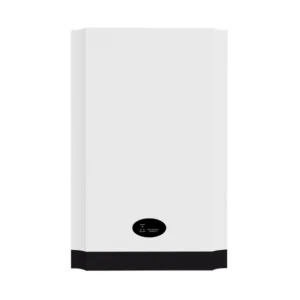
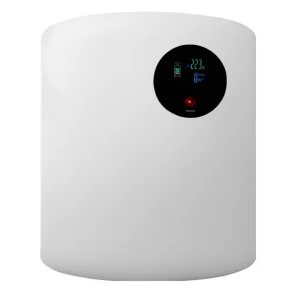
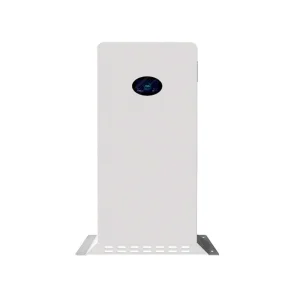
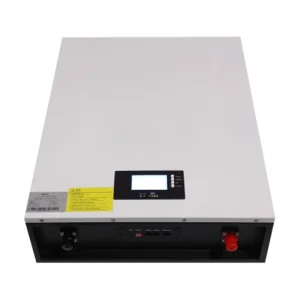
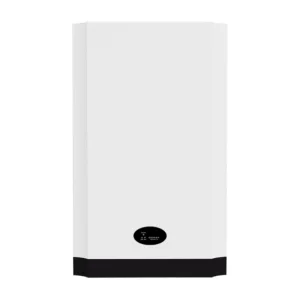
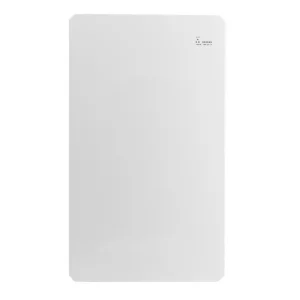
  • Europe (Peak Shaving & Feed-in Tariffs): With high peak electricity prices, systems like the *Elemro WHLV 5kWh Solar Battery for House* operate dynamically. They charge during periods of low-cost solar production or negative grid pricing and discharge during peak evening rates to lower the Levelized Cost of Storage (LCOS).
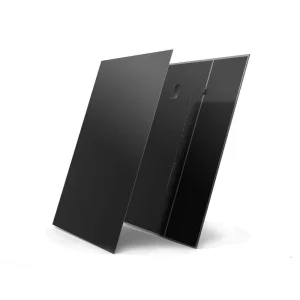
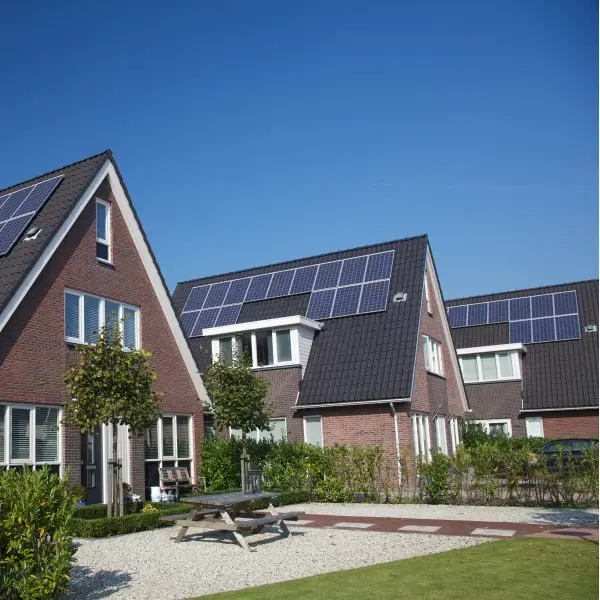
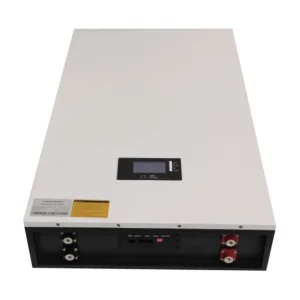
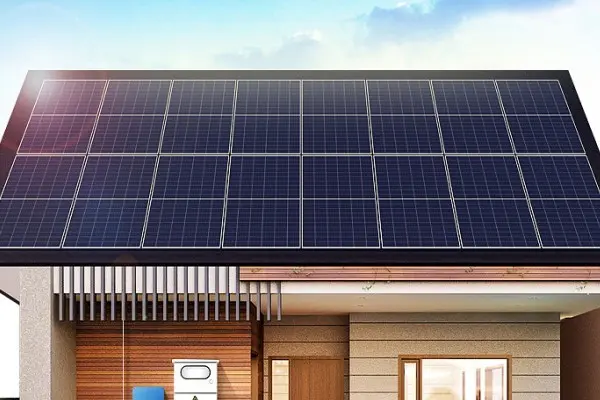
  • North America (Grid Outages & Resilience): In regions prone to extreme weather, wall-mounted LFP batteries serve as emergency backup systems. By integrating with Building Integrated Photovoltaics (BIPV), such as the *Elemro CdTe Thin Film Solar Cells*, residential properties maintain continuous power for refrigeration, communication, and HVAC controls.
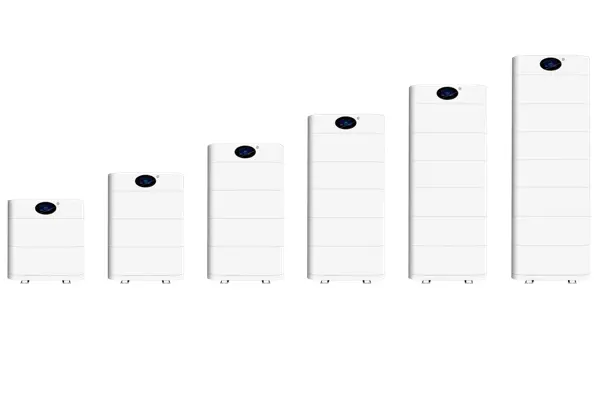
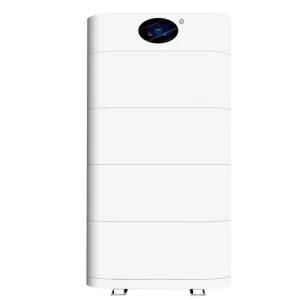
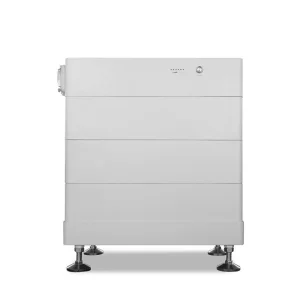
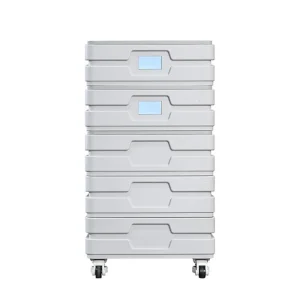
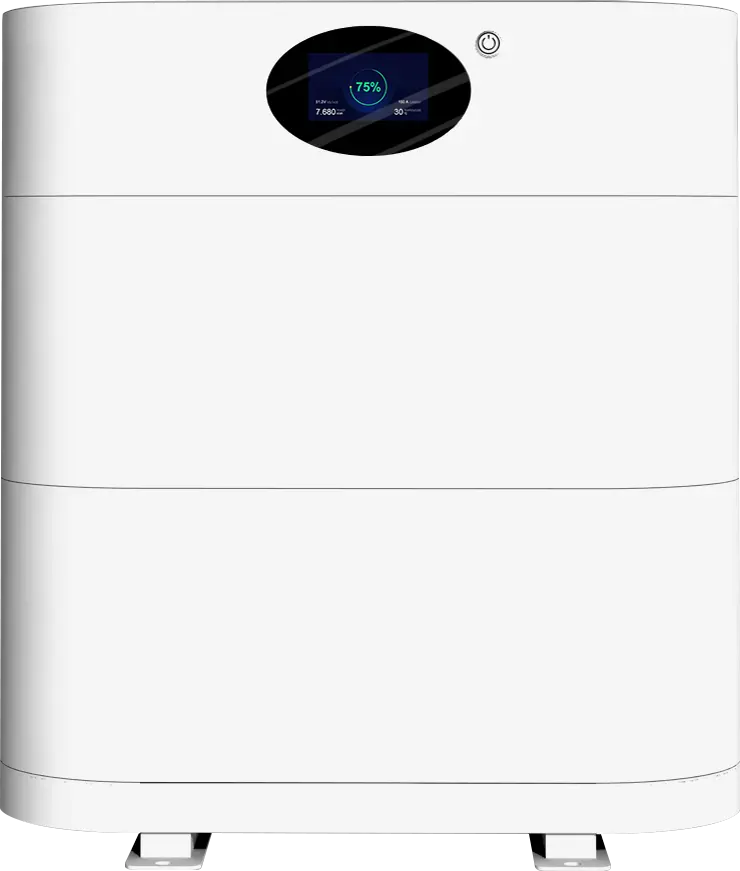
  • Developing Microgrids (South Africa, Southeast Asia): In regions facing chronic load-shedding, 5kWh and 10kWh modular wall-mounted or stacked systems provide off-grid security. The modular design of stackable batteries, such as *High-voltage storage LiFePo4 battery with stackable design*, allows users to upgrade their storage capacity as regional power grids face increasing instability.

Power A Green Future

We provide cleaner energy for a greener world through integrated hardware solutions.

Solar Glass

Solar Glass

Specially engineered photovoltaic glass elements optimized for solar radiation capture and building structural integration.

Energy Storage Container

Energy Storage Container

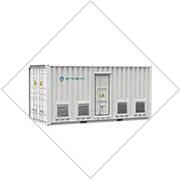
Commercial-scale containers designed for high-capacity battery installation, thermal regulation, and structural safety.

Car Port Solar Power

Car Port Solar Power

Eco-friendly structural canopies designed to shelter vehicles while generating high-density green electrical energy.

ELEMRO Energy: Driving Distributed Power Innovation

Established in 2019, headquartered in Xiamen, China, Elemro Energy has been specialized in new energy storage and electrical product solutions with rich experience. It is the market leader in the new energy industry that unifies R&D, production, and sales. The products have been sold to more than 250 customers in Europe, Southeast Asia, Africa, Mid-east, America, etc.

Since its establishment, ELEMRO’s revenue has been growing rapidly every year. ELEMRO’s annual turnover is expected to exceed 50 millions USD in year 2023. Our rapid rise is built upon deep technical understanding, stringent quality management, and transparent product design frameworks.

ISO 9001 Factory CE & UN38.3 Certified Tier 1 Cell Chemistry

Global Milestones

Deploying next-generation energy infrastructure across 50+ countries worldwide.

  • Over 250 industrial partnerships
  • 50M+ USD Turnover Target in 2023
  • Fully integrated custom EMS
  • Multi-layered thermal safety tests

4. Global Factory Manufacturing & Supply Chain Standards

For system integrators, understanding the quality controls utilized within a 5kWh battery storage factory is critical. A high-quality production line requires advanced automation and end-to-end traceablity protocols:

  • Automatic Cell Sorting & Matching: To prevent capacity mismatching and accelerated aging within a 48V 100Ah configuration, factories use robotic capacity, internal resistance (IR), and open-circuit voltage (OCV) sorting machines. Every single cell in a 16S LFP pack must exhibit under 0.05V variance.
  • BMS Reliability Tests: The Battery Management System is the safety hub of the system. Factory inspection includes hardware-in-the-loop (HIL) simulators to test active balance metrics, over-current cutoff, over-voltage limits, and thermal runaway response mechanisms.
  • Environmental Aging Cabinets: Standardized protocol mandates that assembled battery storage packs undergo continuous charge-discharge cycling at elevated temperature cabinets (up to 45°C) to monitor thermal characteristics and identify early-life failures (infant mortality stage) before global shipping.

5. Technology Roadmap & Future Outlook (2024–2030)

The technology landscape for modular home storage systems is rapidly evolving. When planning infrastructure deployments over the next decade, designers should look for systems structured around these major technological trends:

  1. Transition to Solid-State Cells: While LFP remains the safest mainstream chemistry today, commercial factories are developing solid-state polymer or ceramic electrolyte barriers to double volumetric energy density.
  2. Direct-to-Inverter Digital Integration: Modern batteries are moving away from simple analog communication. Standard configurations now support direct CAN/RS485 interface protocols that automatically handshake with global hybrid inverter brands.
  3. AI-Assisted Peak Shaving: Cloud-connected Battery Management Systems analyze historical household energy consumption patterns, regional weather forecasts, and spot grid pricing to schedule optimal charge/discharge cycles automatically.
Expert Quality Framework: Always verify that products comply with international testing certifications. Our batteries carry CE, UN38.3, and IEC62619 standards, validating that the underlying cell, BMS, and container meet safety requirements under mechanical stress, drops, and fire hazards.
2019
Established Year
250+
Global Customers
$50M+
Annual Turnover Target
6000+
Battery Cycle Life

Expert Q&A: Understanding 5kWh Batteries

Technical guidance addressing installation, safety certifications, structural expansion, and performance parameters.

How does the nominal capacity of a 5kWh battery scale when connected in parallel?
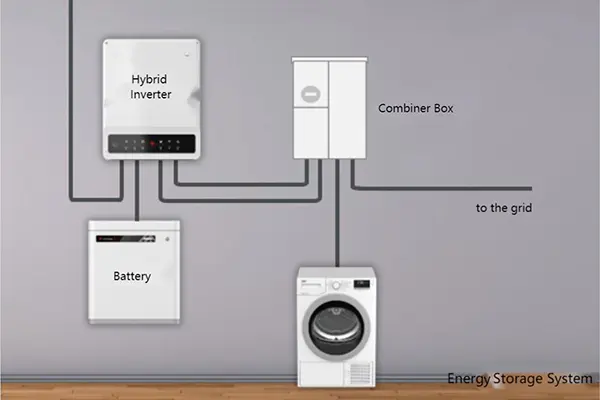
Connecting premium 5kWh battery modules (typically configured at 48V 100Ah or 51.2V 100Ah) in parallel increases system capacity while maintaining the same nominal voltage. For example, linking two Elemro WHLV 5kWh modules in parallel yields a total capacity of 10kWh (48V 200Ah), which directly matches standard low-voltage hybrid inverters.
What is the difference between Wall-Mounted LFP systems and High-Voltage Stacked batteries?
Wall-mounted systems are ideal for decentralized residential configurations with 48V low-voltage parameters, providing straightforward installation and compact footprints. High-Voltage Stacked systems are connected in series to increase system voltage (ranging from 150V to over 400V). Higher voltage reduces grid transition losses and improves round-trip efficiency during large power transfers.
How does active cell balancing prevent premature capacity loss?
Without active balancing, weaker cells in a series configuration charge faster and trigger cut-off limits prematurely, restricting the total usable capacity of the entire pack. An active balance circuit redistributes charge from higher-voltage cells to lower-voltage cells during operation, ensuring maximum energy yield and extending the system’s lifespan.
What safety guidelines are followed in ELEMRO manufacturing centers?
Our production lines utilize automatic optical inspection (AOI), dual laser-weld monitoring, and rigorous charge-discharge testing profiles. This ensures that every battery pack meets CE, UN38.3, and IEC requirements for resistance to mechanical crush, drop impact, thermal stress, and over-charging issues.
Partner Logo
Partner Logo
Partner Logo
Partner Logo
Partner Logo
Partner Logo
Partner Logo

Need a Custom Technical Solution or Price List?

Contact our system engineering team for high-volume pricing, technical data sheets, and custom active balancing BMS diagrams.