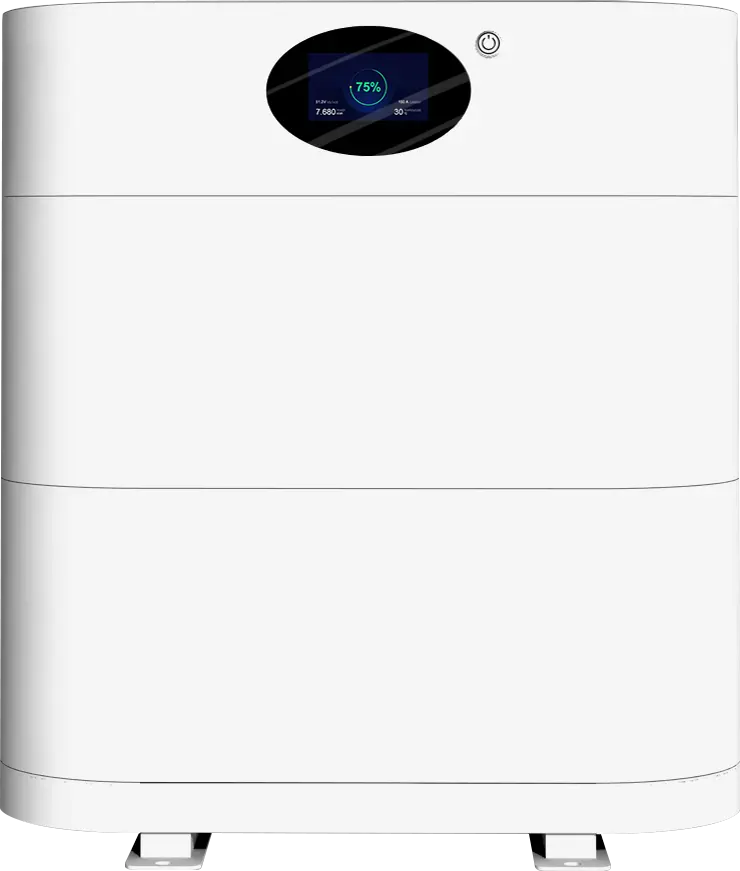
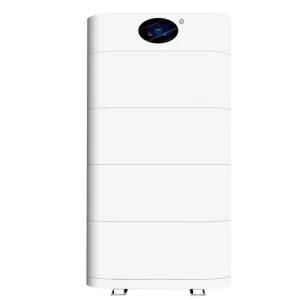
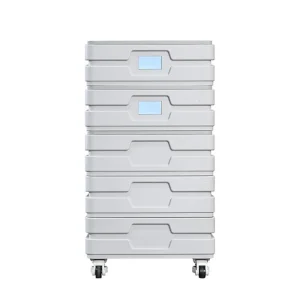
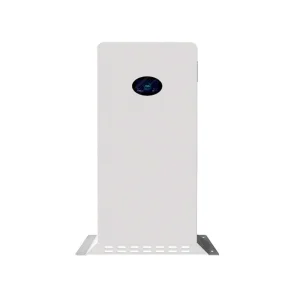
Deploy cutting-edge energy nodes. Below are our core certified products developed to integrate seamlessly with 50kW systems.
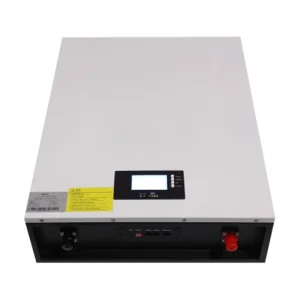
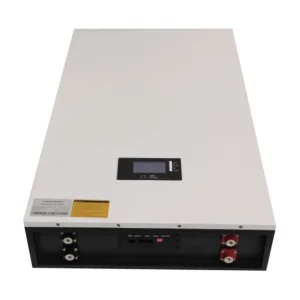
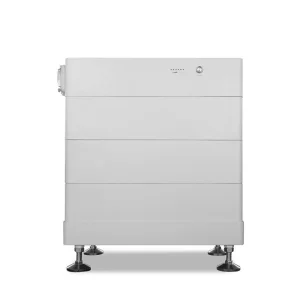
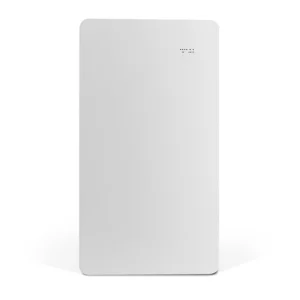
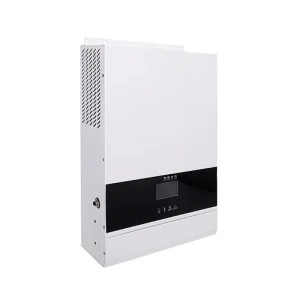
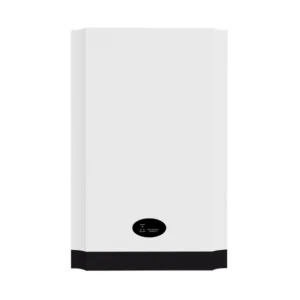
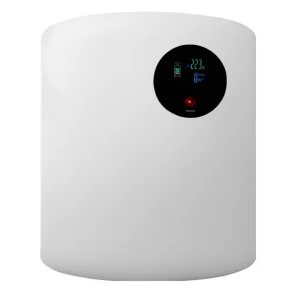
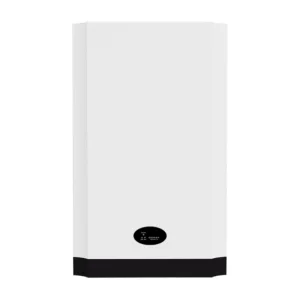
Analyzing the inflection point where peak efficiency meets optimized capacity for decentralized power grids.
In the rapidly transforming landscape of global power distribution, the demand for resilient, modular, and high-performance energy infrastructure has elevated the status of the 50kW Battery Storage class. Positioning itself as the foundational building block for Commercial and Industrial (C&I) microgrids, the 50kW power block bridges the gap between high-capacity residential systems and massive utility-scale installations. In typical configurations, a 50kW system operates alongside varying energy capacity ratings, typically spanning from 100kWh to 200kWh (representing 2-hour to 4-hour discharge paradigms), thereby matching localized industrial demand profiles with extreme precision.
For procurement managers, chief engineers, and project developers, selecting the correct 50kW battery storage manufacturer represents a long-term capital decision. The fundamental objective is to identify solutions constructed with advanced chemical, thermal, and electronic safeguards that ensure a Levelized Cost of Storage (LCOS) optimized for maximum return on investment. The system architecture must guarantee sustained performance over 6,000 to 8,000 cycles, with deep-discharge capabilities that do not compromise the integrity of the underlying cell matrices.
Quantifiable engineering parameters defining modern, high-tier 50kW battery storage factories.
Engineered with premium LiFePO4 cells to ensure reliable long-term deployment.
Minimal conversion loss via integrated high-efficiency smart bidirectional PCS.
Fully accredited for grid connection: UL 9540A, IEC 62619, CE, and more.
Immediate emergency transfer safeguarding high-precision industrial loads.
At the heart of any premium 50kW BESS is the lithium iron phosphate (LiFePO4) chemistry. Celebrated for its high thermal runaway threshold (exceeding 270°C compared to NMC's ~210°C), LiFePO4 represents the global benchmark for commercial building integration. The internal module configuration consists of highly synchronized series-parallel cell matrices managed by a multi-layered Battery Management System (BMS).
A premium system incorporates a three-tiered BMS architecture: the localized cell balancing tier, the module-level monitoring system, and the master system controller. These modules communicate via industrial CAN/RS485 networks, constantly assessing state of charge (SoC), state of health (SoH), and voltage parameters down to individual cells. To maintain optimal operating conditions between 20°C and 30°C, high-tier 50kW configurations deploy advanced thermal management, transitioning from traditional air-cooling structures to closed-loop liquid-cooling. This transition improves heat dissipation efficiency by 30%, guaranteeing stable operation even under continuous high-C discharge cycles.
Procurement of high-capacity storage is no longer a simple transactional purchase. Instead, it involves calculating complex metrics, chief among them being Levelized Cost of Storage (LCOS). LCOS represents the cost per megawatt-hour of usable electricity discharged over the system’s operational lifespan. Experienced EPC (Engineering, Procurement, and Construction) companies analyze vendor capabilities based on standard warranty structures, which must guarantee at least 70% capacity retention at the 10-year mark.
Furthermore, integration compatibility with preexisting power conditioning systems (PCS) and Energy Management Systems (EMS) is paramount. The system must adapt to Modbus TCP or DNP3 communication protocols to allow seamless connection to local utility grids and remote SCADA (Supervisory Control and Data Acquisition) networks, which is crucial for modern virtual power plant (VPP) configurations.
By situating production in major industrial zones like Xiamen, factories leverage an unmatched ecosystem of lithium mining, processing, cathode synthesis, automated cell assembly, and highly integrated test beds. This vertical integration cuts manufacturing costs by 20% to 35% compared to Western counterparts.
Modern grids demand absolute obedience to connection codes. High-quality 50kW systems are rigorously tested against grid-facing regulatory frameworks, preventing unexpected harmonic distortions, managing reactive power, and ensuring seamless compliance with local grid operators.
Implementing structural compartmentalization, aerosol-based fire suppression, internal deflagration venting systems, and cell-level chemical mitigation, our storage enclosures satisfy strict building occupancy safety standards worldwide.
China's unmatched status as the hub for advanced battery production is not merely a matter of lower labor costs; it is the result of deep technology clusters and extensive vertical integration. At our production centers in Xiamen and sister factories across China's industrial parks, the entire manufacturing sequence—from raw material refinement of lithium carbonate, through precursor preparation, to precision roll-to-roll electrode coating—takes place within a small geographical radius. This structural synergy minimizes logistical vulnerabilities, guarantees raw material trace-ability, and enables strict quality control.
Furthermore, our production lines utilize state-of-the-art automation. Integrated machine vision inspects electrodes for micro-imperfections at speeds exceeding 50 meters per minute. Cell assembly is carried out in controlled cleanrooms with humidity levels strictly maintained below 1% relative humidity (Dew Point ≤ -45°C). By combining this rigorous physical environment with massive economies of scale, Chinese BESS manufacturers consistently deliver cells characterized by high energy density, excellent cycle consistency, and superior cost-effectiveness.
Deploying commercial-scale battery systems across diverse jurisdictions requires strict adherence to localized engineering standards. A premium 50kW storage system must maintain compliance with a complex matrix of international regulations:
Key standards include UL 1973 for battery modules used in stationary applications, and UL 9540, which evaluates the safety of the entire energy storage system (ESS) in combination with the PCS. In terms of fire safety, the system must undergo thermal runaway testing according to UL 9540A to verify that cell-to-cell thermal propagation is successfully contained within the enclosure. In the European market, CE compliance and IEC 62619 certifications are mandatory for proving industrial safety. Finally, for grid interconnection, the system must support grid-support features like active voltage regulation and frequency control in accordance with IEEE 1547.
Adapting 50kW configurations to maximize energy yield and operational resilience across diverse sectors.
Integrating a 50kW battery storage system enables facilities to reduce peak demand charges through real-time demand-response algorithms. The system discharges stored energy when consumption peaks, smoothing out the building's load profile and lowering monthly demand charges.
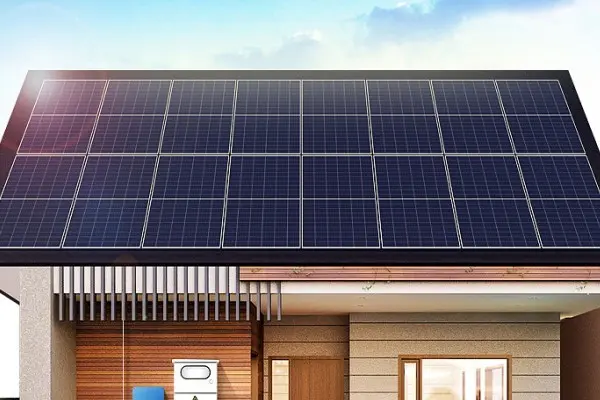
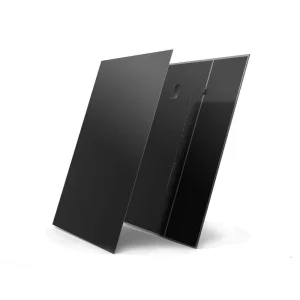
Building-Integrated Photovoltaics (BIPV), such as CdTe thin-film solar glass facades, generate power along vertical building surfaces. Coupling BIPV with a 50kW battery storage system stores excess day generation, creating self-sufficient, net-zero architectural structures.
In remote areas or regions with unstable grids, a 50kW storage system functions as a reliable anchor. In the event of a grid outage, the system switches to island mode in less than 10 milliseconds, keeping critical operations running without interruption.
Established in 2019 and headquartered in Xiamen, China, ELEMRO Energy has grown into a market leader in the new energy storage industry. The company integrates R&D, manufacturing, and global sales to deliver customized residential and C&I energy storage solutions.
With a focus on global clean energy transition, ELEMRO Energy serves more than 250 commercial customers across Europe, Southeast Asia, Africa, the Middle East, and the Americas. The company has sustained rapid revenue growth, with annual turnover exceeding USD 50 million in 2023.

High-efficiency architectural photovoltaic integrations (BIPV).
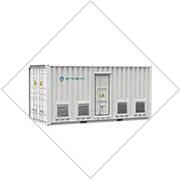
C&I modular containerized units for grid-scale deployment.
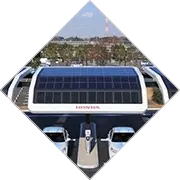
Integrated EV charging infrastructure and protective parking covers.
Navigating the next technological frontier: Solid-state integration, Sodium-ion cells, and AI-driven VPP control.
The energy storage sector is entering a phase of rapid technological evolution. While LiFePO4 remains the preferred chemistry for C&I projects due to its safety and lifecycle advantages, next-generation cells are emerging. High-quality manufacturing facilities are currently preparing production lines for **Sodium-Ion (Na-Ion) batteries** and **Solid-State Battery (SSB) systems**. Sodium-ion technologies offer excellent performance in cold climates (retaining over 80% capacity at -20°C) and reduce reliance on lithium resources, helping to stabilize future supply chains.
On the digital side, integrating AI-driven Energy Management Systems (EMS) is transforming commercial battery operations. Modern EMS platforms run predictive machine learning models that analyze weather patterns, historical building loads, and real-time spot market pricing. This enables the system to charge and discharge dynamically, maximizing savings. Additionally, **Virtual Power Plants (VPPs)** allow distributed 50kW battery systems to act collectively as a single utility-grade power plant, helping grid operators balance loads during peak demand while creating new revenue streams for battery owners.
For inquiries about our products or pricelist, please leave your email and our engineering team will get back to you within 24 hours.
Answering the primary technical questions asked by commercial project developers and electrical engineers.
kW (Kilowatts) represents the system's power rating, defining the rate at which energy can be charged or discharged. **kWh (Kilowatt-hours)** represents the capacity, or the total amount of energy the system can store. For example, a 50kW/100kWh system can discharge 50kW of continuous power for 2 hours, whereas a 50kW/200kWh system can discharge 50kW of power for 4 hours.
Peak shaving involves using the battery system to supply power during peak demand periods, keeping the building's grid draw below a set threshold. The EMS monitors grid intake; when the load exceeds this threshold, the battery system discharges to cover the excess demand, helping to reduce utility demand charges.
LiFePO4 (Lithium Iron Phosphate) offers significant safety and cycle-life advantages. It has a high thermal runaway threshold (around 270°C) and does not release oxygen during thermal events, reducing fire risk compared to NMC (Nickel Manganese Cobalt). Additionally, LiFePO4 systems typically deliver 6,000+ full cycles (at 80% DoD), compared to 2,000-3,000 cycles for NMC.
The Battery Management System (BMS) monitors voltage, current, and temperature at the cell level. It balances the charge across cells to prevent overcharging or deep discharge, and can isolate modules if anomalies are detected, protecting the system from thermal runaway.
Liquid cooling systems use a closed-loop coolant circuit to maintain consistent temperatures across all cells, keeping temperature variations within ±2°C. Air cooling is simpler but less effective in hot environments, often resulting in larger temperature differences (up to 5-8°C) that can accelerate cell degradation.
A high-quality 50kW system generally achieves a DC-round-trip efficiency of 92% to 95%. When accounting for AC-to-DC conversion losses in the inverter, the overall AC-to-AC round-trip efficiency typically ranges between 86% and 89%.
Key certifications include **UL 9540** (system safety) and **UL 1973** (battery safety). Grid connection also requires compliance with **IEEE 1547** (for utility interface) and **UL 1741** (for smart inverters). In Europe, systems must meet **CE** and **IEC 62619** standards.
The optimal operating temperature range for lithium batteries is 15°C to 25°C. High temperatures (above 45°C) accelerate chemical degradation, reducing service life. Low temperatures (below 0°C) increase internal resistance and limit charging rates to prevent lithium plating on the anodes.
LCOS represents the cost per kilowatt-hour of energy discharged over the system's lifetime. High-tier 50kW systems can achieve an LCOS between $0.07 and $0.12 per kWh, depending on local installation costs, usage profiles, and integration with solar generation.
A standard 10-year warranty typically covers defects in materials and workmanship, and guarantees that the battery will retain a minimum capacity (usually 70%) over 10 years or a specified number of cycles, provided the system is operated within defined temperature limits.
Read the latest engineering articles, trade event updates, and application analyses from our technical team.
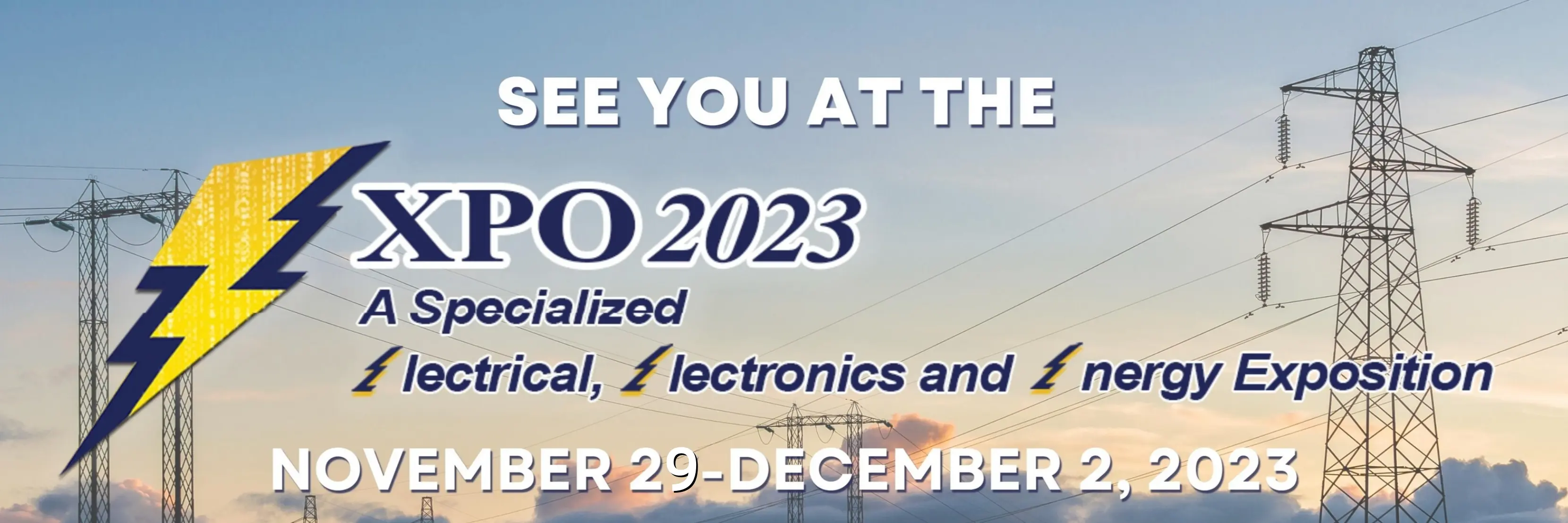
Nov 26, 2023
High-performance configurations for commercial sites, remote grids, and industrial installations.




 Elemro Energy