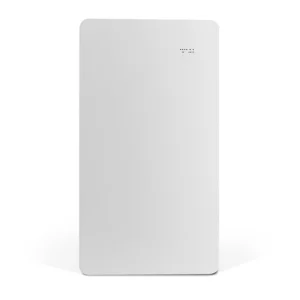
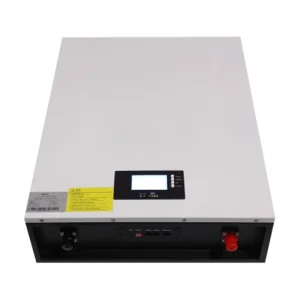
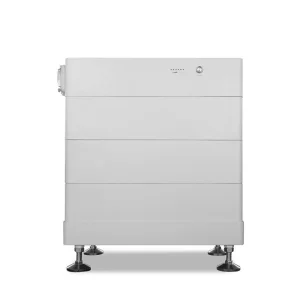
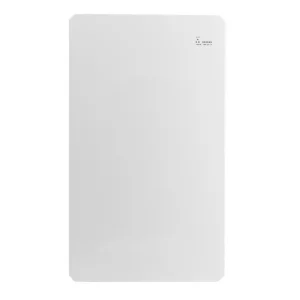
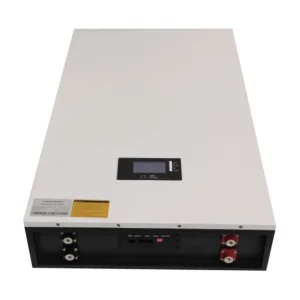
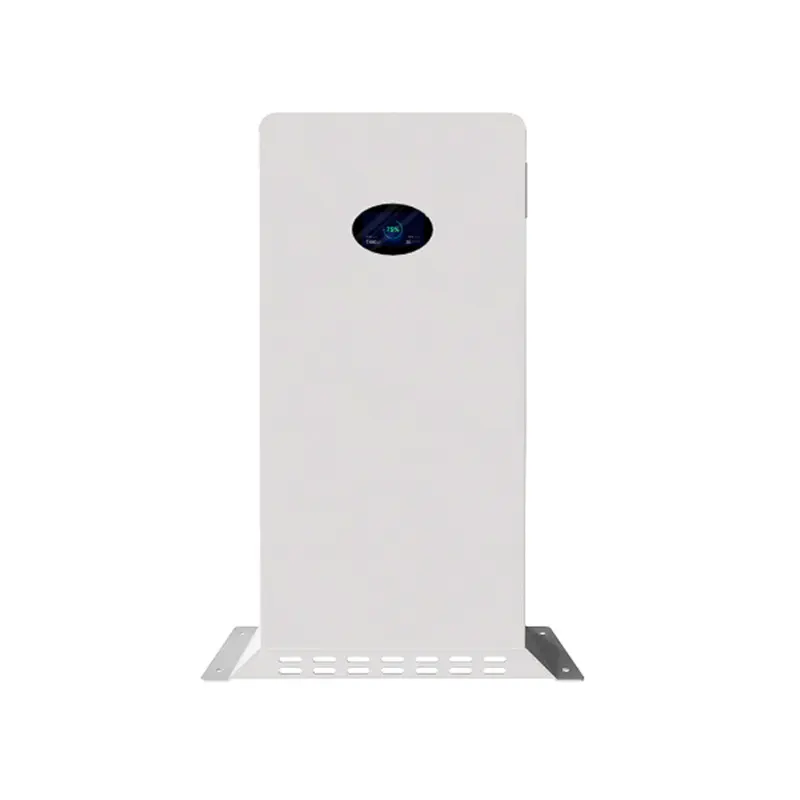
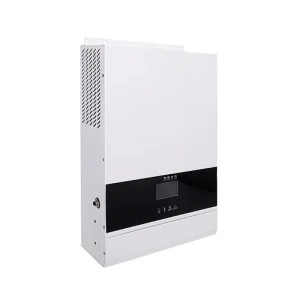
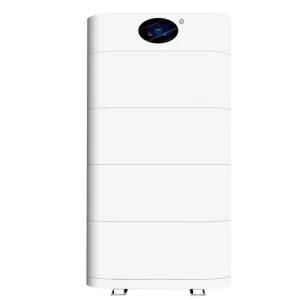
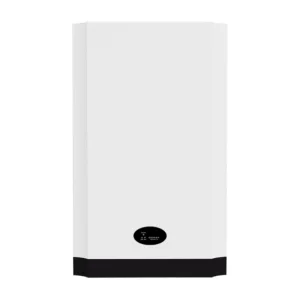
Explore our industrial and high-capacity battery options configured for long life, maximum safety, and seamless inverter pairing.
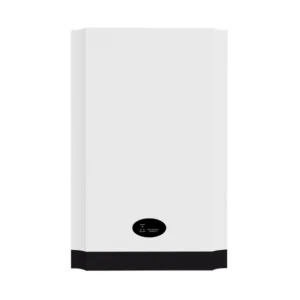
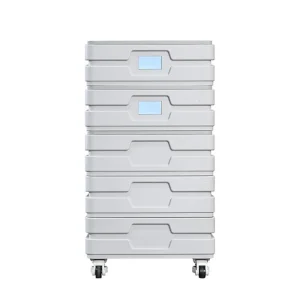
As the global energy paradigm pivots toward decentralized networks, both commercial enterprises and modern residences require robust, medium-voltage infrastructure to secure energy autonomy. The 15kW battery storage threshold represents the sweet spot between high-output capacity and economic feasibility. Unlike smaller 5kWh systems that can only carry critical home appliances during dynamic load shifts, a dedicated 15kW battery storage layout is architected to handle industrial peak shaving, heavy inductive motor startups, and extended grid backup operations.
Integrating a 15kW system allows commercial properties to mitigate peak pricing penalties (demand charge reductions) while optimizing solar-self consumption. Advanced lithium-iron-phosphate (LiFePO4) chemistry ensures thermal runaway profiles are practically eliminated, giving operations directors, project planners, and building regulators complete confidence. When deployed globally across various grid networks, these storage solutions stabilize fluctuating PV outputs and offer local utilities a controllable asset capable of participating in demand-response programs.
In Europe, strict grid codes require residential and commercial systems to operate with minimal reactive power disturbance. Across North America, certifications such as UL 9540 (for energy storage systems) and UL 1973 (for battery packs) dictate manufacturing standards. Modern factories must adhere to these compliance frameworks, running end-of-line tests under extreme environmental conditions. By selecting a manufacturer that integrates automotive-grade prismatic cells, buyers ensure system longevity and low degradation rates over 15 to 20 years of active grid integration.
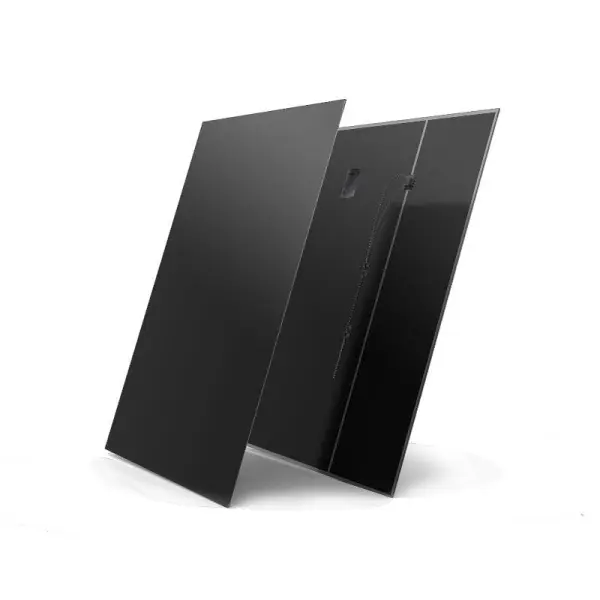
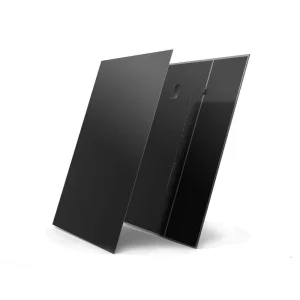
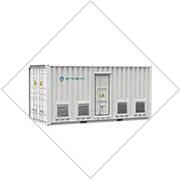
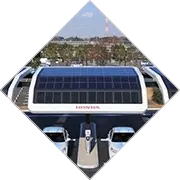
We provide cleaner energy for a greener world through engineered solar glass, integrated containerized ESS, and solar carport structures.

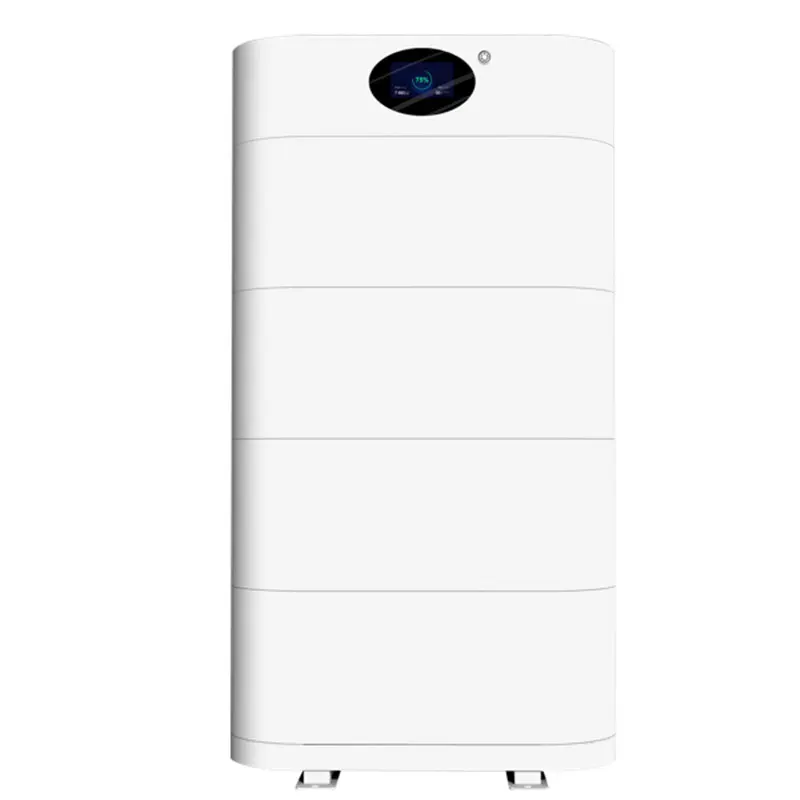
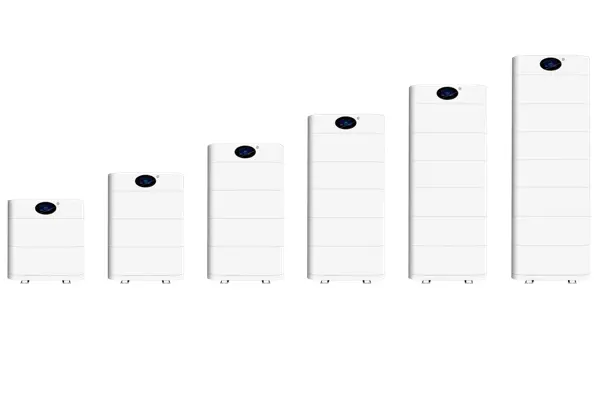
Modern 15kW battery configurations employ high-voltage architectures to reduce copper losses and increase roundtrip inversion efficiency. Stacking modular 51.2V LFP (Lithium Iron Phosphate) units enables custom scalability up to hundreds of kilowatt-hours. Below is the typical technical layout of a tier-1 manufactured system compared with legacy storage technologies:
| Performance Metrics | Elemro High-Voltage Stacked ESS | Standard Low-Voltage LFP Pack | Legacy Lead-Acid Systems |
|---|---|---|---|
| System Nominal Voltage | 204.8V – 409.6V (High-Voltage) | 48V – 51.2V | 12V / 24V / 48V |
| Recommended Depth of Discharge (DoD) | 95% | 80% – 90% | 50% |
| Lifecycle Rating @ 25°C | > 6,000 Cycles | 4,000 Cycles | 1,200 Cycles |
| Integrated Smart BMS Interfaces | CAN, RS485, Ethernet, Modbus TCP | Basic RS485 / CAN | None (External Shunt Required) |
| Thermal Safety Protocols | Aerosol Suppression & Cell Venting | Passive Cooling | Natural Ventilation Only |
We source heavy-duty prismatic LiFePO4 cells to structure our 15kW battery variants. Prismatic cells offer higher capacity per cell unit, higher structural integrity against expansion, and simplified busbar connections, reducing failure points. This design ensures that commercial systems operating 365 days a year maintain system uniformity and cell balance throughout the warranty period.
Established in 2019, headquartered in Xiamen, China, Elemro Energy has been specialized in new energy storage and electrical product solutions with rich experience. It is the market leader in the new energy industry that unifies R&D, production, and sales. The products have been sold to more than 250 customers in Europe, Southeast Asia, Africa, Mid-east, America, etc. Since its establishment, ELEMRO’s revenue has been growing rapidly every year. ELEMRO’s annual turnover is expected to exceed 50 millions USD in year 2023.
Start a green and convenient life with Elemro Energy.
Adapting battery systems for regional distribution requires localized engineering options. Different geographic areas leverage 15kW layouts to solve specific grid infrastructure problems:
SMEs often face high peak demand charges. By scheduling energy discharge during peak times, a 15kW battery system reduces reliance on high-cost grid power. Automated controllers monitor real-time consumption, ensuring power reserves are deployed when local tariffs peak.
In regions relying heavily on diesel power, integrating a 15kW LFP battery reduces generator wear, maintenance costs, and fuel use. The battery manages transient spikes and light loads, allowing generators to run at peak efficiency or be shut down for extended intervals.
With thin-film PV architectures (like Cadmium Tellurium thin film) integrated into building envelopes, local storage is essential to manage generation profiles throughout the day. Storing power locally minimizes grid export bottlenecks and improves overall building efficiency.
Insights, updates, and events from the forefront of the new energy landscape.
Jul 07, 2023
Nov 26, 2023
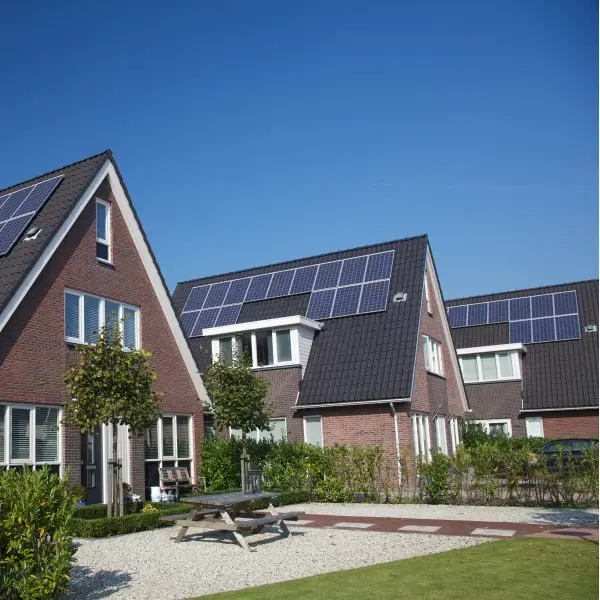
Nov 10, 2023
Get professional insights on scaling, integration, safety compliance, and deployment dynamics.
A: Kilowatts (kW) measures the system's power capacity or output (how much power the battery can discharge at any given moment). Kilowatt-hours (kWh) measures the capacity of stored energy (how long the battery can run a load). A 15kW system can typically supply 15,000 watts of demand instantly, but its operational duration depends on its kWh capacity configuration.
A: Yes, a high-quality 15kW power-configured unit provides sufficient current output to handle starting surges from inductive loads like central air conditioners, water pumps, and electric machinery. The high-voltage stackable battery units are engineered for this application, offering stability compared to standard low-voltage configurations.
A: Our industrial BMS monitors cell status, including individual voltage, temperatures, and internal resistance. If values exceed operating limits, the BMS modulates charging currents via CAN or RS485 interfaces to safeguard cells and prevent degradation.
A: The primary international standards are UL 9540A (thermal runaway testing), UL 1973 (stationary battery pack safety), CE (European compliance), and UN38.3 (transportation safety). These certifications ensure the safety and reliability of battery systems in residential and commercial applications.
A: Lithium Iron Phosphate (LFP) chemistry operates best between 15°C and 30°C. While standard units can function across wider temperature ranges (-20°C to 55°C), keeping packs in climate-controlled environments extends lifespan, ensuring the system reaches its 6,000+ cycle rating.
A: Modular, stacked designs simplify installation compared to traditional rack systems. Installation generally takes less than half a day. Units connect using plug-and-play terminals, minimizing wiring errors and labor costs.
Direct supply options from our state-of-the-art energy storage factories. Select the layout that aligns with your regional requirements.





 Elemro Energy