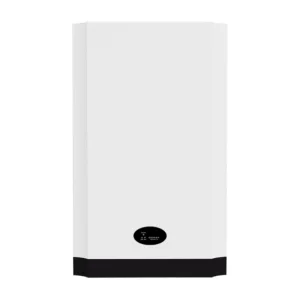
Explore our premium hardware engineering designed for optimal energy capacity, high safety protocols, and seamless grid synchronization.
An in-depth look at technical metrics, market evolutions, and engineering paradigms shaping the grid storage landscape.
Wind power generation is fundamentally stochastic, governed by aerodynamic fluctuations and dynamic atmospheric profiles. The resulting volatility introduces significant challenges to grid integration, leading to massive rate curtailment in wind-rich jurisdictions. Integrating Battery Energy Storage Systems (BESS) directly at the wind turbine generator (WTG) stage or sub-station level has transitioned from an auxiliary stability measure to an operational mandate.
Modern BESS installations rely heavily on lithium iron phosphate (LiFePO4) chemistry due to its structural safety, long thermal runaway induction periods, and robust cycle lives exceeding 6,000 to 8,000 cycles at 80% Depth of Discharge (DoD). By coupling wind generation with utility-scale energy storage, operators achieve critical grid services, including:
For engineering procurement contractors (EPCs), project developers, and independent power producers (IPPs), specifying the correct storage platform requires balancing initial capital expenditure (CAPEX) with long-term operational expenditures (OPEX). Key design protocols dictate that energy storage components are certified under stringent international safety frameworks, notably UL9540A for thermal runaway protection, and IEC 62619 for industrial battery applications.
Procurement departments look for manufacturers that support granular BMS integration (Battery Management Systems) capable of state-of-health (SoH) diagnostics at the individual cell level, alongside advanced liquid-cooling thermal management (TMS) units. A temperature gradient delta of less than 3°C across the system enclosure is crucial to preventing localized aging and maximizing performance longevity in heavy cycling configurations.
Elemro Energy’s manufacturing infrastructure leverages the strategic advantages of China's advanced industrial ecosystem. The transition to Factory 4.0 manufacturing processes ensures precision cell sorting, laser welding of busbars, and fully automated diagnostic testing lines that significantly minimize manual manufacturing defects.
This automated supply chain offers distinct advantages:
Providing cleaner energy solutions for a greener world through specialized engineering.

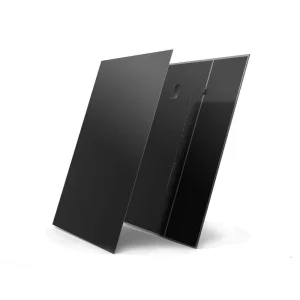
Engineered high-transmittance tempered glass for architectural integration and high-performance photovoltaic modules.
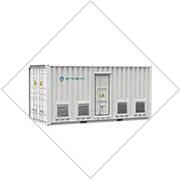
Utility-scale containerized configurations incorporating advanced liquid cooling, multi-tier BMS, and integrated fire suppression.
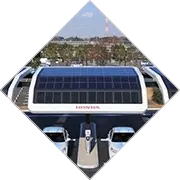
Structural architectural integration providing localized solar yield matched with rapid EV charging interfaces.
Established in 2019, headquartered in Xiamen, China, Elemro Energy has specialized in new energy storage and electrical product solutions with rich experience. It is the market leader in the new energy industry that unifies R&D, production, and sales. The products have been sold to more than 250 customers in Europe, Southeast Asia, Africa, Mid-east, America, etc. Since its establishment, ELEMRO’s revenue has been growing rapidly every year. ELEMRO’s annual turnover is expected to exceed 50 million USD.
Our commitment to rigorous engineering and comprehensive quality control ensures that our utility and commercial-scale clients receive reliable, high-performance battery hardware optimized for their local grid environments.
Whitepapers and deep-dives curating technical analysis from our senior engineering team.
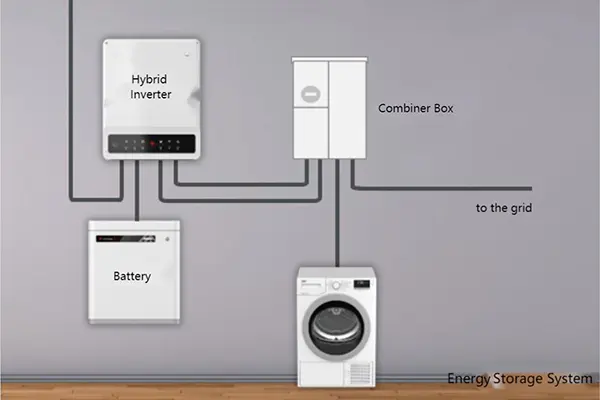
An anatomical breakdown of topology designs, phase balancing, and grid coupling interfaces of modern storage systems.
Analyzing volumetric energy density against lifecycles, thermal stability parameters, and raw material availability constraints.
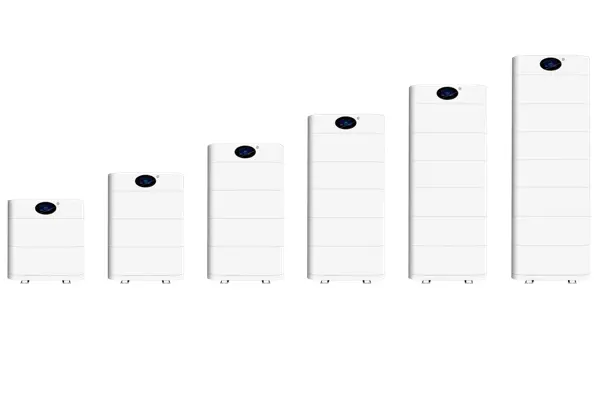
Comparing high-voltage stacked configurations with low-voltage parallel setups across distinct commercial installations.
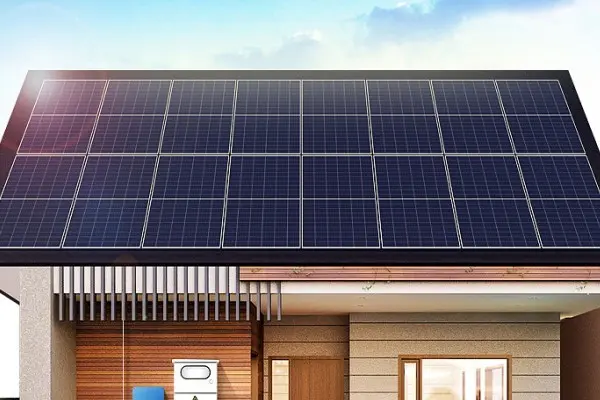
ELEMRO showcases advanced microgrid solutions and residential hybrid modules designed for the Southeast Asian grid profiles.
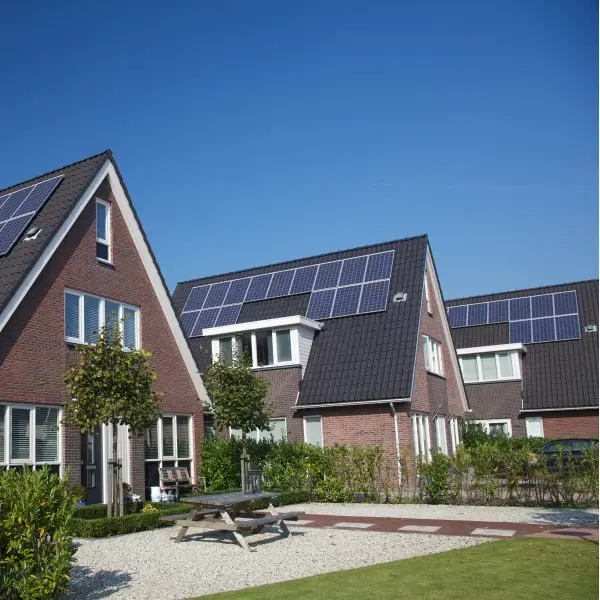
Assessing structural integration challenges and architectural configurations of CdTe thin-film BIPV layouts.
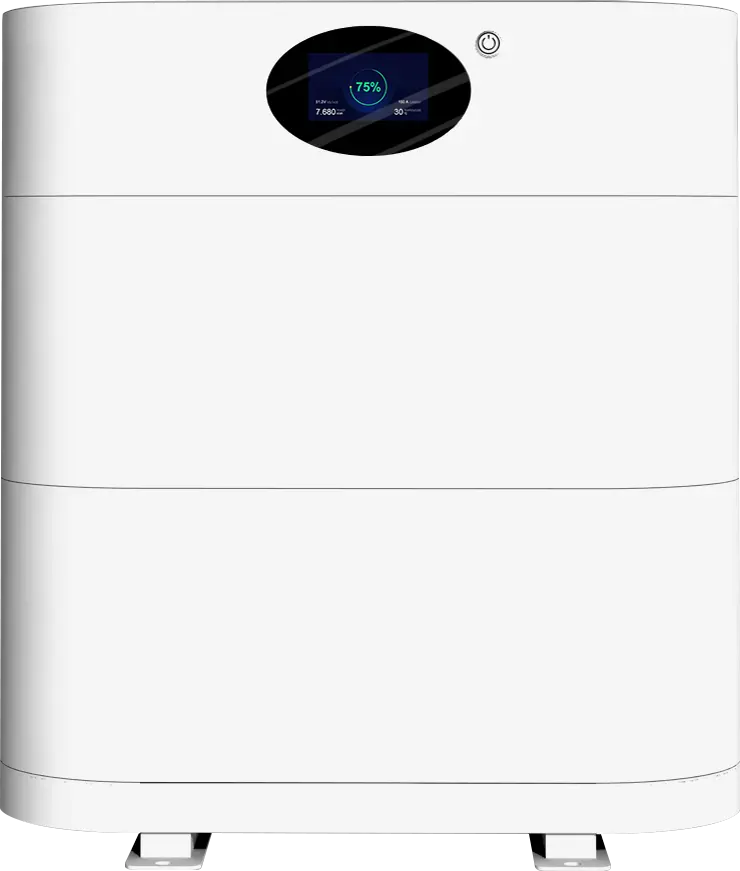
Detailing cycle-life retention, safety metrics of battery chemistry, and structural design choices in residential ESS packs.
Answering key structural and engineering queries regarding utility BESS design, implementation, and management.
While Nickel Manganese Cobalt (NMC) batteries offer higher gravimetric energy density, lithium iron phosphate (LiFePO4) is preferred in wind integration applications due to safety, cycle durability, and cost metrics. LiFePO4 exhibits superior thermal stability and structural resilience under heavy cycling, providing up to 6,000–8,000 cycles at 80% Depth of Discharge compared to 2,000–3,000 cycles of standard NMC cells. This long lifecycle significantly lowers the Levelized Cost of Storage (LCOS), enhancing the financial metrics of long-duration storage installations.
A multi-tier Battery Management System (BMS) manages safety at three critical tiers: cell, module, and system. By monitoring parameters like cell voltages, individual tap temperatures, and internal resistance, the BMS detects abnormalities such as micro-short circuits early on. In case of thermal anomalies, the BMS triggers cooling protocols or initiates electrical isolation sequences. This prevents cascading thermal runaway across adjacent modules before any external thermal propagation can manifest.
For global deployment, wind energy storage platforms must comply with strict national and international standards. Key certifications include UL 1973 for industrial batteries, UL 9540 for energy storage systems, and IEC 62619 for safe industrial operation. Additionally, compliance with IEEE 1547 and local grid codes (such as EN 50549 in Europe) is critical to ensure proper frequency support, active voltage control, and safe islanding capabilities during grid outages.
Extreme temperatures present challenges for lithium-ion storage systems. High temperatures accelerate cell capacity degradation, while freezing temperatures can cause lithium plating during charging, leading to short circuits. To mitigate these risks, Elemro uses advanced liquid-cooled HVAC setups inside our containerized enclosures. This active thermal management keeps internal cell temperatures between 20°C and 30°C, regardless of external ambient variations, ensuring long lifecycles and stable round-trip efficiency (RTE).
The return on investment (ROI) timeframe is determined by local energy policies, utility tariffs, and grid conditions. For wind farms, combining BESS with generation usually yields an ROI within 5 to 8 years. This is driven by avoiding curtailment penalties, capturing peak energy arbitrage rates, and providing grid services like frequency regulation. The long lifespan of Elemro's high-voltage energy storage systems ensures profitable operations long after initial capital expenditures are recovered.
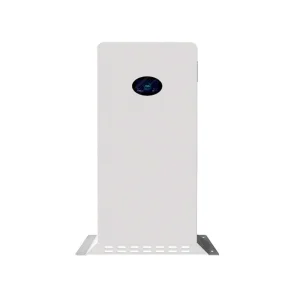
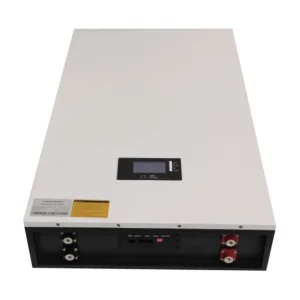
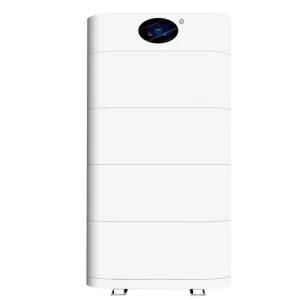
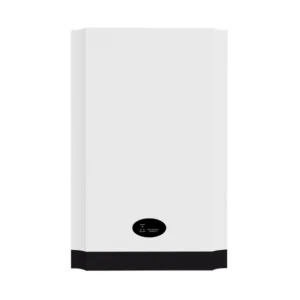
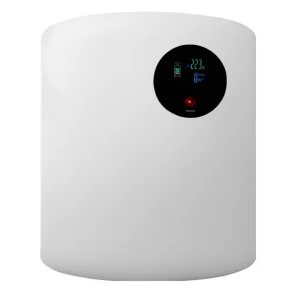
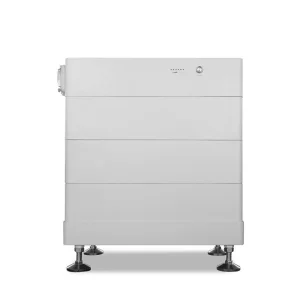
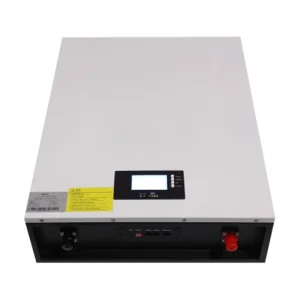
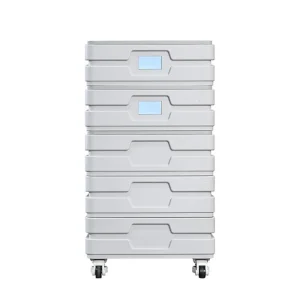
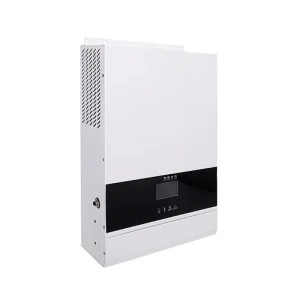
Browse our integrated technologies, featuring wall-mounted modules, high-voltage stackable battery packs, and robust solar inverters.
Fast, certified freight connections supporting projects on every continent.





 Elemro Energy