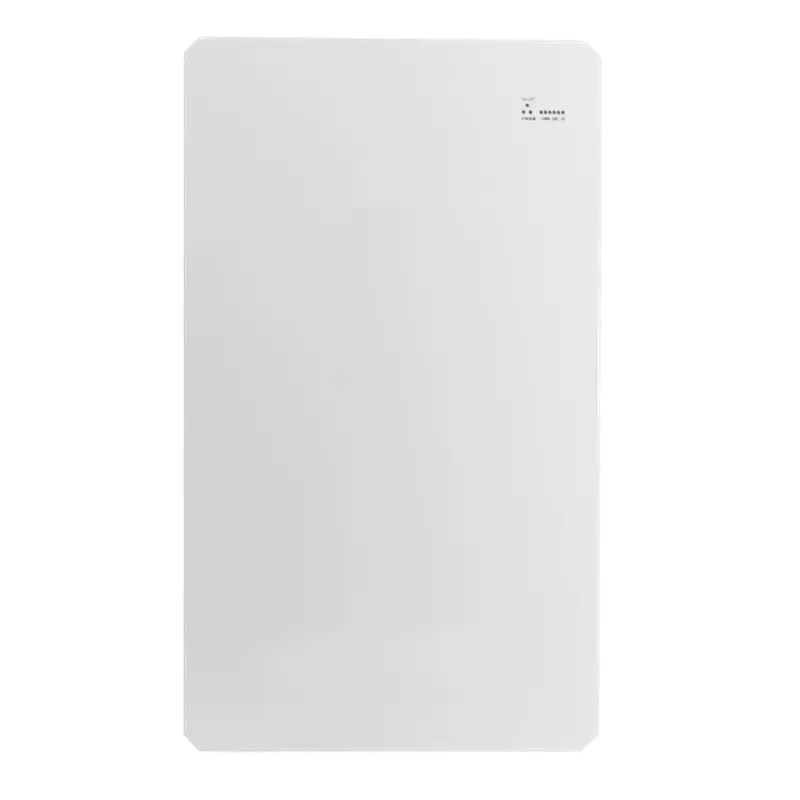
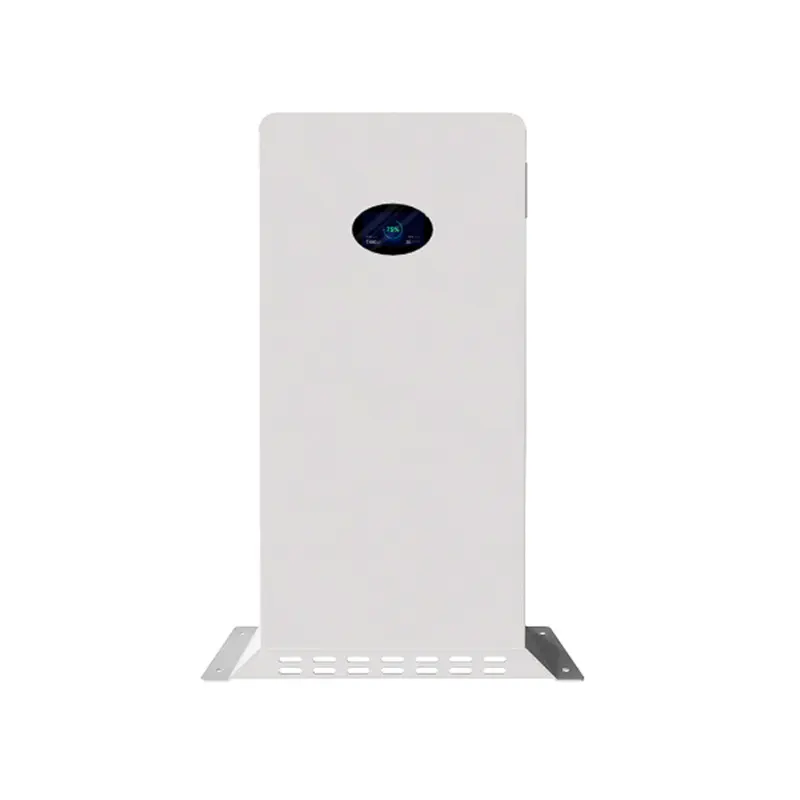
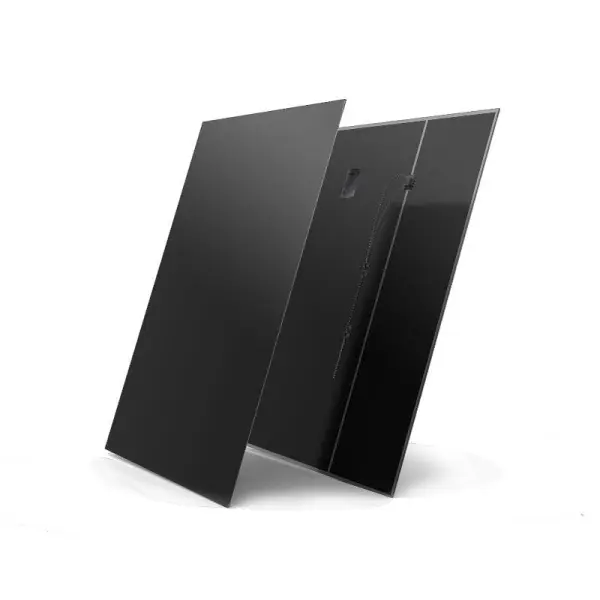
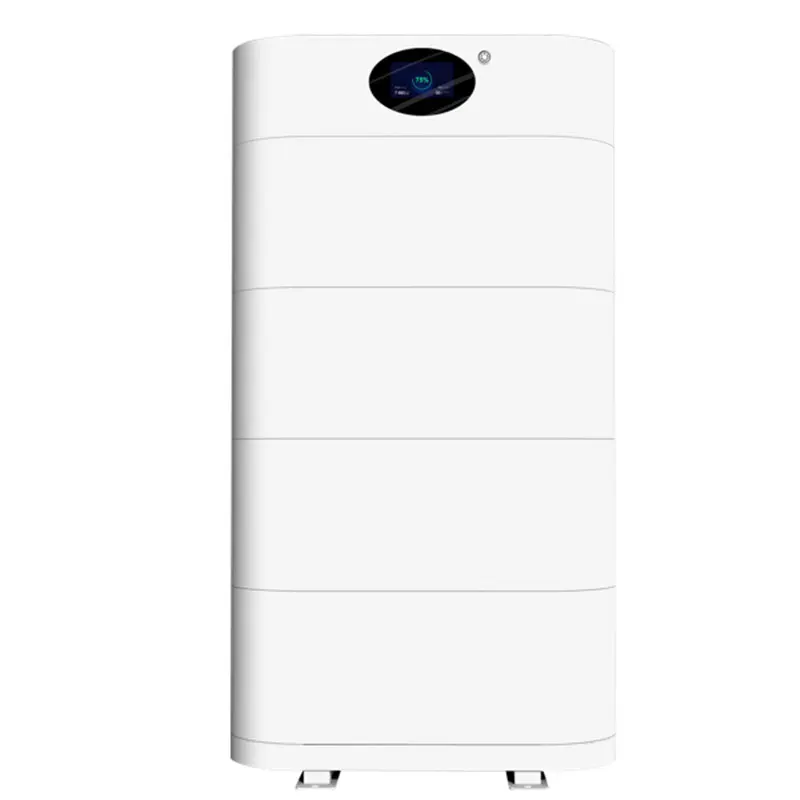
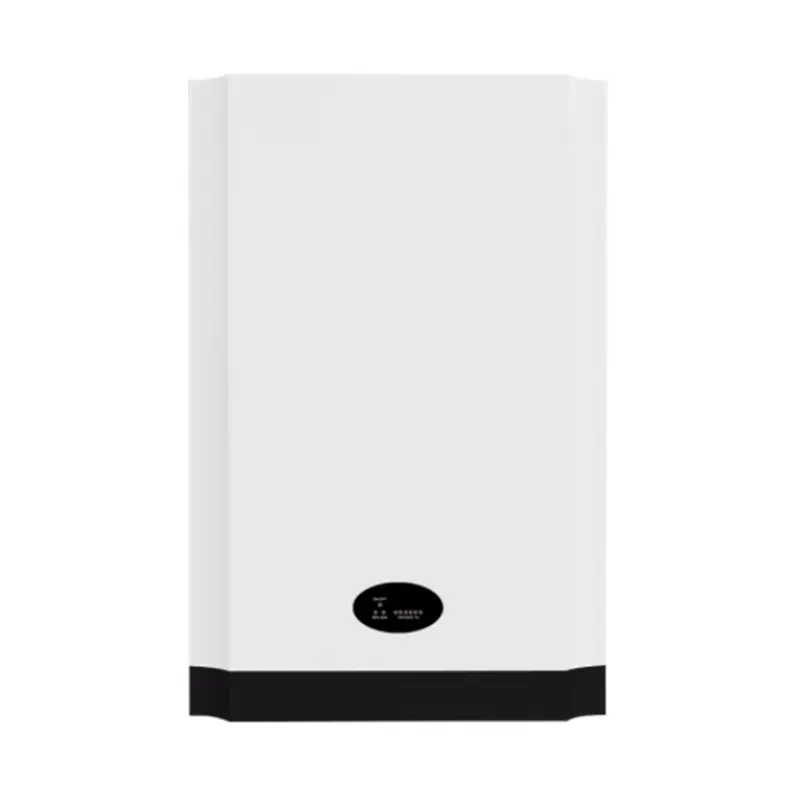
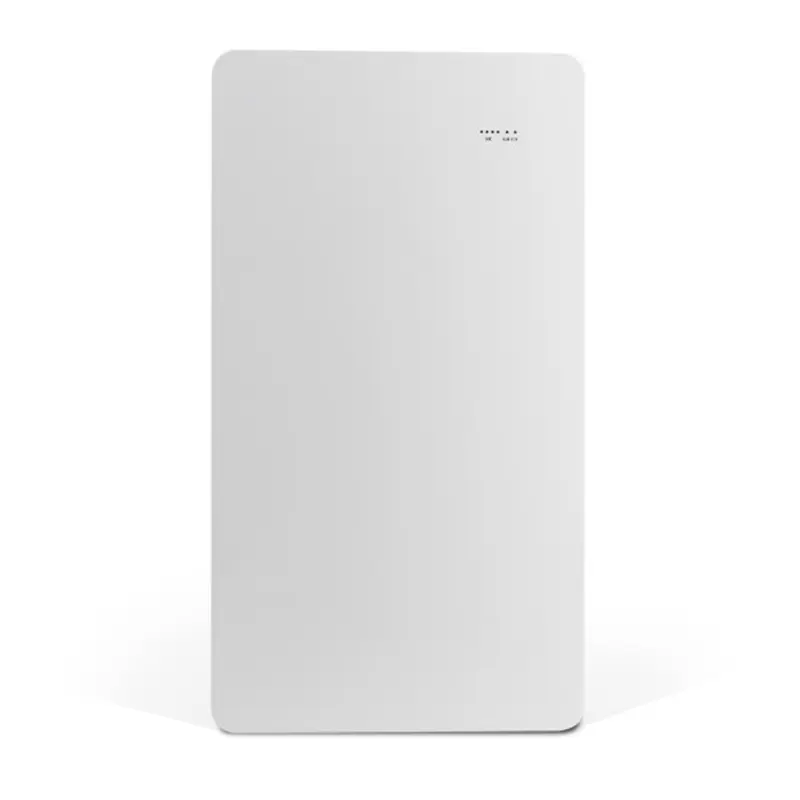
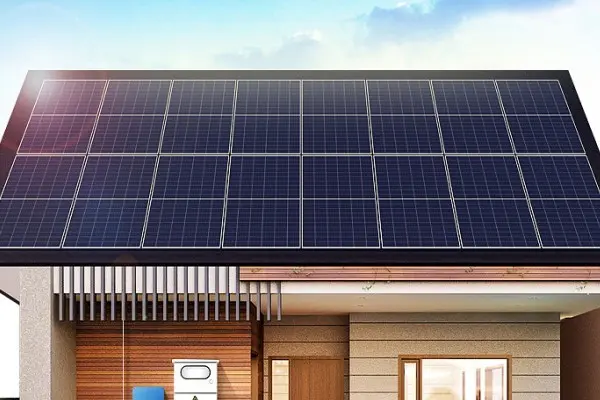
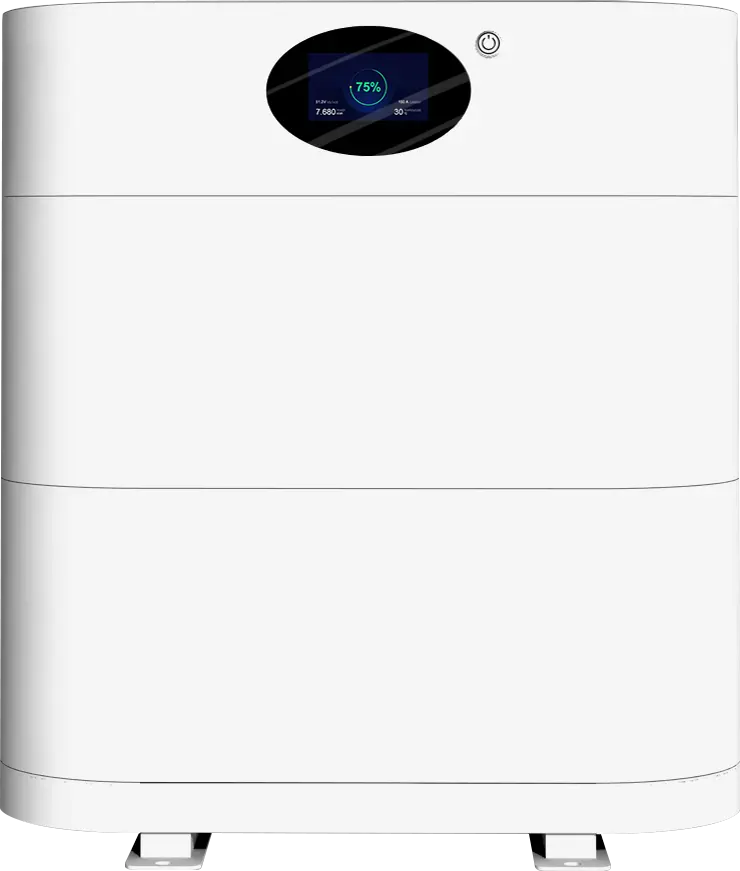
Explore our core selection of tier-1 manufacturing capabilities, including advanced energy storage containers, thin-film solar components, and modular battery systems.
As the global energy transition accelerates, the demand for reliable, high-capacity utility-scale battery storage systems (BESS) has transformed from a grid integration luxury into a critical national infrastructure requirement. Intermittent renewable energy generation from wind and solar photovoltaic (PV) systems requires grid stabilization solutions that only utility-scale storage can offer. At ELEMRO Energy, we stand at the nexus of technology, scale, and supply chain excellence to provide these solutions globally.
Established in 2019 and headquartered in the high-tech industrial hub of Xiamen, China, Elemro Energy has specialized in providing new energy storage and electrical product solutions with rich industry experience. As a unified R&D, production, and sales entity, Elemro serves more than 250 utility, commercial, and industrial customers across Europe, Southeast Asia, Africa, the Middle East, and the Americas. Elemro's revenue has consistently demonstrated exponential annual growth, with turnover exceeding $50 million USD in 2023.
Utility-scale energy storage requires more than just mass-producing battery cells; it demands deep electrical engineering capabilities, integrated battery management system (BMS) software development, and thermal management design that ensures the safe and continuous operation of assets spanning a 15-to-20-year operational life.
By controlling the entire process from structural cell selection and thermal simulation to containerized system integration, we ensure our global partners benefit from minimized project risks and maximized return on investment (ROI).
Modern power grids are facing unprecedented stress. Global carbon neutrality targets have catalyzed the installation of hundreds of gigawatts of variable renewable energy (VRE). However, because wind and solar cannot adjust output to track load demand dynamically, grids suffer from frequency instability, voltage drops, and extensive curtailment during peak production hours.
"Utility-scale battery energy storage systems (BESS) are the ultimate grid stabilizer. By capturing excess generation and discharging it during peak load hours, utility-scale systems turn intermittent resources into dispatchable asset classes."
Modern utility-scale batteries do not rely on a single utility model; instead, they stack multiple revenue streams to optimize project payback periods:
Building high-performance, bankable utility-scale storage requires a highly optimized supply chain. China's manufacturing ecosystem provides distinct structural advantages that benefit international developers:
From lithium carbonate refining, precursor synthesis, and cathode active material (CAM) manufacturing to finished cell assembly and pack integration, China controls over 75% of the worldwide battery supply chain. This concentration minimizes logistical delays, reduces raw material handling overheads, and insulates production lines from geopolitical supply disruptions.
Our state-of-the-art Xiamen assembly lines utilize highly automated robotics, optical sorting, and digital trace systems to track each cell’s life cycle. Modern laser welding and automatic testing devices ensure cell consistency, which is critical for utility-scale systems where thousands of individual cells are connected in series-parallel configurations.
By leveraging large-scale automated factories, Chinese manufacturers achieve unparalleled cost-efficiency per kilowatt-hour (kWh). This allows developers to optimize capital expenditure (CAPEX) without sacrificing build quality, fire safety systems, or advanced liquid-cooling engineering.
Providing cleaner energy configurations for a greener, electrified future.

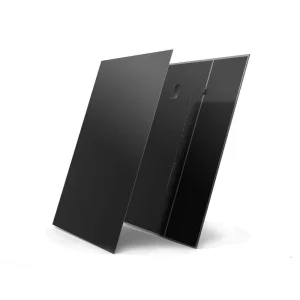
High-transmittance, ultra-clear PV glass engineered for optimal solar module efficiency and long-term durability in harsh outdoor environments.
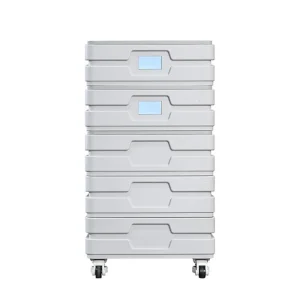
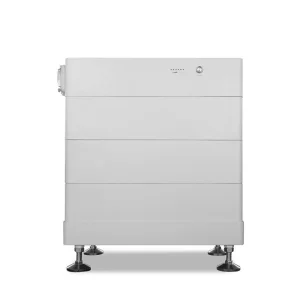
Fully integrated utility-scale battery containers incorporating HVAC, liquid cooling, automated fire suppression, and smart BMS architecture.
Integrated structures designed to generate clean solar energy while providing shelter and EV charging capabilities for commercial parking installations.
A reliable utility-scale battery system requires deep technical alignment across three primary components: electrochemical cells, thermal management, and electronic controls.
As container energy density pushes past 5MWh in standard 20-foot enclosures, air cooling becomes insufficient for maintaining cell temperature uniformity. ELEMRO deploys advanced liquid-cooling systems that flow specialized coolant directly past battery pack heat sinks. This ensures a cell-to-cell temperature differential of less than 3°C, significantly extending battery cycle life and mitigating the risk of localized thermal runaway.
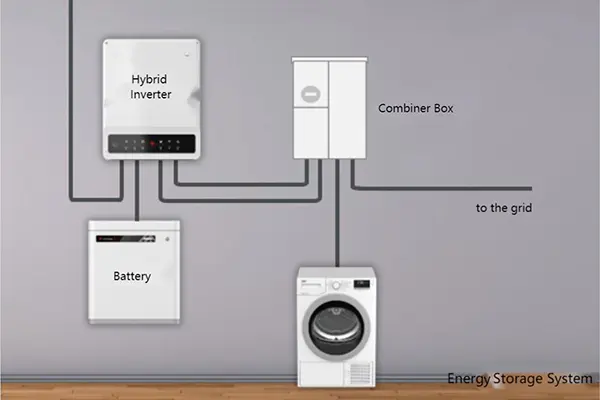
Our smart Battery Management System (BMS) offers three levels of control: cell-level monitoring (voltage, temperature, balancing), pack-level protection, and system-level coordination. The Energy Management System (EMS) coordinates the Power Conversion System (PCS) and grid demands, allowing real-time response to external commands from virtual power plant (VPP) operators.
Our utility-scale storage systems are optimized for several critical application environments:
Start a green and convenient life with Elemro Energy's high-performance hardware line.
As the energy storage landscape evolves, technology is shifting towards higher density, enhanced security, and intelligence:
Securing project financing requires procurement teams to confirm that their chosen energy storage manufacturer meets strict bankability criteria:
Answering crucial technical, commercial, and logistical questions for global energy developers.
Lithium Iron Phosphate (LFP) chemistry offers several advantages for utility-scale systems, including longer cycle life (often exceeding 6,000–8,000 cycles), lower risk of thermal runaway, and lower manufacturing costs compared to Nickel Manganese Cobalt (NMC) cells.
Liquid cooling provides more efficient heat transfer than forced air, allowing high-density battery layouts. It maintains a tighter temperature range between cells, reducing cell degradation and minimizing the risk of localized hot spots that can lead to safety hazards.
Key safety and performance certifications include UL 9540 (system safety), UL 9540A (thermal runaway evaluation), IEC 62619 (industrial battery safety), CE marking, and local grid connection codes like G99 in the UK or IEEE 1547 in the US.
We use automated testing at the factory level, screening cells for capacity, internal resistance, and voltage. High cell uniformity prevents premature capacity fade in series-parallel configurations and optimizes overall system efficiency.
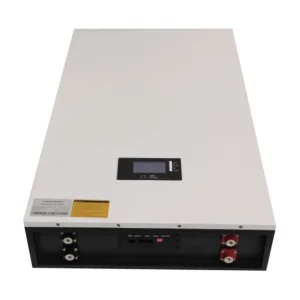
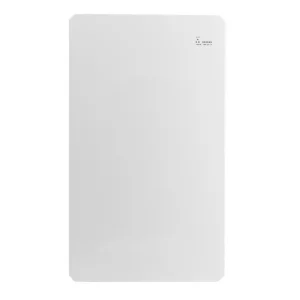
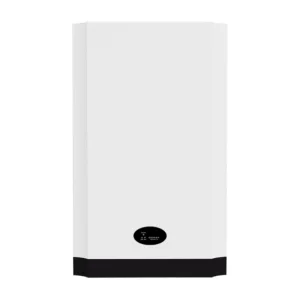
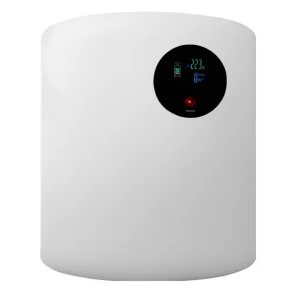
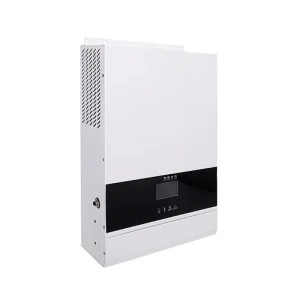
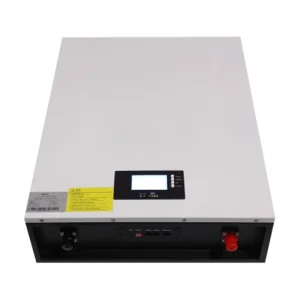
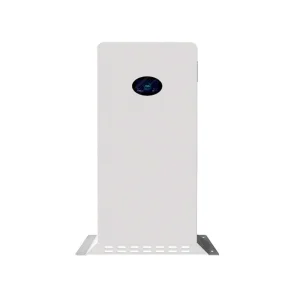
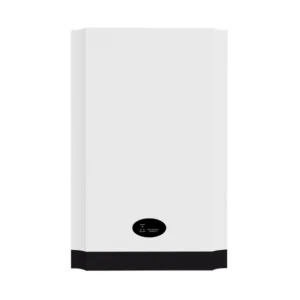
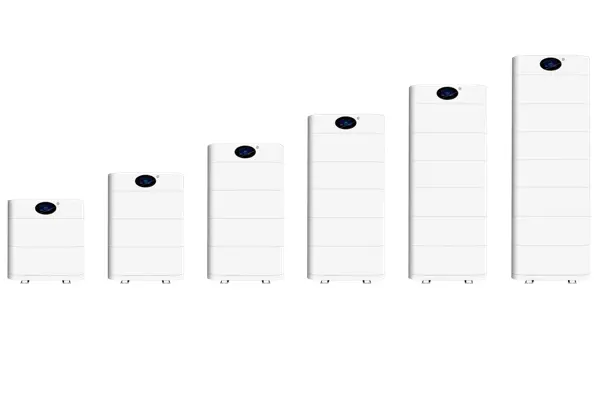
Browse our extensive collection of high-voltage and low-voltage battery storage systems manufactured to international standards.
Stay updated with our technical articles, product announcements, and company news.
Jul 07, 2023
Nov 26, 2023
Nov 10, 2023





 Elemro Energy