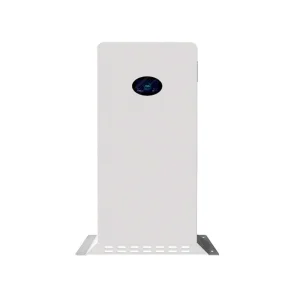
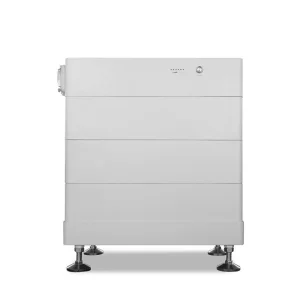
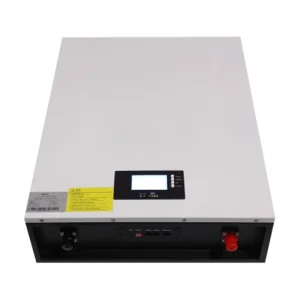
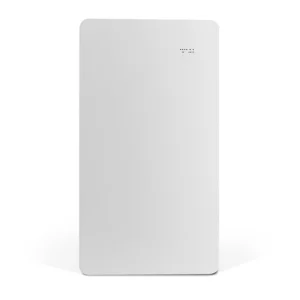
Explore our high-efficiency residential, commercial, and industrial energy storage devices designed to integrate seamlessly with solar power architectures.
Established in 2019 and headquartered in the modern port city of Xiamen, China, ELEMRO Energy has emerged as a premier force in new energy storage and integrated electrical product solutions. Unifying state-of-the-art Research & Development (R&D), highly optimized production, and robust international sales channels, ELEMRO has positioned itself as an industry leader.
Our technology has reached over 250 commercial, utility, and residential clients across Europe, Southeast Asia, Africa, the Middle East, and the Americas. By continuously investing in advanced micro-grid and inverter topologies, our annual turnover is projected to cross USD 50 million in 2023, reflecting rapid annual expansion powered by reliability and trust.
We provide cleaner energy for a greener world through low-carbon innovation and closed-loop quality management systems.
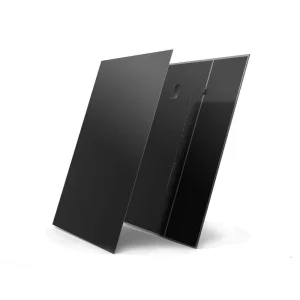
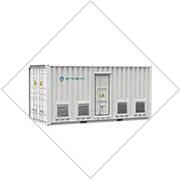
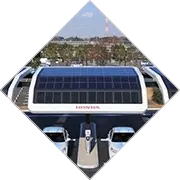
Developing specialized modules including high-efficiency Solar Glass, commercial Energy Storage Containers, and Car Port Solar Power integration.

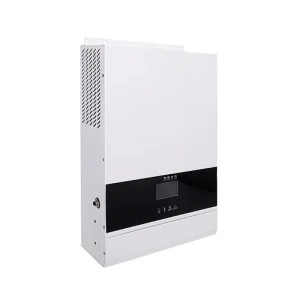
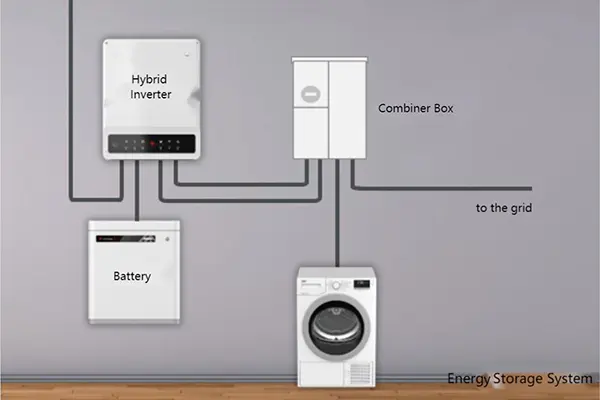
Modern storage inverters form the brain of any modern decentralized power grid. By converting variable DC output from solar photovoltaic (PV) arrays into grid-compatible AC power, and managing the bidirectional routing to battery energy storage systems (BESS), modern storage inverters act as the cornerstone of clean energy flexibility. As the industry moves past basic grid-tied architectures, the technology roadmap is evolving in several critical dimensions:
Transitioning from silicon-based IGBTs to Gallium Nitride (GaN) and Silicon Carbide (SiC) switches to drive conversion efficiency above 98.8% and reduce thermal envelopes.
Moving from grid-following phase-locked loops (PLL) to grid-forming algorithms that emulate physical synchronous inertia, essential for high-penetration renewable microgrids.
Decoupled multi-core designs allow rapid component replacement without taking the entire energy storage unit offline, dropping O&M down-time significantly.
By integrating advanced Digital Signal Processors (DSP) with artificial intelligence at the edge, contemporary storage inverters from tier-1 manufacturers perform real-time diagnostic checks, detect insulation faults, and dynamically communicate with local utilities via Modbus TCP, CAN, or cellular links. This enables seamless virtual power plant (VPP) aggregation on a macro scale.
Deploying energy storage products requires mapping distinct user intents with targeted solutions. B2B buyers must prioritize system compatibility, load profiles, and environmental footprints:
Optimized for peak shaving, demand charge management, and backup continuity. These layouts rely on high-voltage containerized energy storage units coupled with multi-megawatt central hybrid inverters, providing millisecond-level transition during grid drops.
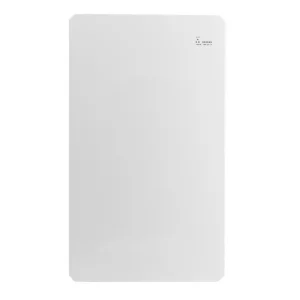
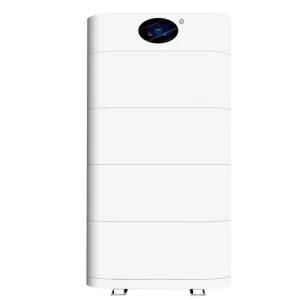
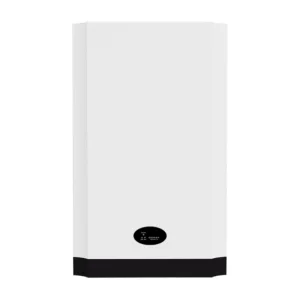
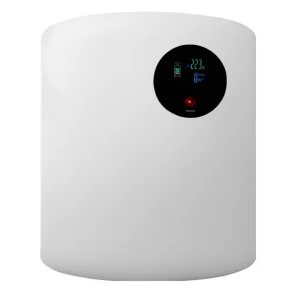
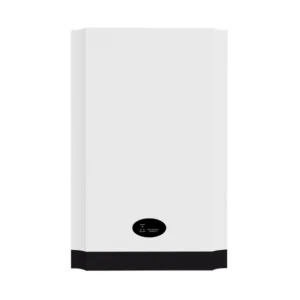
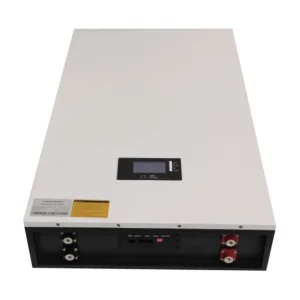
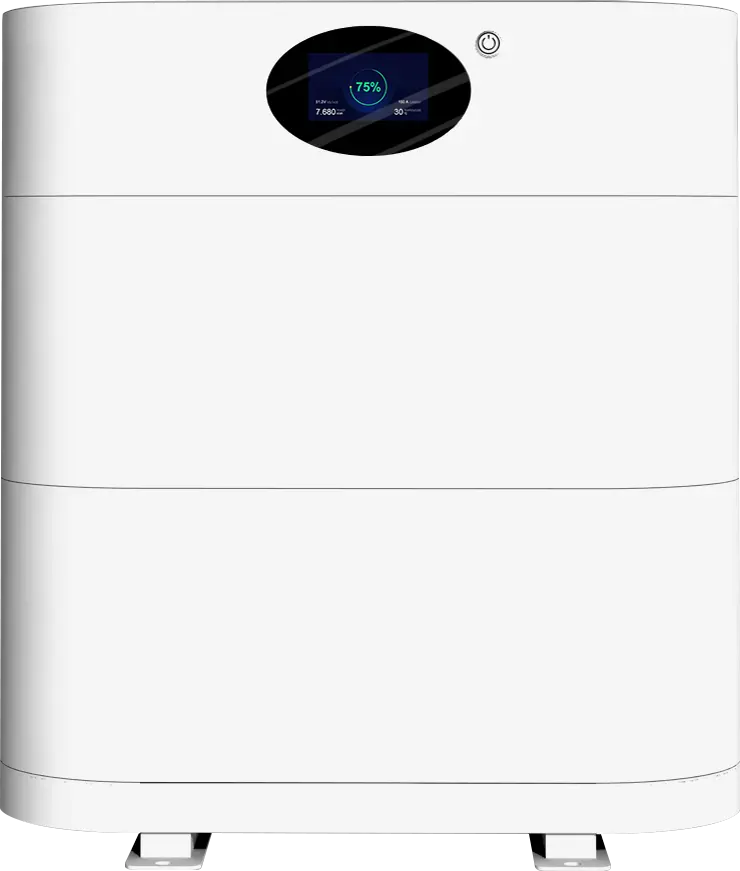
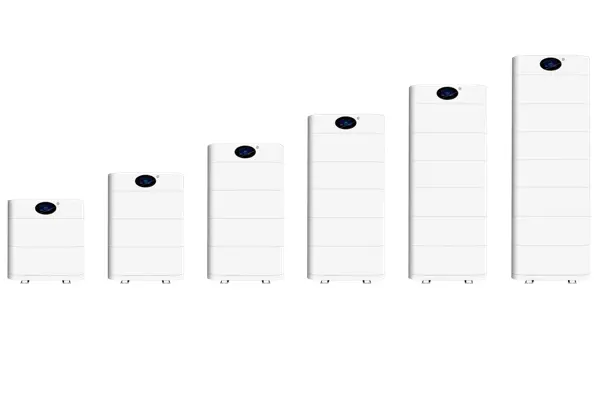
Typically deploying modular low-voltage and high-voltage stackable battery units, like the Elemro SHELL and WHLV series, configured with hybrid single/three-phase split-phase inverters to achieve total energy independence and maximize self-consumption.
Utilizing advanced Cadmium Tellurium (CdTe) thin film solar cells integrated directly into architectural facades. This requires specialized decentralized micro-inverter arrays to mitigate shading issues while matching architectural safety standards.
China’s industrial strategy has forged the world’s most vertically integrated solar and energy storage supply chain. Elemro Energy, rooted in this ecosystem in Xiamen, leverages advanced Factory 4.0 standards to maintain superior quality control and price performance:
Connecting energy storage assets to public utility grids demands comprehensive compliance with international standards. ELEMRO ensures that all exported systems carry standard certifications to guarantee fast interconnection approvals:
Our storage inverter systems and lithium battery products are certified against major global regulatory frameworks, including UL 1973, UL 9540A (for safety and thermal runaway prevention in North America), CE, IEC 62619, IEC 62109 (for global distribution), and local standards such as VDE-AR-N 4105 in Germany and AS/NZS 4777 in Australia.
By working closely with regional engineering partners, we offer localized commissioning support, firmware customized to comply with regional grid-code requirements (including active/reactive power control and anti-islanding parameters), and multi-lingual technical documentation.
When drafting RFPs or evaluating suppliers for large-scale energy storage projects, procurement departments must evaluate several system-critical metrics beyond the baseline purchase price:
Ensure the DC voltage window of the storage inverter aligns with the battery bank's operational voltage limits. High-voltage batteries (300V-800V) offer lower transmission losses than low-voltage (48V) setups.
For critical backup environments, seek inverters with an automatic transfer switch (ATS) time under 10ms to prevent connected IT equipment from resetting during grid loss.
Evaluate the inverter's maximum operating temperature before it starts limiting output power. Smart cooling layouts keep full power capability up to 45°C or higher.
Keep up with technical updates, application scenarios, and system configuration strategies written by our engineering team.
Technical answers to common inquiries from engineers, EPC contractors, and global buyers.
A standard solar inverter is unidirectional, converting DC power from panels to AC power for immediate grid use or local loads. A storage inverter (also called a hybrid or bidirectional inverter) manages two-way power flow. It can route solar energy to the grid, the home, or a battery bank, and pull power from the grid to charge the battery when utility rates are low.
High-voltage (HV) battery systems (usually above 200V DC) operate at lower currents than 48V low-voltage (LV) systems for the same power rating. This significantly reduces thermal loss, allows thinner copper wiring, and increases round-trip efficiency. High-voltage setups are ideal for medium-to-large residential and C&I applications, while LV systems remain cost-effective for smaller home backup systems.
By leveraging our primary operations hub in Xiamen and maintaining direct, long-term supply relationships with raw cell and semiconductor vendors in China, we manage lead times tightly. We optimize factory capacities and maintain critical safety stock for core materials, shielding our global partners from regional supply-chain shocks.
Yes. Our batteries (like the WHLV and SHELL series) use open CANbus and RS485 communication protocols, rendering them compatible with major global hybrid inverter brands. We provide pre-loaded firmware profiles to simplify setup and ensure safe battery management system (BMS) handshakes.
For inquiries about our energy storage products or custom specifications, please leave your email below. Our engineering sales team will get in touch with you within 24 hours.
Select the ideal model for your project. All systems feature dynamic load balancing, deep discharge capability, and intelligent thermal management.




 Elemro Energy