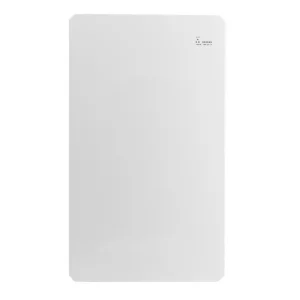
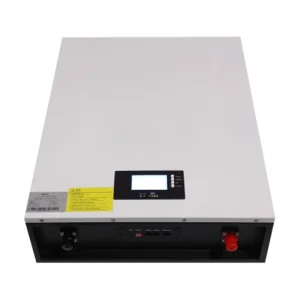
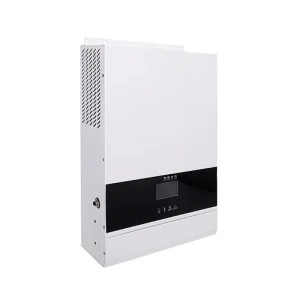
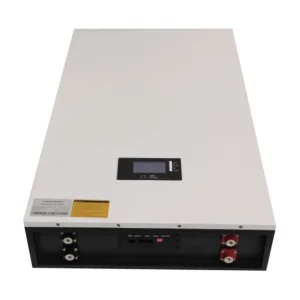
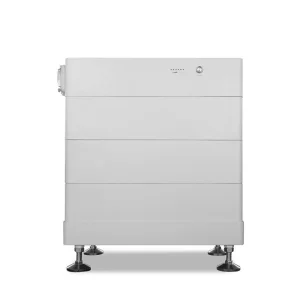
Cutting-edge, highly reliable storage units engineered for domestic, commercial, and utility applications.
As the global power sector accelerates its departure from fossil fuels, the deployment of Stationary Energy Storage Systems (SESS) has transitioned from a supportive microgrid component to a critical pillar of macro-level grid reliability. Driven by severe climate patterns, rising energy pricing structures, and massive geopolitical mandates targeting net-zero emissions, energy storage is no longer optional—it is foundational. Stationary battery storage units resolve the inherent intermittency of wind and solar resources, bridging the supply-demand deficit dynamically.
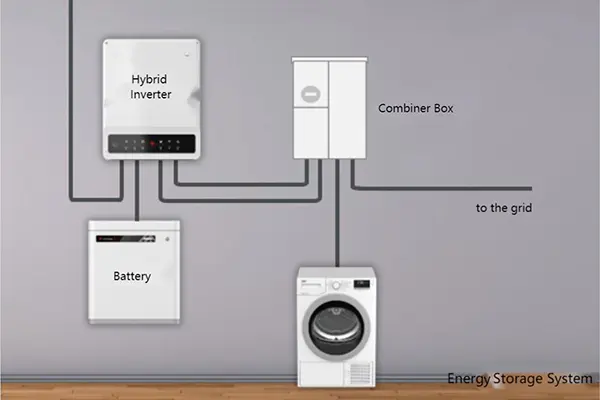
Industries worldwide are pivoting to decentralization. Distributed energy resource networks (DERs), incorporating virtual power plants (VPPs) and battery energy storage systems (BESS), allow commercial facilities, residential regions, and industrial estates to secure autonomous electricity supply. By storing excess photovoltaic energy generated during peak irradiation and discharging during peak utility tariff periods, stationary storage optimizes expenditures while shielding facilities against blackouts.
On a macro scale, the C&I energy storage sector is experiencing rapid growth. In Europe, escalating geopolitical tensions and high dynamic power pricing have forced manufacturing plants to invest heavily in behind-the-meter (BTM) storage container technologies. In North America, regulatory actions such as the Inflation Reduction Act (IRA) provide key financial support, incentivizing regional businesses to implement hybrid solar-plus-storage solutions. Meanwhile, fast-developing markets in Southeast Asia and Africa rely heavily on stationary battery enclosures to offset unstable utility infrastructures, lowering operating expenses and safeguarding manufacturing continuity.
Providing cleaner energy solutions for a greener, more resilient world.

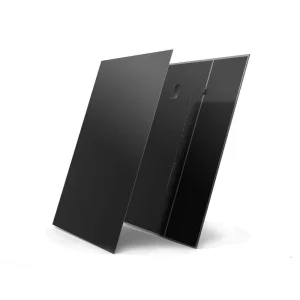
High-transmittance photovoltaic glass modules optimized for building integration, combining structural reliability with efficient clean energy generation.
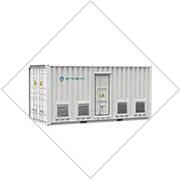
Utility-scale, temperature-controlled, plug-and-play container units featuring integrated safety, fire suppression, and smart management interfaces.
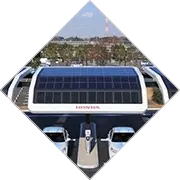
Modern steel-structure solar carports transforming parking zones into active clean power generation sites with integrated EV charging compatibility.
Choosing the correct battery chemistry and system layout represents the single most important decision for long-term project viability. The stationary energy storage market has decisively converged on Lithium Iron Phosphate (LiFePO4) as the industry standard. This transition is motivated by key performance features:
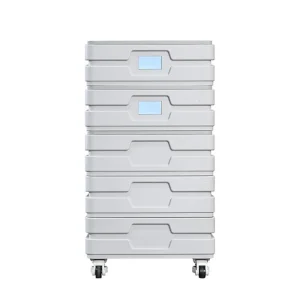
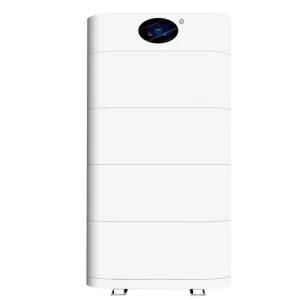
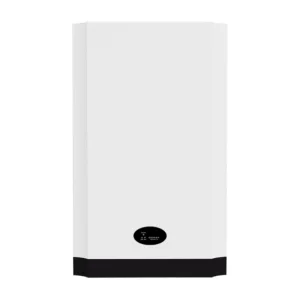
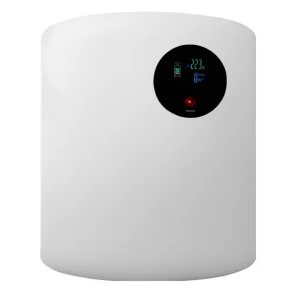
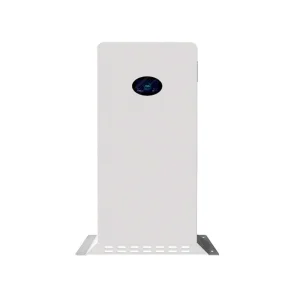
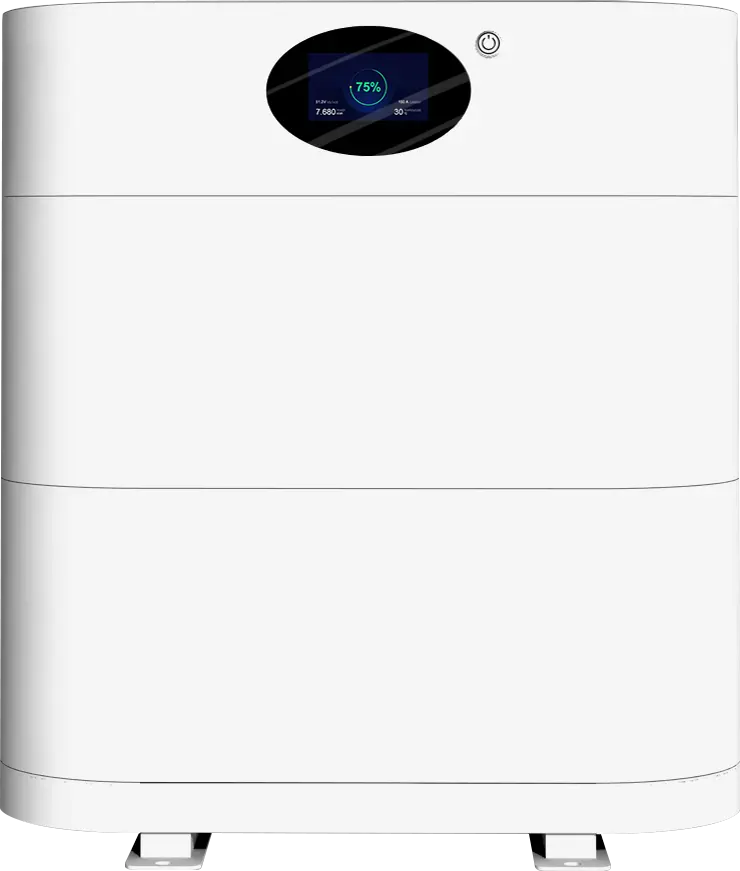
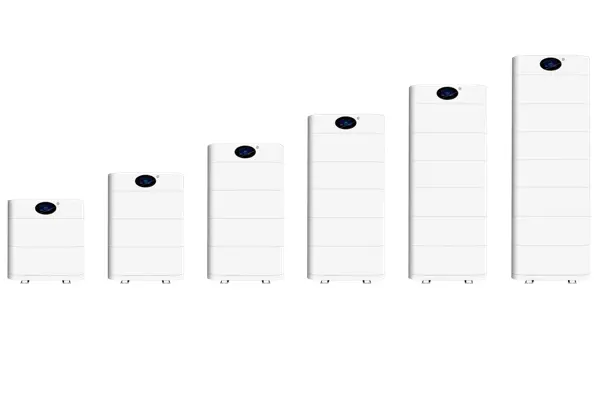
Modern commercial and residential energy storage systems have widely adopted stackable and modular design frameworks. Stackable high-voltage configurations eliminate complex wiring configurations, allowing users to increase capacity by simply positioning additional blocks on top of the base unit. This design dramatically minimizes installation times, reduces wiring complexity, and optimizes spatial footprints.
High-voltage battery setups (ranging from 200V to 800V+) reduce overall current flow, lowering heat generation and power losses across system connections. This design improves total round-trip efficiency and permits thinner, more cost-effective cabling, making it ideal for fast-response commercial installations.
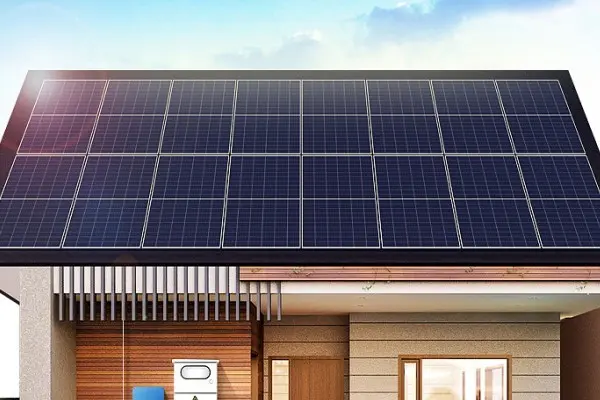
Integrating stationary storage directly with advanced CdTe (Cadmium Tellurium) thin-film solar glass yields highly responsive building skins. By pairing storage with building-integrated solar elements, urban infrastructures can transition into self-sufficient decentralized energy generator hubs.
Established in 2019, headquartered in Xiamen, China, Elemro Energy has been specialized in new energy storage and electrical product solutions with rich experience. It is the market leader in the new energy industry that unifies R&D, production, and sales. The products have been sold to more than 250 customers in Europe, Southeast Asia, Africa, Mid-east, America, etc. Since its establishment, ELEMRO’s revenue has been growing rapidly every year. ELEMRO’s annual turnover is expected to exceed 50 millions USD in year 2023.
Through robust quality control metrics and deep R&D integration, Elemro delivers reliable, certified stationary storage options matching complex technical demands. From modular home backup designs to industrial containers, Elemro Energy continues to drive global efforts toward cleaner, decentralized, and highly resilient power networks.
Providing specialized technology deployment configurations tailored to unique regional environments.
For high-demand facilities in regions like North America and Europe, utility providers impose significant demand fees based on peak monthly draw. Elemro energy containers monitor loads in real-time, discharging stored power during peak windows to lower costs and optimize usage patterns.
In rural communities, islands, and remote farmlands throughout Asia and Africa, grid connections can be highly unstable. Deploying stationary modular battery enclosures paired with PV systems ensures reliable power supply, enabling stable crop irrigation, food cold storage, and essential community lighting.
Integrating Elemro CdTe Cadmium Tellurium Thin Film Solar Glass panels with stackable high-voltage LFP storage allows office blocks to offset peak loads, store clean solar energy on-site, and meet modern environmental and sustainability criteria.
As grid scale storage systems mature, the industry is moving toward highly integrated, intelligent, and flexible architectures. We anticipate three primary waves of transformation over the next decade:
Legacy BMS platforms monitored simple parameters like temperature, voltage, and current. Next-generation systems leverage cloud intelligence and neural network modeling to predict cell degradation patterns, evaluate State-of-Health (SoH) metrics, and forecast localized solar production. This proactive model optimizes thermal management routines, extending cell lifespan by up to 25%.
While LiFePO4 remains the primary option for C&I applications, alternative battery technologies are advancing quickly. Sodium-ion cells offer reliable low-temperature performance and utilize abundant materials, positioning them as an excellent solution for stationary installations in extreme winter conditions. Additionally, solid-state battery technology promises to deliver higher energy density and improved safety profiles in the future.
Inverters are transitioning from grid-following designs to grid-forming architectures, which actively support and stabilize local grid voltages. Concurrently, Vehicle-to-Grid (V2G) interfaces will merge electric vehicle fleets with static energy storage setups, creating unified, dynamic energy systems.
In-depth responses resolving key procurement, engineering, and deployment concerns.
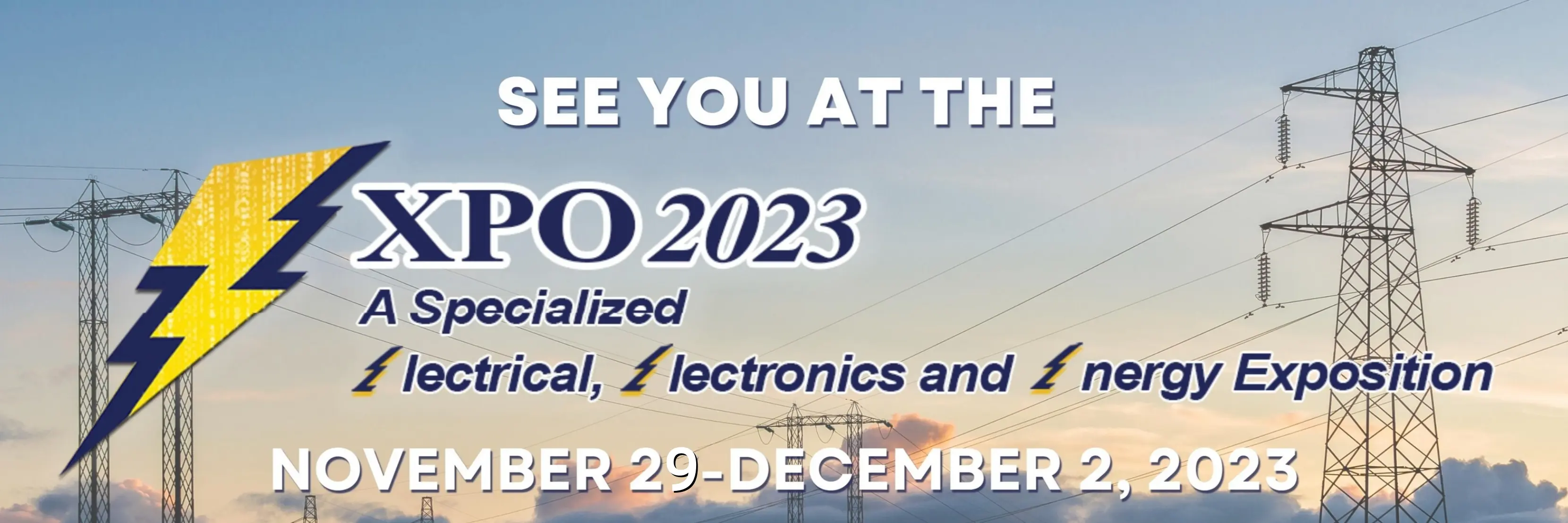
Stay informed with the latest updates, technical analyses, and event announcements from Elemro.
For inquiries about our products, customization services, or current price list, leave your email below and our engineering team will get in touch within 24 hours.
Explore our wide selection of home and commercial energy storage products.




 Elemro Energy