Explore our key industrial and residential energy storage configurations, designed and engineered by Elemro Energy to meet rigorous utility standards.
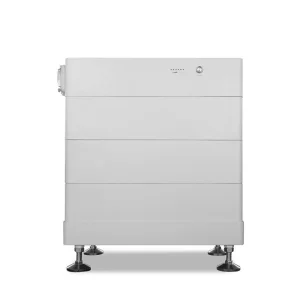
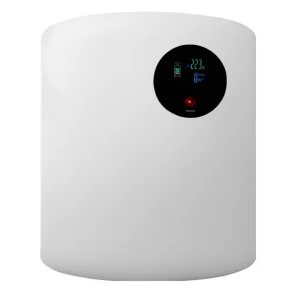
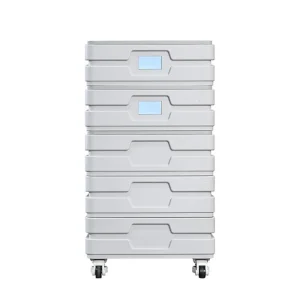
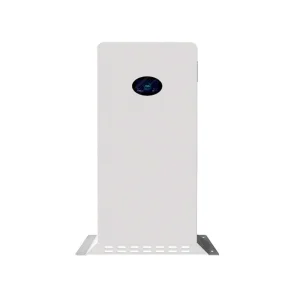
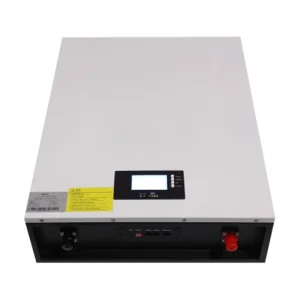
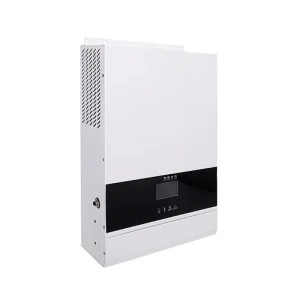
The integration of Photovoltaic (PV) power systems with utility-scale battery energy storage systems (BESS) represents the most significant paradigm shift in modern electrical engineering. For decades, the intermittency of solar irradiance limited solar power to a supplementary grid asset. Today, with the rapid advancement of lithium iron phosphate (LiFePO4) chemistry and active balancing Battery Management Systems (BMS), solar systems are transitioning from passive generators to fully dispatchable power assets.
As global grid architectures face increasing loads from industrial automation, electric vehicles, and high-performance computing centers, real-time power stabilization is critical. B2B operators, EPC contractors, and factory builders are no longer just procuring solar panels; they are deploying unified local microgrids capable of peak shaving, load shifting, black start restoration, and high-efficiency power quality mitigation. This whitepaper analyzes how high-performance storage integration optimizes Levelized Cost of Energy (LCOE) and enhances grid reliability under changing regulatory structures.
To provide project directors, electrical engineers, and global procurement officers with the analytical criteria and technical specifications required to select, design, and deploy utility-scale and commercial/industrial (C&I) solar PV systems combined with advanced battery storage.
Founded in 2019 and headquartered in Xiamen, China, ELEMRO Energy integrates R&D, electrical structural design, production quality assurance, and global sales. We build dedicated solutions spanning specialized inverters, high-voltage battery modules, and BIPV components.
Deploying advanced storage and electrical components across more than 250 industrial-scale clients throughout Europe, Southeast Asia, Africa, the Middle East, and the Americas. ELEMRO's annual turnover is expected to exceed USD 50 million, powered by highly resilient supply chain structures.
By producing advanced thin-film CdTe (Cadmium Telluride) solar glass modules alongside standard high-density monocrystalline arrays, ELEMRO bridges the gap between architectural aesthetic and high-yield power generation.

High-efficiency BIPV (Building Integrated Photovoltaics) glass designed to transform commercial facades and architectural roofs into active solar generation grids.
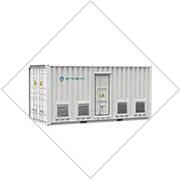
Fully containerized C&I megawatt-class battery energy systems complete with liquid cooling, fire suppression systems, and integrated Energy Management Systems (EMS).
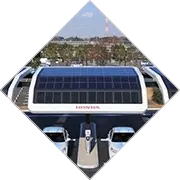
Structural solar integration for institutional parking structures, facilitating EV charging integration and on-site load containment.
Industrial procurement of BESS and Solar PV setups demands strict alignment with performance metrics that directly impact project IRR (Internal Rate of Return). Purchasing agents must balance upfront capital expenditure (CAPEX) with long-term operational costs (OPEX). Key engineering specifications required for enterprise-grade deployment include:
To assure a 10 to 15-year operational window, cell formulations must sustain more than 6,000 charge/discharge cycles at 80% Depth of Discharge. Premium LFP cells integrated with active BMS balance voltage states across series, minimizing cell degradation and maximizing dynamic capacities.
High-voltage battery racks (operating between 350V and 800V DC) are increasingly preferred over legacy low-voltage (48V) setups for utility and commercial systems. These stacked configurations reduce transmission current requirements, lower line losses, and optimize conversion efficiency in hybrid PCS systems.
Industrial systems demand reliable thermal dissipation. Liquid cooling designs maintain module temperatures within a ±2°C delta across the entire battery rack, preventing localized hot spots and reducing thermal runaway risks under fast C-rate charging profiles.
Furthermore, modern procurement guidelines place high value on bankability. Tier-1 equivalent product design requires traceablity down to the cell level, validation via independent certification tests (such as DNV GL, TUV, or Intertek), and multi-year warranties backed by global insurance syndicates.
To maintain a competitive edge, project designers must track key developments across the energy transition roadmap:
LFP chemistry remains the standard for safety, structural integrity, and chemical stability, outcompeting NMC architectures for stationary grid support due to its higher thermal runaway limits.
Intelligent power conversion systems (PCS) now feature dual-port connections, permitting simultaneous DC-coupled inputs from PV panels and battery storage racks to maximize round-trip efficiency (RTE).
CdTe (Cadmium Telluride) thin-film solar cell technologies replace standard glass facades on commercial towers, converting building structures into passive generators that operate efficiently even in indirect low-light environments.
Advanced EMS platforms utilize machine learning algorithms to predict local solar irradiance profiles and optimize battery state-of-charge (SoC) management against dynamic utility tariffs.
Transitioning to solid-state battery topologies remains on the long-term roadmap. For the 2025-2030 deployment cycles, advanced lithium iron phosphate cells with automated BMS balancing remain the optimal combination of reliability, cycle safety, and cost performance.
Installing utility-scale battery energy storage systems requires navigating complex regional compliance structures. Grid interconnectivity standards vary widely across borders, forcing developers to select manufacturers with proven testing documentation.
Crucial for North American projects. Underwriters Laboratories (UL) 9540A evaluates thermal runaway fire propagation in BESS modules, ensuring compliance with local fire safety guidelines for safe indoor and outdoor installation.
Standard requirements across European markets. These verify the basic safety, insulation performance, and functional control loops of lithium battery packs for industrial applications.
Ensures the system's hybrid inverter can perform active grid support functions, such as dynamic voltage regulation, frequency droop response, and anti-islanding protection during local outages.
Our manufacturing processes prioritize localized certification profiles. We ensure that our utility containers and residential battery packs are pre-configured to meet regional standards, reducing installation bottlenecks and testing friction at the commissioning stage.
Stay updated with our technical team's in-depth research, focused on inverter topologies, battery life extensions, and field-tested BIPV installations.
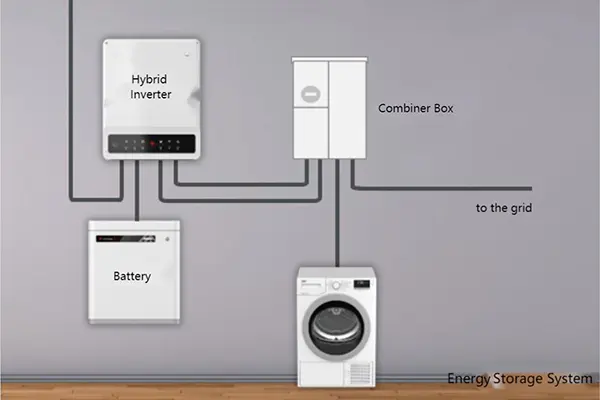
July 07, 2023
An analysis of hybrid residential inverter topologies, reviewing single-phase and three-phase configurations, off-grid changeover times, and phase load balancing algorithms.
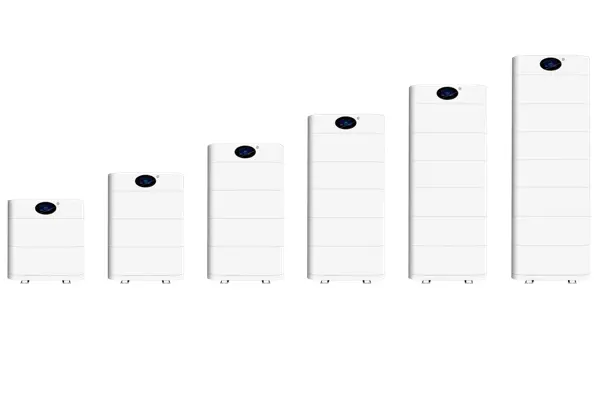
July 07, 2023
A technical comparison between lithium iron phosphate (LiFePO4) and sodium-ion batteries, assessing energy densities, thermal operating limits, and manufacturing cost projections.
July 07, 2023
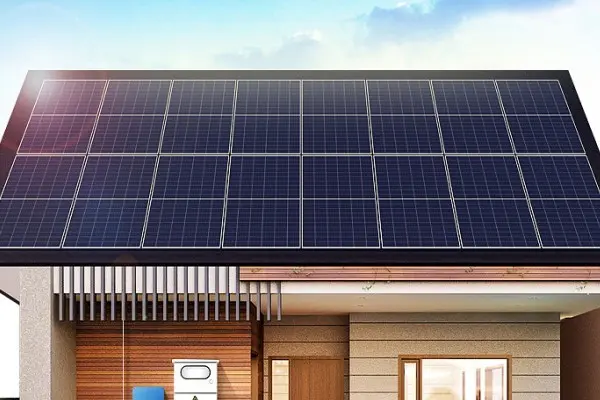
A study on configuring energy storage systems to optimize peak shaving, dynamic demand charge reduction, and backup power configurations for mission-critical loads.
November 26, 2023
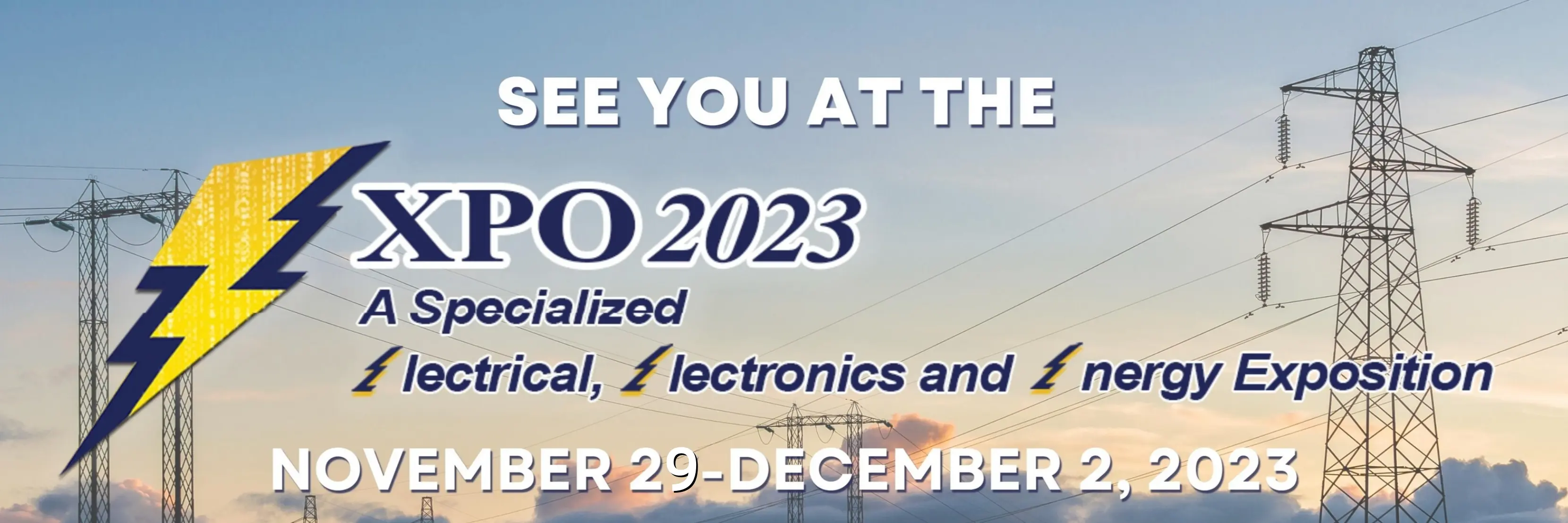
Reviewing our team's participation in Manila's leading energy expo, showcasing modular grid-tied configurations designed specifically for high-humidity coastal deployments.
November 10, 2023
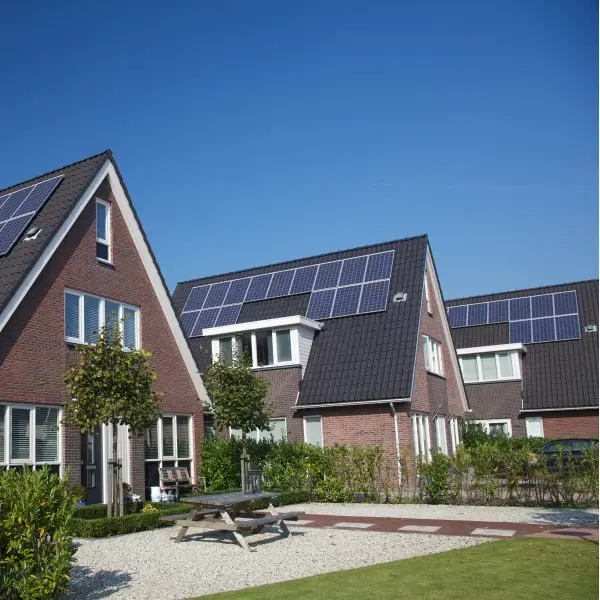
An engineering guide on choosing between crystalline silicon PV and Cadmium Telluride (CdTe) thin-film setups for facade-integrated projects.
September 15, 2023
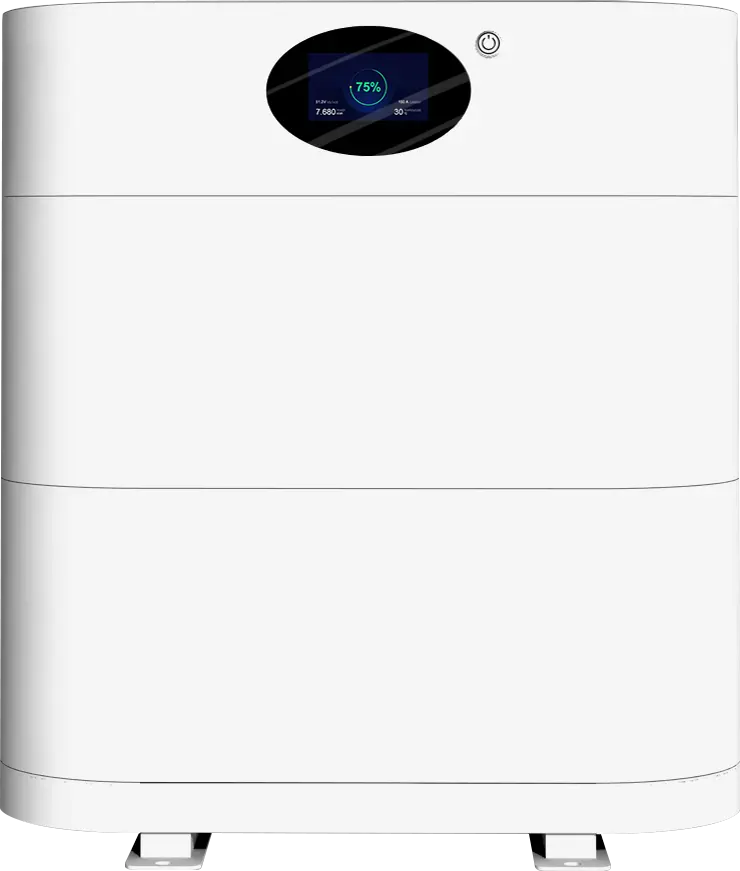
Evaluating stackable, high-voltage battery designs, focusing on safety protocols, modular CAN/RS485 communication setups, and passive balancing mechanisms.
Find quick answers to common technical queries from solar project engineers and purchasing managers.
Choose the configuration that fits your project parameters. Contact our engineering team for custom voltage, sizing, and container designs.
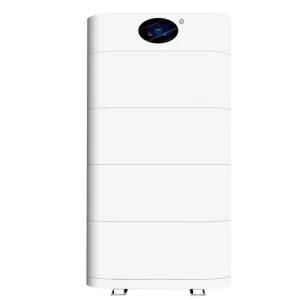
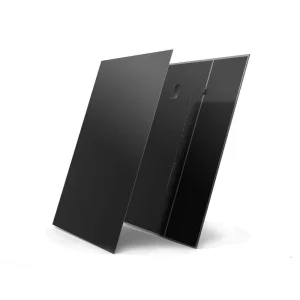
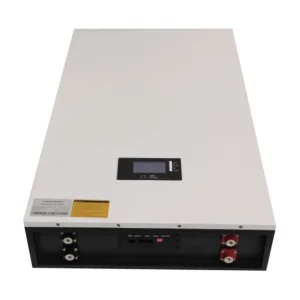
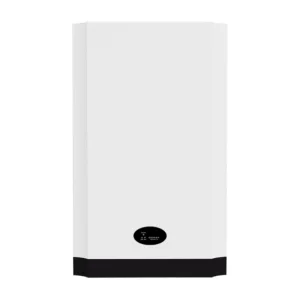
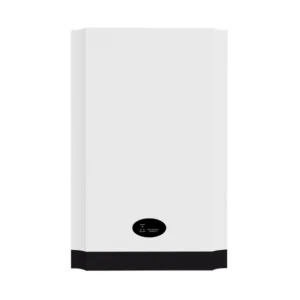





Connect with our senior engineering team to receive detailed system designs, custom battery pack dimension drawings, and factory direct pricing schedules within 24 hours.
Submit Request For Proposal Elemro Energy