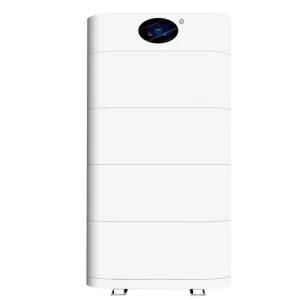
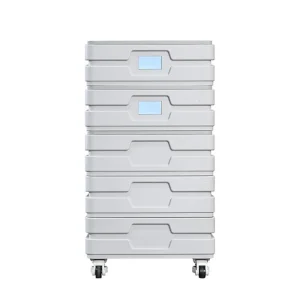
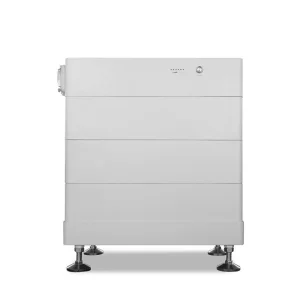
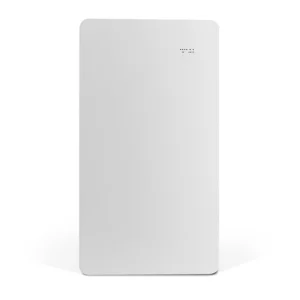
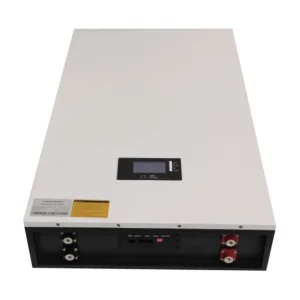
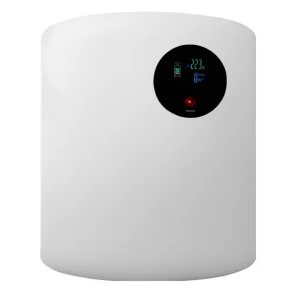
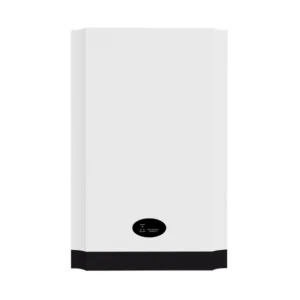
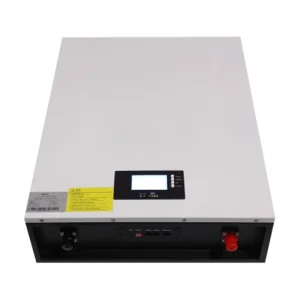
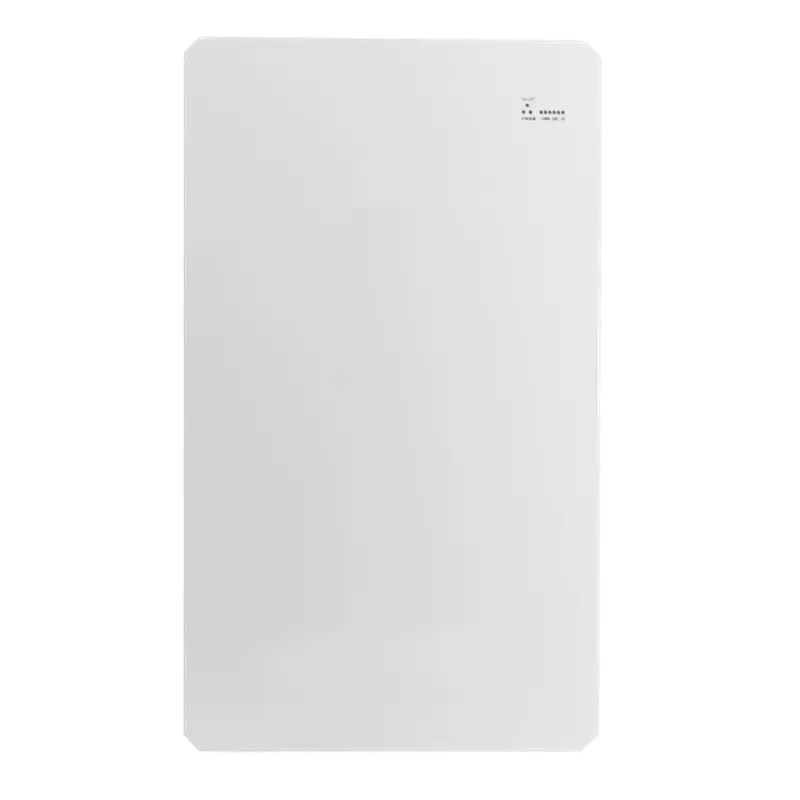
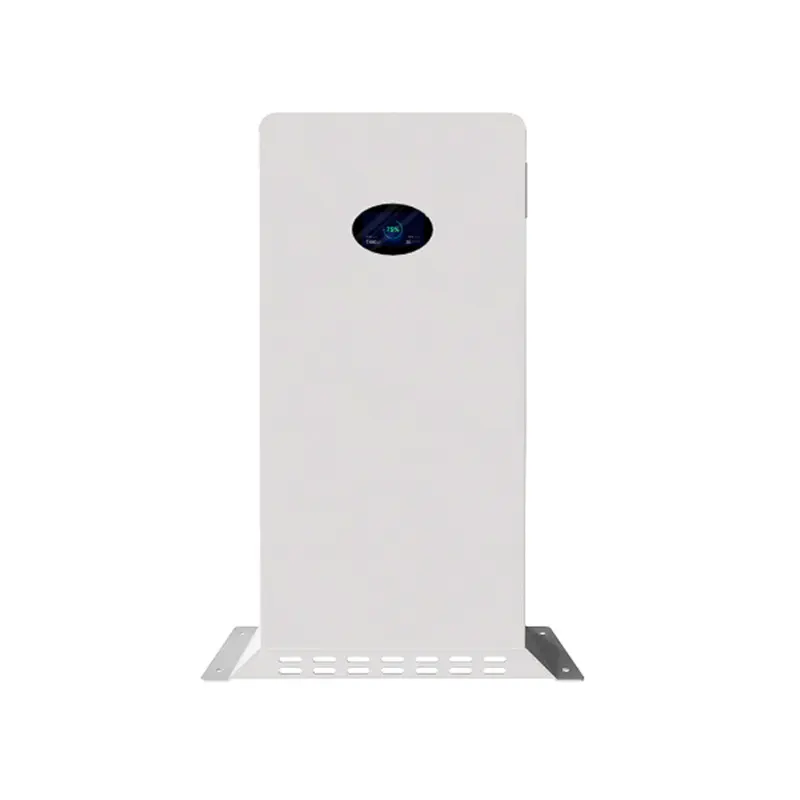
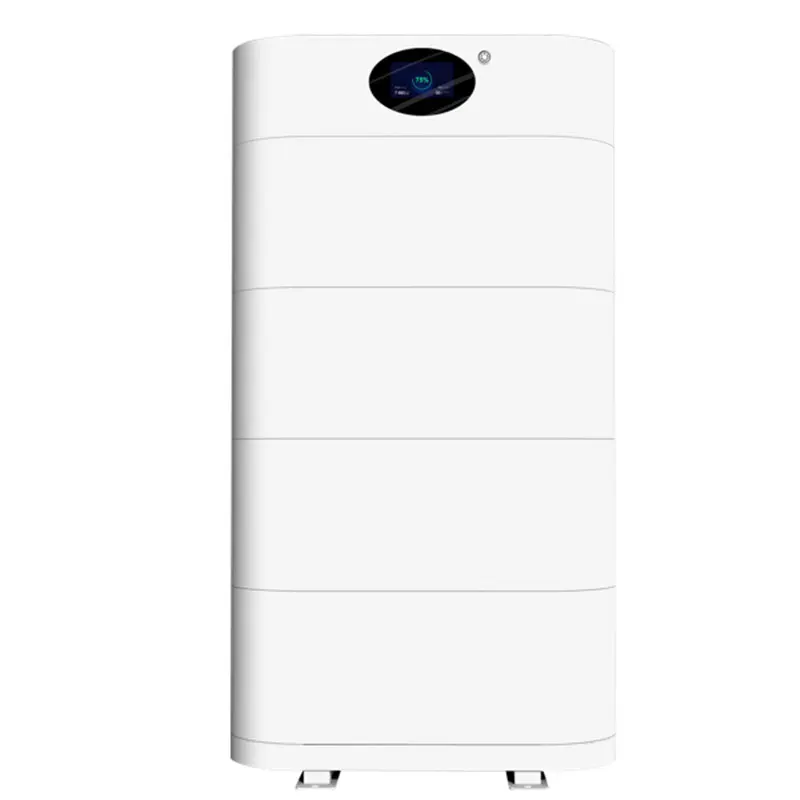
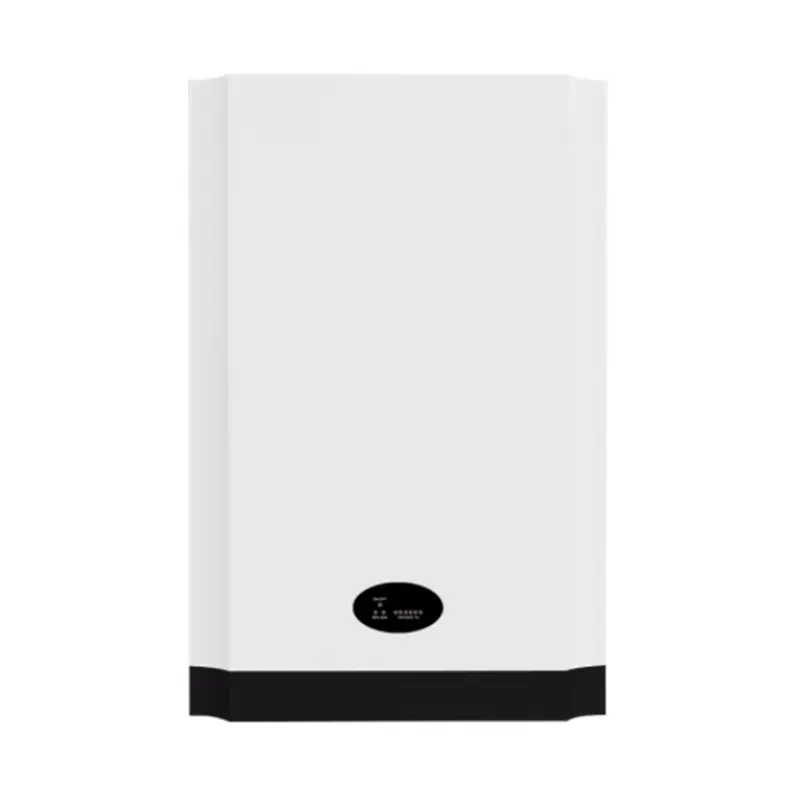
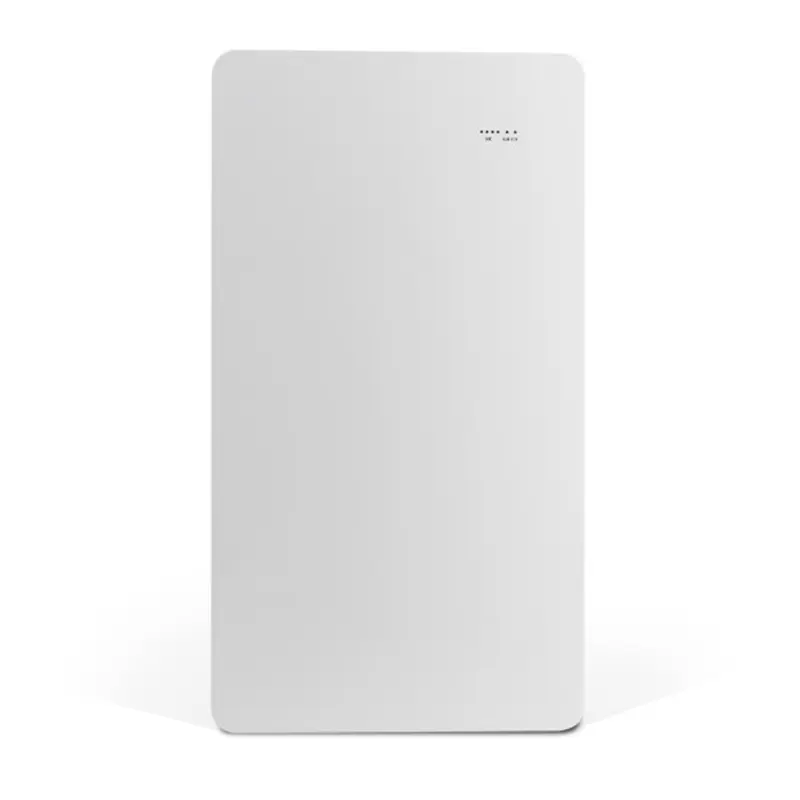
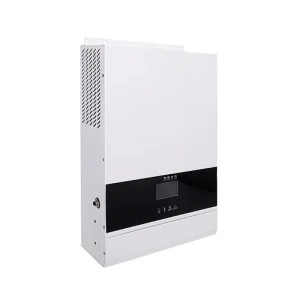
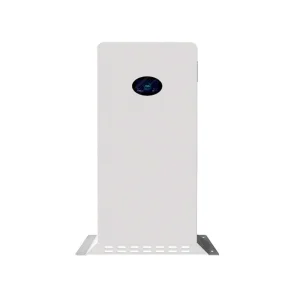
Explore our core high-voltage and stackable Lithium Iron Phosphate (LiFePO4) solar storage battery architectures developed for global industrial, commercial, and residential projects.
Established in 2019 and headquartered in the high-tech hub of Xiamen, China, ELEMRO Energy has positioned itself at the vanguard of new energy storage and integrated electrical infrastructure solutions. We integrate state-of-the-art research and development, smart manufacturing processes, and international distribution channels into a singular, cohesive operation.
With an active, globally distributed customer base spanning more than 250 industrial partners across Europe, Southeast Asia, Africa, the Middle East, and the Americas, ELEMRO has demonstrated consistent year-over-year revenue scaling. ELEMRO's annual turnover is expected to exceed 50 million USD, illustrating strong commercial health, technological authority, and absolute market reliability. By manufacturing both residential energy storage units and large-scale utility containerized setups, we specialize in minimizing Solar PV battery storage cost vectors without compromising safety or efficiency.
We provide cleaner energy for a greener world through three core strategic technology pillars.

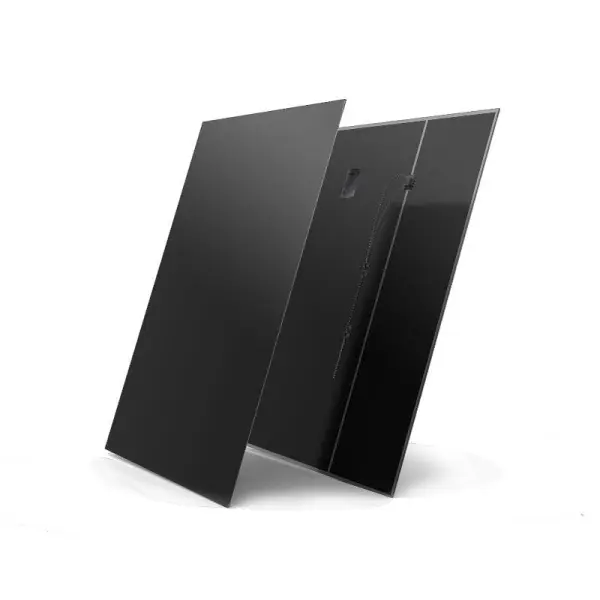
Innovative photovoltaic building materials engineered for seamless BIPV architectural integration, generating zero-emission electricity from structural facades.
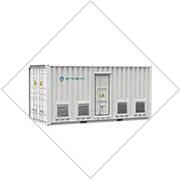
High-voltage utility-scale MWh battery enclosures designed with liquid cooling technology, active battery balancing, and automated safety controls.
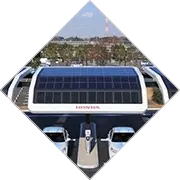
Dual-functional modular carport canopy systems designed to shield vehicle fleets while charging energy storage arrays for on-site grid offset.
Transitioning global energy grids to renewable models requires understanding the capital expenditures (CapEx) and operational costs (OpEx) of Solar Photovoltaic (PV) battery integration. The core economic metric is the Levelized Cost of Storage (LCOS), which calculates the cost per megawatt-hour (MWh) of electricity discharged over a system's lifespan. Over the last decade, advancements in chemical processing, cell density, and automated pack assembly have driven a rapid decline in LCOS.
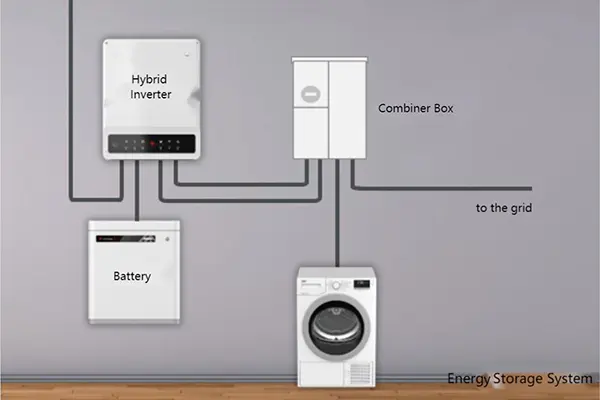
A typical high-quality lithium iron phosphate (LiFePO4) storage architecture includes cell fabrication, battery management systems (BMS), thermal regulations, structural enclosures, and power conversion systems (PCS). By adopting high-voltage series topologies, modern manufacturers reduce system currents, allowing developers to implement thinner copper wiring, minimize resistive heat losses, and lower peripheral infrastructure expenses.
To provide clear visibility for utility procurement officers and engineering firms, solar battery manufacturing costs are divided into key component segments:
| Component Group | Percentage of Cost | Key Performance Indicators (KPIs) | Optimization Strategies |
|---|---|---|---|
| LFP Battery Cells | 50% - 55% | Energy density (Wh/kg), cycle life at 80% DoD, cell chemistry stability. | Raw material volume sourcing, automated automated mixing, and coating. |
| Battery Management System (BMS) | 8% - 12% | Passive/Active balancing precision, SOC/SOH estimation, thermal monitoring. | Multi-tier topology integration and AI-based degradation algorithms. |
| Power Conversion System (PCS) / Inverter | 15% - 18% | Efficiency rate (>98.5%), bi-directional response speed, grid stability compatibility. | Silicon Carbide (SiC) semiconductor modules and thermal dissipation pathways. |
| Thermal & Enclosure (HVAC/Liquid Cooling) | 10% - 12% | IP65/IP66 ratings, fire suppression certifications (NFPA 855 compliance). | Micro-channel liquid cooling loops and modular structural configuration. |
China's dominance in the global Solar PV battery market is supported by systemic supply chain vertical integration, R&D funding, and highly developed manufacturing infrastructure. ELEMRO's manufacturing and R&D centers capitalize on these localized industrial advantages to provide cost-efficient, high-performance systems:
The energy storage industry is shifting from traditional low-voltage (48V/51.2V) parallel configurations to high-voltage (HV) series-connected stacked architectures. Understanding this shift is vital for industrial buyers targeting long-term operational efficiency:
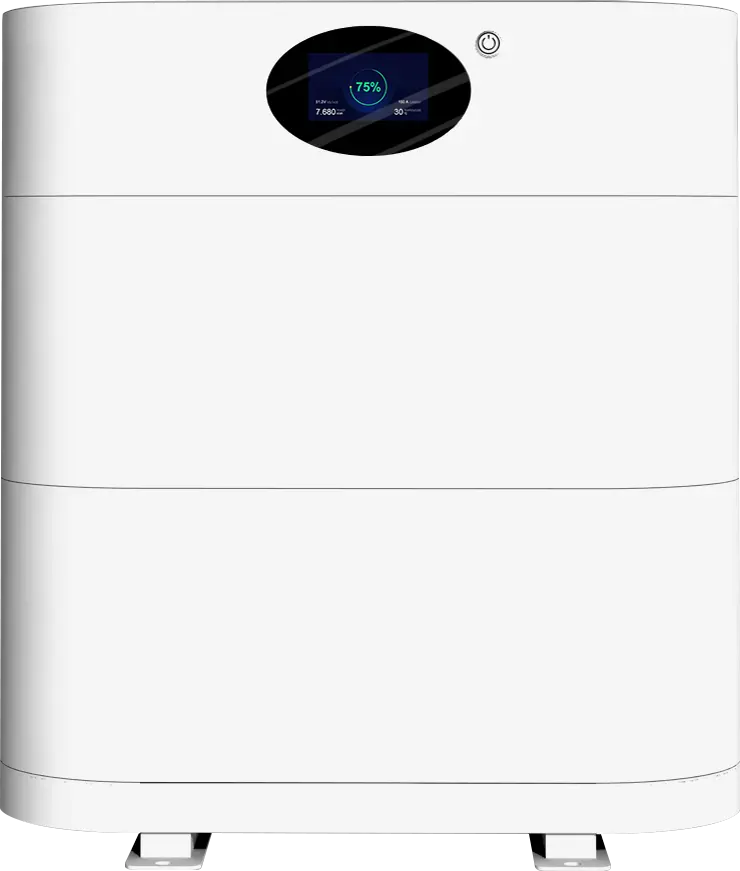
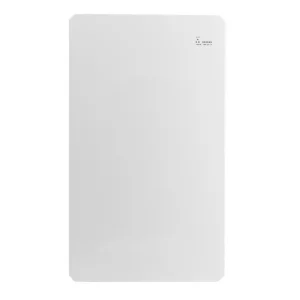
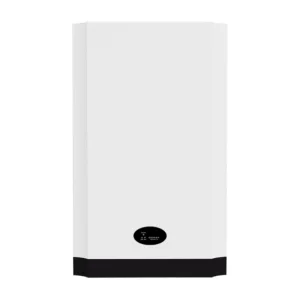
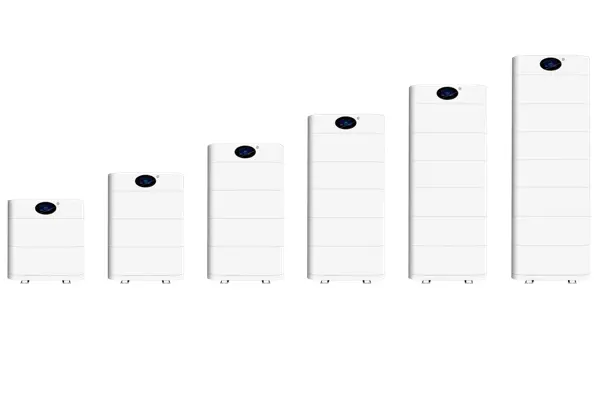
Modern residential and commercial systems, such as the High-Quality High-voltage storage LiFePo4 battery with stackable design and High Voltage Stacked Energy Storage Battery, connect battery modules in series. This raises the overall DC bus voltage to 400V - 800V. The benefits of this architecture include:
Sustainable energy infrastructure is not one-size-fits-all. Achieving low Solar PV battery storage costs requires deploying systems tailored to specific industrial, commercial, and geographical parameters:
Large manufacturing facilities experience high demand charges during peak utility hours. High-capacity modular battery systems store power when rates are low and discharge it during peak times, lowering monthly utility costs and stabilizing the local substation.
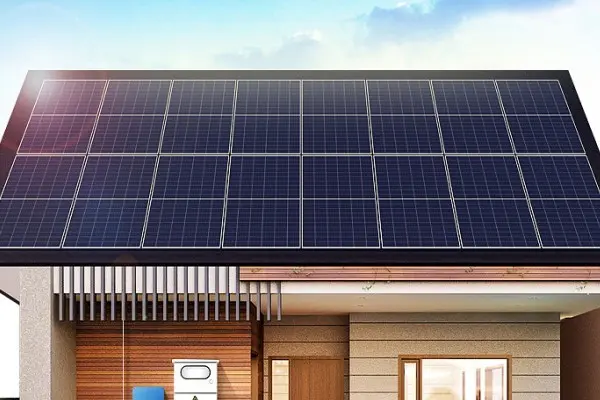
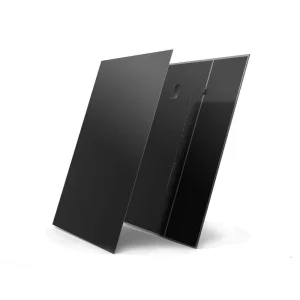
Modern commercial buildings utilize cadmium telluride (CdTe) thin-film solar glass to transform standard structural glass facades into active clean power plants. When coupled with storage systems, these setups enable zero-energy building designs.
Mining operations, island communities, and remote research stations rely on diesel generators. Integrating containerized high-voltage battery banks allows these locations to run primarily on solar power, reducing diesel consumption by 60% to 80%.
A curated portfolio of ELEMRO Energy's flagship storage devices, engineered to deliver exceptional cycle life, high energy density, and low maintenance overhead.
Procuring industrial-grade energy storage involves several technical evaluations. To manage risks and optimize total cost of ownership (TCO), engineering firms and procurement teams should focus on the following key metrics:
Answers to common industry questions regarding costs, system integration, chemistry performance, and factory standards.
The LCOS of LiFePO4 systems ranges from $0.07 to $0.15 per kWh depending on cycle efficiency, discharge depth, and site ambient temperatures. These figures are driven by the chemistry's capacity for over 6000 cycles at 80% Depth of Discharge (DoD) before retaining 70% capacity.
High-voltage series layouts run at lower currents. This lowers transmission energy loss (I²R), enables thinner copper cabling, and eliminates the need for expensive DC booster converters, lowering the overall hardware and installation cost.
Cadmium Telluride (CdTe) thin-film glass replaces traditional architectural cladding. It features high shading tolerance and low-light performance, allowing building envelopes to generate power and reduce energy imports.
Modern configurations use multi-level safety setups. These include integrated cell-level vents, aerosol fire suppression systems, automated HVAC/liquid cooling loops, and intelligent BMS modules that disconnect circuits if current spikes occur.
Direct importing lowers unit production costs, offsetting shipping expenses. Purchasing directly from factories like ELEMRO in Xiamen allows for bulk container packing and streamlined customs handling, which helps reduce logistics costs.
Follow our technical updates, market analysis, and product engineering guides to stay ahead in the clean energy industry.
Alternative system configurations, thin-film BIPV modules, and integrated power inverters to complete your energy ecosystem.
Collaborating with global energy infrastructure developers and utility suppliers.





Get in touch with our engineering team for technical evaluations, battery storage cost calculations, and structural customization options. We will contact you within 24 hours.
Inquiry For Pricelist Elemro Energy