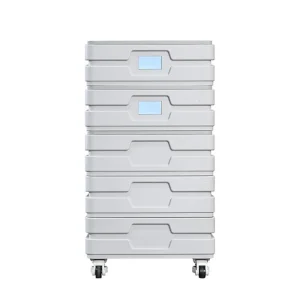
Explore our high-performance integration equipment designed for commercial, industrial, and residential microgrids.
How macro-economic shifts and supply-chain evolutions are driving the integration of solar photovoltaics and battery storage systems (BESS) globally.
The global transition toward clean power has moved far beyond simple photovoltaic installation. Today, grid-scale operators and industrial enterprises face strict requirements regarding grid stability and load factor modulation. Without highly reliable Battery Energy Storage Systems (BESS), solar power output remains volatile due to weather dependencies.
In regions like Western Europe, North America, and parts of the Asia-Pacific, the integration of solar storage has transitioned from an incentive-backed project prototype to a strict operational standard. Industrial and Commercial (C&I) actors rely on energy storage systems to optimize peak demand charging, leverage arbitrage on volatile electricity spots, and maintain continuous microgrid operations in the event of grid contingencies.
Through deep research into Google’s search ecosystem and energy sector needs, we recognize that procurement managers need more than just specs. They need verifiable engineering security, system compatibility architectures, and high-efficiency product portfolios that lower the Levelized Cost of Storage (LCOS).

Established in 2019 and headquartered in Xiamen, China, Elemro Energy has emerged as a powerhouse in energy storage systems and electrical solutions. Operating under stringent compliance and international certification benchmarks, our operations unify core research and development, smart production lines, and structured global sales channels.
Our market footprint covers over 250 customers across Europe, Southeast Asia, Africa, the Middle East, and the Americas. Elemro's business velocity is reflected in our consistent year-on-year revenue growth, crossing $50 million USD in 2023. Our product design strategy is centered around systemic compatibility—delivering solar cells, smart hybrid inverters, and high-voltage stackable battery cabinets that function together under unified management systems.
A structured breakdown of our central infrastructure offerings designed for modern eco-efficient layouts.
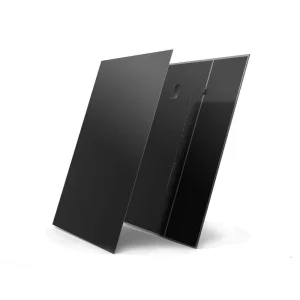
Advanced building integrated photovoltaics (BIPV) utilizing CdTe thin-film cell technology. These transparent and semi-transparent glass modules replace traditional construction materials, converting building envelopes, windows, and skylights into green power plants without sacrificing aesthetic integrity.
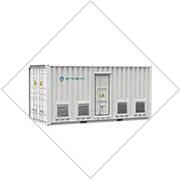
Large-scale modular container solutions engineered for commercial and industrial grids. Prefabricated with liquid-cooling thermal management, integrated fire suppression systems, and high-density battery racks to provide high safety factors and long cycle lifespans for peak shaving and load shifting.
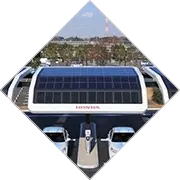
High-efficiency steel structure canopies combined with double-glass photovoltaic modules. Designed for corporate parking lots to simultaneously shelter fleet vehicles and generate clean local electricity, paired directly with residential or C&I energy storage cabinets and EV charging terminals.
Critical engineering aspects shaping the deployment of Solar-plus-Storage solutions across the globe.
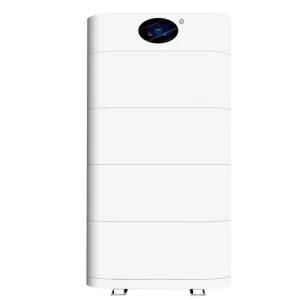
Unlike traditional 12V or 48V low-voltage home battery schemes, the industry is scaling rapidly toward high-voltage stacked systems (typically 200V to 800V DC). High-voltage configurations reduce line currents, which drastically minimizes resistive heat losses (I²R losses) along the DC links, leading to improved system efficiency. Additionally, stacked modular designs allow scalable capacity expansion without complex parallel wiring, reducing installation errors.
For Building Integrated PV (BIPV), CdTe thin-film panels present superior temperature coefficients (-0.2% / °C compared to silicon's -0.4% / °C), making them highly efficient in hot climates. They also show excellent performance under low-light diffuse reflections and partial shading. This makes them ideal for building façades, where solar light incidence angles are rarely perpendicular.
Lithium Iron Phosphate (LFP) remains the industry gold standard for stationary energy storage systems. Compared to NCM chemistries, LFP offers significantly higher thermal runaway temperatures (approx. 270°C vs. 210°C) and longer lifecycle counts (up to 6000 cycles at 80% Depth of Discharge). Our products prioritize integrated Aerosol fire protection systems within the batteries to meet rigorous safety tests (e.g., UL 9540A certification).
Modern energy storage setups require intelligent software. A smart EMS integrates with cloud weather forecasts and historical consumer consumption data to optimize charge and discharge schedules. This ensures battery systems discharge during peak utility pricing hours, reducing operational costs while preserving long-term battery health.
Showcasing our internationally recognized storage designs built for absolute grid independence.
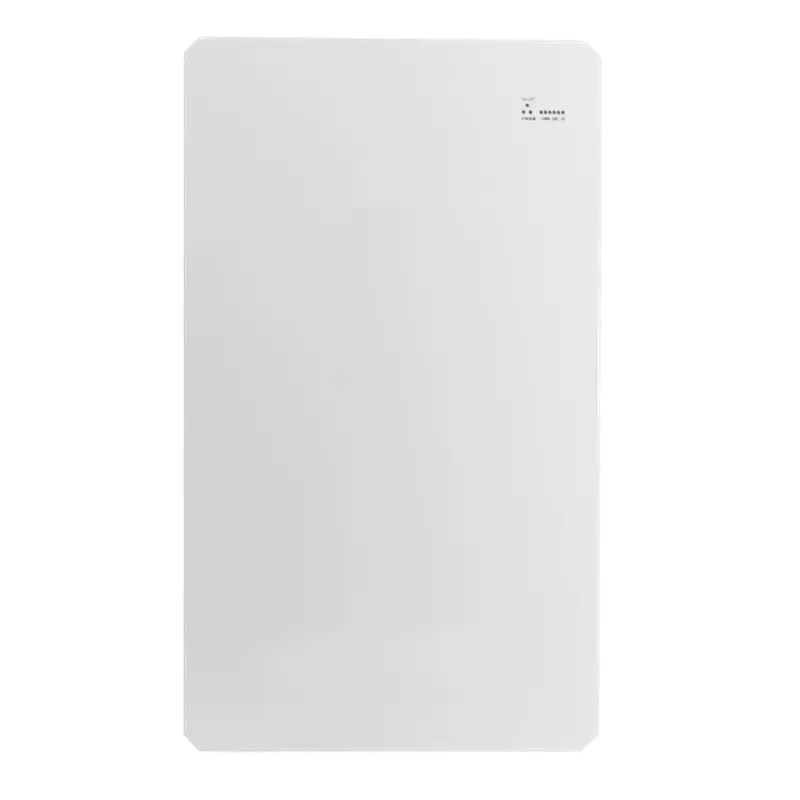
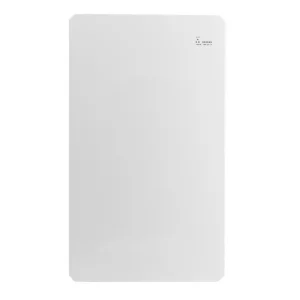
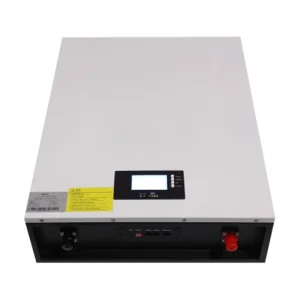
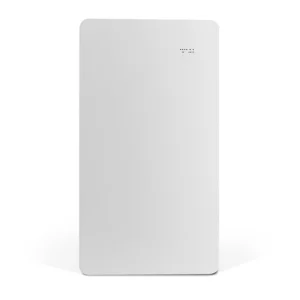
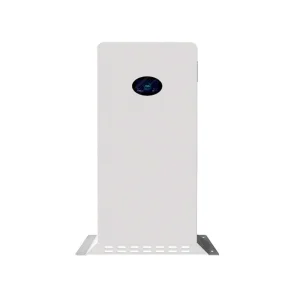
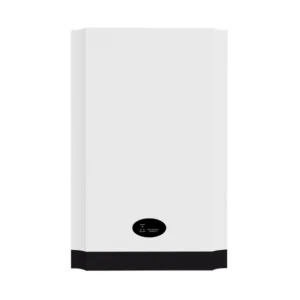
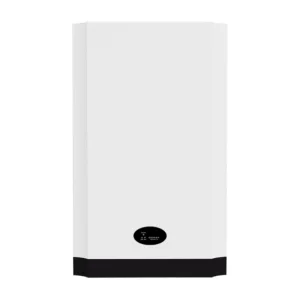
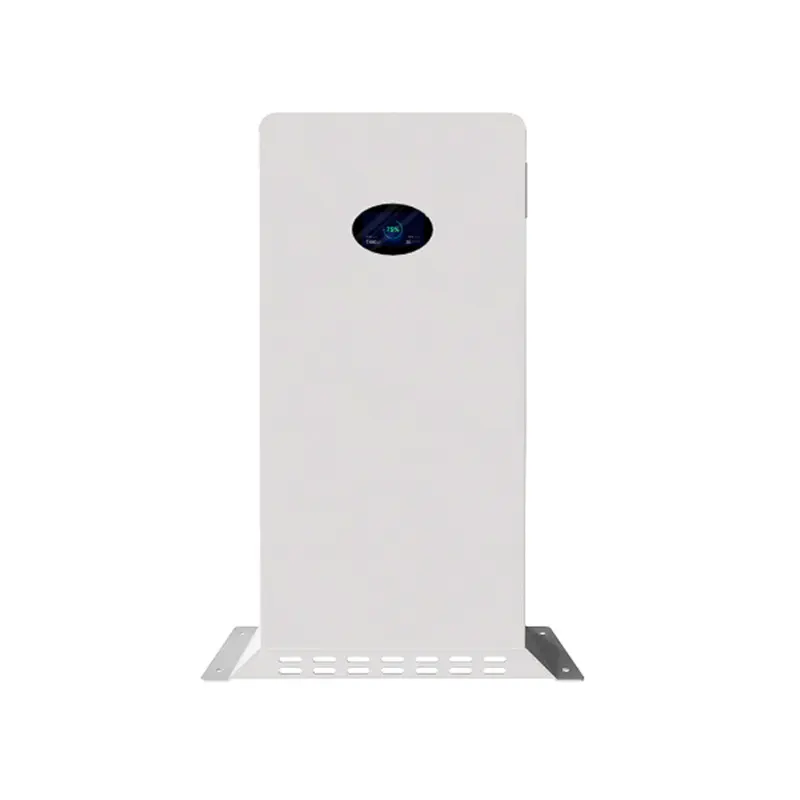
Ultra-compact, safe residential wall-mount design featuring smart battery monitoring.
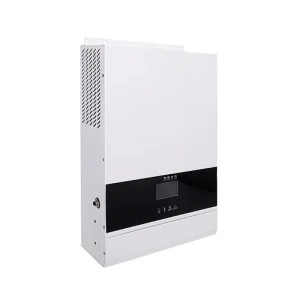
Medium-scale low voltage storage solution, perfect for scaling off-grid residential homes.
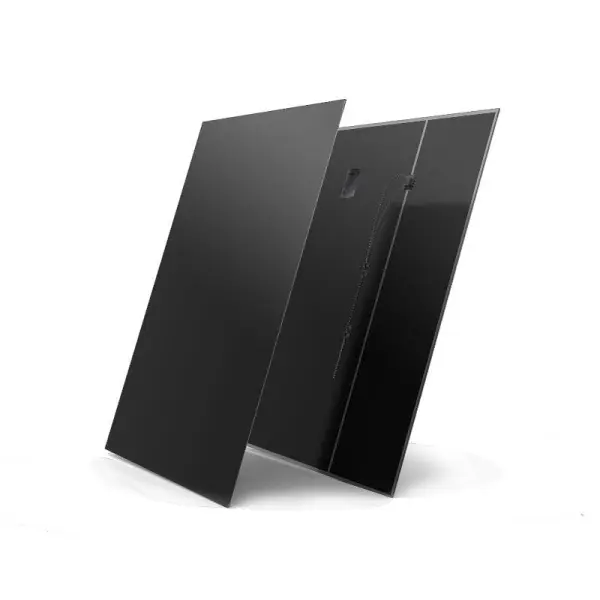
Excellent performance under weak solar irradiation. The prime solution for modern eco-facades.
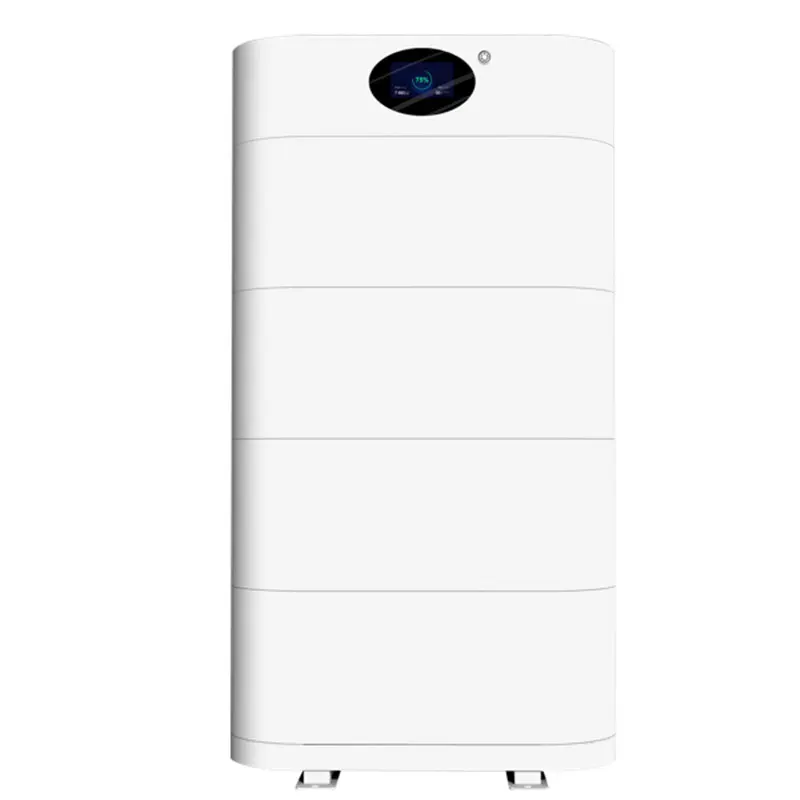
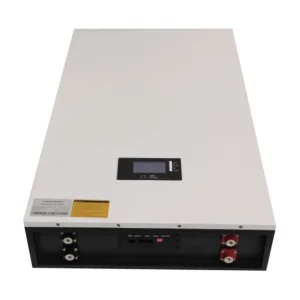
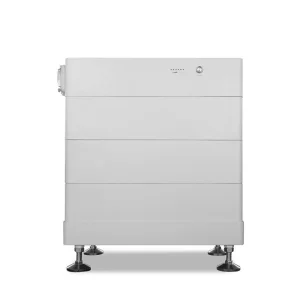
High efficiency, stacked structure with modular BMS scaling capability.
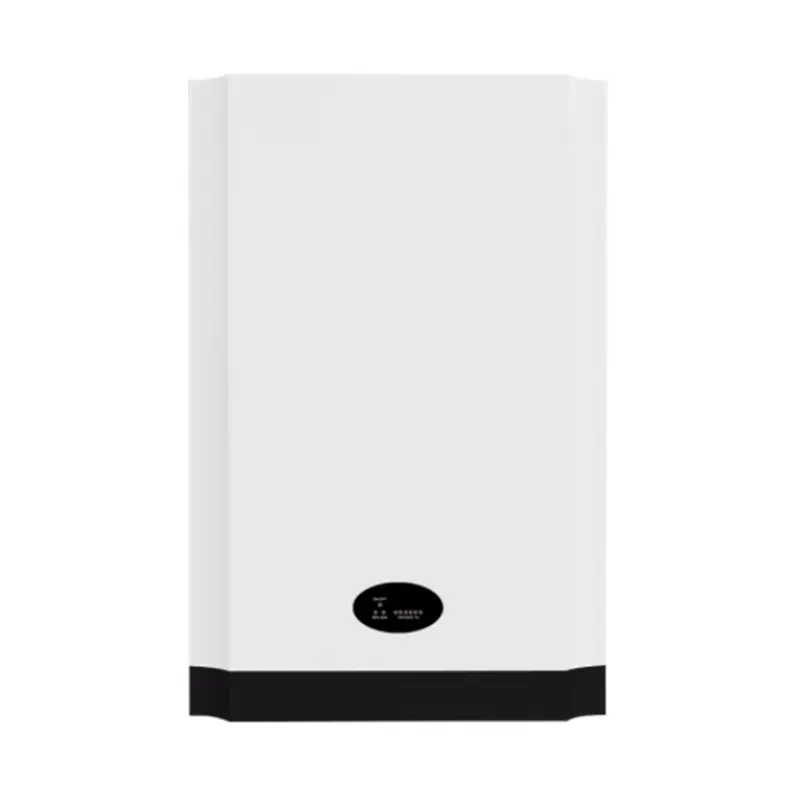
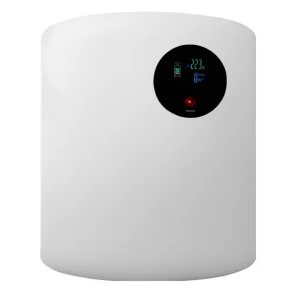
Premium LiFePO4 cells built for domestic wall mounts, offering deep cycling longevity.
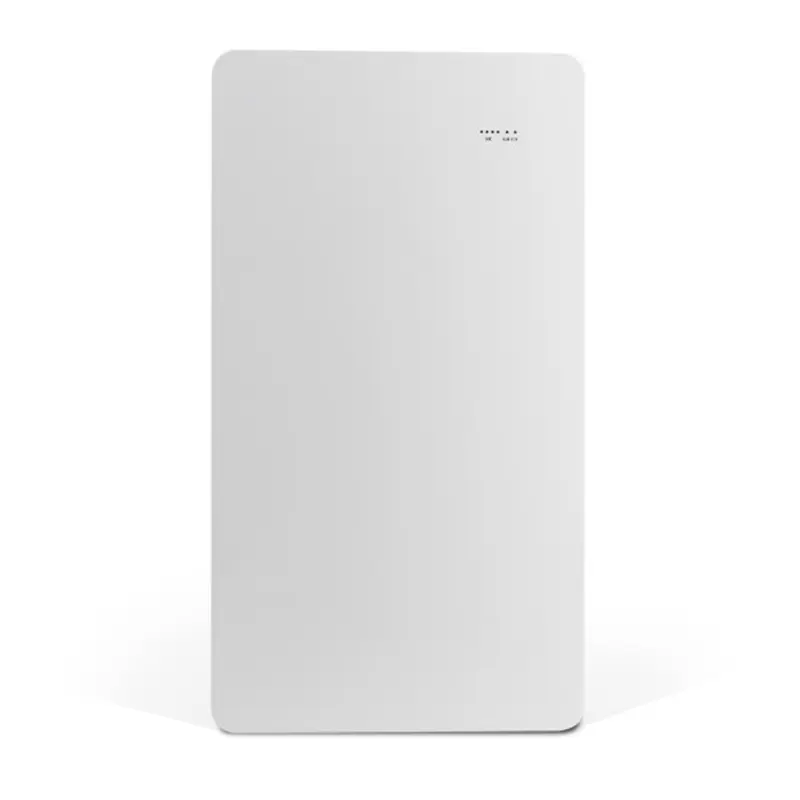
High-capacity backup design, ensuring critical house loads remain powered during grid failures.

Perfect entry-level domestic battery module with seamless hybrid inverter communication.
Expert insights on the design, optimization, and real-world implementation of hybrid storage systems.
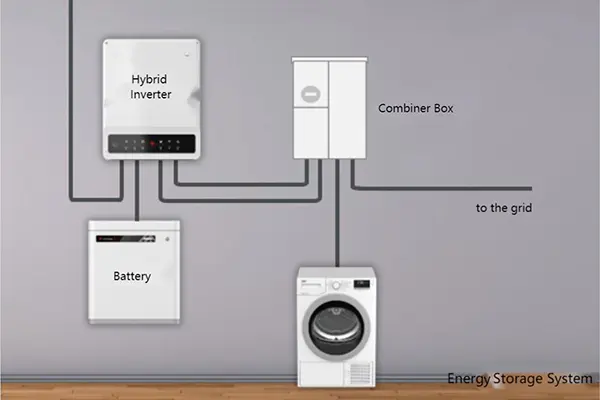
An exploration of home energy storage inverters, analyzing the functional differences between pure grid-tied, off-grid, and hybrid topologies.
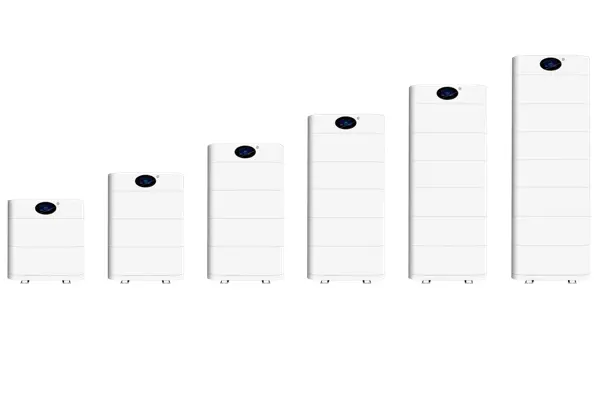
Analyzing electrochemical structures: contrasting energy density, thermal safety characteristics, cycle life metrics, and overall return on investment.
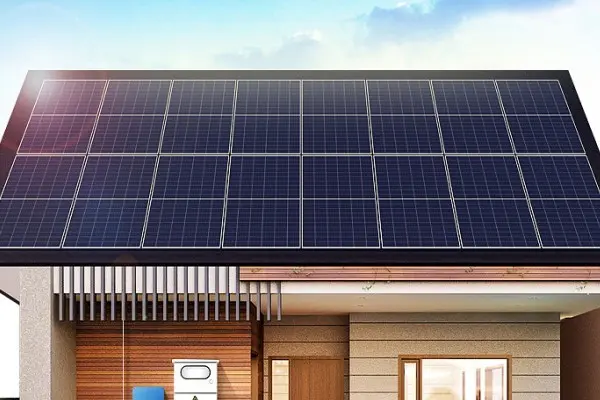
Discover the configurations required to balance utility load shifting, microgrid structures, and backup parameters for homes and factories.
Highlights from our presentation of new-generation stackable systems and modular battery backup solutions at the Manila 3E XPO.
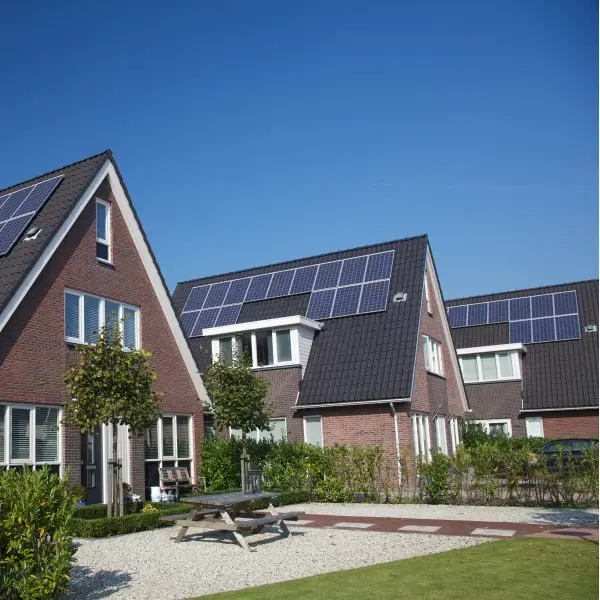
A guide on pairing different module types—monocrystalline, polycrystalline, and CdTe thin-film—with corresponding land terrains and roof structures.
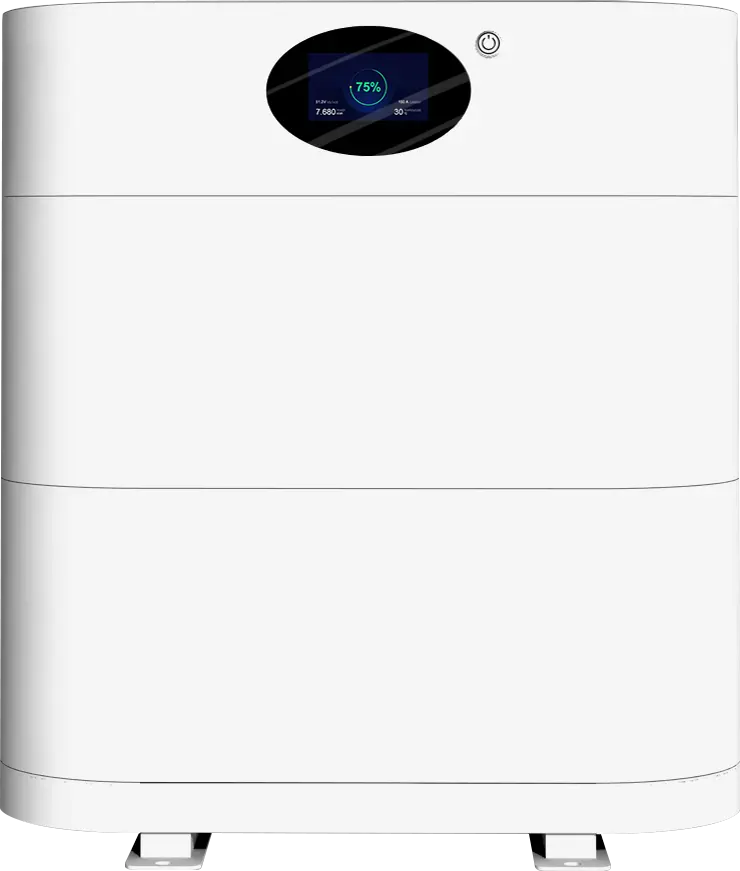
An in-depth look at internal BMS, voltage balancing protocols, remote firmware upgrade compatibility, and battery safety integration.
Critical engineering and operational knowledge decoded by our senior hardware specialists.
A broad selection of stackable modules, high-voltage battery racks, and off-grid solutions to complete your project requirements.





 Elemro Energy