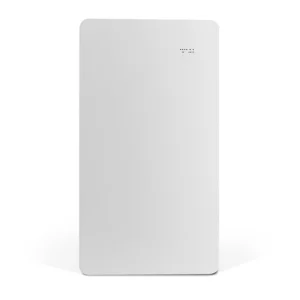
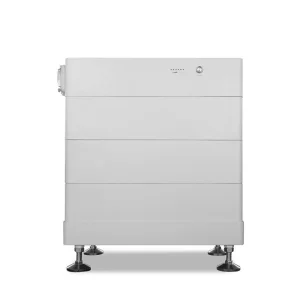
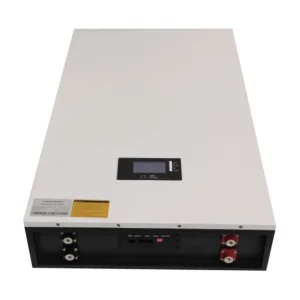
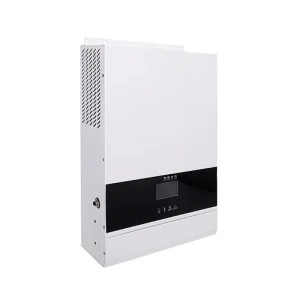
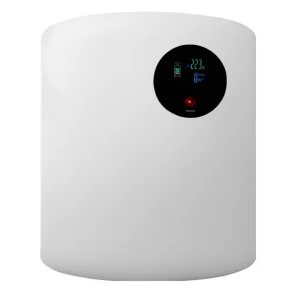
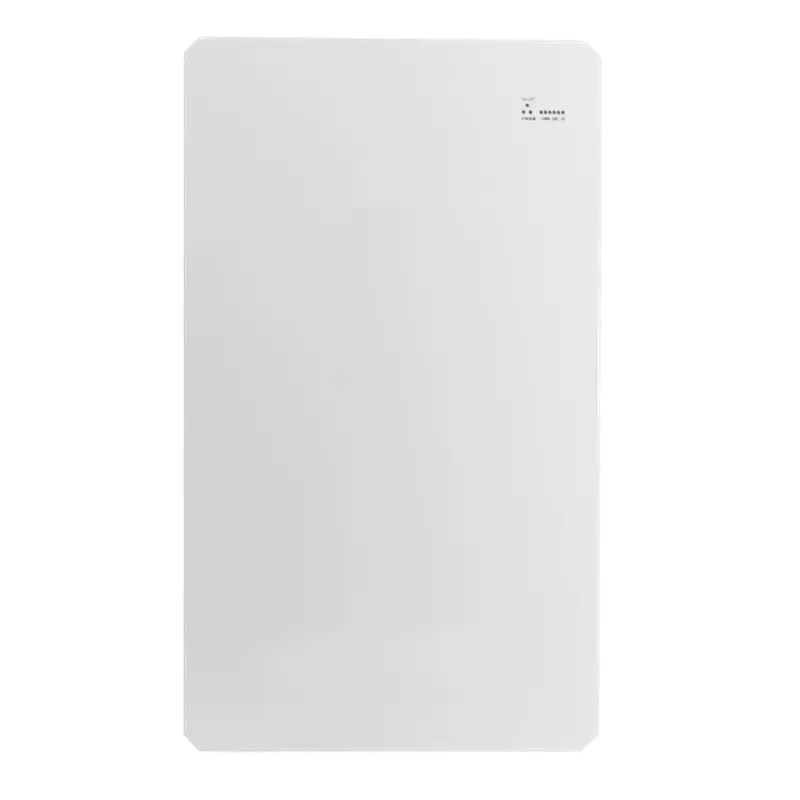
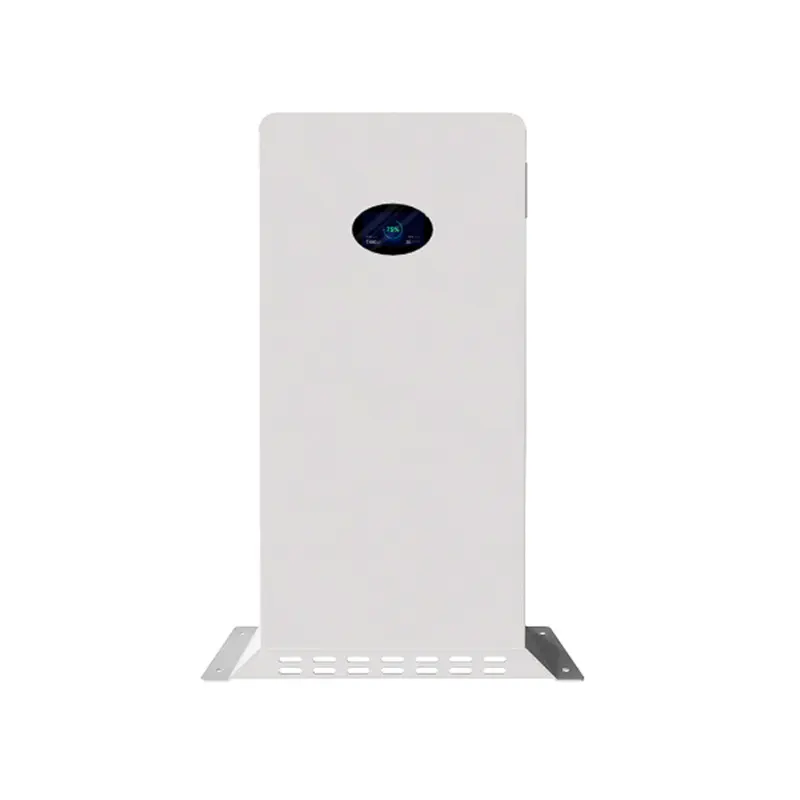
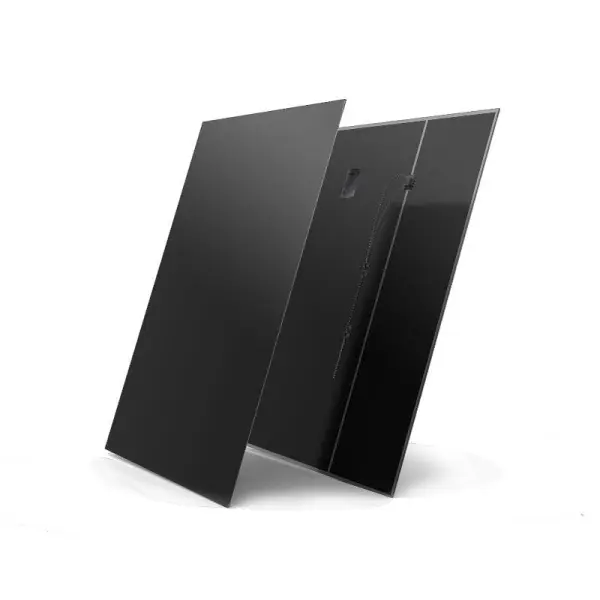
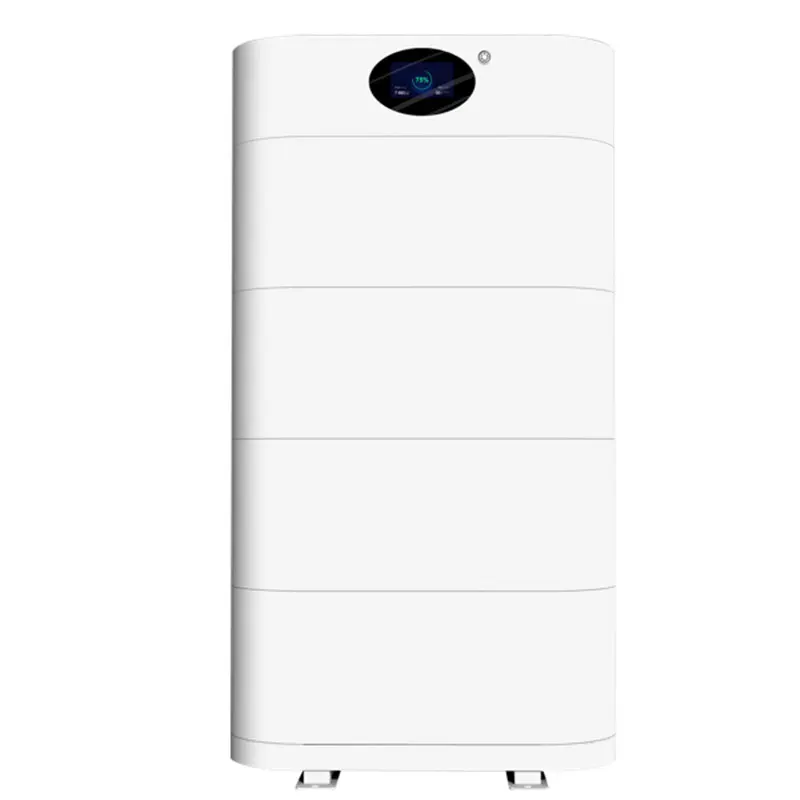
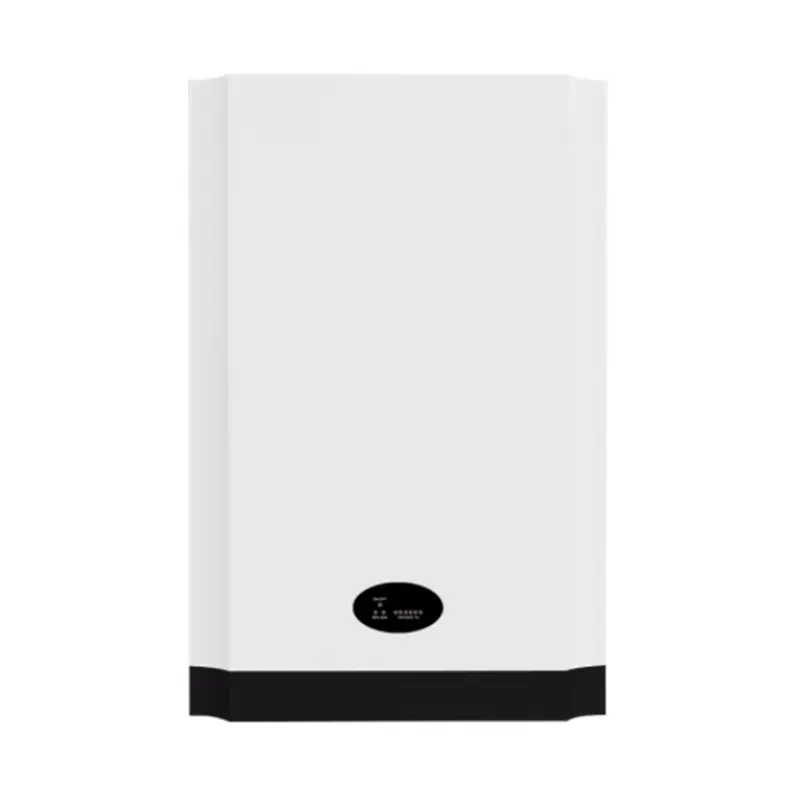
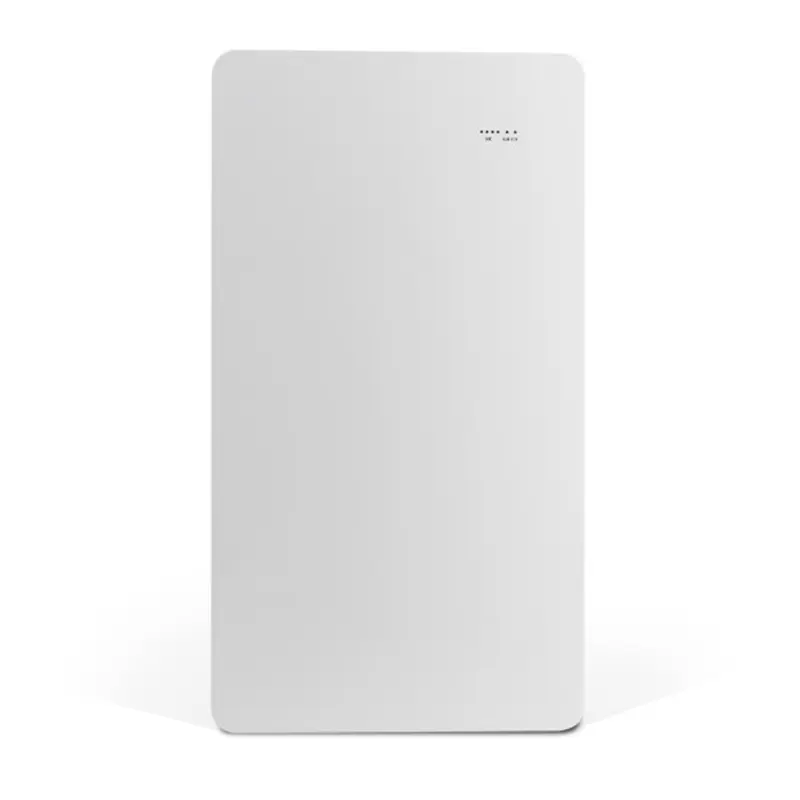
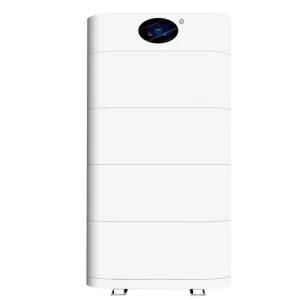
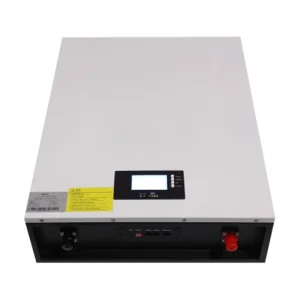
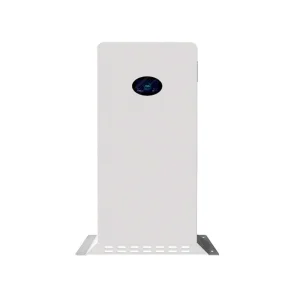
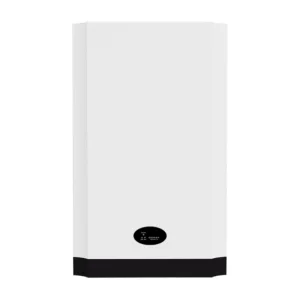
Direct supply from Tier-1 manufacturing facilities. Optimized for durability, fast discharging rates, and continuous power reliability.
Established in 2019 and headquartered in the scenic coastal energy hub of Xiamen, China, Elemro Energy has emerged as a globally recognized market leader in new energy storage and electrical product solutions. Unifying R&D, advanced automated manufacturing, and global sales distribution, ELEMRO stands at the forefront of clean tech optimization.
By maintaining deep technical standards, we supply high-capacity systems to commercial complexes, residential properties, industrial sites, and microgrids. Our products are engineered to provide reliable backup power, increase energy self-sufficiency, and lower operational overhead. Driven by rapid product innovation and deep technical capability, ELEMRO’s annual turnover is expected to exceed 50 million USD, providing unmatched reliability to global enterprise clients.
We provide cleaner energy for a greener world through structural integration and next-generation battery architectures.

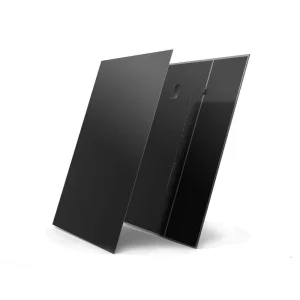
Deploying advanced CdTe (Cadmium Telluride) thin-film solar technology directly into building envelopes (BIPV). Seamlessly turns facades, curtain walls, and industrial rooftops into high-efficiency power generation stations.
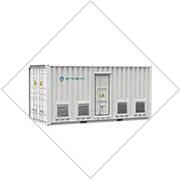
Pre-configured, robust containerized battery systems engineered for grid support, commercial peak shaving, and demand response. Packed with intelligent HVAC cooling systems and advanced fire suppression mechanics.
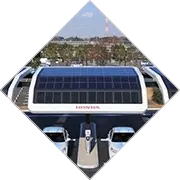
Turn standard parking facilities into localized microgrids. Combining solar PV structure canopies with energy storage storage and EV fast-charging units to maximize parking space utilization and localized green power distribution.
A comprehensive analysis of cell chemistry, supply chain logistics, compliance guidelines, and procurement criteria.
The global transition from centralized, fossil-fuel-reliant energy networks to decentralized clean power systems has driven the adoption of Battery Energy Storage Systems (BESS) to unprecedented heights. Fluctuating grid costs, dynamic peak-tariff rates, and the intermittent nature of wind and solar sources demand reliable storage buffers. The market is shifting from mere energy retention to intelligent, dispatchable capacity systems. In commercial, industrial (C&I), and residential spaces, the integration of solar power with localized battery systems is no longer a luxury—it is an economic and operational necessity.
According to industry reports, global energy storage capacity is projected to grow by over 20% annually through 2030. To navigate this rapid evolution, project developers, industrial operators, and residential installers require an analytical understanding of battery chemistry, system integration, factory supply chains, compliance metrics, and localized service networks.
Selecting the correct battery storage system requires analyzing the cell chemistry, cell architecture, and integration protocols. ELEMRO primarily utilizes Lithium Iron Phosphate (LiFePO4) chemistry due to its distinct thermal stability, safety profile, and extended cycle life compared to traditional Nickel Manganese Cobalt (NMC) cells.
China stands as the global epicentre of lithium-ion battery manufacturing, controlling over 70% of the world's chemical refining and battery component assembly. Elemro Energy, strategically based in Xiamen, leverages this localized industrial ecosystem to deliver state-of-the-art products at scale:
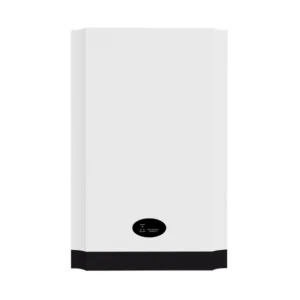
For international procurers, sourcing batteries from China requires matching product specifications to precise operational needs. When procuring high-capacity residential packs (like the Elemro SHELL 14.3kWh) or utility-scale batteries, buyers should prioritize:
1. Cycle Life & C-Rating: The C-rating indicates the speed at which the battery charges or discharges. Most residential storage systems operate at 0.5C to 1.0C, balancing charge/discharge speeds with cell preservation.
2. BMS Intelligence (Battery Management System): The BMS is the brain of the battery storage system. A robust BMS tracks cell voltage, state of health (SoH), temperature, and active balancing to ensure uniform cell decay, preventing localized hot-spots and premature module failure.
3. Environmental Protection: Outdoor units (like our Energy Storage Containers) feature IP55/IP65 ratings, integrating advanced HVAC systems, dust filtration, and liquid-cooling to maintain stable ambient temperatures inside the battery cabinet.
Connecting utility-scale storage or residential backup to the grid requires passing strict safety testing and electrical safety protocols. Every region maintains specific safety and performance metrics:
Residential Self-Consumption: By charging the solar battery storage during midday solar peaks and discharging it during high-rate evening peak hours, homeowners can bypass expensive utility rates, achieving true off-grid capabilities during grid blackouts.
Commercial & Industrial Peak Shaving: For manufacturing plants, warehouses, and corporate facilities, high energy demand charges can make up to 40% of their utility bills. A battery storage container discharges power when facility demand surges, effectively flattening the demand curve.
Microgrids and Remote Regions: In areas with weak or non-existent grid networks, integrating BIPV (Building Integrated Photovoltaics), hybrid inverters, and battery storage banks provides reliable 24/7 power, reducing reliance on expensive and polluting diesel generators.
Start a green and convenient life with Elemro Energy. Explore our high-efficiency product range.
Stay updated with deep engineering breakdowns, product application scenarios, and global market updates.
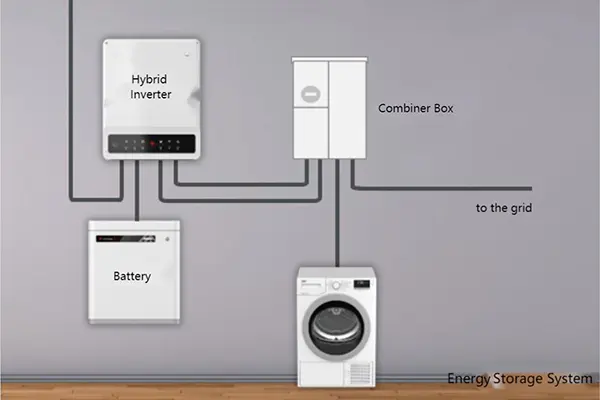
An engineering guide detailing grid synchronization, smart switching, and hybrid power management configurations.
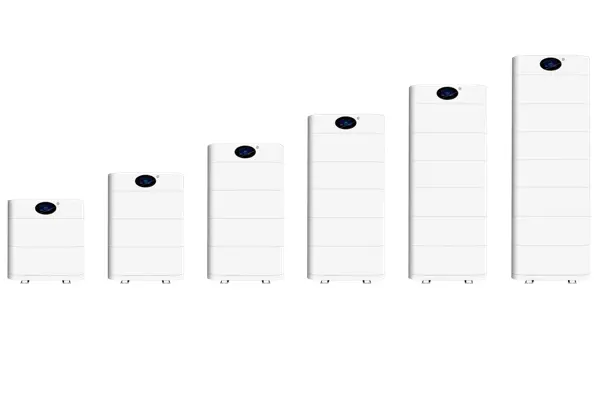
Evaluating cycle life, degradation factors, chemical differences, and long-term costs of lithium-ion systems.
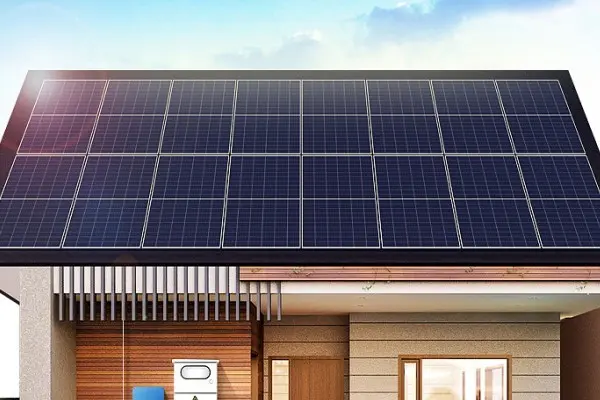
An in-depth look at backup power dynamics, load curves, peak shaving, and demand response strategies.
Highlighting our presence in Southeast Asia, presenting our latest LFP cell platforms and home integration systems.
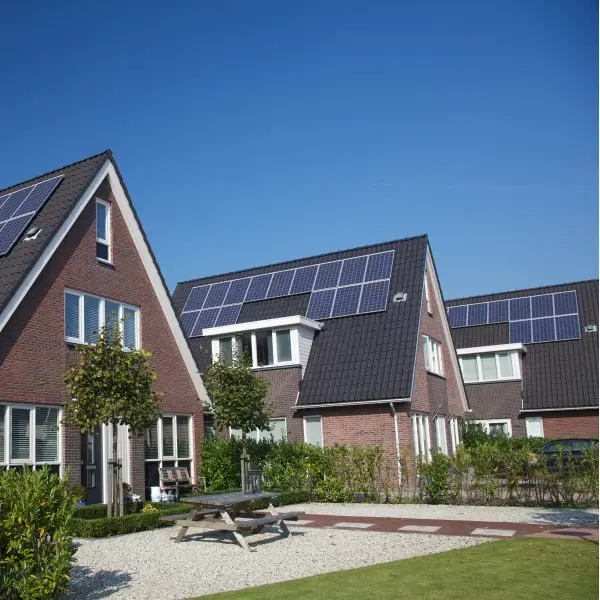
An exploration of solar glass, building facades (BIPV), carport canopy generation, and off-grid configurations.
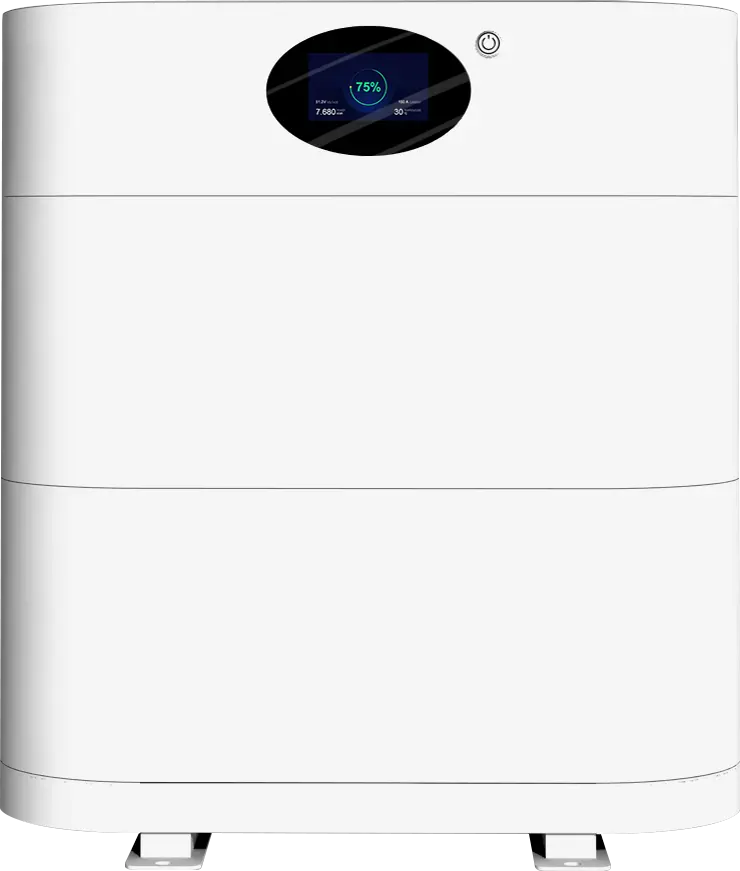
Uncovering cell architectures, BMS balancing protocols, modular scaling, and inverter communications.
Get professional answers to critical engineering, safety, and supply chain questions.
Leave your details below, and our engineering team will get back to you within 24 hours.
Premium solutions for grid integration, smart home backup, and BIPV structures.





 Elemro Energy