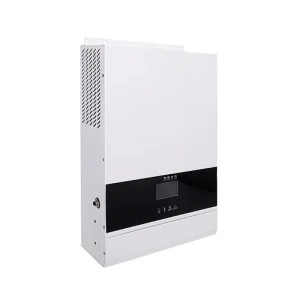
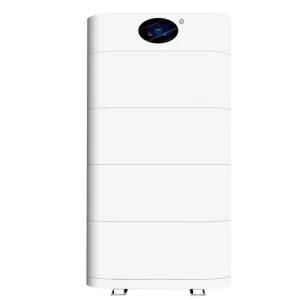
Engineered for safety, longevity, and seamlessly integrated smart power backup capability.
Established in 2019 and headquartered in the green energy hub of Xiamen, China, ELEMRO Energy has positioned itself at the vanguard of research, development, production, and distribution of residential and commercial battery storage solutions. By consolidating vertically integrated supply networks and investing heavily in core lithium iron phosphate (LiFePO4) chemistry and dynamic battery management systems (BMS), ELEMRO has built a reputation for excellence.
Our footprint extends across Europe, Southeast Asia, Africa, the Middle East, and the Americas, servicing over 250 industrial-grade customers. Our explosive revenue growth, approaching an expected turnover of 50 Million USD, is testimony to the reliability of our products and our dedication to pushing the limits of modern photovoltaic storage integration.
Our core engineering solutions delivering cleaner, high-efficiency energy options worldwide.

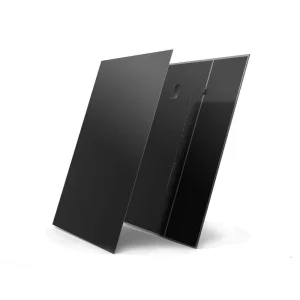
Building-integrated photovoltaics (BIPV) utilizing advanced CdTe thin-film technologies to convert architectural facades into active clean power generation structures.
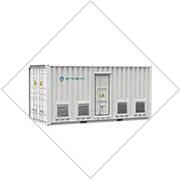
Megawatt-scale localized containerized solutions custom-configured for industrial peak-shaving, commercial grid support, and remote micro-grid setups.
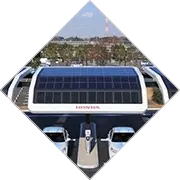
Smart municipal and commercial infrastructure pairing structured steel carports with premium solar array installations and integrated EV charging capabilities.
The global push for decarbonization, coupled with grid instability driven by climate change, has converted residential energy storage from a luxury asset into critical home safety infrastructure. Modern householders are no longer looking for simple diesel generators; they demand smart, solid-state, high-performance battery systems. Finding the best solar power backup systems for homes requires evaluating battery chemistry, system voltage architecture, thermal safety profiles, dynamic load response rates, and utility grid interoperability.
Across North America, Europe, and Asia-Pacific, utility operators are altering solar financial benefits, notably with policies like Net Energy Metering (NEM) 3.0 in California and the EU Clean Energy Package. These regulations shift compensation from grid feedback (net metering) to self-consumption optimization. Consequently, storing excess daily photovoltaic generation to mitigate expensive evening Peak Tariffs (Time-of-Use optimization) represents the primary financial driver for modern installations.
Additionally, commercial and industrial sectors are pioneering modular microgrids, utilizing heavy systems like the Energy Storage Container to support local networks. Technology from these macro industrial programs transfers directly into residential design, providing homeowners with standard consumer units that boast high reliability, military-grade hardware safeguards, and long cycle lives.
When selecting the best solar power backup systems for homes, battery chemistry remains the most critical performance criteria. The industry has largely pivoted away from Nickel Manganese Cobalt (NMC) formulations toward Lithium Iron Phosphate (LiFePO4 or LFP) due to its superior safety properties. LiFePO4 cells do not experience thermal runaway until significantly higher temperatures (exceeding 270°C) compared to NMC cells. This safety profile is paired with an impressive lifespan: high-quality LFP cells routinely deliver over 6,000 cycles at 80% Depth of Discharge (DoD) before losing capacity.
Simultaneously, the industry is transitioning from Low-Voltage (LV - 48V nominal) systems to High-Voltage (HV - 300V to 400V+ stacked) topologies:
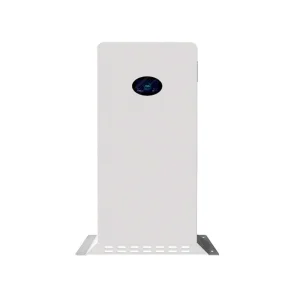
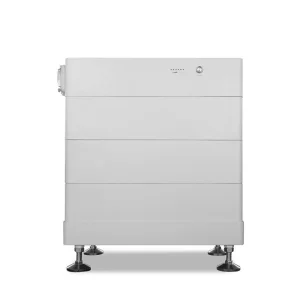
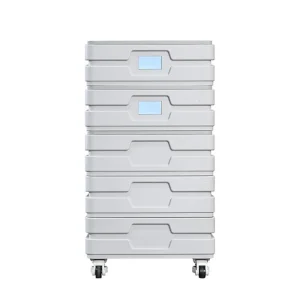
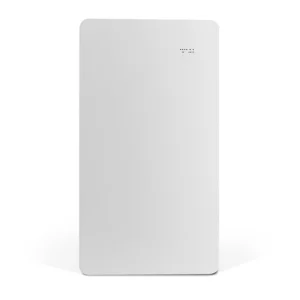
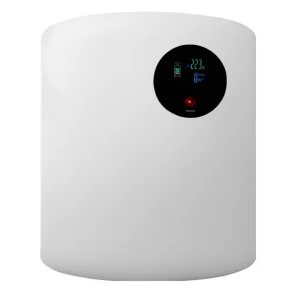
The operational environment dictates the deployment strategy. In urban environments, space limits solar array placement. Here, Building Integrated Photovoltaics (BIPV) using CdTe (Cadmium Telluride) thin-film solar cells embedded directly into facades or shade structures provides the necessary harvesting surface. For rural homesteads facing persistent grid reliability issues, stackable high-capacity reserves (such as the Elemro SHELL 14.3kWh unit) ensure off-grid resilience during extended winter blackouts.
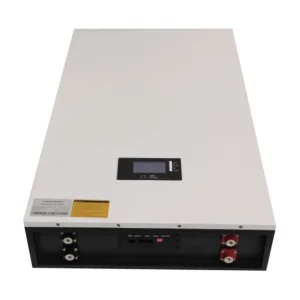
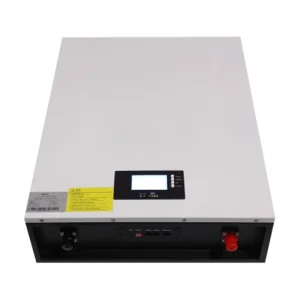
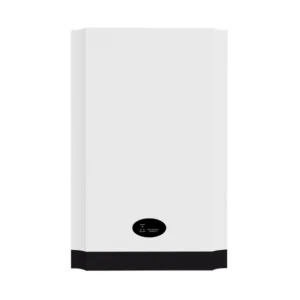
Furthermore, regions prone to extreme temperatures require active thermal protection. Elemro’s wall-mounted lithium energy solutions incorporate high-precision heat sinks and intelligent micro-controllers to balance state-of-charge (SoC) profiles across individual cells, preventing localized degradation.
The future of home solar storage centers on artificial intelligence integration. Standard BMS systems are migrating toward AI-enabled predictive platforms. These systems analyze local weather forecasts, historic consumption behaviors, and real-time wholesale utility price fluctuations to dynamic-plan charge cycles. Additionally, developments in solid-state chemistry and sodium-ion cells promise to alter high-density backup markets, providing even wider temperature tolerance and reduced reliance on critical lithium supplies.
LFP Battery Cycle Life
HV Efficiency Rates
Global Industrial Clients
Expected 2023 Turnover
Technical guidance from energy engineers on selecting and maintaining residential energy storage infrastructure.
Stay up to date with deep technical analysis and industry developments from our R&D center.
Understanding complex topologies in hybrid systems, focusing on grid-tie and battery interaction mechanisms.
A comprehensive performance comparison of modern lithium energy systems against standard older technologies.
Analyzing thermal stability profiles and deployment environments across diverse commercial sites.
Showcasing ELEMRO's latest residential battery products to the growing Southeast Asian market.
A comprehensive layout study examining BIPV, CdTe thin-film panels, and traditional high-efficiency systems.
Deep dive into structural safety layouts, internal resistance limits, and cycle behavior profiles.
Inquire about our high-efficiency solar storage systems. Our engineering support desk responds within 24 hours.
Explore our full lineup of advanced lithium battery systems and power inverter platforms.





 Elemro Energy