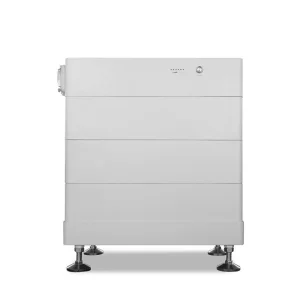
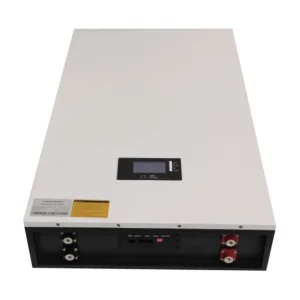
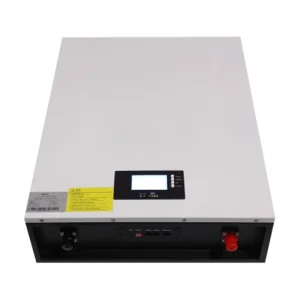
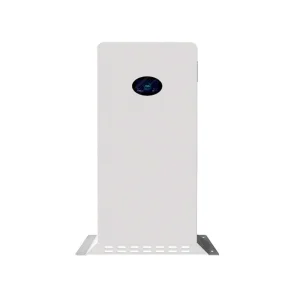
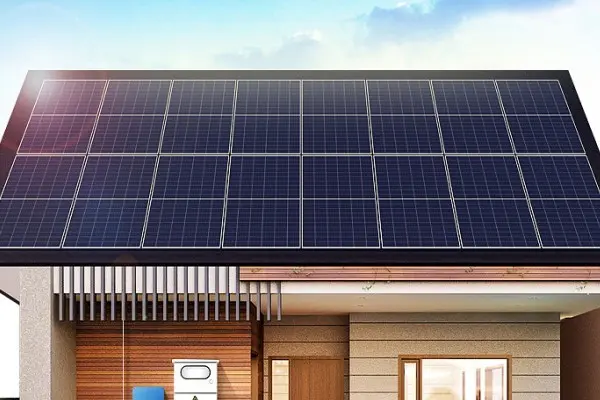
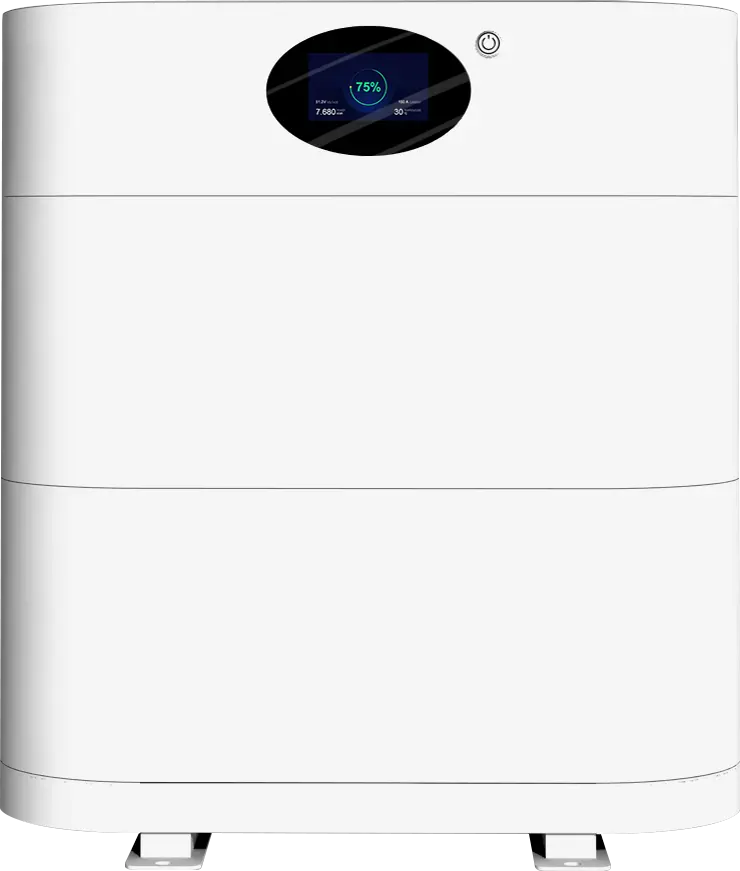
Explore our catalog of market-leading battery storage architectures, built with top-tier lithium iron phosphate (LiFePO4) chemistry and advanced battery management systems (BMS).
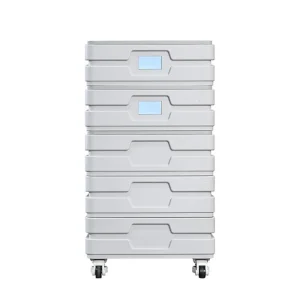
In the contemporary global energy paradigm, the integration of solar photovoltaics with secondary energy storage systems (ESS) represents the absolute pinnacle of resilient electrical infrastructures. Dynamic grid pricing, peak-demand surcharge mitigation, and the overarching imperative for decarbonization demand robust engineering solutions. Stationary battery storage systems have transitioned from passive backup hardware to active, grid-interactive assets capable of shaving peak demand, maximizing self-consumption, and providing valuable ancillary services to utilities.
As a leading tier-1 designer and manufacturer, Elemro Energy provides the core technological components necessary to bridge the gap between volatile solar generation and continuous load demand. By orchestrating top-grade lithium iron phosphate (LiFePO4) battery chemistry with proprietary battery management software (BMS), Elemro delivers system safety, thermal stability, and deep cycle-life capacity that far exceeds conventional industry thresholds.
Established in 2019 and headquartered in the highly connected industrial hub of Xiamen, China, Elemro Energy has established itself as an authoritative market leader in new energy storage and electrical product solutions. We combine advanced research and development (R&D), highly automated assembly processes, and a global logistics and sales network under one single roof.
By engineering components and systems tailored to harsh environmental conditions, our products have successfully optimized grids across more than 250 direct clients in Europe, Southeast Asia, Africa, the Middle East, and the Americas. Elemro's focus on deep-level cell testing, system-level simulation, and strict adherence to Western standards has facilitated rapid fiscal expansion, with our annual turnover projected to surpass 50 million USD in 2023.
"We provide cleaner energy for a greener world by designing hardware capable of managing the grid complexities of tomorrow."
Elemro energy provides vertically integrated portfolios spanning raw solar protection materials, structural EV configurations, and megawatt-class utility scale container configurations.

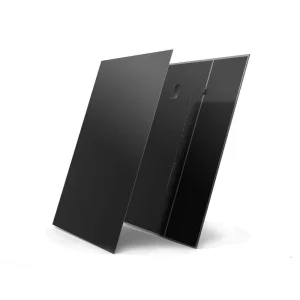
High-transmittance, ultra-clear structured glass designed to maximize cell absorption. Our Cadmium Telluride (CdTe) thin-film architectural elements transform traditional building envelopes into active generating assets.
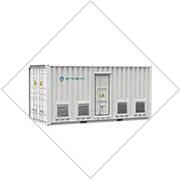
Megawatt-scale liquid-cooled containerized batteries optimized for grid stability, frequency regulation, and utility peak-shaving, equipped with intelligent fire suppression systems (Aerosol/Novec 1230).
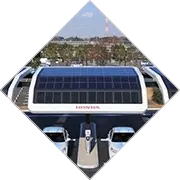
Structural steel framing integrated with high-efficiency photovoltaic canopies. A clean solution designed to offset fleet EV charging loads directly through locally harvested solar energy.
Modern battery technology is progressing past standard lithium-ion paradigms. Elemro Energy’s engineering roadmap focuses on key structural innovations designed to reduce Levelized Cost of Storage (LCOS) and maximize cycle longevity:
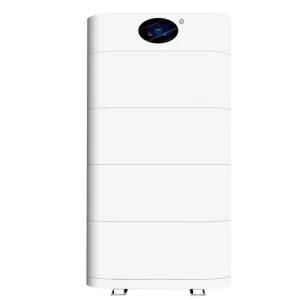
Unlike traditional low-voltage systems that suffer from substantial copper losses and high current demands, our stackable high-voltage designs run up to 400V–800V DC. This configuration enables seamless coupling with high-power three-phase hybrid inverters, boosting system efficiency by up to 3.5% and reducing system installation footprint significantly.
For architectural integration, Cadmium Telluride thin-film glass offers superior performance compared to crystalline silicon under high temperatures and diffuse light conditions. Its low temperature coefficient guarantees stable power outputs even in hot climates, opening up vertical real estate on high-rise structures for solar generation.
We are actively researching the incorporation of semi-solid-state cells into commercial storage architectures. Solid-state technology minimizes thermal runaway risks by replacing volatile liquid organic solvents with solid polymer or ceramic electrolytes, increasing volumetric energy density by over 30% and eliminating fire hazards.
Our upcoming BMS software suite utilizes cloud machine learning models to forecast cell degradation pathways. By continuously evaluating real-time dynamic resistance, State of Charge (SOC), and cell temperatures, our BMS proactively mitigates cell imbalance, optimizing lifetime cycles and preventive maintenance scheduling.
Our primary production base located in Xiamen utilizes state-of-the-art automation systems to guarantee cell-to-cell consistency. The main point of failure in massive multi-cell battery banks is variation in cell capacity and internal resistance. Elemro mitigates this risk by enforcing automated 100% capacity matching and high-resolution automated welding before module packing.
| Production Parameter | Elemro Standard Specifications | Industry Standard Benchmarks | Core System Advantage |
|---|---|---|---|
| Cell internal resistance variation | ≤ 0.3 mΩ | ≤ 1.0 mΩ | Reduces localized heating, increases system longevity |
| Capacity grouping accuracy | ± 0.5 Ah | ± 2.0 Ah | Avoids premature capacity cutoffs in series chains |
| Cell Chemistry | A-Grade LiFePO4 (LFP) | B-Grade / Reclaimed LFP | Guarantees 6000+ cycles at 80% Depth of Discharge (DOD) |
| Welding Quality Control | Automated Laser + Optical Inspection (AOI) | Manual Ultrasonic Spot Welding | Eliminates high-resistance contact points and failures |
Benefiting from Xiamen’s established status as a deep-water shipping hub, we enjoy a streamlined raw-material supply chain with direct proximity to top-tier lithium cell producers. This geographical location minimizes logistical delays, reduces inland transport costs, and ensures stable delivery timelines for large-scale utility and industrial deployments worldwide.
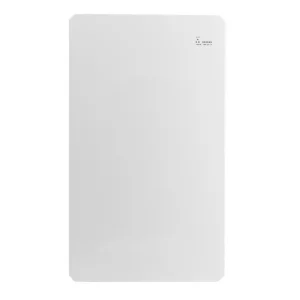
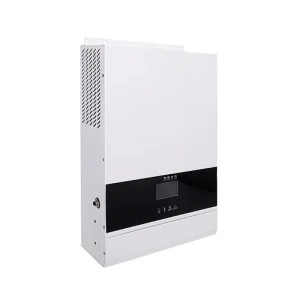
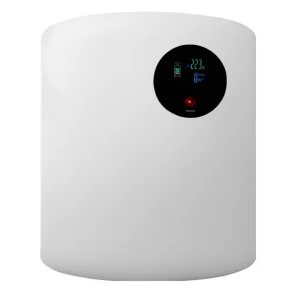
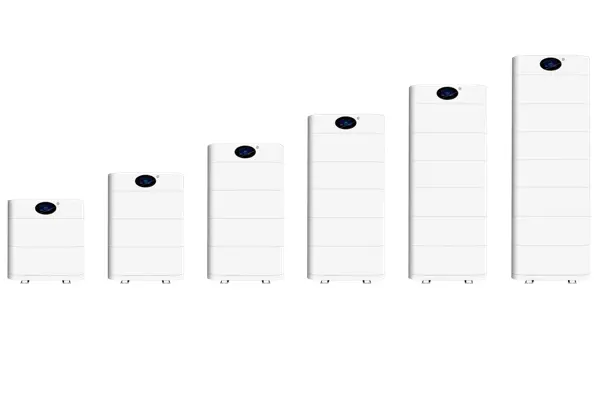
Select from our highly stable wall-mounted modules, BIPV thin-film technologies, and integrated power inverters to complete your customized energy systems.
EPC contractors, project developers, and industrial site managers prioritize key technical criteria when sourcing commercial and industrial battery systems. Low purchase prices can lead to higher long-term operational costs if high cell degradation, thermal instability, or weak BMS systems cause premature system wear. Buyers should evaluate the following procurement criteria:
RTE measures the percentage of energy retrieved from the battery relative to the energy supplied. Elemro systems routinely deliver >92% RTE at module level, minimizing energy conversion losses during charge-discharge cycles.
Liquid cooling dominates large C&I installations due to its ability to maintain cell temperature variance within ±2°C. For residential installations, specialized heat dissipation structures eliminate the need for noisy mechanical fans.
Modular architectures allow system expansion by adding battery racks in parallel, avoiding complex system reconfiguration and preserving existing balance-of-system (BOS) configurations.
Deploying battery storage systems requires strict alignment with local safety regulations and utility grid codes. Non-compliant hardware risks project approval delays or local zoning rejections. Elemro designs and tests its products to satisfy major international regulatory frameworks:
Crucial for US installations, our battery modules undergo strict thermal runaway testing, ensuring no fire propagation occurs in the event of an internal short circuit.
Ensures European installations comply with low-voltage and electromagnetic compatibility regulations, simplifying connection to local utility grids.
Guarantees that lithium batteries comply with strict structural safety rules for global shipping, preventing safety issues during maritime and road transport.
Our residential inverters and battery systems comply with dynamic active power controls and Australian grid-connection safety profiles.
Stay updated on energy storage technologies, chemistry comparisons, and international exhibition announcements from Elemro Energy.
Get authoritative answers to technical integration questions prepared by our engineers.
LiFePO4 (LFP) offers superior thermal stability and a long cycle life. LFP cells have a thermal runaway threshold of around 270°C compared to NMC's 210°C, significantly reducing fire risk. Additionally, LFP cells routinely deliver over 6,000 charge-discharge cycles at 80% Depth of Discharge, whereas NMC chemistry typically degrades to the same point within 2,500 to 3,000 cycles.
High-voltage systems (e.g., 400V DC and above) allow you to series-connect battery cells to increase operating voltage. Because power equals voltage times current (P = V × I), increasing the voltage lowers the current needed to transport the same amount of power. Lower current reduces resistive heat generation (I²R losses), enabling thinner copper cabling, smaller fuses, and more efficient integration with high-voltage hybrid inverters.
Lithium batteries perform best between 15°C and 35°C. Operations below 0°C restrict ion mobility, reducing discharge capacity and requiring lower charging currents to prevent lithium plating. Temperatures above 45°C accelerate chemical degradation. Our C&I systems utilize intelligent liquid cooling plate systems to keep cell temperatures within optimal ranges, ensuring maximum product lifetime.
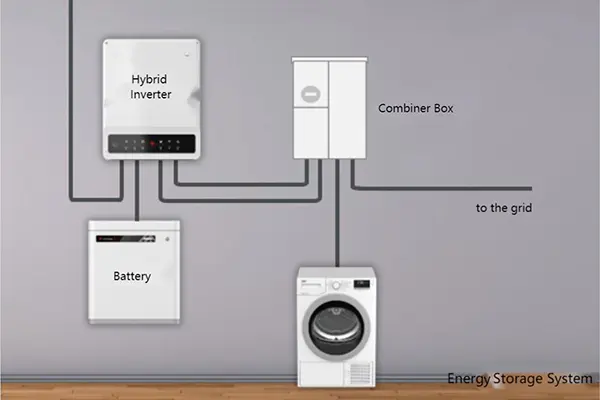
Yes, our systems support off-grid setups when paired with an off-grid or hybrid inverter. The integrated BMS provides dry-contact signals to trigger backup diesel generators when state-of-charge levels drop, helping maintain continuous power during periods of limited solar generation.
Importing requires UN38.3 certification for transport safety, along with UL1973 (for cell and module safety in stationary systems) and CE / IEC 62619 compliance for European and global markets. These certifications ensure the systems meet safety requirements for grid connection and transport.
Submit your email address below. Our technical engineering team will reply within 24 hours with product datasheets, system architecture recommendations, and wholesale pricing structures.




 Elemro Energy