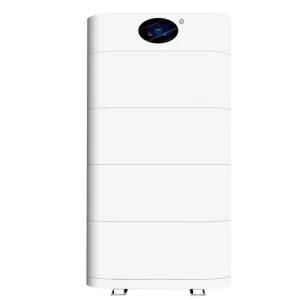
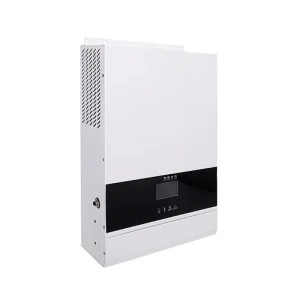
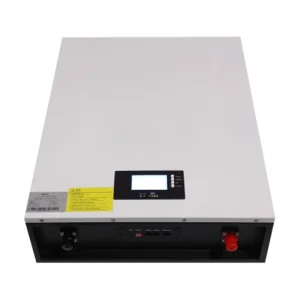
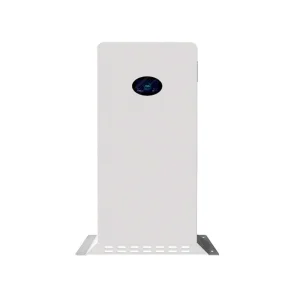
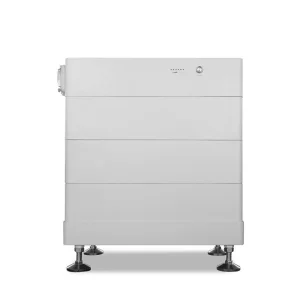
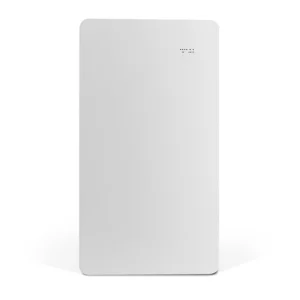
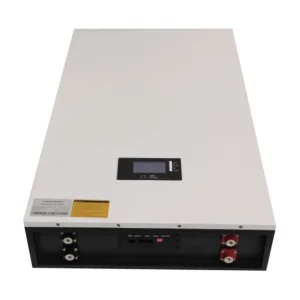
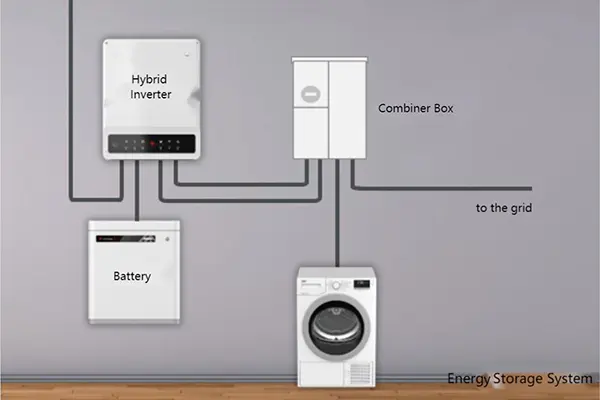
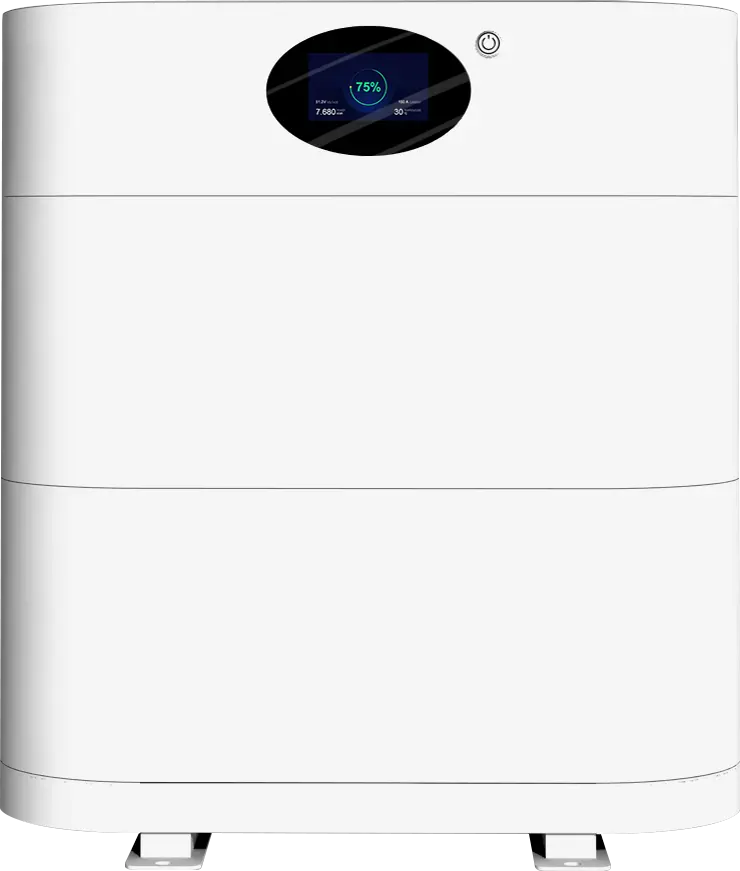
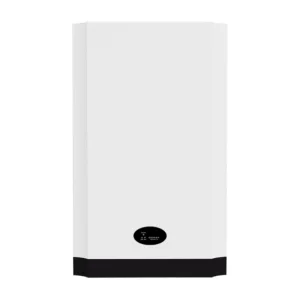
Select from our enterprise-grade product catalog, featuring cutting-edge stackable systems, high-voltage battery banks, and high-efficiency smart hybrid inverters engineered for low levelized cost of storage (LCOS).
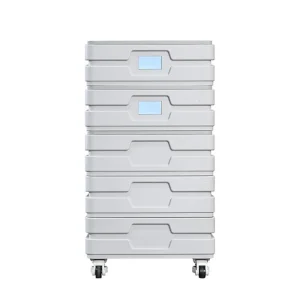
As global energy grids face unprecedented levels of clean energy penetration, commercial and industrial (C&I) operators, along with utility system developers, are realizing that solar photovoltaic installations alone cannot stabilize grid connectivity. The integration of solar panel storage batteries has evolved from an optional grid backup safety measure into a mission-critical infrastructure investment that manages demand charges, improves power quality, and generates secondary revenue streams through demand-response integration.
For procurement executives, analyzing the solar panel storage batteries cost requires transitioning from simple capital expenditure metrics (CapEx per kWh) to advanced Levelized Cost of Storage (LCOS) assessments. Standard retail solar batteries might quote a lower purchase price, but their lifetime costs climb significantly due to rapid state-of-health (SoH) degradation, thermal inefficiencies, and limited software integration capabilities. In contrast, factory-direct sourcing from certified Tier-1 facilities optimizes the initial purchase costs while guaranteeing a system life of 6,000+ continuous cycles under heavy discharge profiles.
LCOS represents the overall cost per megawatt-hour delivered by a storage facility over its economic cycle. By sourcing directly from a vertically integrated factory, buyers bypass distributor margins, lowering initial LCOS by up to 28%.
Battery performance depends heavily on operational temperature controls. Automated production ensures consistent cooling channel designs and high-precision liquid-cooling systems, crucial for preventing localized thermal stress.
Modern utility-scale storage systems demand smart Battery Management Systems (BMS) with real-time state-of-charge (SoC) algorithms, active balancing, and support for Modbus/CAN bus communication protocols.
The global energy storage industry is shifting from traditional Lead-Acid and early-generation Lithium-Ion setups toward cobalt-free chemistry with high cycle stability. Standardizing on Lithium Iron Phosphate (LiFePO4) chemistry provides superior thermal runaway thresholds (up to 270°C) and an extended calendar life compared to ternary NMC cells. Our current R&D focus is optimizing energy density through Cell-to-Pack (CTP) designs, removing modular overhead weight to improve system capacity in identical footprints.
Our technology roadmap includes solid-state electrolyte integration and sodium-ion configurations for low-temperature industrial applications. These innovations will lower lifecycle costs by removing high-cost raw materials. By combining high-voltage stackable battery cabinets with smart power conversion systems (PCS), we ensure seamless grid integration and fast frequency response times under 20 milliseconds.
| Cell Chemistry / Specs | Nominal Voltage (Cell) | Typical Cycle Life (80% DoD) | Thermal Runaway Threshold | Sourcing Application Focus |
|---|---|---|---|---|
| Lithium Iron Phosphate (LiFePO4) | 3.2 V | 6,000 - 8,000 Cycles | ~270°C (High Safety) | Home Backup, Commercial ESS, Peak-Shaving |
| Solid-State Lithium (Roadmap) | 3.7 V - 3.85 V | >10,000 Cycles | >350°C (Extremely Safe) | High-Density Industrial Backup & EVs |
| Sodium-Ion (Na-Ion Project) | 3.0 V - 3.1 V | 3,000 - 4,000 Cycles | ~250°C (Cost Efficient) | Extreme Cold Operations, Telecom Backup |
Industrial storage demand varies significantly by sector. To address this, we design and manufacture energy storage systems tailored to specific application profiles, ensuring optimal investment return (ROI).
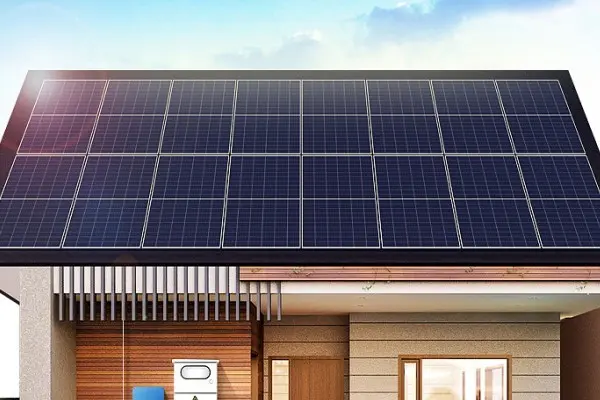
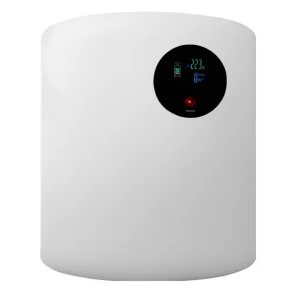
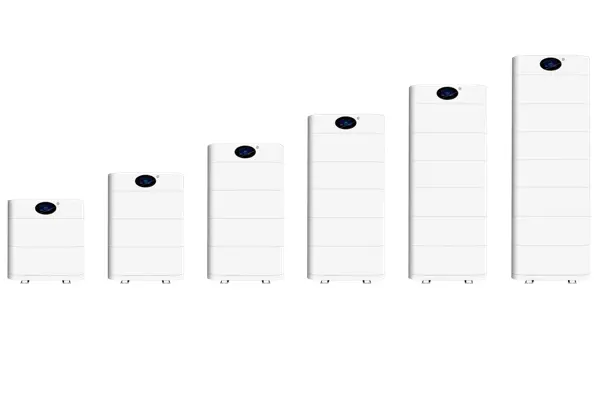
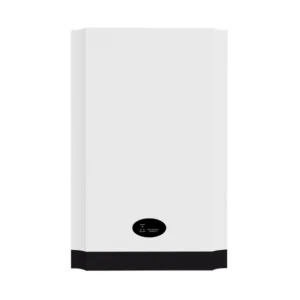
Customized for off-grid operations and maximizing self-consumption. Systems like the Elemro WHLV 10kWh and 14kWh LCLV offer easy wall-mounted or stacked installation, seamlessly connecting with home solar panels and hybrid inverters for residential energy independence.
Designed for peak-shaving, load-shifting, and emergency backup power. Our modular high-voltage cabinets enable factories and data centers to expand capacity as needed, reducing demand charges and ensuring clean power delivery.
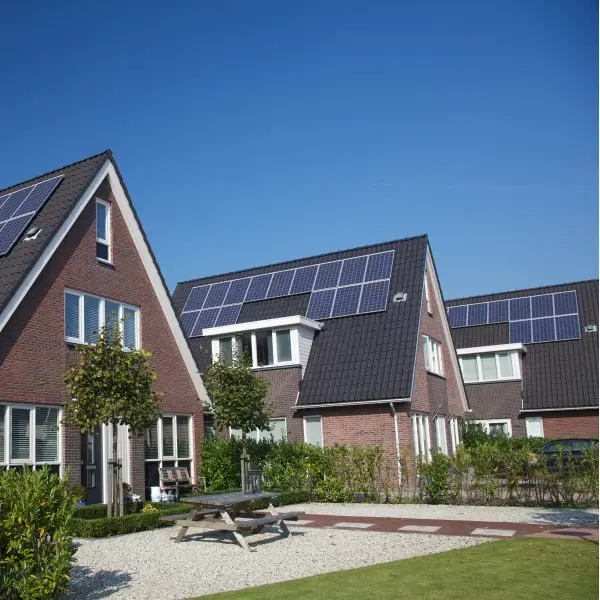
Building-Integrated Photovoltaics (BIPV) demand high-performance storage solutions. By combining CdTe (Cadmium Telluride) thin-film solar cell technology with high-voltage stackable battery units, we create multi-functional active energy envelopes for modern building facades.
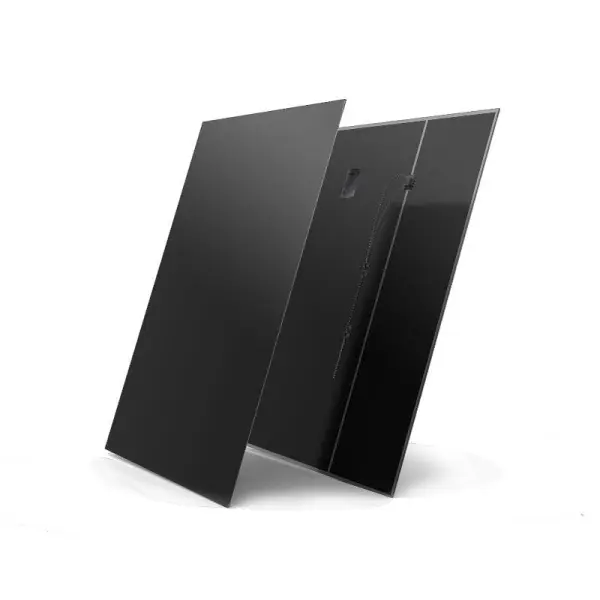
Modern BIPV projects require technologies that perform well in low-light, shaded, and high-temperature environments. Our Cadmium Telluride (CdTe) thin-film solar panels offer superior temperature coefficients and excellent weak-light performance compared to standard crystalline silicon modules. Connected to our high-voltage battery storage banks, they provide a reliable, aesthetically integrated building energy generation and storage solution.
Explore CdTe BIPV SolutionsLocated in Xiamen, China—a global hub for new energy technology and logistics—ELEMRO Energy leverages advanced industrial infrastructure to deliver high-quality storage solutions. Our partner manufacturing centers utilize smart Factory 4.0 workflows, incorporating automated cell sorting, high-precision laser welding, and automated aging chambers. Every battery module undergoes automated end-of-line testing, confirming nominal capacity and cycle capability under standard operating conditions.
Our local supply chain integration allows us to purchase premium A-grade cells at competitive rates. Because we control the manufacturing process—from raw sheet metal fabrications to custom BMS configurations—we pass these efficiencies on to global buyers as lower unit costs, without compromising product longevity or safety.
Established in 2019, headquartered in Xiamen, China, ELEMRO Energy has been specialized in new energy storage and electrical product solutions with rich experience. It is the market leader in the new energy industry that unifies R&D, production, and sales. The products have been sold to more than 250 customers in Europe, Southeast Asia, Africa, Mid-east, America, etc. Since its establishment, ELEMRO’s revenue has been growing rapidly every year. ELEMRO’s annual turnover is expected to exceed 50 millions USD in year 2023.
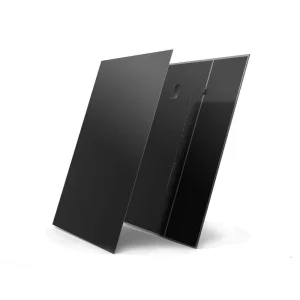
We continue to build clean energy capabilities by manufacturing not only battery storage modules, but also supporting solar infrastructure including Solar Glass, Energy Storage Containers, and custom Car Port Solar Power systems. We are committed to powering a green future for global enterprises and homeowners alike.

Solar Glass
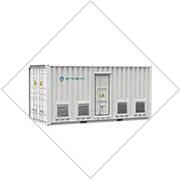
ESS Container
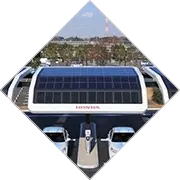
Solar Car Port
Placing battery energy storage systems (BESS) onto municipal utility grids requires strict compliance with international safety standards. ELEMRO products are designed and certified to meet the complex testing demands of worldwide import markets:
Systems comply with UL 9540 (for integrated systems) and UL 1973 (for battery pack safety), ensuring smooth integration and permitting by local Authorities Having Jurisdiction (AHJ).
Fully compliant with CE standards, IEC 62619, and regional grid codes such as Germany's VDE-AR-N 4105. This guarantees safe, grid-parallel operation with multi-platform hybrid inverters.
All lithium products hold UN38.3 safety certifications and detailed Material Safety Data Sheets (MSDS), meeting global shipping and hazardous materials transport requirements.
Jul 07, 2023
Nov 26, 2023
Nov 10, 2023
Battery cell chemistry and manufacturing quality are the primary drivers. Lithium Iron Phosphate (LiFePO4) cells offer a balanced combination of safety, thermal stability, and a cycle life of 6,000+ charges. Sourcing directly from verified Chinese factories optimizes pricing by bypassing intermediate distributor markups.
High-voltage (HV) systems (typically 150V to 600V+) operate at lower currents, reducing thermal losses and improving round-trip efficiency during high-power charging and discharging. Low-voltage (LV) systems (typically 48V) are easier to scale, making them ideal for residential and smaller light-commercial setups.
For European installations, CE, IEC 62619, and local grid connection certificates are necessary. For North America, systems must comply with UL 9540 (system safety) and UL 1973 (battery pack safety). Standard transport requires UN38.3 certification for all shipments.
LCOS calculates the total cost of energy delivered by a battery system over its operational lifetime, factoring in cell degradation, efficiency loss, and maintenance costs. While lower-grade batteries may reduce upfront costs, premium A-grade cells offer a lower lifetime LCOS due to their higher cycle counts.
Connect directly with our engineering team in Xiamen. Get customized advice on project configurations, battery sizes, and container designs within 24 hours.
Inquiry For Pricelist


 Elemro Energy