Explore top-performing backup batteries engineered by Tier-1 factories for residential reliability and industrial resilience.
As the global energy transition shifts from fossil fuels to intermittent renewable resources, the demand for sophisticated, resilient energy storage infrastructure has reached an unprecedented peak. Solar panels capture energy efficiently under ideal weather conditions, but true sustainability requires the integration of high-grade Solar Panel Backup Batteries. Today's commercial, industrial, and residential developers look beyond simple battery packs; they require robust, intelligent systems capable of peak shaving, load shifting, and seamless microgrid transition.
ELEMRO Energy has emerged as a vanguard in this technological revolution. Founded in 2019 and headquartered in the high-tech hub of Xiamen, China, Elemro integrates research and development, manufacturing, and international distribution under a singular, quality-focused umbrella. Recognizing that energy storage is not a one-size-fits-all solution, our teams engineer diversified systems optimized for different electrical climates and installation requirements.
"By integrating advanced chemistry with robust system topology, we ensure that energy is not only captured but stored and deployed with minimal thermal loss and maximum safety."
Leveraging standard-setting engineering pipelines and extensive quality management system certifications.
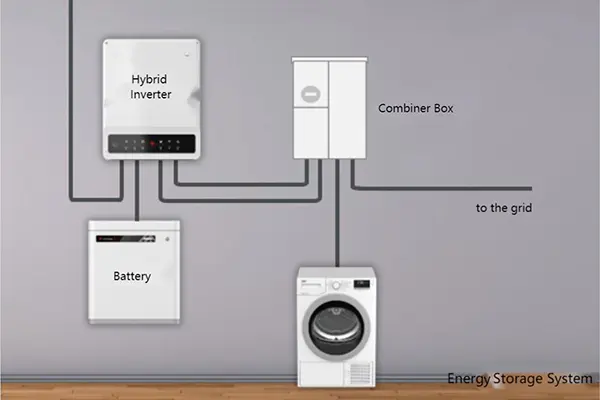
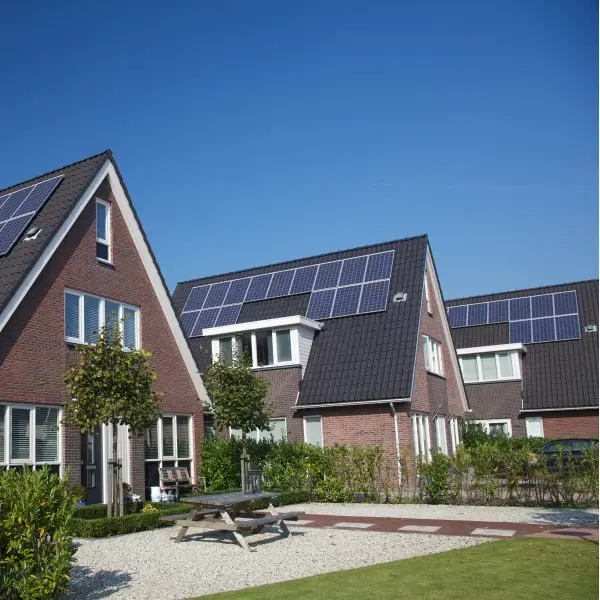
Modern architectures demand deep integration between energy-generating surfaces, grid controllers, and backup battery banks. Elemro's ecosystem encompasses advanced solar generation solutions and high-capacity storage. Below are the foundational categories defining our production pipelines.

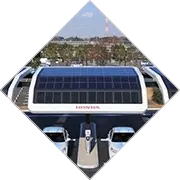
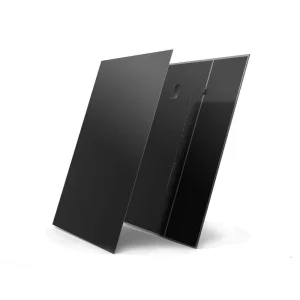
A notable breakthrough is the CdTe (Cadmium Telluride) Thin Film Solar Cell system. Optimized for Building-Integrated Photovoltaics (BIPV), this technology allows standard building facades and glass panels to generate electricity. Under weak light or high-temperature conditions where crystalline silicon performance degrades, CdTe thin-film modules maintain stable power generation, directly feeding power to the high-voltage stackable battery systems situated inside the facility's utility rooms.
When evaluating high-capacity backup systems, energy managers assess cycle life, safety profiles, round-trip efficiency, and system voltage layouts. The industry has shifted significantly toward LiFePO4 (Lithium Iron Phosphate) chemistry for static energy storage, and with good reason.
Unlike NMC chemistries, LFP offers a high thermal runaway threshold (>270°C). It does not release oxygen during structural breakdown, drastically mitigating fire risks in high-density multi-stack configurations.
Connecting battery modules in series (up to 400V or higher) rather than parallel limits current draw. Lower current translates to reduced resistive heat generation (I²R loss), improving energy conversion efficiency by 3-5%.
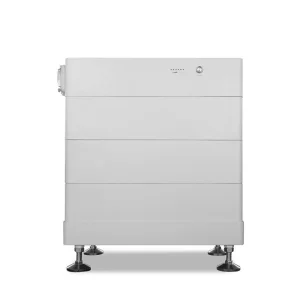
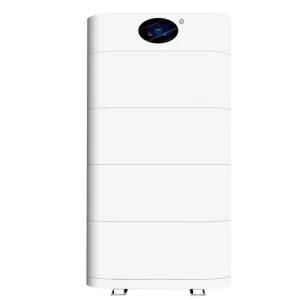
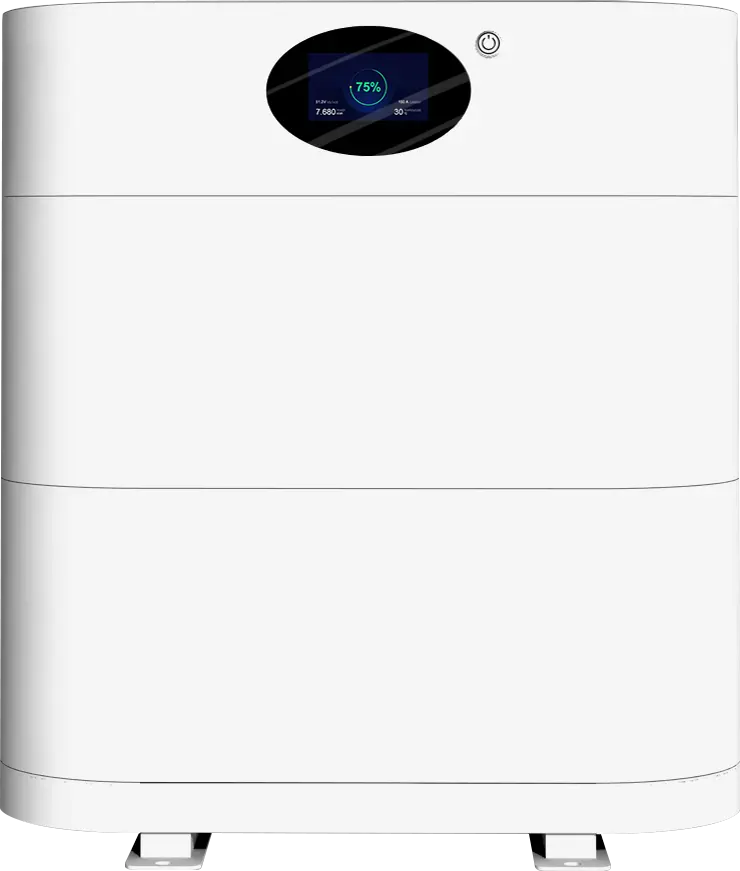
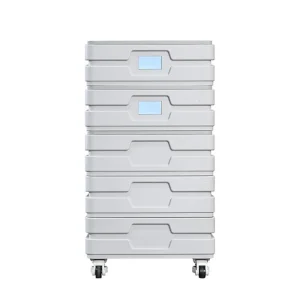
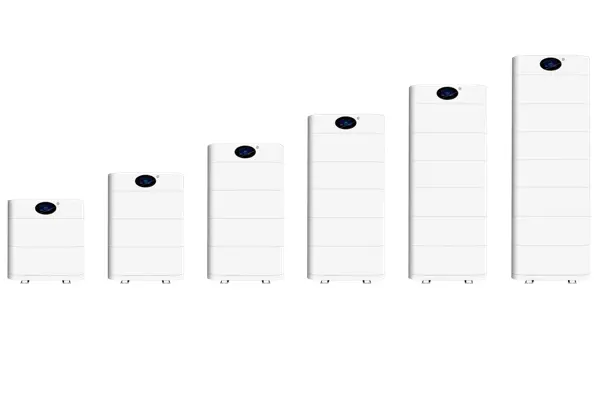
By leveraging stackable designs (like Elemro's High-voltage Stackable LiFePo4 systems), commercial operators can begin with 10.2kWh or 14.3kWh capacities and expand incrementally as demand increases.
Another major design improvement is the implementation of intelligent BMS (Battery Management Systems). Our BMS tracks cell voltages, system temperatures, and State-of-Charge (SoC) metrics in real-time. By utilizing active balance circuits, the system dynamically redistributes energy among cells during charge and discharge phases, extending stack life by up to 30% compared to systems utilizing passive balancing methods.
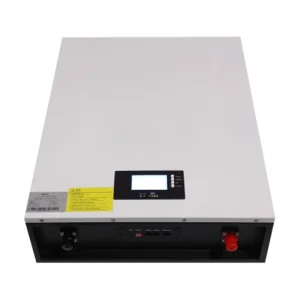
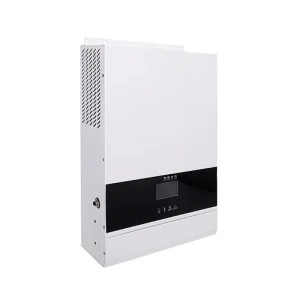
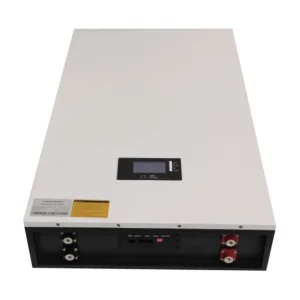
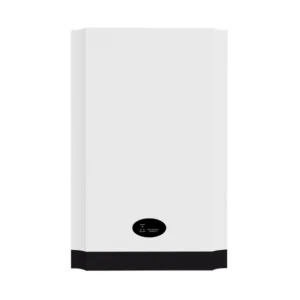
For residential installations, 48V Low Voltage systems (e.g., Elemro WHLV series) remain popular due to simplified electrical code compliance and ease of handling during installation. However, for systems scaling above 15kW, High Voltage architectures become the standard. HV systems require thinner wiring, feature smaller footprints, and pair seamlessly with modern hybrid three-phase inverters, making them the preferred selection for commercial facilities and large estate designs.
Engineered for varying scale requirements—from individual residential nodes to complete grid-connected commercial systems.
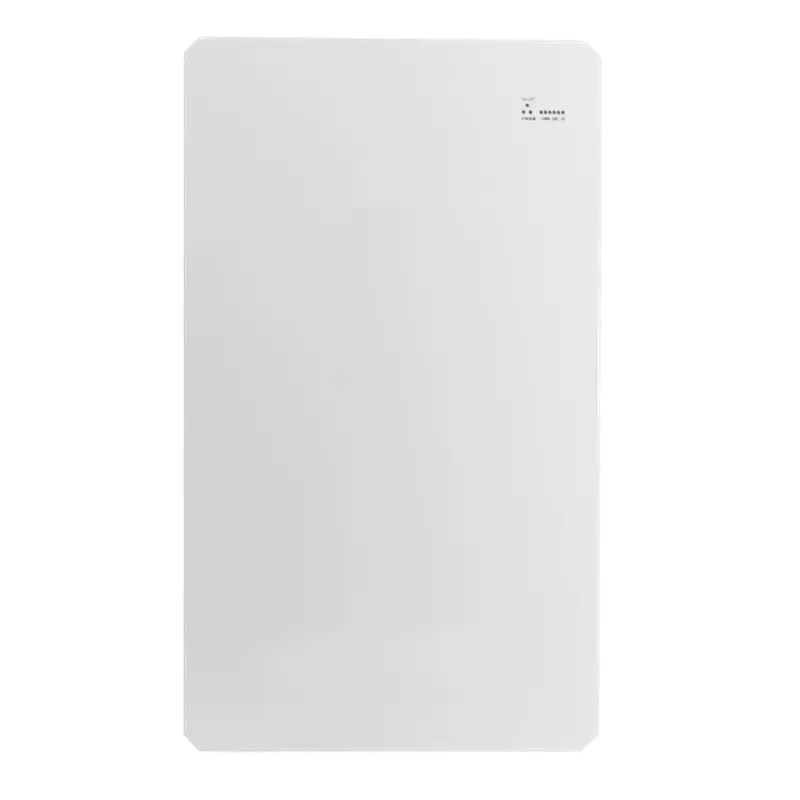
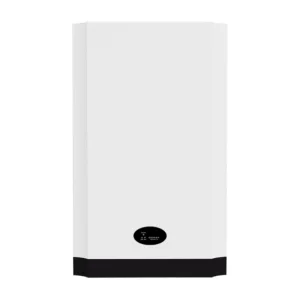
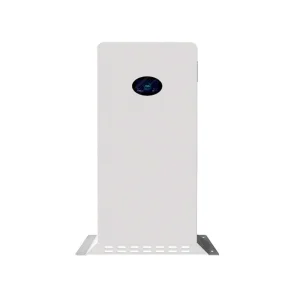
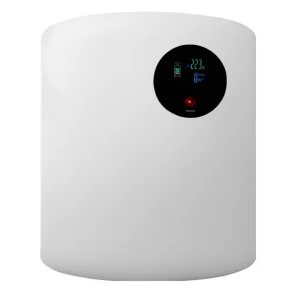
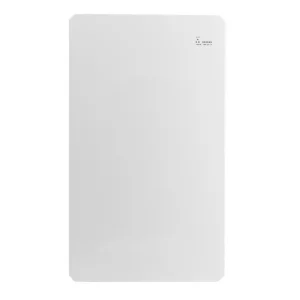
A high-efficiency wall-mounted or floor-stacked solution featuring safe LFP chemistry, optimized for modern residential properties looking for grid independence.
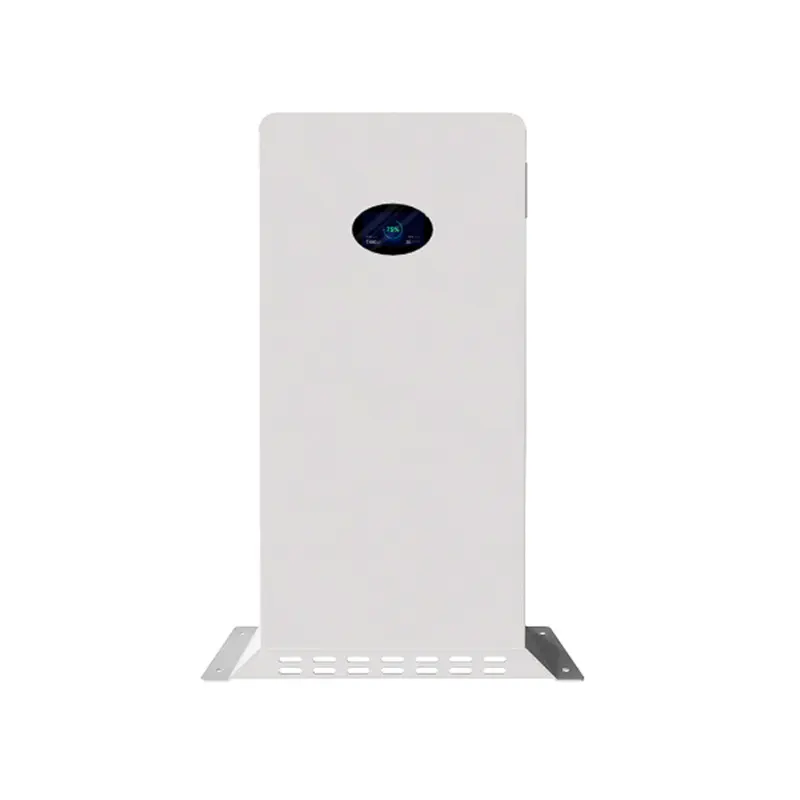
High energy density integrated with cabinet enclosures, providing reliable backup power during prolonged utility grid outages.
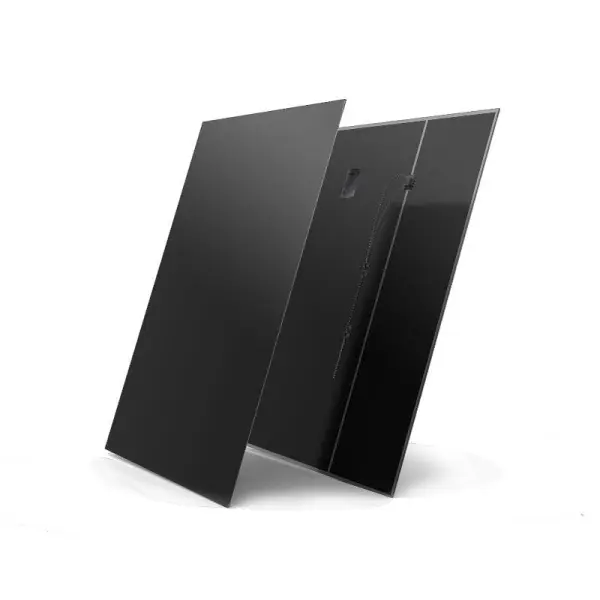
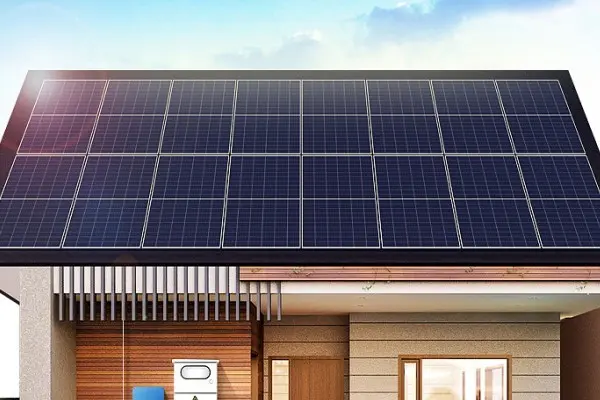
Cutting-edge thin-film PV solutions designed to seamlessly integrate into building structures, delivering power generation directly to backup banks.
Procuring storage solutions at scale requires navigating complex global compliance schemes and logistics pathways. Distributors and engineering, procurement, and construction (EPC) companies must perform due diligence on factory processes to avoid project installation delays or regulatory fines.
Elemro Energy operates with rigorous quality control parameters, auditing all incoming cells for consistent capacity, internal resistance, and voltage before entering module assembly. Our manufacturing facility in China utilizes automated laser-welding systems to guarantee robust connections between cell terminals, minimizing point-contact resistance and thermal hotspots.
"Navigating international import guidelines requires a manufacturer with structured certification systems. Elemro's compliance-focused workflow minimizes project certification timelines for engineering contractors."
The energy storage sector moves at a rapid pace. As factories refine chemical compositions and manufacturing processes, new technologies are transitioning from laboratories to production floors. Elemro's research department focuses on three major advancements for future iterations:
While lithium-iron-phosphate dominates high-efficiency applications, sodium-ion alternatives present significant raw material cost benefits and exceptional low-temperature functionality. Future product frameworks will include sodium-ion variations optimized for colder regions.
By eliminating liquid electrolytes, solid-state designs virtually eliminate fire risks while increasing volumetric energy densities by up to 50%. Our teams monitor solid-state dynamics to integrate these technologies once high-volume manufacturing thresholds are reached.
Future home systems will operate not just as standalone backup units, but as dynamic energy nodes communicating with electric vehicle chargers, smart home systems, and community microgrids to trade power in real-time during peak price surges.
Expert answers to the most common questions raised by system installers, distributors, and engineering consultancies.
Stay updated with our research breakthroughs, exhibition details, and comprehensive technical analysis from the field.
Whether you require multi-container layouts or localized wholesale support, our engineering division will contact you with detailed parameter options within 24 hours.
Inquiry For PricelistExamine our wall-mounted systems, high-capacity hybrid options, and individual ESS packs available for immediate deployment.





 Elemro Energy