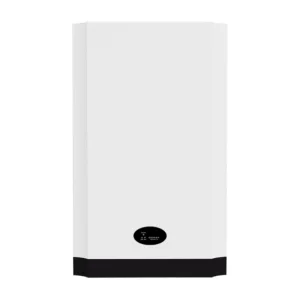
Explore our highly integrated battery cells, high-voltage stackable storage designs, and specialized solar power inverters configured for global deployment.
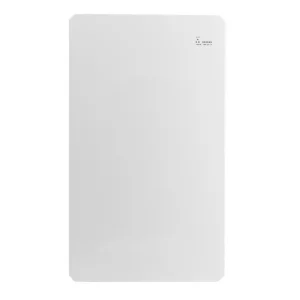
As grid infrastructure faces stress from increased EV deployment and volatile clean energy integration, procurement departments at large-scale enterprises are moving beyond simple capital expenditure evaluation. Modern energy storage requirements focus heavily on Levelized Cost of Storage (LCOS), safety metrics, and system longevity.
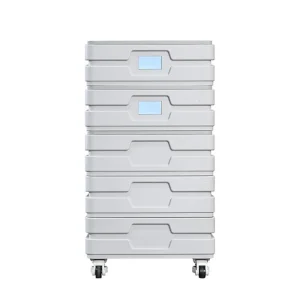
Multi-megawatt procurements are increasingly favoring scalable configurations. By opting for containerized systems or high-voltage stackable battery units, developers reduce local construction overheads. Pre-engineered units are tested extensively at factory level, dramatically minimizing on-site commissioning delays and field wiring complications.
Additionally, localized supply-chain logistics necessitate that major battery storage factories operate under rigorous environmental, social, and governance (ESG) compliance frameworks. Traceability of raw materials like lithium carbonate, cobalt, and copper foil is rapidly becoming a decisive commercial metric.
Leveraging robust engineering, precision manufacturing, and international alliances to deliver next-generation storage systems.
Transforming commercial energy profiles through active load balancing, zero-export PV configuration, and peak demand shaving.
Alleviate high utility demand fees by programmatically discharging the storage network during peak grid consumption hours. Our smart EMS algorithms forecast site load characteristics to dynamically adjust battery reserve margins.
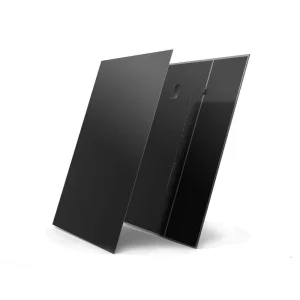
Combine high-efficiency CdTe (Cadmium Tellurium) thin-film cells with custom building facades. This generates clean power directly on building envelopes, coupled with storage banks for smooth power profiles and zero-injection capabilities.
Unify industrial diesel generators, rooftop solar, and stackable LiFePO4 batteries into a cohesive microgrid. Ideal for isolated manufacturing complexes, mine sites, and critical telecommunication hubs requiring 100% uptime.
We provide cleaner energy for a greener world through specialized architectural hardware.

High-transmittance, ultra-clear structural solar glass optimized for building integration and commercial agricultural greenhouses.
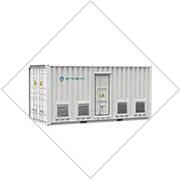
Pre-packaged containerized utility storage complete with liquid cooling, smart BMS, and fire suppression systems.
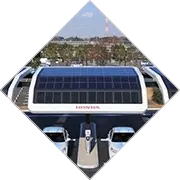
High-strength steel structures engineered to convert commercial parking spaces into distributed utility generation stations.
Established in 2019, headquartered in the coastal green energy hub of Xiamen, China, Elemro Energy has specialized in designing and manufacturing high-performance new energy storage and electrical product solutions. We operate as a comprehensive technology leader integrating global research & development, state-of-the-art battery assembly, and global supply logistics.
Our technologies have been deployed by over 250 enterprise customers in Europe, Southeast Asia, Africa, the Middle East, and the Americas. The rapid market uptake of our products has led to significant year-on-year revenue growth, with our annual turnover exceeding $50 million USD in 2023.
By leveraging advanced supply-chain integration, we maintain cost-leadership while enforcing strict Quality Management Systems (QMS) aligned with ISO9001 and ISO14001 criteria.
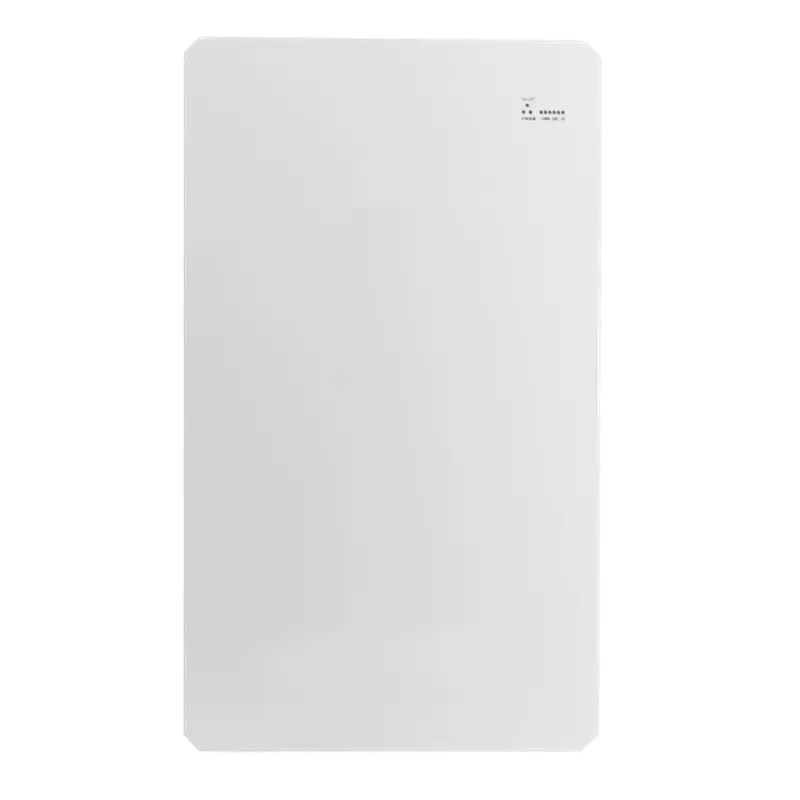
A technical comparison of dominant energy storage chemistries and high-voltage grid-integration pathways.
LFP remains the chemistry of choice for commercial and industrial applications. This preference is driven by its exceptional cycle life, structural safety, and thermal tolerance. Unlike NMC chemistry, LFP cells are highly resistant to thermal runaway even under mechanical deformation or elevated operational temperatures. Modern advancements in cell packaging, specifically Cell-to-Pack (CTP) technologies, have reduced non-active materials, significantly raising overall volumetric density.
High-voltage battery setups (typically ranging from 200V DC to over 800V DC) drastically cut down systemic current levels. This transition yields distinct operational improvements:
Looking to the next decade, the industry is transitioning towards semi-solid and solid-state battery structures to eliminate liquid electrolytes. Concurrently, Battery Management Systems are evolving from basic voltage monitoring to AI-driven predictive health platforms. By utilizing machine learning algorithms hosted in the cloud, these systems can forecast internal short circuits, detect subtle deviations in cell impedance, and dynamically adapt cell-balancing configurations to prolong module life by up to 25%.
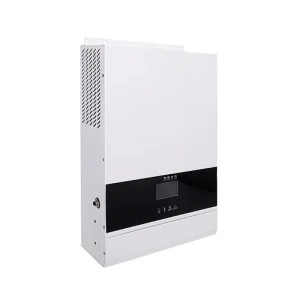
Designed for demanding environments and optimized for integration with modern hybrid system topologies.
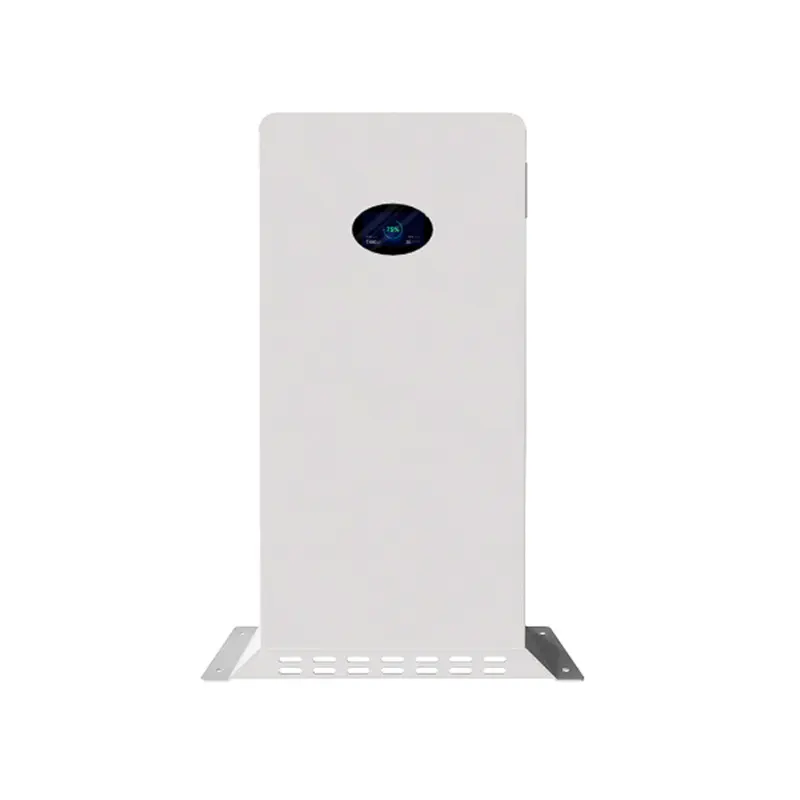
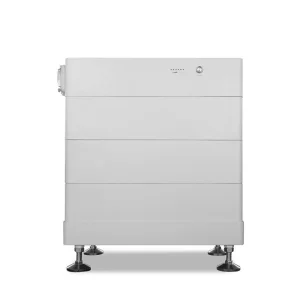
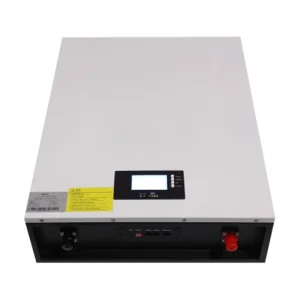
High-density cabinet layout optimized for small business offices and residential microgrids.
View Tech Sheet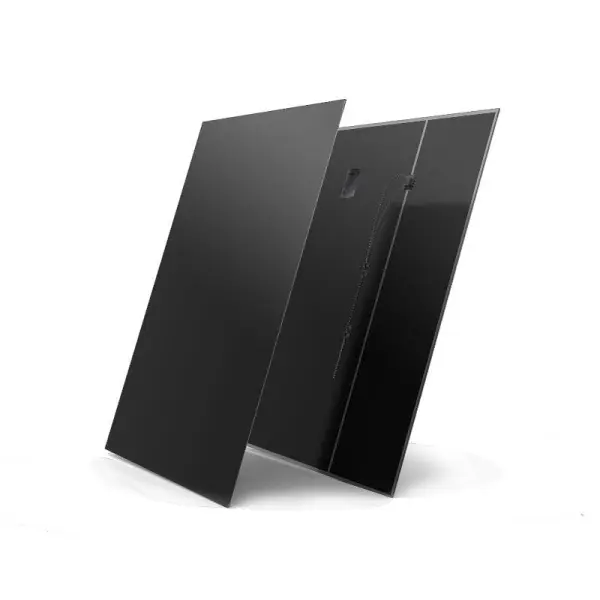
Advanced thin-film solar generation designed for integrated building envelopes and modern facades.
View Tech Sheet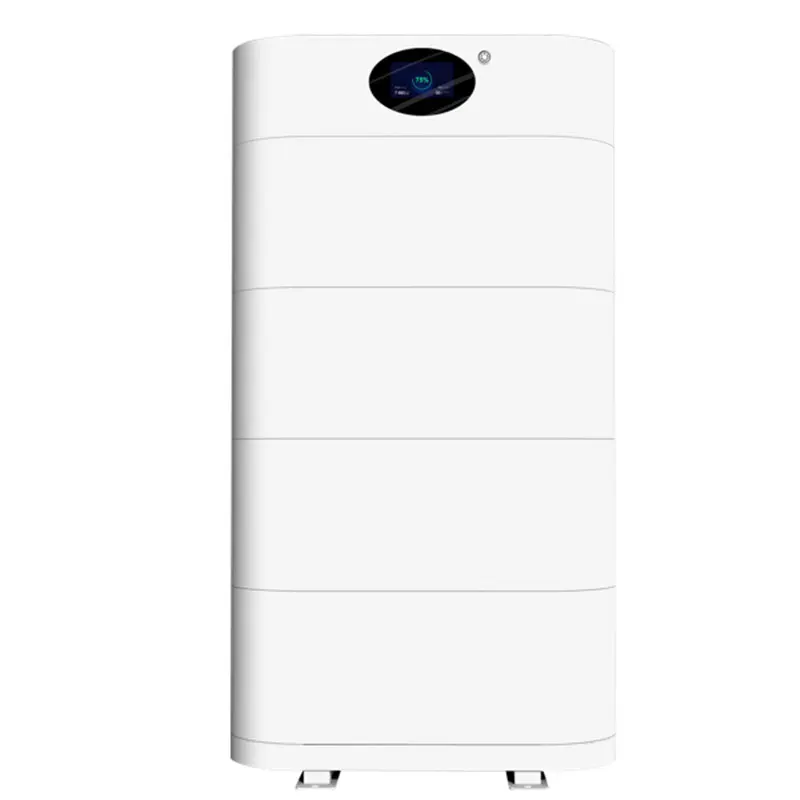
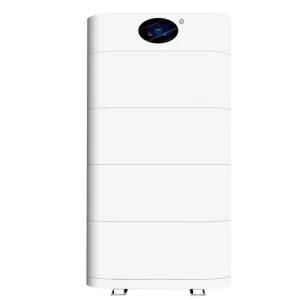
High-voltage stacked battery cell system configuration for grid-interactive solar arrays.
View Tech Sheet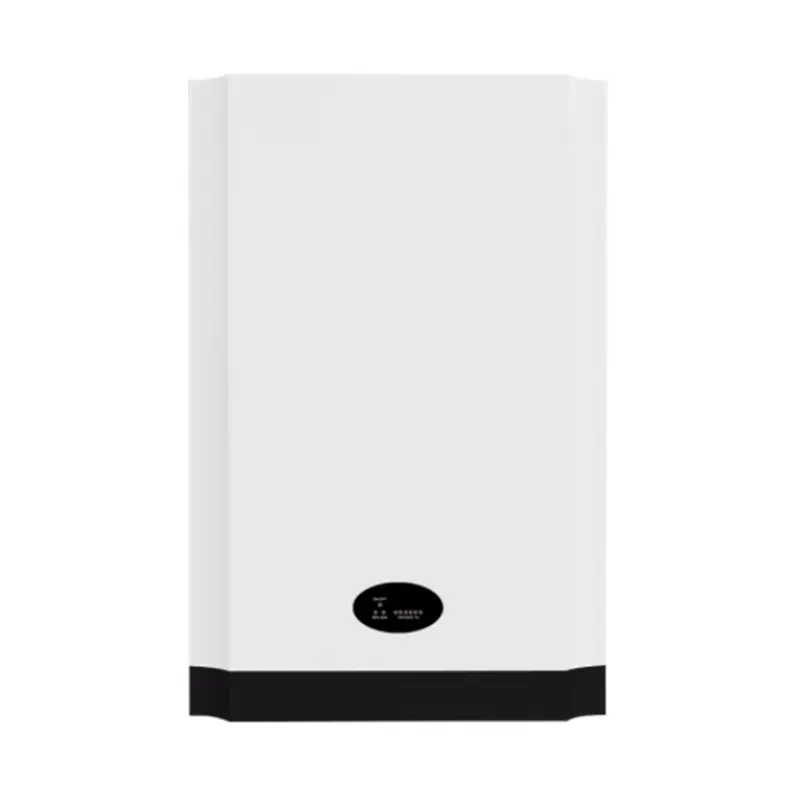
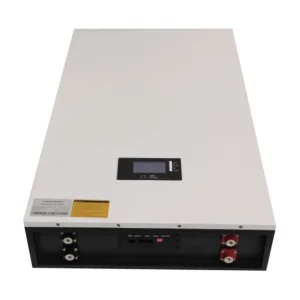
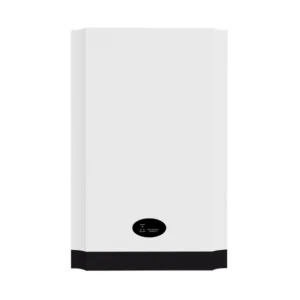
Wall-mounted design featuring integrated BMS and active thermal management modules.
View Tech Sheet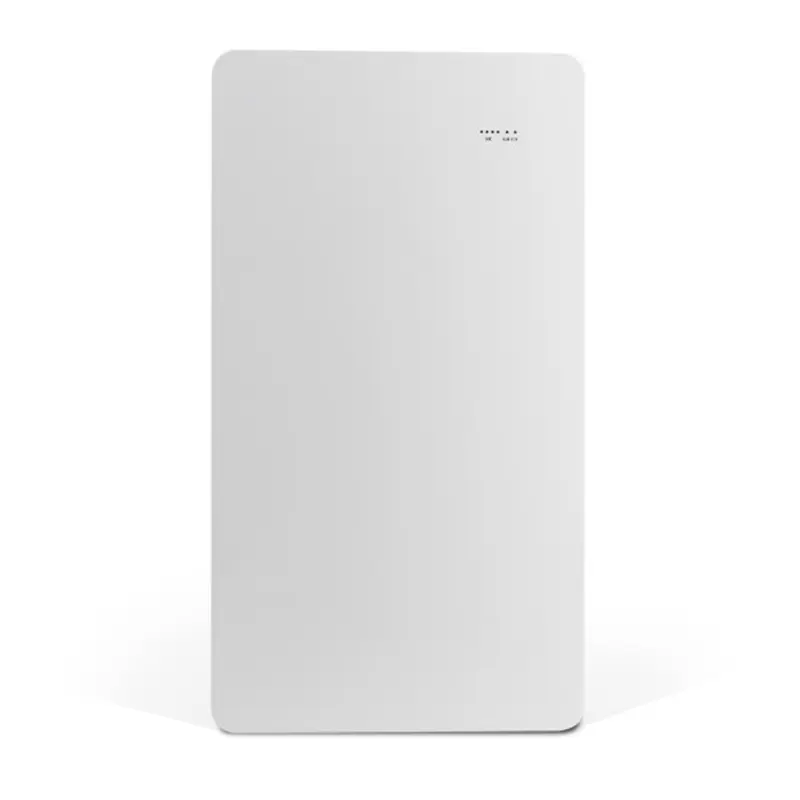
High-capacity critical load backup system with sub-10ms automatic transfer switch (ATS) times.
View Tech Sheet
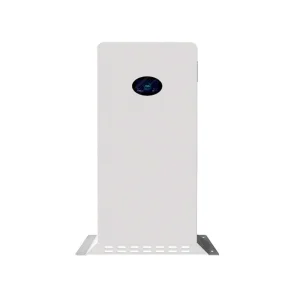
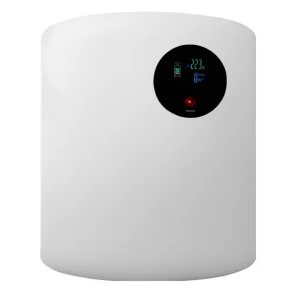
Compact residential solution designed for seamless wall installations and parallel scalability.
View Tech SheetAccess our latest engineering reviews, regulatory interpretations, and exhibition updates.
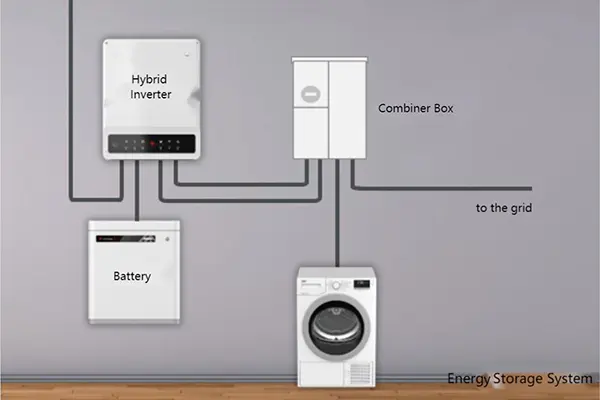
Exploring the electrical design and conversion efficiencies of residential hybrid string inverters.
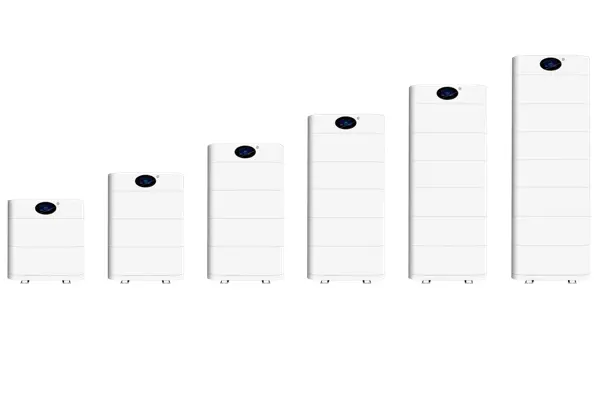
A comparative study on degradation, cycle depth, safety margins, and structural design limitations.
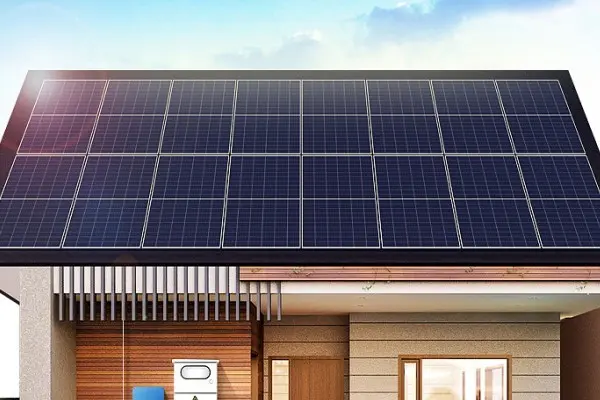
Detailed evaluation of real-world load curves, peak shifting applications, and off-grid performance.
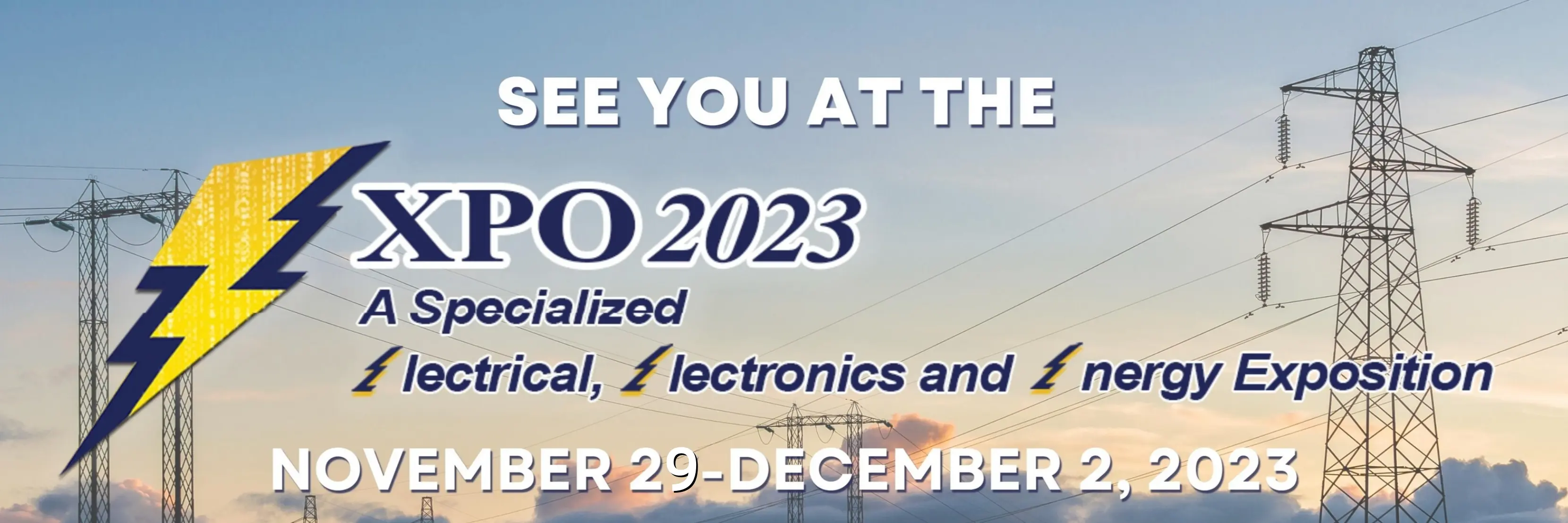
Connecting with ASEAN infrastructure engineers to display off-grid and smart microgrid products.
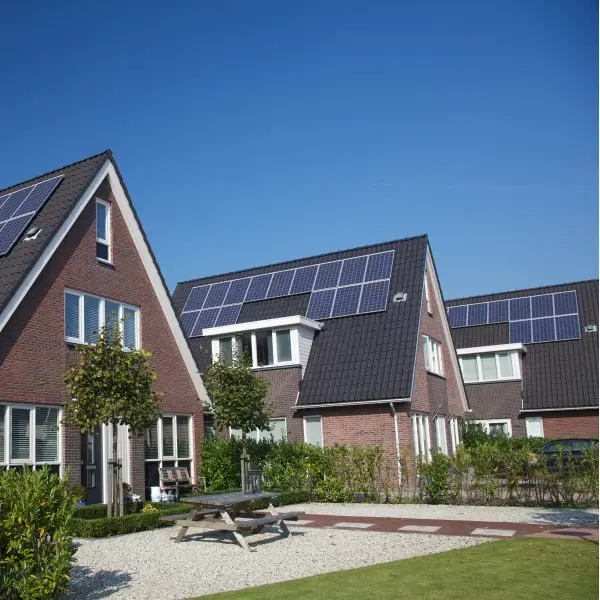
How thin-film structures solve low-light generation limitations in urban environments.
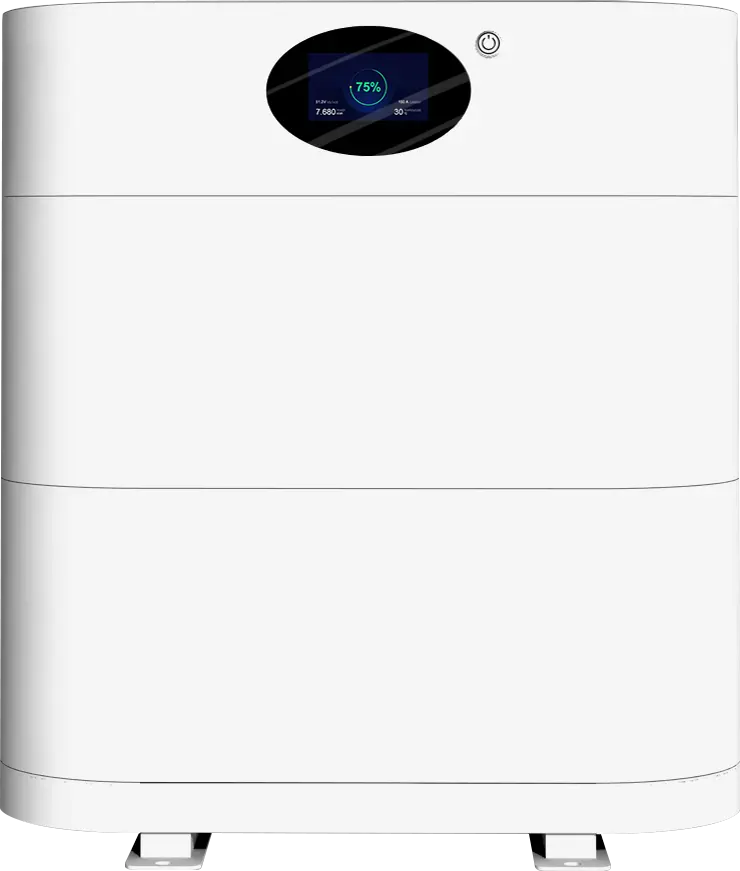
Breaking down cell topology, heat management, and CAN/RS485 smart inverter communication.
Energy storage devices must clear strict international verification processes before they can connect to national grids. At ELEMRO Energy, every battery module undergoes mechanical stress tests, overcharge tolerance runs, and induced thermal runaway tests to achieve compliance with global safety standards.
ELEMRO operates manufacturing units featuring semi-automated battery assembly lines. Key factory protocols include:
We supply leading energy developers, utility authorities, and regional distributors globally.




Expert answers addressing battery design, performance optimization, and procurement pathways.
Contact our system engineering team for complete structural drawings, performance simulations, and detailed commercial volume discount quotes.
Select specialized architectures configured for regional low-voltage and high-voltage grid layouts.
 Elemro Energy