Explore our high-performance solar battery configurations optimized for long lifecycles and lower cost of ownership.
In the transition toward modern carbon-neutral architectures, the integration of solar photovoltaic (PV) generation with Battery Energy Storage Systems (BESS) is no longer merely an environmental statement; it is a vital economic imperative. For global enterprise procurers, engineering firms, and utility scale developers, evaluating the best solar energy battery cost involves analyzing a complex matrix of capital expenditure (CapEx), operating expenses (OpEx), Levelized Cost of Storage (LCOS), cell-level chemistry longevity, and the comprehensive vertical integration capabilities of Chinese manufacturing plants.
Executive Summary: The procurement of commercial, industrial, and residential battery storage is driven by systemic balance-of-system (BoS) efficiencies, regulatory frameworks (such as UL9540A and CE certifications), and global logistics cost control. ELEMRO Energy, an industry-leading manufacturer headquartered in Xiamen, China, has established optimized supply chain pathways that dramatically reduce system assembly costs while ensuring Tier-1 battery cell performance.
When calculating the return on investment (ROI) for energy storage, raw system capacity ($/kWh) represents only a fraction of the total economic equation. A comprehensive assessment requires evaluating the initial cell purchase, integration of advanced Battery Management Systems (BMS), high-efficiency inverters, thermal management structures, and physical enclosure integrity. The market is shifting from a standard pricing model based solely on raw material capacity to a nuanced calculation of cost-per-cycle over the battery's active operating life.
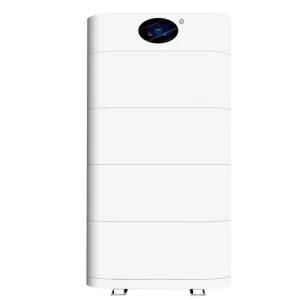
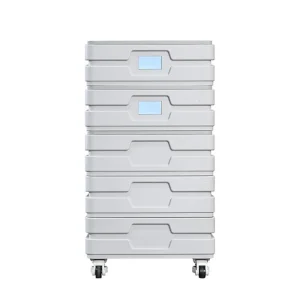
The primary chemistry driving commercial energy storage today is Lithium Iron Phosphate (LiFePO4). Compared to Lithium Nickel Manganese Cobalt Oxide (NMC), LiFePO4 offers distinct advantages in cost per cycle, safety under thermal stress, and chemical stability. For high-voltage stackable configurations and heavy-duty industrial storage, LiFePO4 cells yield a lower lifecycle cost, making them the preferred architecture for ELEMRO products like the SHELL and WHLV series.
China remains the undisputed global hub for battery manufacturing, controlling over 70% of the world's lithium-ion battery production capacity. By locating its operations in Xiamen, Fujian Province—a strategic geographical industrial cluster—ELEMRO Energy leverages direct access to raw material processing, cell manufacturing components, and highly skilled engineering talent. This integration yields several key advantages:
B2B and enterprise-level buyers require rigorous validation processes when choosing an ESS manufacturer. The criteria extend beyond pricing, focusing heavily on operational security, system compatibility, and reliable warranty terms. Key procurement considerations include:
A battery storage system is only as good as its certification and local compliance framework. ELEMRO products undergo rigorous validation testing to meet strict safety and electrical standards in Europe, the Middle East, Africa, Southeast Asia, and the Americas.
Our solutions conform to IEC 62619 for safety in industrial storage systems, CE-LVD/EMC for European markets, and UN38.3 for transportation security. Maintaining local support teams and responsive engineering offices ensures that commercial operators receive immediate technical support during installation and commission stages.
Different energy consumption models require distinct system configurations to maximize financial return and operational reliability:
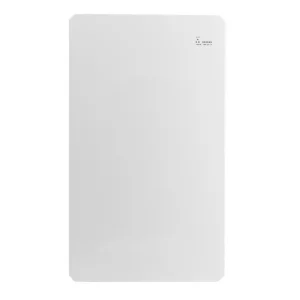
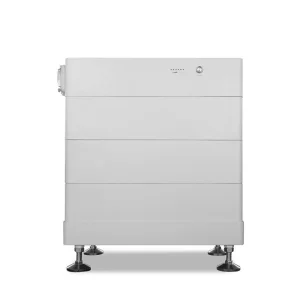
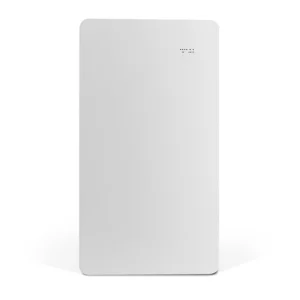
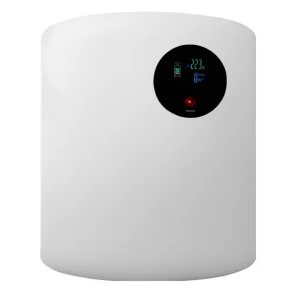
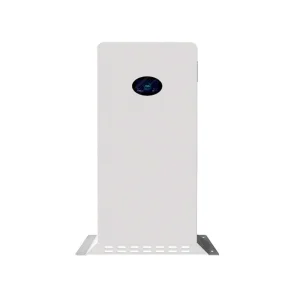
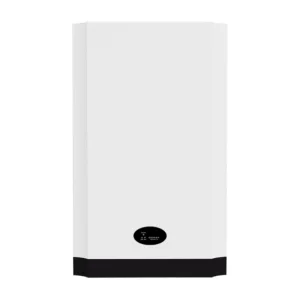
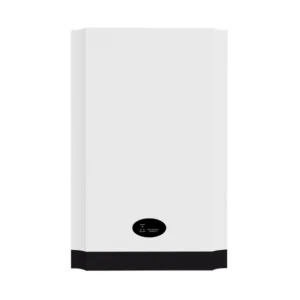
Using the ELEMRO WHLV low-voltage wall-mounted configurations (5kWh and 10kWh) or stackable high-voltage configurations allows homeowners to maximize rooftop PV self-consumption. This setup reduces grid dependence during peak tariff periods and provides reliable backup power during blackouts.
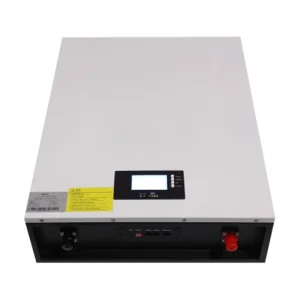
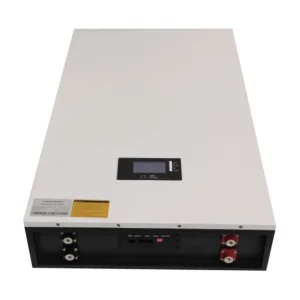
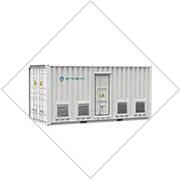
For large-scale facilities, C&I peak shaving reduces demand charges imposed by utilities. The high-capacity ELEMRO SHELL (14.3kWh) and custom container storage systems deliver high C-rates to buffer heavy load transitions, lowering peak energy costs.
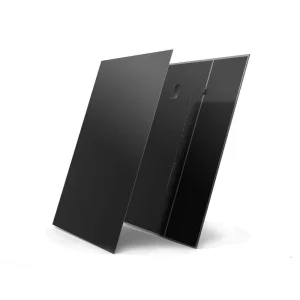
Integrating advanced Elemro CdTe Cadmium Tellurium thin-film solar glass directly into building facades generates clean energy on vertical surfaces. This configuration, paired with battery storage, turns commercial buildings into self-sustaining microgrids.
The energy storage landscape is evolving rapidly. Key technological trends that will shape the economics of future battery systems include:
Established in 2019, headquartered in Xiamen, China, Elemro Energy has been specialized in new energy storage and electrical product solutions with rich experience. It is the market leader in the new energy industry that unifies R&D, production, and sales. The products have been sold to more than 250 customers in Europe, Southeast Asia, Africa, Mid-east, America, etc. Since its establishment, ELEMRO’s revenue has been growing rapidly every year. ELEMRO’s annual turnover is expected to exceed 50 millions USD in year 2023.
About Us
Stay up to date with the latest advancements in energy storage configurations and solar integration.




Submit your inquiry below to request detailed pricing, custom configuration blueprints, and wholesale quotation packages.
Review additional system configuration options, and select the layout best suited to your operational requirements.
 Elemro Energy