Best Solar And Battery Storage Product & Products

Pioneering global energy transformation through intelligent photovoltaics, smart energy storage systems (BESS), and integrated BIPV technology solutions.

50M+
Expected 2023 Turnover (USD)
250+
Global Enterprise B2B Clients
2019
Established & R&D Driven
Factory 4.0
High-Precision Production

ELEMRO Energy: Driving the Global Energy Transition

Established in 2019 and headquartered in the high-tech green-tech cluster of Xiamen, China, Elemro Energy has emerged as a premier force in new energy storage and integrated electrical engineering solutions. By unifying industrial-grade Research & Development (R&D), highly automated production facilities, and a globalized distribution network, we serve as a comprehensive partner for clean energy operations.

Our footprint extends to over 250 high-profile clients spanning Europe, Southeast Asia, Africa, the Middle East, and the Americas. Due to our rigorous component testing, innovative chemical stability designs, and dedication to safety standards, ELEMRO has achieved exponential revenue growth year after year, with our annual turnover surpassing 50 million USD in 2023.

We believe that clean energy is not just a technological capability, but the structural foundation for a sustainable global economy. Our core developments focus on high-voltage system optimization, thin-film BIPV integration, and grid-scale modular battery structures.
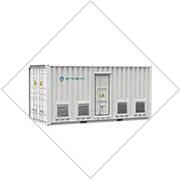
ELEMRO Energy Storage Container Industrial Site

Technological Innovations in Solar & Battery Storage

The global shift from basic PV modules to hybrid, intelligent, and highly durable energy infrastructure ecosystems.

High-Voltage Stackable Topology

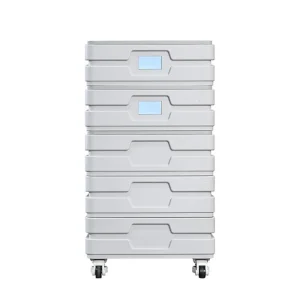
Modern systems are rapidly shifting from traditional low-voltage (48V) systems to high-voltage (HV) stacked battery systems. High-voltage structures reduce transmission losses over cables, enhance DC-DC conversion efficiency, and simplify local thermal management, making them the preferred architecture for large-scale utility integration and modern C&I deployment.

BIPV & CdTe Thin-Film Progress

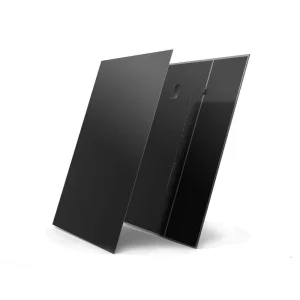
Building-Integrated Photovoltaics (BIPV) require solar modules that double as building materials. Cadmium Telluride (CdTe) thin-film solar cells excel here, providing superior performance in low-light environments, low temperature coefficients, and high aesthetic adaptability. This turns standard building envelopes into power generation hubs.

AI-Driven Smart EMS Integration

Batteries are only as smart as their Energy Management System (EMS). Integrating AI algorithms allows real-time load forecasting, dynamic pricing optimization (Time-of-Use tracking), and predictive cell health diagnostics, maximizing BESS return-on-investment and avoiding cell thermal events before they manifest.

ELEMRO Advanced Solar Glass Panel Production

China Factory 4.0: Achieving Supply Chain Resilience & Unmatched Efficiency

The manufacturing landscape for energy storage has changed. Elemro Energy leverages China’s advanced Industrial 4.0 manufacturing infrastructure to offer cost-competitive, reliable, and high-performance energy solutions. Based in Xiamen, we pull from a local supply cluster of high-grade lithium suppliers, precise BMS chip fabricators, and automated chassis manufacturers.

  • Automated Assembly & Testing: Cell-sorting, module-stacking, laser-welding, and automated thermal chamber cycles minimize human error, ensuring absolute safety for high-voltage LiFePO4 packs.
  • Rigorous Raw Material Control: Directly sourcing Grade-A LFP cells ensures optimized capacity matching, stable internal resistance, and guarantees a system cycle life exceeding 6000 cycles at 80% Depth of Discharge (DoD).
  • Regulatory Agility: Elemro's production lines are certified under globally accepted protocols (CE, UN38.3, IEC 62619, UL 1973), accelerating deployment approval processes for international system integrators.

Global Application Dynamics: From C&I to BIPV

How enterprise entities deploy modern solar and storage solutions to guarantee grid resilience and decrease carbon footprints.

Industrial Microgrids & Peak Shaving

Manufacturing hubs experience high peak-demand surcharges. By placing multi-megawatt energy storage containers alongside rooftop PV arrays, facilities can store surplus daytime energy and discharge it when demand spikes, immediately shaving off expensive utility tariff peaks and ensuring uninterrupted backup operations during utility outages.

Solar Carports & EV Charging Networks

The synergy between corporate parking lots, structured solar steel carports, and energy storage systems is a fast-growing trend in corporate procurement. BESS stabilizes local distribution grids from extreme loading rates during simultaneous EV charging events, capturing solar energy directly from carport modules.

BIPV Building Envelopes

Using CdTe thin-film panels integrated into commercial building curtain walls and facades turns structural surfaces into green energy generators. This provides thermal insulation, reduces solar glare, and satisfies strict municipal green building codes (like LEED and BREEAM certifications).

ELEMRO Core Architecture Segments

Specialized products designed to build clean microgrids, home backup systems, and customized electrical infrastructures.

Solar Glass

Solar Glass

Optically optimized, high-durability solar glass options developed to protect photovoltaic junctions, maximize light absorption, and survive severe wind and hail loads.

Energy Storage Container

Energy Storage Container

Megawatt-scale ready-to-deploy outdoor battery enclosures featuring integrated HVAC, fire suppression systems, and centralized smart EMS controls.
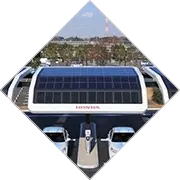
Car Port Solar Power

Car Port Solar Power

Turnkey structural solar frameworks designed for enterprise parking installations, pre-engineered for rapid on-site assembly and connection to battery stacks.

Industrial Solar & Energy Storage FAQ

Technical answers for procurement departments, project engineers, and distribution partners.

1. What are the core advantages of LiFePO4 chemistry compared to NMC in utility storage?
Lithium Iron Phosphate (LiFePO4) offers superior safety, thermal stability, and long-term economic profiles for stationary storage over Lithium Nickel Manganese Cobalt (NMC). LiFePO4 features a higher thermal runaway threshold (around 270°C vs NMC's 210°C), making it virtually immune to fire risks under normal operation. Furthermore, LFP systems routinely deliver between 5,000 to 8,000 cycles at 80% Depth of Discharge (DoD), whereas NMC packs typically show capacity degradation after 2,000 to 3,000 cycles.
2. How does high-voltage stacked battery technology optimize system efficiency?
High-voltage stacked designs connect battery modules in series rather than parallel, elevating system voltage levels (typically between 200V to 800V DC). Higher system voltage significantly reduces current flow for the same power rating, lowering I²R resistive heat losses across wiring. This allows system integrators to utilize thinner, lighter-gauge cabling and achieve higher DC-DC conversion efficiency within connected hybrid inverters.
3. Why should BIPV applications prefer CdTe (Cadmium Telluride) thin-film cells over crystalline silicon?
CdTe thin-film modules feature a low temperature coefficient (-0.21%/°C compared to mono-crystalline's -0.4%/°C), meaning their efficiency drops less in high temperatures. They also perform better in diffuse, low-light, or partially shaded environments. Additionally, CdTe can be manufactured in translucent and customizable formats, integrating cleanly into building glass envelopes without compromising aesthetic design.
4. What design elements are critical in megawatt-scale Energy Storage Containers?
Industrial energy storage containers require precise integration of three major subsystems: 1) Liquid Cooling HVAC to keep cell temperatures within ±2°C deviation across the container, preventing uneven degradation. 2) Multi-layered fire suppression systems (such as aerosol fire extinguishing systems coupled with combustible gas detection). 3) High-performance BMS with communication gateways (Modbus TCP/IP, CAN, Profinet) to link with industrial SCADA hubs.
5. How does Elemro Energy ensure cell quality across its product portfolio?
Elemro utilizes a rigorous dual-stage inspection routine. Every incoming batch of LFP cells undergoes automated capacity grading, internal resistance testing, and open-circuit voltage matching. Once configured into modules, packs are subjected to vibration testing, multi-hour temperature cycling, and final electrical safety checks using state-of-the-art automated testing software.
6. What certifications does Elemro carry for global customs clearance and installation?
Our products carry all primary regulatory certifications required for global entry, including CE (LVD, EMC), UN38.3 (transport safety), IEC 62619 (industrial battery safety), and IEC 62109 (inverter safety). For projects in North America, we align with relevant parts of UL 1973 and UL 9540A to guarantee compliance with regional building and fire safety codes.
7. What is the expected lifetime and degradation curve of Elemro's Home Storage Batteries?
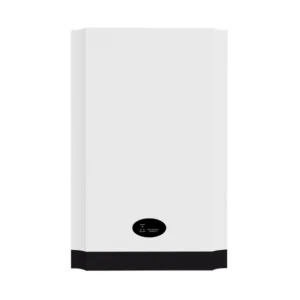
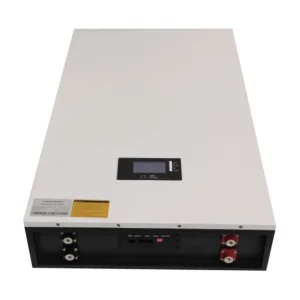
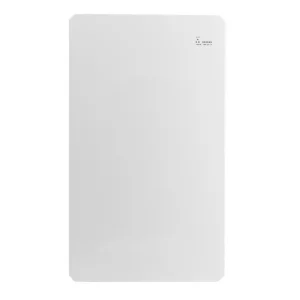
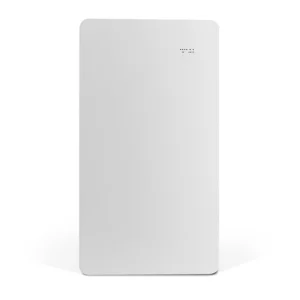
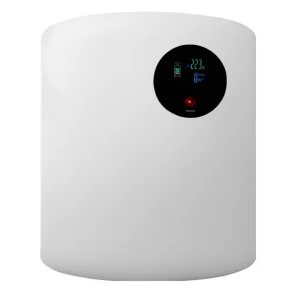
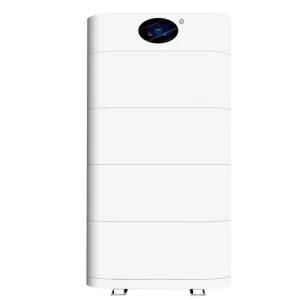
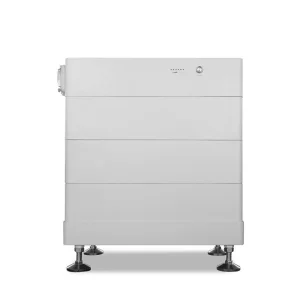
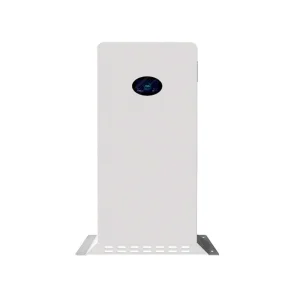
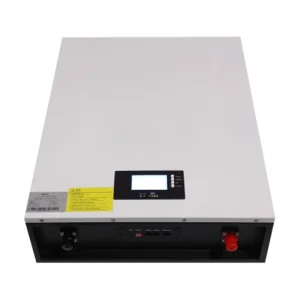
Our residential solutions, including the WHLV and SHELL lines, are engineered to deliver over 6,000 full charging cycles at 80% DoD. Under normal operating conditions (ambient temperature around 25°C), this translates to a functional lifespan of roughly 12 to 15 years, retaining at least 80% of original capacity.
8. Can these storage batteries be integrated with pre-existing solar PV setups?
Yes. Our storage batteries support both DC-coupled configurations (ideal for new installs with hybrid inverters) and AC-coupled configurations (ideal for retrofitting onto existing solar PV arrays). AC-coupled setups connect the storage battery to the AC side of the system via a battery inverter, allowing easy integration with any PV inverter brand already present on-site.

ELEMRO News & Technical Insights

Industry-leading perspectives, technical developments, and global exhibitions.
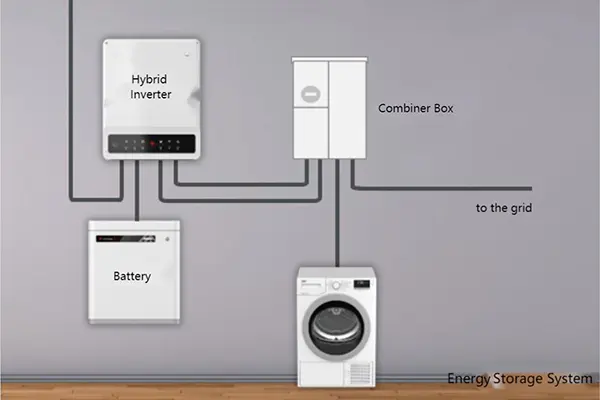
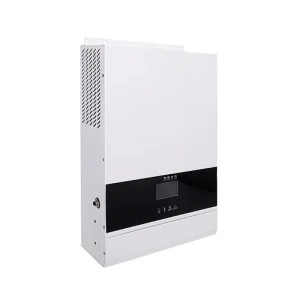
In-depth Interpretation of Home Energy Storage Inverter
Jul 07, 2023

In-depth Interpretation of Home Energy Storage Inverter (Part I)

Exploring conversion mechanics, efficiency curves, and hybrid operational topologies in residential back-up arrays.
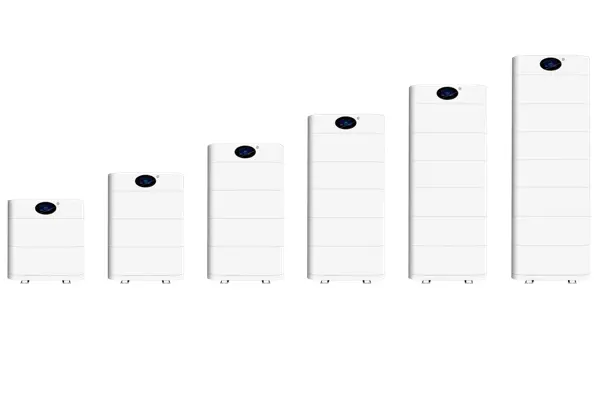
Advantages and Disadvantages of Lithium batteries
Jul 07, 2023

Advantages and Disadvantages of Lithium batteries

An objective comparison of LFP, NMC, and solid-state chemistries for grid-scale and commercial projects.
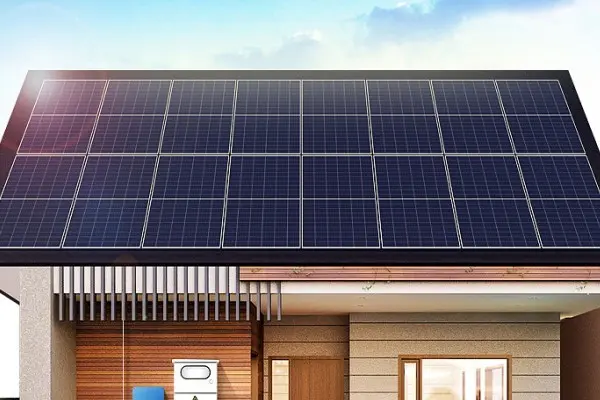
Residential and Commercial Application Scenario
Jul 07, 2023

Residential and Commercial Application Scenario of Energy Storage Lithium Ion...

An operational analysis of energy dispatch models, microgrid economics, and peak-shaving strategies.
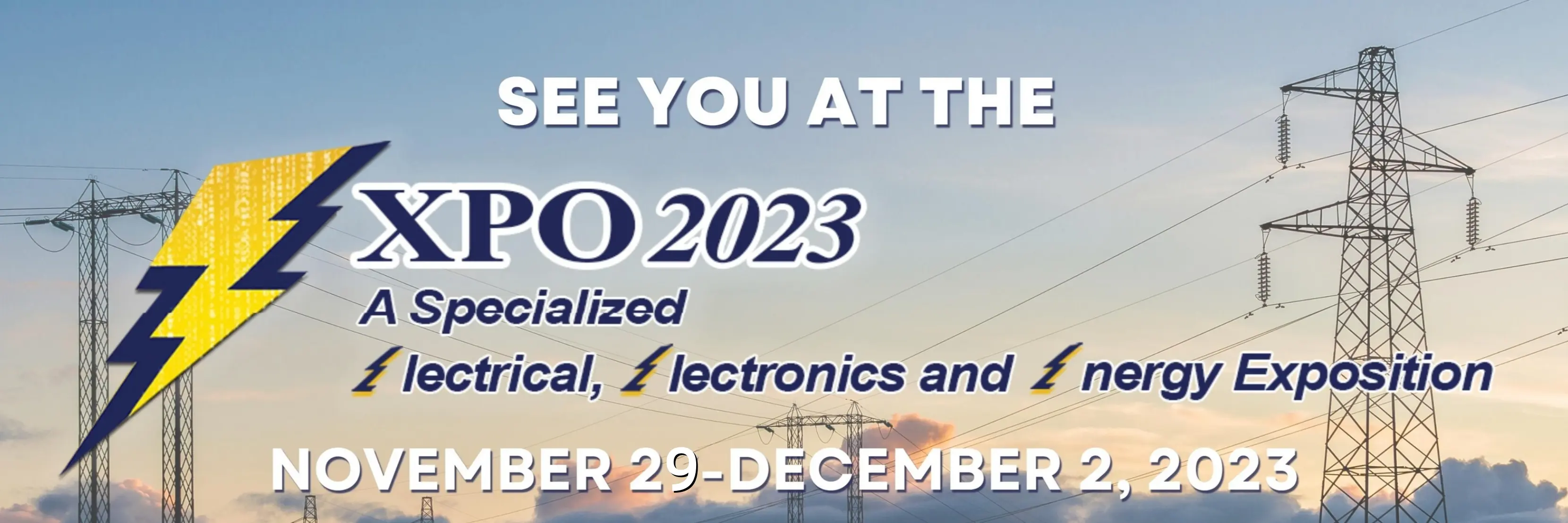
Invitation to 3E XPO 2023 in Manila
Nov 26, 2023

Invitation to 3E XPO 2023 in Manila, Philippines

Highlighting ELEMRO's localized energy storage solutions tailored for Southeast Asia's off-grid island zones.
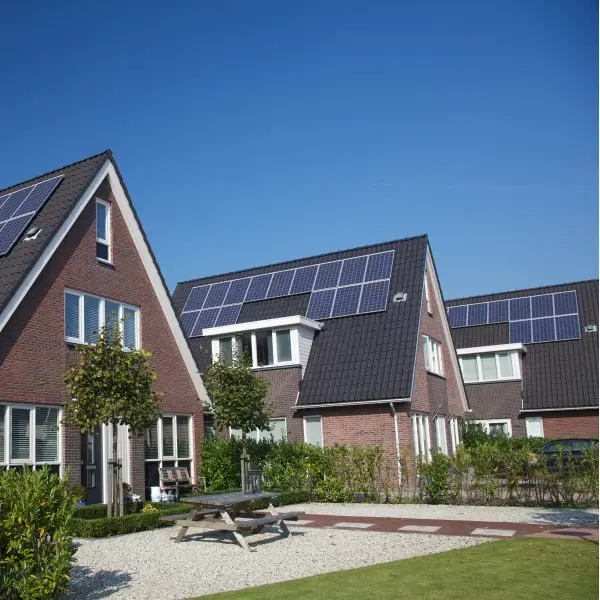
Application Scenario of Photovoltaic Modules
Nov 10, 2023

Application Scenario of Photovoltaic Modules

Evaluating monocrystalline and thin-film performance profiles in diverse geographic and climatic zones.
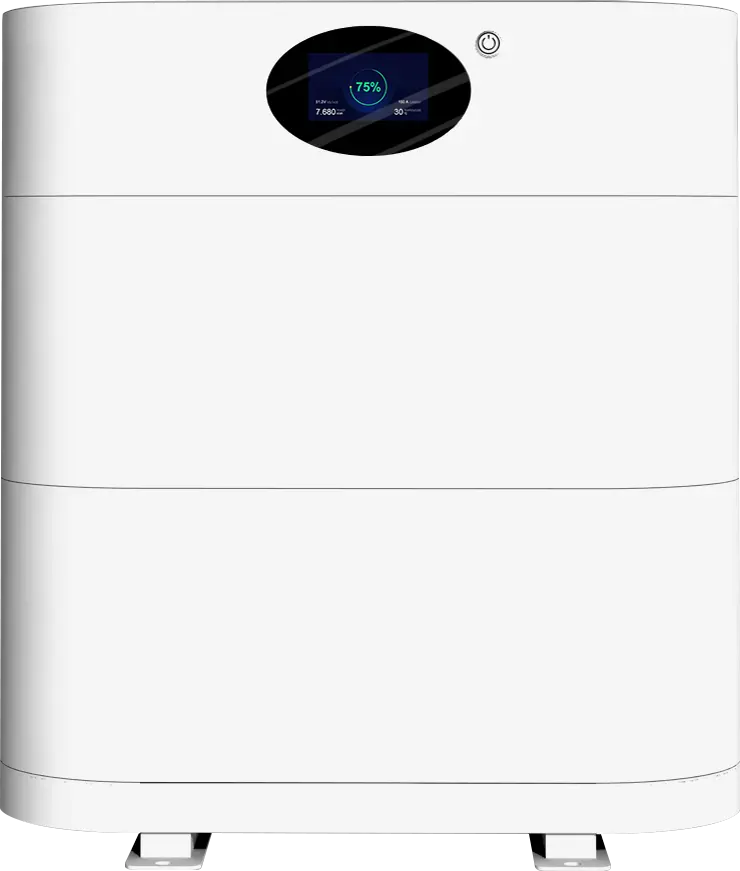
Technical Characteristics of Home Energy Storage Battery
Sep 15, 2023

Technical Characteristics of Home Energy Storage Battery

Understanding battery protection topology, thermal runaway mitigations, and smart cell balancers.

International Quality Standards & Certifications

Tested and verified by global accreditation laboratories.

Request Technical Specifications & B2B Pricing

Submit your project requirements or wholesale configuration specifications. Our application engineering team will reply with a detailed proposal within 24 hours.