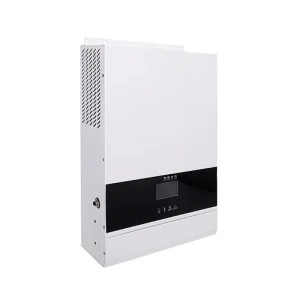
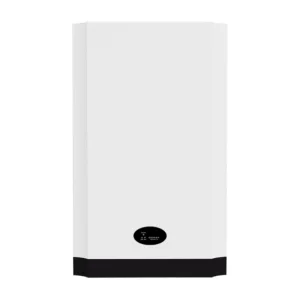
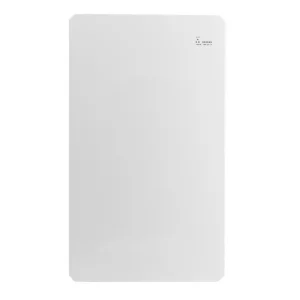
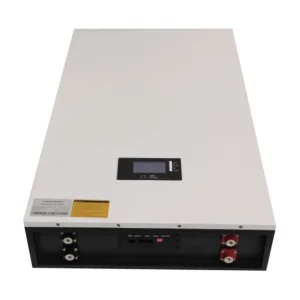
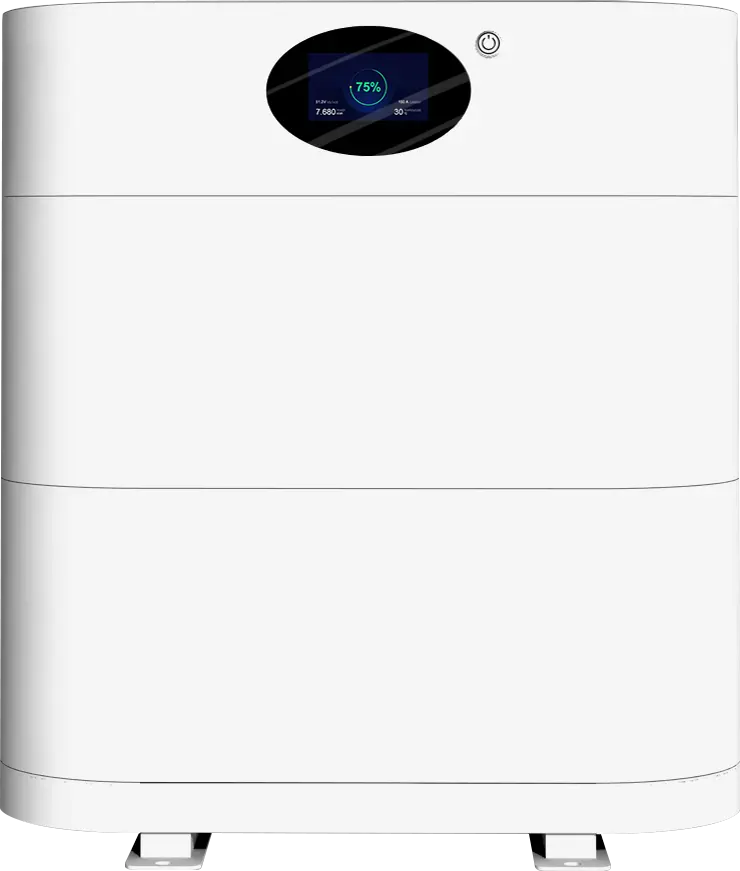
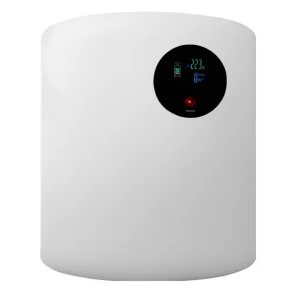
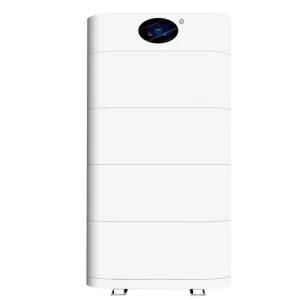
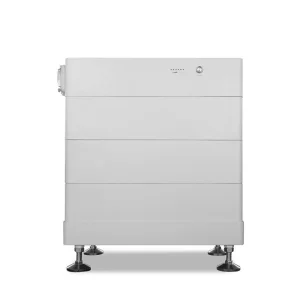
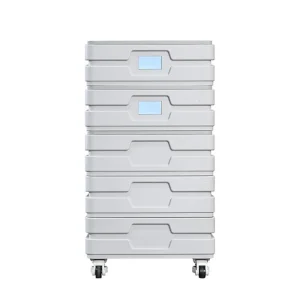
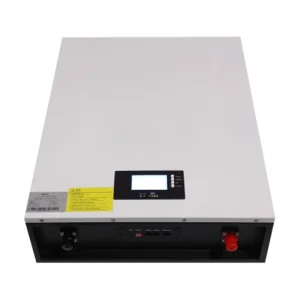
Browse our premium range of lithium battery modules, hybrid solar inverters, and fully integrated energy storage cabinets built for modern residential solar ecosystems.
The global landscape for residential energy storage systems (ESS) has transitioned from a niche market for technology enthusiasts to a mainstream infrastructural asset class. Driven by escalating grid instability, shifting regulatory frameworks (such as California's NEM 3.0, German Feed-in Tariffs, and the European Union's Net Zero Industry Act), and a collective push towards residential decarbonization, the demand for high-reliability solar batteries is growing exponentially.
In the current market, residential energy storage acts as a bridge between distributed photovoltaic generation and smart-grid interactive environments. Key global supply dynamics rely heavy on manufacturers that possess end-to-end integration capabilities: assembling high-safety-grade lithium iron phosphate (LiFePO4) cell chemistry, programming robust Battery Management Systems (BMS), and offering modular, scalable cabinets.
Industrial manufacturing processes have evolved from simple cell assembly to automated robotic production lines capable of precise thermal runaway monitoring and testing. The primary focus of modern tier-1 manufacturers lies in building systems that optimize the Levelized Cost of Storage (LCOS). By offering high-voltage stackable platforms, manufacturers minimize line conversion losses and enable quick installation times, dramatically driving down soft costs for installation partners worldwide.
Understanding where the residential energy storage market is heading is essential for distributors, EPC contractors, and B2B energy solution developers. The industry is currently undergoing three massive paradigm shifts:
While traditional low-voltage 48V battery banks remain a reliable standard for basic off-grid applications, premium installations are rapidly converting to high-voltage (HV) stacked solutions (ranging from 150V to over 400V). HV systems reduce current throughput, minimizing cabling losses, and enable smaller, highly efficient power conversion systems (PCS).
Modern homes are no longer isolated energy consumers. Through software integrations and real-time cloud communications, home batteries are aggregated into decentralized Virtual Power Plants. Manufacturers are now designing smart BMS with built-in API interfaces that dynamically respond to demand-side response calls from utility companies.
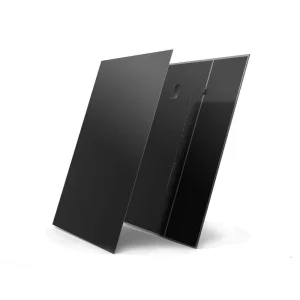
Building-Integrated Photovoltaics (BIPV) coupled with home battery units represent the peak of architectural aesthetics. Using advanced Cadmium Tellurium (CdTe) thin-film solar glass allows outer walls and windows to generate clean electricity, which is directly managed by intelligent modular battery stacks.
Established in 2019 and headquartered in Xiamen, China, Elemro Energy is a market-leading enterprise specializing in new energy storage and electrical product solutions. Combining research and development, smart manufacturing, and global sales networks, ELEMRO provides end-to-end services tailored for global residential and commercial application fields.
With a customer base spanning more than 250 distribution channels across Europe, Southeast Asia, Africa, the Middle East, and the Americas, our annual turnover reached over 50 million USD in 2023. ELEMRO's commitment to reliability is demonstrated through strict adherence to international safety compliance certificates, ensuring that every LFP stack and high-voltage inverter operates at peak safety levels.
Empowering homes globally with scalable high-voltage storage solutions.
Integrating CdTe Thin-Film solar tech with flexible modular batteries.

Clean glass integrations for modern self-powered building structures.
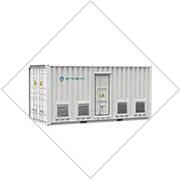
Macro grid and industrial container systems for mass storage requirements.
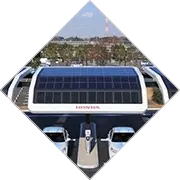
Modern parking structures integrated with intelligent battery systems.
When evaluating a residential solar battery manufacturer, a deeper technical analysis of the product's underlying infrastructure is critical. Key choices define reliability, cycle life, thermal management capabilities, and overall economic performance:
Unlike utility-scale applications that sometimes balance NMC (Nickel Manganese Cobalt) and LFP chemistries, the home storage sector has universally standardized on Lithium Iron Phosphate (LiFePO4). LFP's chemical structure offers an exceptionally stable olivine crystal configuration. This translates to an inherent resistance to thermal runaway up to 600°C (compared to NMC's thermal vulnerability around 200°C). Furthermore, LFP allows for up to 6,000 deep discharge cycles at 80% Depth of Discharge (DoD), drastically minimizing replacement costs.
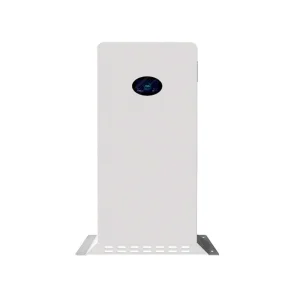
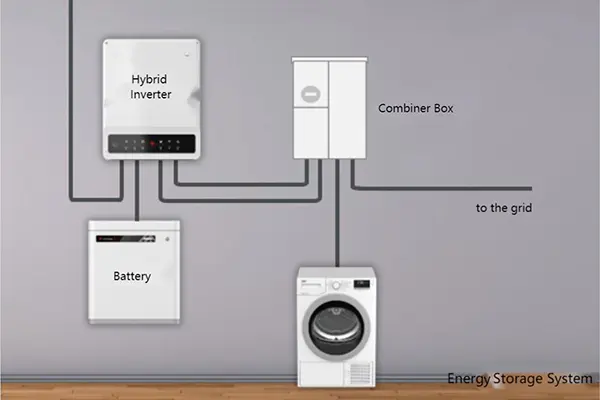
The choice between stackable design systems and wall-mounted battery units lies in localized application environments. A stackable high-voltage configuration (such as the Elemro stacked series) leverages series connections of individual LFP modules to raise system operating voltage. This configuration interfaces directly with the high-voltage DC bus of hybrid inverters, boosting energy round-trip efficiency (RTE) up to 95% by avoiding double conversion stages.
Conversely, low-voltage (48V nominal) systems are highly robust and easily expandable in parallel. These systems are widely used in off-grid settings and retrofitted properties because of their lower initial installation complexity and broad compatibility with classic off-grid hybrid inverters.
Different regions face distinct electrical grid conditions and tariff policies. Consequently, the optimal installation design must adapt to regional user intents:
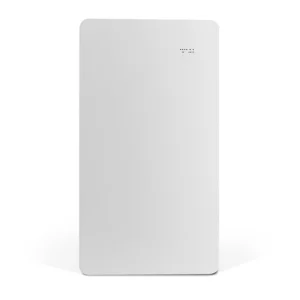
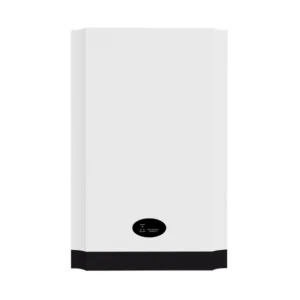
In Germany, Italy, and the UK, electricity costs are high, while solar feed-in tariffs are declining. The primary goal is Self-Consumption Maximization. High-capacity systems (like the Elemro SHELL 14.3kWh) store midday solar production and release it during high peak evening rates, reducing monthly utility bills by up to 85%.
Frequent weather hazards in the US and Canada have made backup power the primary driver. Homeowners require systems capable of seamless transition to off-grid mode (within milliseconds) to power critical loads such as air conditioning, water pumps, and essential appliances during grid failure.
In many parts of Africa and Southeast Asia, the electrical grid is either weak or non-existent. Robust 48V low-voltage wall-mounted modules integrated with solar panels serve as the foundational infrastructure, powering homes, farms, and local businesses safely and independently.
Achieving deep decarbonization requires looking beyond single battery systems and considering macro integrations. Modern manufacturers coordinate residential batteries with other green tech to build local nanogrids:
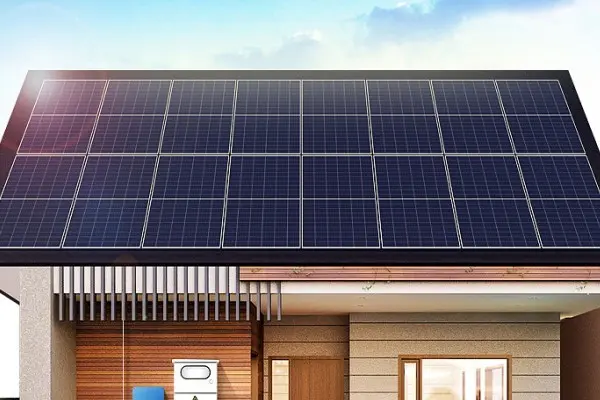
BIPV Integration: Pairing residential batteries with Cadmium Tellurium (CdTe) thin-film solar modules transforms building envelopes (roofs and facades) into power generators. This works exceptionally well in urban settings where roof space is restricted.
EV Charging Synergy: Integrating a smart battery storage system with Level 2 EV chargers prevents domestic breakers from overloading. The home battery acts as a buffer, providing fast charge power while drawing energy slowly from solar panels or off-peak grid power.
Smart EMS Control: Using AI-driven energy management algorithms, systems analyze weather forecasts, historic consumption data, and real-time utility tariff changes. This dynamically determines when to store power, when to power the home, and when to feed surplus back into the grid.
Keep pace with technological breakthroughs, global event announcements, and step-by-step guidance on choosing the right inverter architectures for your residential projects.
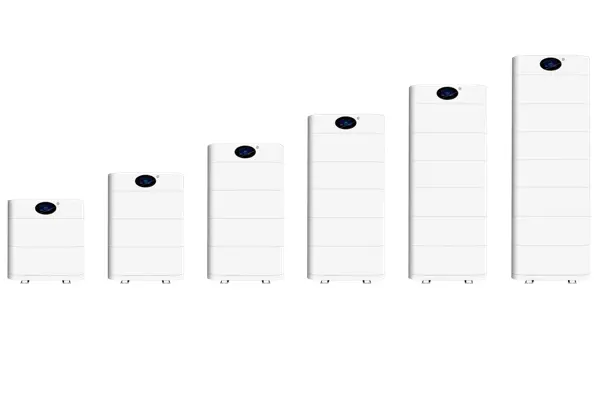
We manufacture according to international certifications (IEC 62619, CE, UN38.3, UL 9540A) to ensure that the home storage units satisfy strict local utility requirements.





Obtain detailed system sizing guides, regional wholesale price lists, or technical datasheets. Our engineers will reply within 24 hours.
Evaluate the specifications of our signature wall-mounted, stackable, and high-voltage lithium battery systems to meet your specific distribution demands.
 Elemro Energy