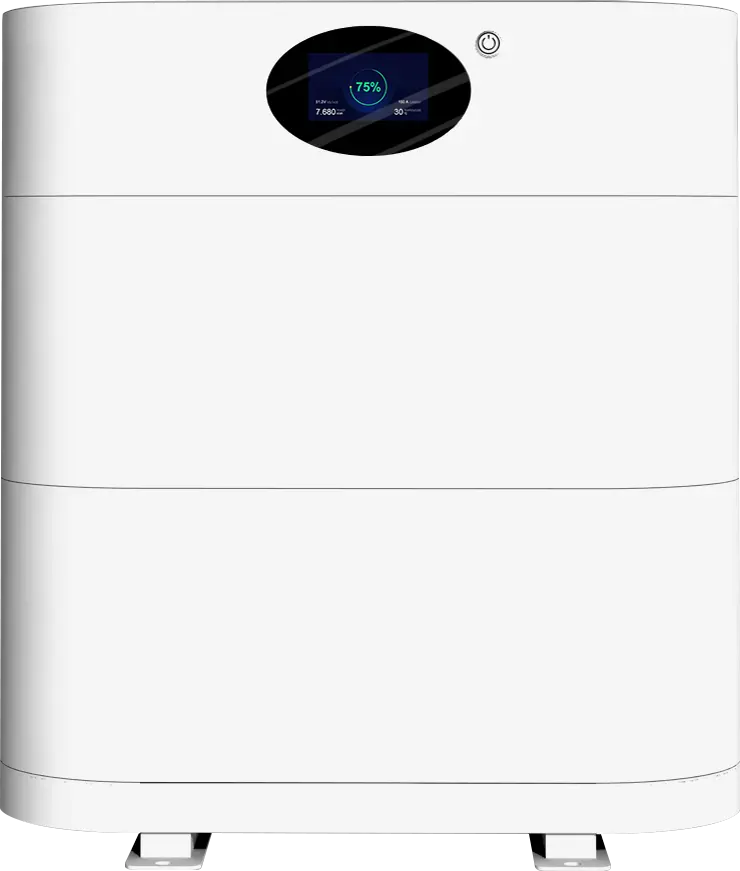
Established in 2019, headquartered in Xiamen, China, Elemro Energy has been specialized in new energy storage and electrical product solutions with rich experience. It is the market leader in the new energy industry that unifies R&D, production, and sales. The products have been sold to more than 250 customers in Europe, Southeast Asia, Africa, Mid-east, America, etc. Since its establishment, ELEMRO’s revenue has been growing rapidly every year. ELEMRO’s annual turnover is expected to exceed 50 millions USD in year 2023.
1. Evaluating the Best Residential ESS Manufacturers & Factories: A B2B Perspective
Selecting a residential Energy Storage System (ESS) manufacturer is not merely an equipment purchase; it is a long-term strategic partnership. In the residential market, safety, cycling lifespan, battery management sophistication, and integration capabilities are critical success factors. Top-tier manufacturers focus on lithium iron phosphate (LiFePO4) chemistry due to its inherently stable thermal profile, high cycle life, and non-toxic composition compared to traditional lithium cobalt or nickel chemistries.
When evaluating potential suppliers, enterprise buyers must analyze key technical and organizational metrics. The table below highlights the crucial benchmarks that separate leading Tier-1 factories from lower-end assemblers:
6,000+
Life Cycles @80% DoD
<0.5%
Annual Degradation Rate
IP65
Ingress Protection Grade
0%
Thermal Runaway Incidents
Cell Grade Quality & Battery Management Systems (BMS)
A superior residential battery system is only as reliable as its lowest performing cell. Top factories employ strictly Grade-A, automotive-standard (EV-grade) cells. The internal resistance, capacity, and voltage must be precisely matched during the assembly process to prevent premature cell failure.
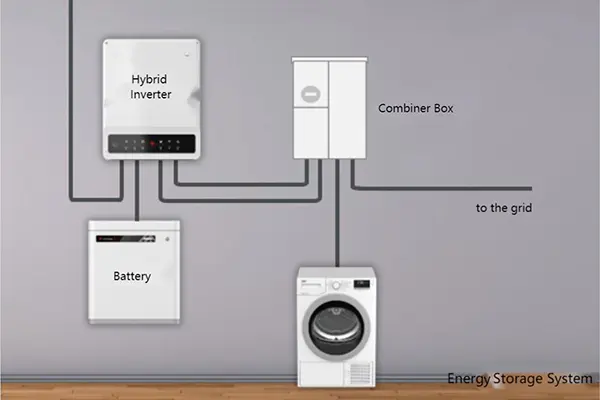
Furthermore, a robust proprietary BMS is essential. Modern BMS modules supervise state-of-charge (SoC), state-of-health (SoH), active cell balancing, and multi-tier overcurrent protection protocols. The integration of advanced communication protocols (CAN, RS485) ensures seamless interoperability with world-class hybrid inverters.
2. The China Supply Chain Advantage in ESS Production
China currently dominates more than 75% of the global lithium-ion battery manufacturing capacity. This industrial concentration yields immense strategic benefits for international B2B buyers looking to partner with Chinese residential ESS factories:
Vertical Integration: Major Chinese battery production clusters contain raw lithium refineries, cathode/anode producers, separator manufacturers, and BMS development firms within a 100-kilometer radius. This geographic density lowers logistical overhead and accelerates development timeframes.
Advanced Automation & Gigafactory Infrastructure: Automated module assembly lines reduce human-introduced defects to parts-per-million levels. Robotic laser welding, automated sorting machines, and simulated environmental chambers ensure consistently high build quality.
Cost Optimization at Scale: The sheer production throughput allows manufacturers to procure high-grade inputs at highly competitive prices, translating into a lower Levelized Cost of Storage (LCOS) for international distributors.
3. Compliance, Certification, and Localized Grid Code Requirements
Navigating international regulatory frameworks is one of the most significant challenges for ESS deployment. A manufacturer's ability to provide comprehensive, authentic certification reports is a key trust indicator. Essential regulatory standards for residential ESS include:
North America: UL 1973 (for battery packs), UL 9540 (for complete systems), and UL 9540A (large-scale fire testing). Compliance with NEC 2020/2023 regulations and rapid shutdown provisions is also mandatory.
Europe: CE mark, IEC 62619 (safety requirements for industrial applications), and grid-connection codes like VDE-AR-N 4105 (Germany), EN 50549, and CEI 0-21 (Italy).
Global Transport: UN 38.3 certification ensuring safety under transport vibration, shock, thermal testing, and external short-circuits.
In addition to system safety certifications, local grid-interconnection capabilities, remote firmware updating (FOTA), and localized customer support agencies are essential for mitigating on-site installation risks.
4. Procurement Checklists for Global Commercial Entities
B2B buyers, including EPC contractors, energy project developers, and OEM brands, must conduct thorough due diligence when selecting a supplier. The following matrix outlines the strategic criteria for enterprise evaluation:
Financial Bankability: Ensure the manufacturer has solid financial health and warranty backup structures (e.g., third-party product liability insurance).
Customization Capabilities (OEM/ODM): Verify if the factory can adjust firmware settings, redesign exterior layouts for branding, and modify BMS protocols to support local inverter variants.
Factory Audit Verification: Look for ISO 9001, ISO 14001, and ISO 45001 certificates. Validate their internal Quality Control (QC) procedures, especially cell sorting, aging tests, and full-load charge/discharge cycles before shipping.
5. Emerging Trends and Localized Application Scenarios
The residential energy storage industry is transitioning from a premium accessory to a mainstream home utility. Key trends shaping this evolution include:
Low Voltage (LV) vs. High Voltage (HV) Systems: Traditional residential batteries operated at 48V. However, new residential installations favor high-voltage systems (above 150V to 400V). High-voltage configurations reduce DC-to-DC conversion losses, lower cabling costs, and improve system efficiency.
Smart Home & V2G Integration: Advanced residential batteries are integrating with home EV chargers and smart home platforms, preparing for Vehicle-to-Home (V2H) bidirectional power transfer.
Virtual Power Plants (VPP): Local utility networks are increasingly aggregating residential storage assets to act as unified distribution grids, paying homeowners for discharging power during peak demand.
In regions with high dynamic utility tariffs (like Germany, California, and parts of Australia), homeowners utilize smart scheduling. The ESS charges during low-cost morning hours via solar energy or off-peak grid power, then discharges during high-rate evening peaks, substantially decreasing monthly bills.
In locations prone to extreme weather, wildfires, or unstable utility lines, residential systems act as reliable microgrids. Critical appliances like medical devices, water pumps, refrigerators, and security systems continue functioning seamlessly during prolonged grid blackouts.
6. Frequently Asked Questions (FAQ)
What is the lifespan of a modern residential LiFePO4 battery?
Leading residential LiFePO4 batteries typically offer a lifespan of 6,000 complete charge/discharge cycles at 80% Depth of Discharge (DoD) before their capacity degrades to 80% of its initial nominal rating. In practical terms, this translates to over 10 to 15 years of daily cycle operation.
Can I mix battery modules of different capacities or ages?
It is highly discouraged to mix older battery modules with brand-new ones, or mix different capacities. Doing so will lead to capacity bottlenecks, uneven current distribution, and accelerated aging of the older modules. However, some advanced stackable systems with decentralized module management units (MMUs) can balance uneven strings; always verify compatibility with the factory engineering team.
What is the main difference between low-voltage (48V) and high-voltage home batteries?
Low-voltage (48V) systems are highly robust, easy to configure, and are standard for small-to-medium home installations. High-voltage (HV) systems (typically 150V–400V+) offer higher round-trip efficiency, less heat generation, and are better suited for high-power demands, larger solar arrays, and high-efficiency hybrid inverters.
Do residential energy storage systems support Virtual Power Plants (VPP)?
Yes, provided they are paired with a smart Energy Management System (EMS) and hybrid inverters that support VPP protocols. The battery must support remote communication capabilities to allow external aggregation by utility operators or energy services companies.
What certifications are necessary to sell ESS in the European Union?
To sell and distribute ESS in Europe, you require a CE declaration of conformity, safety evaluations under IEC 62619, EMC directive compliance, and specific country grid-connection standards such as VDE-AR-N 4105 for Germany or CEI 0-21 for Italy.






 Elemro Energy