Engineered with industrial LFP cells, advanced BMS controllers, and modular designs to deliver reliable off-grid power globally.
An in-depth analysis of structural shifts in the global supply chain and high-reliability energy storage architectures.
The global energy landscape is undergoing a critical transition. Extreme weather events, aging grid infrastructure, and geopolitical volatility have accelerated the corporate demand for grid-tied back-ups and fully autonomous off-grid power storage systems. Major industrial operations, data centers, agricultural estates, and isolated municipal grids require high-capacity, high-durability storage systems that mitigate transmission costs and eliminate downtime risks.
For B2B procurement managers and systems integrators, selecting a Tier-1 off-grid power storage manufacturer is no longer just about calculating standard capital expenditure (CapEx). It is a multidimensional optimization challenge involving levelized cost of storage (LCOS), calendar and cycle life projections, round-trip efficiency (RTE), and global safety compliance certifications (such as UL9540A and IEC 62619).
Designed to deliver high performance, safety, and reliability under extreme operating conditions.
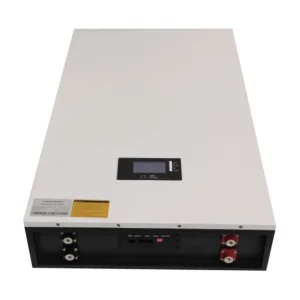
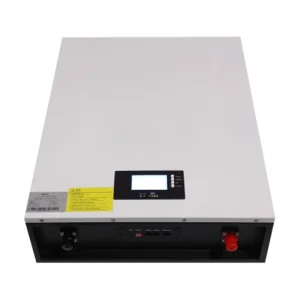
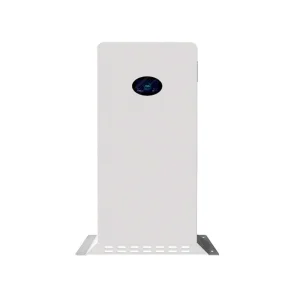
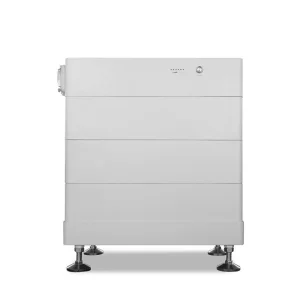
Our stackable setups support high-voltage configuration. High-voltage design lowers system line losses, simplifies cable sizing, and boosts the conversion efficiency of hybrid three-phase off-grid inverters.
Our Battery Management Systems (BMS) monitor cell-level temperatures, voltages, and internal resistances. With passive cooling and multi-point monitoring, they prevent thermal runaway before it begins.
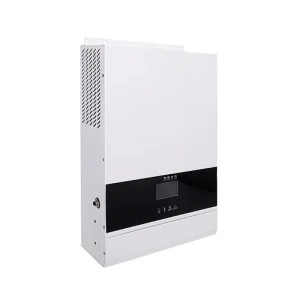
Compatible with standard solar inverters and hybrid off-grid systems, our power storage supports split-phase outputs and black-start functionality for critical operations.
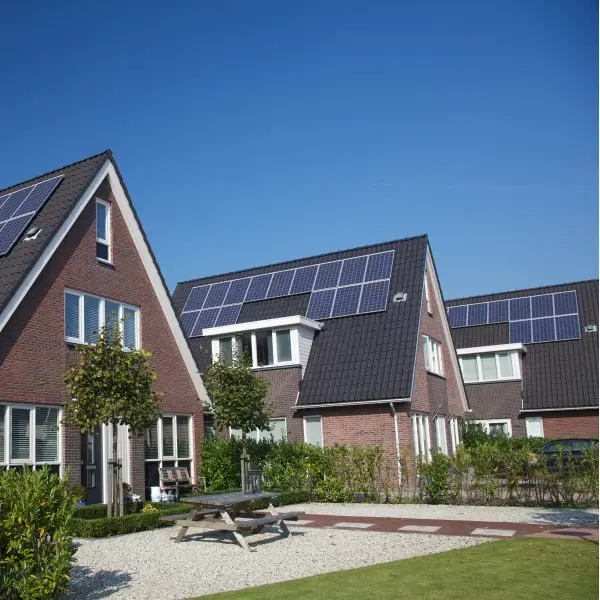
Providing optimized, scalable off-grid solutions from residential installations to utility-scale microgrids.
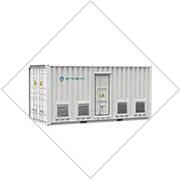
Industrial facilities in remote areas rely on autonomous power systems to keep operations running continuously. By utilizing containerized energy storage units along with high-voltage stackable battery units, we help facilities decrease their reliance on diesel generators, lowering operational fuel costs and carbon footprints.
These systems feature liquid cooling options, automatic fire suppression (Novec 1230 or Aerosol), and built-in HVAC units. Together, they keep battery temperatures within optimal windows to maximize lifespan and performance.

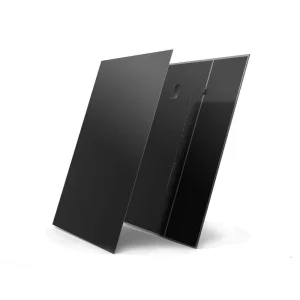
Modern architecture is moving from passive building design to active, power-generating envelopes. Incorporating Cadmium Telluride (CdTe) thin-film solar glass into commercial facades lets buildings generate electricity from ambient and low-light conditions.
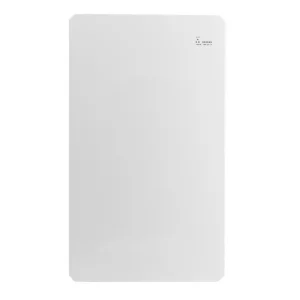
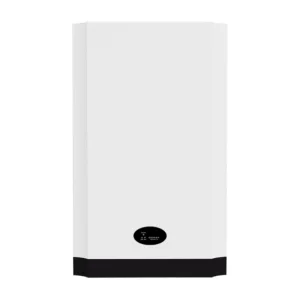
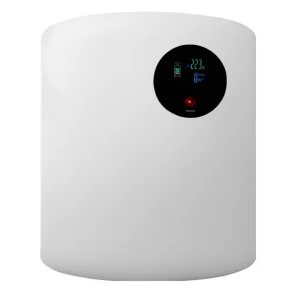
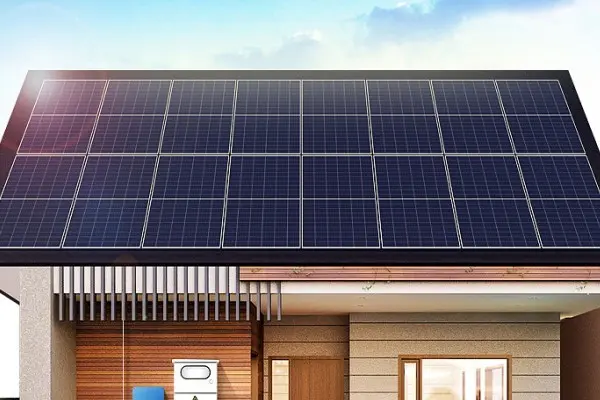
Storing this power in low-voltage (48V WHLV series) or high-voltage energy storage systems helps commercial properties achieve net-zero building certifications. It also provides reliable backup power for building automation, cooling, and security networks during grid outages.
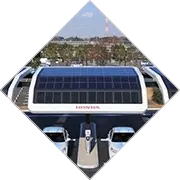
Integrating solar carports with local battery storage creates self-sustaining EV charging stations. This approach avoids drawing high peak power from local grids, preventing demand charge spikes.
Our energy storage options use local EMS to balance carport generation, station storage, and EV charger demand. By optimizing power flow, the system lowers overhead costs and maintains peak performance throughout the year.
Established in 2019 and headquartered in Xiamen, China, Elemro Energy specializes in developing new energy storage and electrical product solutions. We operate as an integrated manufacturer unifying R&D, manufacturing, quality control, and international sales. We serve over 250 industrial partners and distributors across Europe, Southeast Asia, Africa, the Middle East, and the Americas.
With an annual turnover exceeding $50 million USD, our focus remains on providing cleaner energy for a greener world. We achieve this through rigorous testing and development of premium LiFePO4 cells, grid-forming inverters, BIPV systems, and large-scale industrial containerized energy systems.
An engineering forecast of next-generation chemical configurations, control topologies, and grid integration technologies.
The energy storage industry is shifting toward safer, denser, and smarter systems. As a leading manufacturer of off-grid power storage, ELEMRO is developing technologies to keep our systems at the forefront of this evolution. Our engineering roadmap focuses on three main developments:
We are transitioning from traditional liquid-electrolyte LFP cells to semi-solid-state chemistries. This shift improves safety margins and increases volumetric energy densities. In parallel, our Sodium-ion program is targeting low-cost, temperature-resilient solutions that perform in cold climates down to -30°C without requiring auxiliary heating.
Future EMS hardware will feature on-chip artificial intelligence. These processors analyze weather forecasts, historic consumption profiles, and tariff structures in real time. They optimize battery charging and discharging cycles to reduce costs and maintain system stability during periods of low solar generation.
We are optimizing our inverter control algorithms to support grid-forming operation. This allows our systems to establish voltage and frequency reference points in isolated microgrids without needing external grid references or mechanical generators. It enables high penetration rates for renewable power on local distribution networks.
How we ensure all installations comply with local grid regulations and international safety guidelines.
Exporting energy storage solutions globally requires meeting strict regulatory standards. The international regulatory space is highly fragmented, with varying safety protocols required for different markets. At ELEMRO, we address these variations by ensuring our production lines conform to leading global quality management systems (ISO 9001, ISO 14001, and ISO 45001).
Our batteries undergo complete safety testing to comply with international regulations, including UN 38.3 for shipping safety, IEC 62619 for safe operation in industrial applications, and UL 1973 / UL 9540A for the North American market. This testing ensures that even in the rare event of single-cell failure, the system prevents thermal runaway from propagating to adjacent cells.
Additionally, we work with project developers to ensure our inverters and energy management interfaces comply with local utility grid requirements. This includes complying with VDE-AR-N 4105 in Germany, AS4777 in Australia, and IEEE 1547 in North America.
Our logistics and service teams provide localized support, including custom customs clearance, transit insurance, and commissioning assistance on-site or via secure remote diagnostics. This ensures streamlined project timelines for our distribution and integration partners.
Expert answers to common engineering questions regarding the selection, sizing, and operation of industrial off-grid systems.
Our premium LiFePO4 (Lithium Iron Phosphate) cells are rated for >6,000 cycles at 80% Depth of Discharge (DoD) under nominal conditions (25°C). In typical setups, this translates to over 15 years of daily cycling before the capacity degrades to 80% of its original rating.
Low-voltage 48V systems are safe to install, modular, and well-suited for residential applications. High-voltage stackable batteries (ranging from 200V to over 800V) are designed for larger commercial and industrial systems. They reduce current draw for the same power output, which allows for smaller wiring and improves inverter conversion efficiency.
UL 9540A is a testing standard that measures thermal runaway propagation within a battery energy storage system (BESS). Passing this test confirms that our structural barriers and safety venting can contain thermal runaway, preventing it from spreading and causing larger fires.
Yes, but they require separate Maximum Power Point Tracking (MPPT) charge controller inputs. Since CdTe thin-film modules and crystalline silicon modules have different electrical characteristics (such as operating voltages and currents), connecting them to the same MPPT channel will lower overall efficiency.
Charging lithium batteries below 0°C can cause lithium plating on the anodes, leading to permanent damage. Our systems feature integrated thermal management. If temperatures drop, the EMS routes energy to internal heating pads to warm the cells above 5°C before charging begins.
Our battery management systems are compatible with popular hybrid inverters. They support standard CAN bus, RS485, and Modbus TCP/IP communication protocols, allowing for straightforward integration and remote monitoring.
Stay updated with our technical articles, product announcements, and energy sector reports.
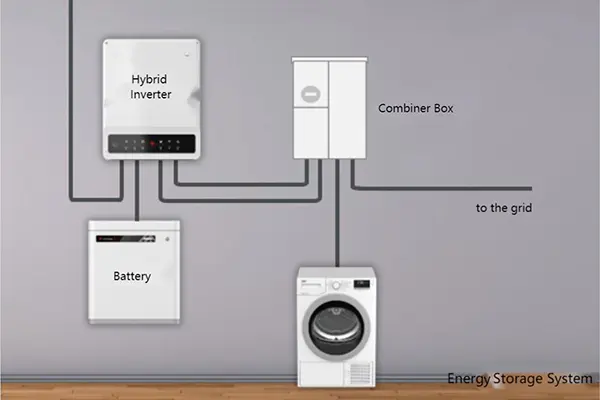
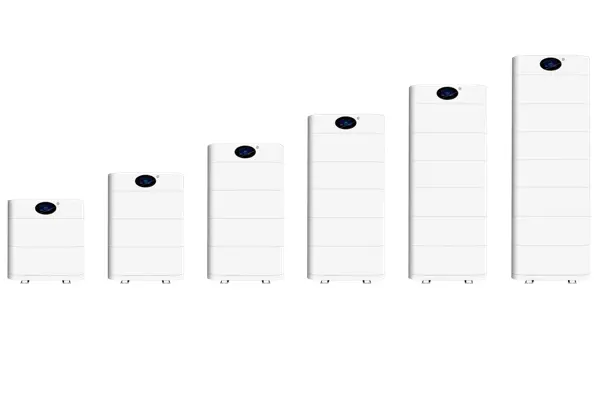
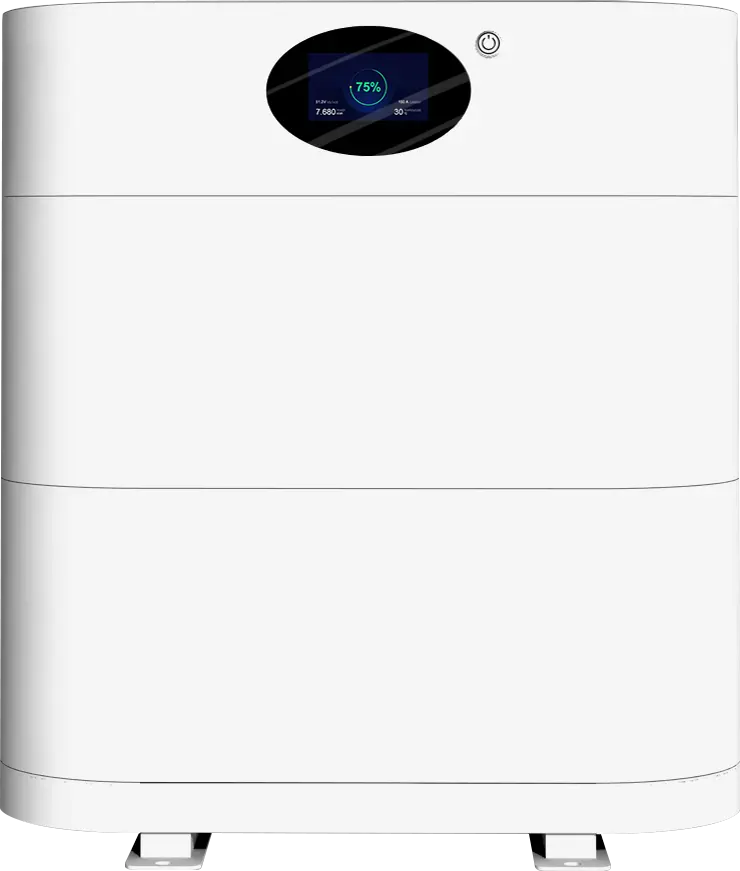





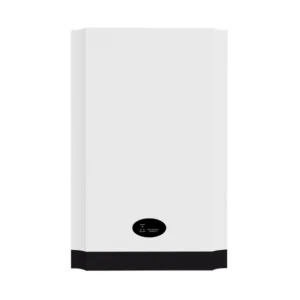
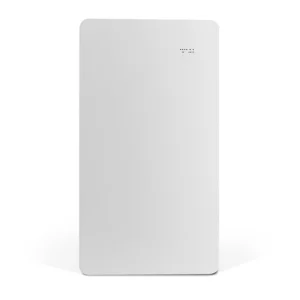
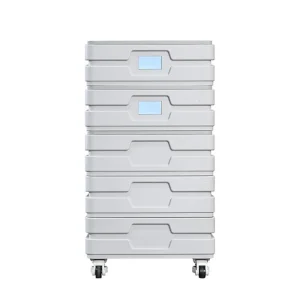
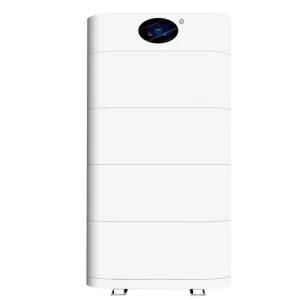
Explore our high-voltage battery arrays, stackable systems, and residential wall-mounted energy products.
 Elemro Energy