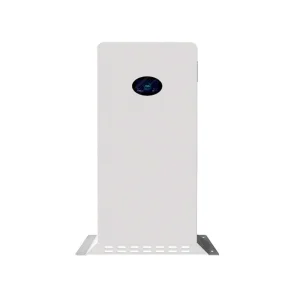
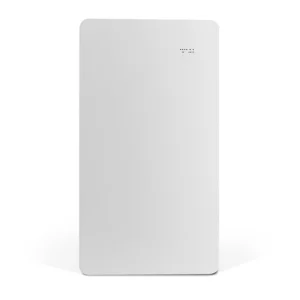
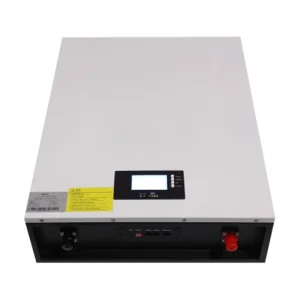
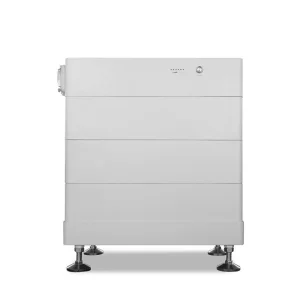
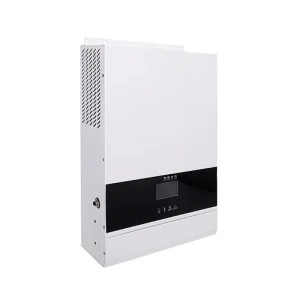
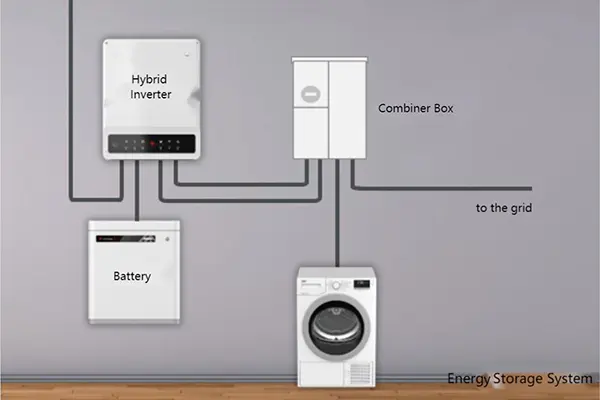
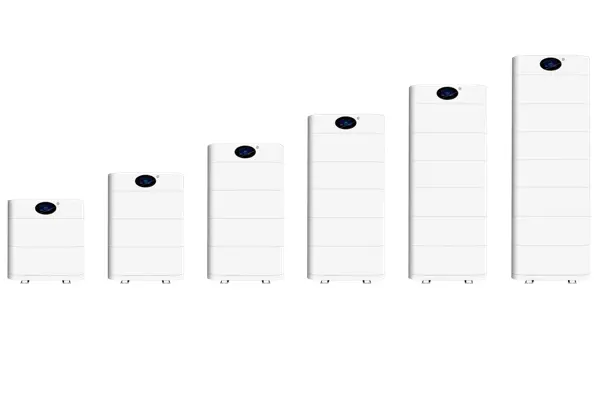
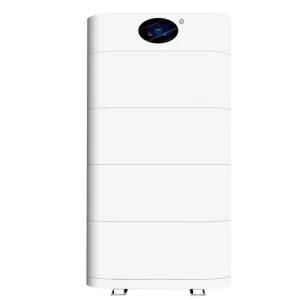
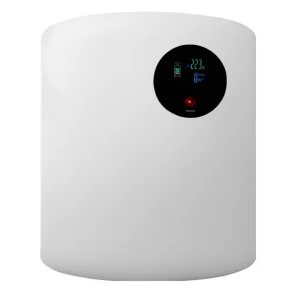
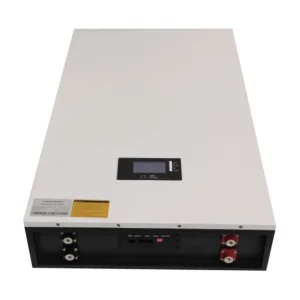
High-efficiency modular arrays designed for seamless performance expansion, residential grid resilience, and C&I optimization.
Established in 2019, headquartered in Xiamen, China, ELEMRO Energy has evolved into a global pioneer of innovative new energy storage systems and microgrid infrastructure. Operating at the intersection of electrical engineering expertise and lithium chemistry R&D, we manufacture customizable modular systems serving over 250 marquee customers across Europe, North America, Southeast Asia, the Middle East, and Africa.
Our strategic vision aligns rapid capacity scale-up with unwavering reliability. ELEMRO's annual turnover hit landmark figures, exceeding $50 million USD in 2023. By maintaining strict control over our localized component sourcing, automated production lines, and advanced battery management system (BMS) coding, we provide tier-1 reliability with localized cost efficiency.
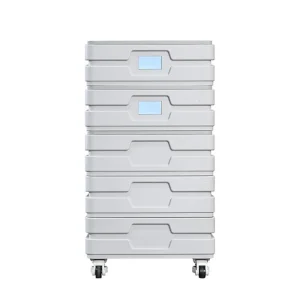
Traditional monolithic storage architectures impose restrictive scaling, high installation overheads, and single-point-of-failure vulnerabilities. ELEMRO’s modular topology decouples capacity extension from site redevelopment:
Optimized subsystems designed for smart cities, utility grids, and resilient infrastructure.

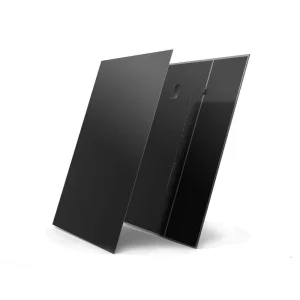
Integration of high-transparency photovoltaic glazing cells for Building Integrated Photovoltaics (BIPV). Optimizes real estate footprints by converting facades into clean generation nodes.
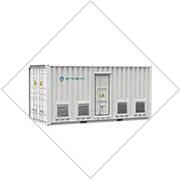
Turnkey commercial and utility-scale BESS solutions up to multi-megawatt capacities, incorporating active liquid cooling systems, smart fire suppressants, and integrated multi-way inverters.
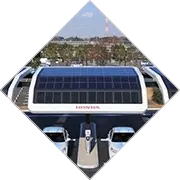
Pre-engineered steel support modular structures embedded with bifacial PV modules and buffer battery banks, facilitating direct grid-isolated DC fast-charging pathways.
As grid complexity intensifies through high penetration of intermittent renewables, energy storage changes from a simple backup luxury to the backbone of system frequency response. In this technical deep-dive, we analyze the engineering paradigms enabling modern stackable LiFePO4 batteries to outperform monolithic battery banks.
Modular solar batteries must adapt to localized environmental and regulatory challenges. In Western Europe (particularly Germany and the UK), high grid tariffs and Feed-in Tariffs (FiT) motivate homeowners to leverage modular systems for Time-of-Use (ToU) optimization. High-voltage stackable configurations enable scalable additions as household heating shifts toward heat pumps.
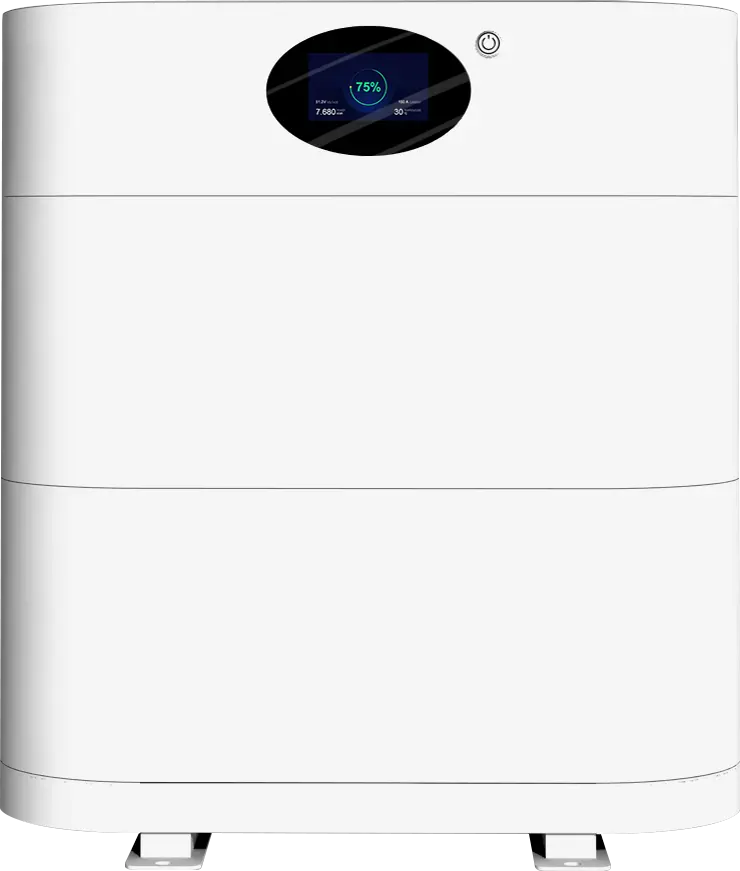
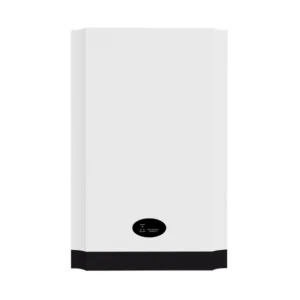
Conversely, in North America, severe weather events and aging utility grids drive demand for microgrid isolation (islanding). Systems like the Elemro SHELL 14.3kWh act as immediate backup generators during blackouts, communicating directly with residential smart panels to shed non-essential loads.
In developing industrial corridors across Southeast Asia and Sub-Saharan Africa, modular units supply primary remote power. By coupling stackable modular arrays with decentralized PV generation, rural clinics, telecommunication masts, and agricultural processing hubs circumvent the high capital expenditures of extending distribution lines.
The ELEMRO engineering roadmap targets three primary vectors of innovation: chemistry safety, BMS intelligence, and system integration.
While LiFePO4 (LFP) remains our primary material due to its safety profile and cycle life (up to 6000+ cycles at 80% Depth of Discharge), R&D is progressing toward semi-solid-state cells. This shift will boost energy densities by 35% while eliminating liquid electrolytes, reducing fire risk under puncture scenarios.
Concurrently, our Next-Gen Cloud-BMS (Battery Management System) leverages machine learning algorithms to forecast cell degradation. By uploading temperature profiles, cycle depths, and charging ramp rates to centralized cloud systems, we can deploy over-the-air (OTA) updates that recalibrate battery cells, extending longevity by up to 15%.
Modern microgrids are shifting from traditional 48V low-voltage topologies to high-voltage stacked systems (300V-800V). Higher operating voltages reduce current levels within the system, cutting transmission resistive losses (I²R losses) and enabling faster charge/discharge rates. ELEMRO's stackable design supports customizable configurations for both low-loss industrial operations and standard residential applications.
ELEMRO's main manufacturing cluster is situated in Xiamen, China, giving us direct access to the world's most robust lithium battery supply chain. China refines over 60% of the world's battery-grade lithium and produces over 70% of global cathode materials. This localized concentration shields our factory from raw material bottlenecks and price spikes.
Xiamen Port ranks among the world's top 15 container shipping ports, providing direct logistics routes to major global markets. This proximity avoids long overland shipping legs, minimizing transportation carbon footprints and reducing outbound shipping times by up to 10 days compared to inland factories.
The commercial sector is facing rising peak-demand charges and carbon emission audits. Modular storage allows businesses to build exact energy reserves that align with their operational peaks, avoiding the over-sizing fees of older utility-scale models.
Industrial installations rely on ELEMRO’s larger Energy Storage Containers to store cheap, off-peak electricity and discharge it during peak tariff windows (peak shaving). These modular container systems can scale to multi-megawatt systems, helping factories maintain reliable backups for sensitive machinery while keeping energy costs predictable.
Detailed answers to questions from energy consultants, EPC contractors, and global system integrators.
Stay informed on emerging technologies, global events, and energy design practices.
Understanding how hybrid and storage inverters coordinate phase dynamics, battery chemistry charging profiles, and rapid-switching safety margins.
A deep technical comparison of energy density profiles, cycles, and materials across LFP, LTO, NMC, and future sodium-ion variants.
An analysis of load leveling, backup limits, and utility demand policies that dictate energy capacity designs.
ELEMRO exhibits in Manila to address growing energy infrastructure needs in Southeast Asian off-grid communities.
Integrating PV arrays with energy storage across industrial complexes, residential developments, and remote areas.
An exploration of battery metrics, cycling profiles, active thermal control, and smart integration features.
Request details on modular solar batteries, high-voltage stackable options, or utility containers. Our technical sales team will respond within 24 hours.




Explore our complete range of high-voltage and low-voltage energy storage systems.
 Elemro Energy