Explore our industrial-grade, certified components designed for scalable grid independence and high thermal stability.
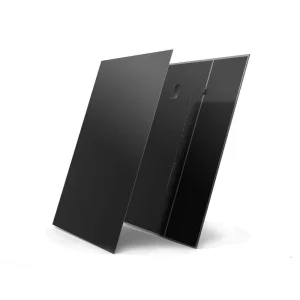
Deploying advanced, tempered photovoltaics built to sustain rigorous mechanical stress while achieving peak conversion metrics.
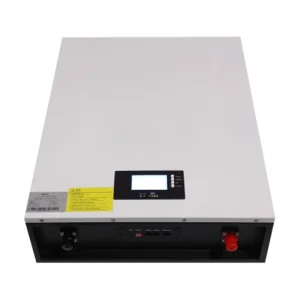
Scalable containerized solutions with automated active cooling, fire suppression systems, and centralized smart management units.
Double-utilization structural PV layouts optimizing unused space for charging infrastructure and grid offsets.
Established in 2019 and headquartered in the high-tech logistics hub of Xiamen, China, ELEMRO Energy specializes in advanced residential and commercial energy storage integration. By unifying cutting-edge R&D, automated production, and global supply networks, ELEMRO has served over 250 enterprise clients spanning Europe, Southeast Asia, Africa, the Middle East, and the Americas. The enterprise boasts rapid continuous financial expansion, with annual turnover exceeding USD $50 million.

A comprehensive analysis of decentralized power generation, cell chemistry innovations, supply chain resilience, and global commercial adoption.
In the contemporary global energy landscape, centralized power generation infrastructure faces unprecedented vulnerabilities ranging from extreme weather events to geopolitical resource conflicts. Consequently, the demand for localized energy resilience has driven massive architectural changes in the deployment of distributed energy resources (DERs). Among these, mini solar panels with integrated battery storage have emerged as critical components in off-grid power systems, residential smart homes, and lightweight industrial applications.
Unlike utility-scale installations, mini solar and storage systems require compact, high-efficiency system profiles capable of generating and storing power in variable light environments. These integrations mitigate grid dependence and allow commercial entities and residential consumers to optimize their Levelized Cost of Energy (LCOE) while safeguarding vital machinery and critical systems from rolling blackouts.
Selecting the optimal photovoltaic technology dictates the baseline energy output of mini solar systems. Modern deployments utilize two primary types of solar cell configurations:
| Performance Metrics | Cadmium Telluride (CdTe) Thin-Film | Monocrystalline Silicon (Mono-Si) |
|---|---|---|
| Temperature Coefficient | Low (-0.20%/°C) — retains higher output in hot climates | High (-0.38%/°C) — suffers efficiency drop under heat |
| Low-light Performance | Exceptional (Highly responsive to diffuse light) | Standard (Requires direct solar irradiance) |
| Physical Flexibility & BIPV Fit | Outstanding (Integrated directly into solar glass) | Rigid (Requires flat structural mounting frame) |
| Carbon Footprint (Payback) | Shortest environmental payback period (< 1 year) | Moderate (1.5 - 2 years payback period) |
Cadmium Telluride (CdTe) thin-film solar technology, exemplified by specialized products like the Elemro CdTe Thin Film Solar Cells, is increasingly specified for Building-Integrated Photovoltaics (BIPV). By maintaining a lower temperature coefficient, CdTe modules generate significantly higher energy yields in regions with high average ambient temperatures and overcast skies compared to traditional silicon counterparts.
Storage reliability depends on the chemistry of the selected battery pack. Modern commercial and residential mini systems have largely transitioned away from older Lead-Acid and Nickel-Manganese-Cobalt (NMC) chemistries to favor Lithium Iron Phosphate (LiFePO4). The structural stability of LiFePO4 cells offers several distinct benefits:
As the epicenter of the global solar and battery supply chain, China's industry has underwent a significant transition towards Factory 4.0 integration. The manufacturing hub of Xiamen leverages automated robotic lines, smart warehouse systems, and integrated Quality Control (QC) frameworks to maintain consistency across batch runs. Key structural factors contributing to this efficiency include:
B2B procurement teams must assess several variables when sourcing mini solar products with battery storage. Beyond raw per-unit cost, purchasers must verify international certifications (such as IEC 62619, CE-EMC, UN38.3, and UL1973) to ensure simple local grid approvals. Furthermore, modern enterprises prioritize suppliers offering modular configurations—enabling custom power expansions without swapping out the entire inverter infrastructure.
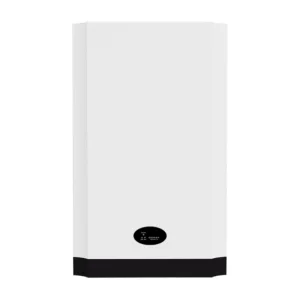
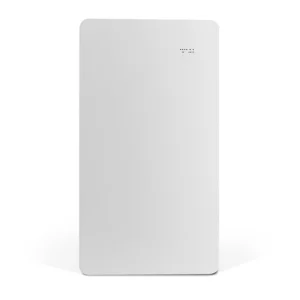
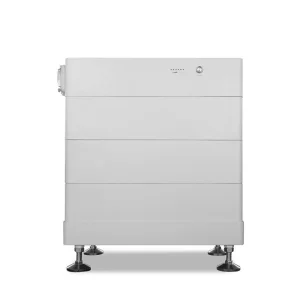
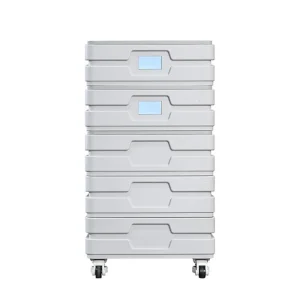
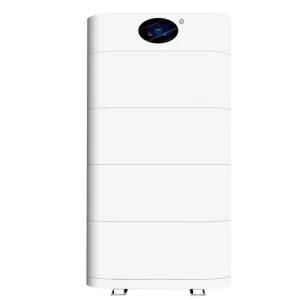
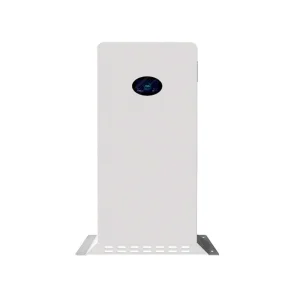
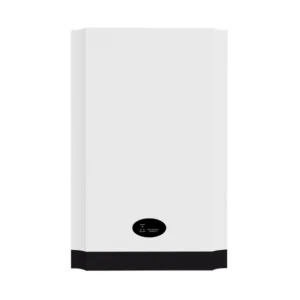
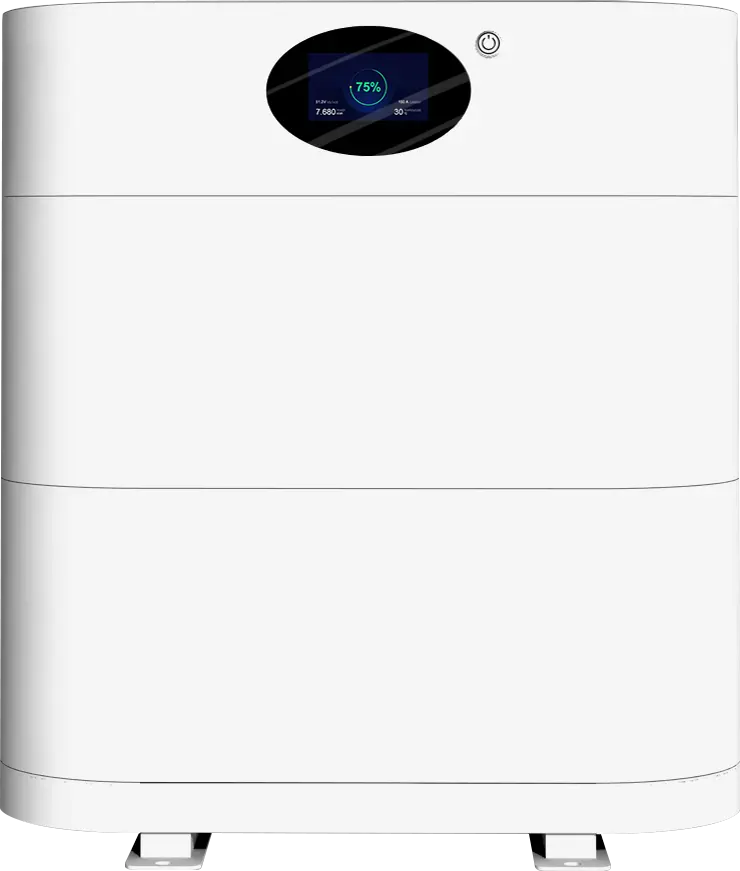
High-voltage stackable designs and wall-mounted setups optimized for dynamic home energy and backup microgrids.
From dense urban residential balcony installations to commercial microgrids in rugged off-grid facilities.
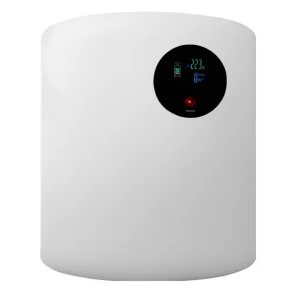
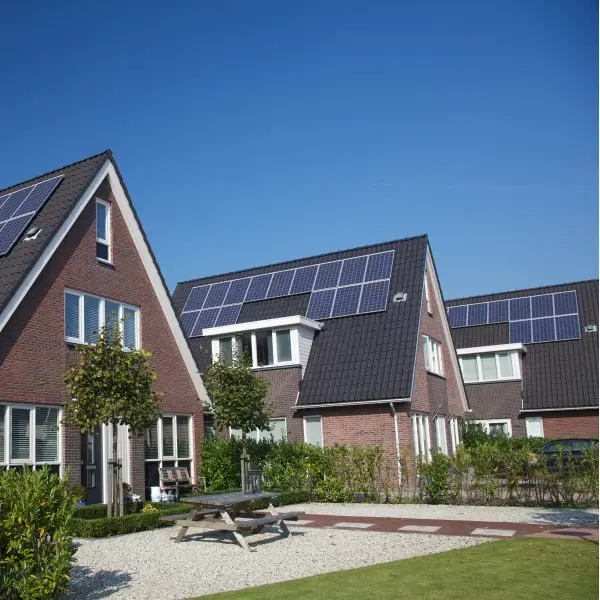
In highly regulated residential regions like Germany (Balkonkraftwerk movement), mini solar panels connected to high-density wall-mounted storage devices like the *Elemro WHLV 5kWh* provide a simple, plug-and-play solution. Users mount thin-film CdTe modules on balcony railings, feeding solar generation directly into small lithium batteries. By managing peak evening loads, households effectively slice up to 30% off standard electricity utility billing rates.
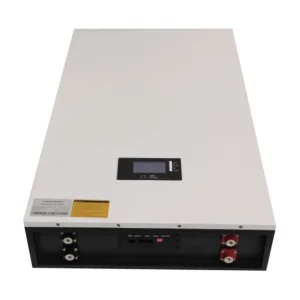
Remote telecommunication base stations require highly reliable power systems with minimal onsite human maintenance. Deploying stackable LiFePO4 batteries (WHLV 48V100Ah) with weatherized monocrystalline modules ensures uninterrupted data telemetry, even when seasonal monsoons block sunlight for several consecutive days. The automatic heater integration inside battery management systems enables continuous cycling in environments dropping below freezing temperatures.
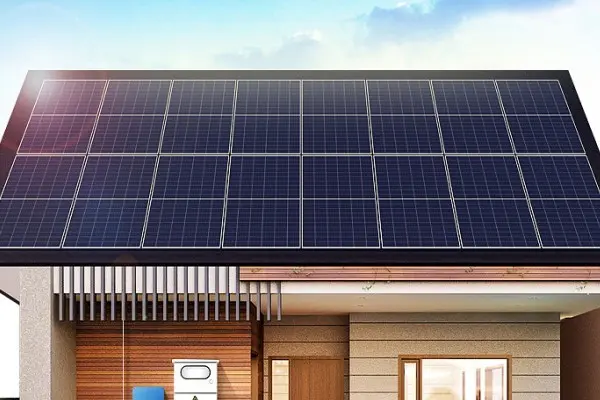
Integrating CdTe thin-film solar glass into structural walls and office facades (BIPV) transforms urban architecture into high-performing active power systems. When paired with high-voltage stackable battery units, these systems reduce peak demand charges, lower localized HVAC cooling requirements by blocking heat absorption, and provide emergency localized grid isolation capability.
Stay updated with the latest technological developments in the solar glass and battery storage markets.
Jul 07,2023
Jul 07,2023
Jul 07,2023
Nov 26,2023
Nov 10,2023
Sep 15,2023
Direct technical answers addressing the key queries of global engineering teams and procurement officers.
Yes. However, it depends entirely on the rated inverter capacity and the storage capacity of the LiFePO4 battery pack. For instance, a system with a 5kWh battery system combined with a 3kW continuous inverter can easily handle typical domestic loads (such as lighting, refrigeration, routing, and laptops) for several hours. High-power appliances like electric heaters and air conditioners require a higher-voltage stackable battery system configuration.
Cadmium Telluride (CdTe) thin-film solar glass features an exceptionally low temperature coefficient of -0.20%/°C, allowing it to sustain peak production efficiency in intense summer heat where traditional silicon panels suffer deep performance degradation. Furthermore, CdTe panels possess superior low-light absorption, making them optimal for vertical building facades that collect diffuse sunlight.
Global logistics regulations require battery packs to pass UN38.3 test procedures for safe transport. For installation and utility grid interconnection, cells and modules should carry CE, IEC 62619, and UL 1973 certifications to ensure they meet stringent electrical, thermal, and mechanical safety tests without failure.
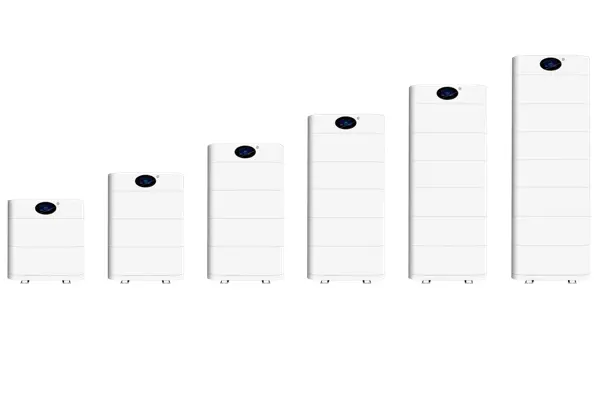
Stackable designs allow users to scale their power storage capacity incrementally (e.g., from 5kWh to 15kWh or 20kWh) without altering the main inverter cabling or adding bulky electrical enclosures. This modular approach simplifies installation, saves physical space, and lowers the initial capital commitment for property owners.
Under standard charging profiles (0.5C rate at 25°C), high-grade LiFePO4 batteries achieve over 6,000 cycles before the maximum remaining capacity falls below 80%. This equates to roughly 10 to 15 years of daily cycling, outlasting traditional lead-acid alternatives by a factor of five.
Our Xiamen production lines employ automated sorting machines that grade cells by internal resistance and voltage variance. Each manufactured pack undergoes 100% full-cycle thermal testing and simulated load evaluations under ambient pressure chambers before shipping to eliminate defect risks.
Get in touch with our engineering team in Xiamen, China. We supply custom OEM/ODM services and quote pricing tables within 24 hours.




 Elemro Energy