Engineered for High-Voltage Efficiency, Modular Stackability, and Superior Thermal Management
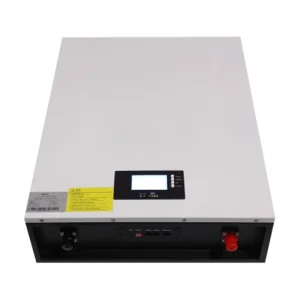
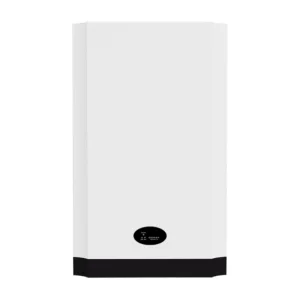
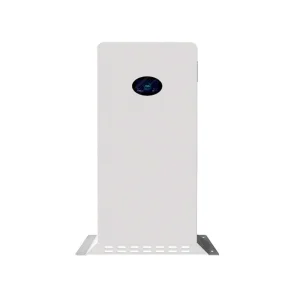
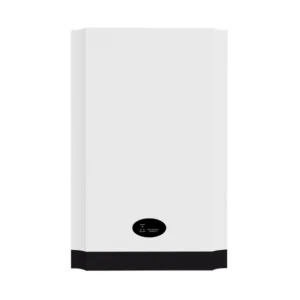
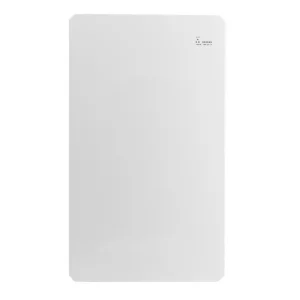
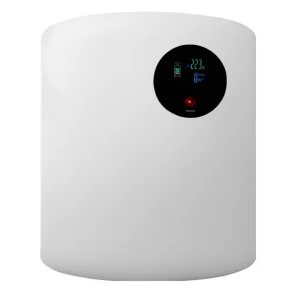
The transition toward decarbonized power systems has propelled residential energy storage systems (ESS) to the forefront of clean energy policy. Key market drivers include the European Union's REPowerEU action plan, the United States' Inflation Reduction Act (IRA), and high retail electricity tariffs across Japan and Australia. This political and economic landscape has shifted consumer behavior: energy storage is no longer a luxury fallback for grid blackouts but a central asset for dynamic utility cost optimization.
Manufacturers globally are scaling output to meet a projected CAGR of over 20% in the residential segment through 2030. To optimize supply chains, global brands are establishing partnerships directly with Tier-1 lithium cell manufacturers to guarantee access to high-consistency, high-density LiFePO4 cells. Meanwhile, regional factories are tailoring hardware to distinct localized standards—such as split-phase 120V/240V for North America and three-phase designs for Europe.
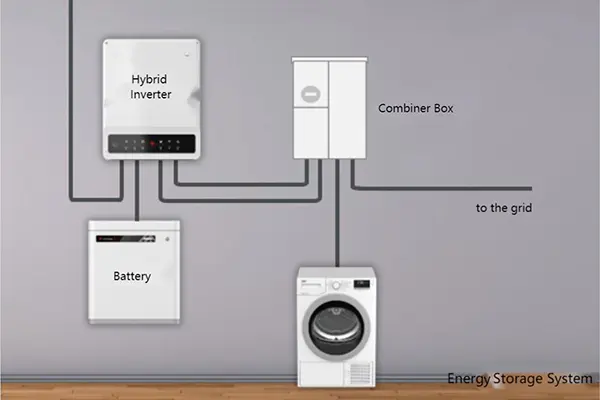
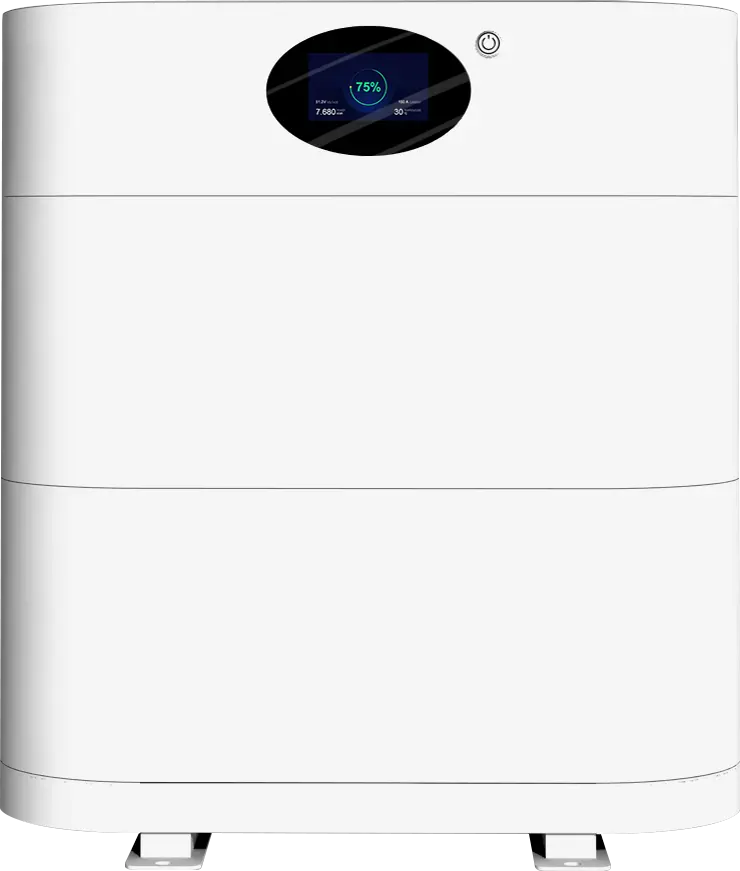
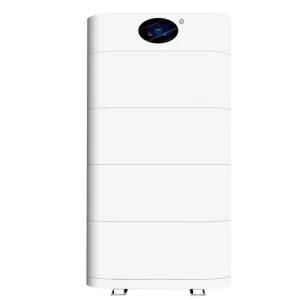
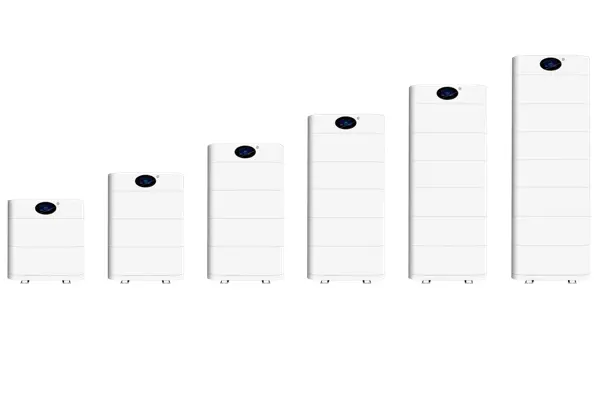
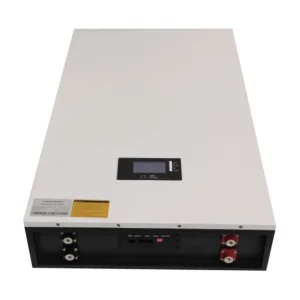
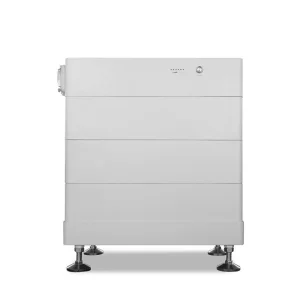
A major technical transition is the shift from low-voltage (48V) to high-voltage (HV) stacked battery storage configurations. Traditional low-voltage systems require thick copper cabling and incur higher line losses. Stackable high-voltage systems (ranging from 150V to over 400V) connect battery cells in series rather than parallel. This reduces operating currents, decreases thermal dissipation, and boosts overall system round-trip efficiency (RTE) to over 95%.
Additionally, stackable architectures simplify installation. By eliminating complex wiring between battery blocks, stackable modules utilize quick-plug connectors that carry both electrical power and communication lines. This modularity allows installers to scale system capacity from 5 kWh up to 30 kWh, meeting evolving residential consumption profiles.
Charge from solar or low-tariff utility periods, and discharge during premium rate bands to maximize ROI.
Seamless millisecond-level switchover to off-grid backup during power outages, ensuring constant operation.
Aggregate distributed energy assets to bid into grid frequency regulation and demand response schemes.
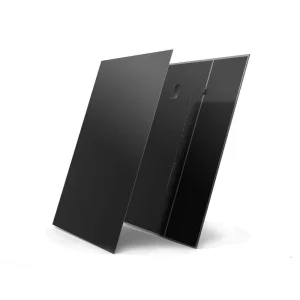
An emerging segment in clean energy infrastructure is the integration of solar modules directly into building materials. Traditional silicon panels require heavy racking systems on roofs. Elemro's CdTe (Cadmium Telluride) thin-film solar glass enables vertical facade installation, cladding, and architectural glass integration.
CdTe technology offers notable performance advantages: a low temperature coefficient ensures high yield in hot climates, and its broad spectral response captures diffuse light under cloudy conditions. Combining CdTe facades with home energy storage enables net-zero building designs, allowing high-rise and dense urban structures to generate and manage their own power.
Deploying home solar storage systems requires strict alignment with localized regional standards:
Established in 2019, headquartered in Xiamen, China, Elemro Energy has specialized in new energy storage and electrical product solutions. As an integrated manufacturer uniting R&D, production, and sales, ELEMRO has built robust market-share across Europe, Southeast Asia, Africa, the Middle East, and the Americas. The company's annual turnover is expected to exceed 50 million USD, serving over 250 global partners.

High-efficiency CdTe thin-film panels engineered for BIPV structures and aesthetic modern clean energy cladding.
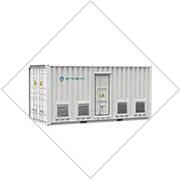
Megawatt-class liquid-cooled storage setups optimized for microgrids and commercial load management.
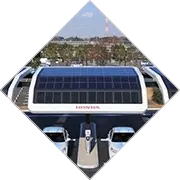
Dual-purpose structural frameworks offering shelter and high-capacity generation for home EV chargers.
Common Engineering Questions Regarding Residential Lithium Battery Systems
Expert articles and updates on battery chemistry, solar integration, and system design
Explore Elemro Energy's certifications, capacity profiles, and modular energy solutions





 Elemro Energy