Engineered for efficiency, durability, and seamless smart grid integration.
The global energy landscape is undergoing a monumental paradigm shift. Instability in utility grids, escalating retail electricity tariffs, and a worldwide commitment to decarbonization have transformed residential solar from a fringe home-improvement trend into an essential utility asset. In this modern context, simple photovoltaic (PV) generation is no longer sufficient. To achieve true energy autonomy, residential systems require the integration of advanced **Battery Energy Storage Systems (BESS)**.
Historically, solar panels functioned as simple feed-in devices, pumping electricity back into the grid under net-metering schemes. However, as utilities phase out favorable net-metering rates, the economics of solar have shifted toward maximizing self-consumption. Storing excess energy generated during peak daylight hours for use during high-tariff evening hours—or as emergency backup during grid outages—yields the highest return on investment (ROI). Consequently, the integration rate of home energy storage with new residential solar installations is projected to surpass 70% in key markets by 2026.
By shifting energy loads using a high-capacity residential battery storage solution, homeowners can lower their Levelized Cost of Energy (LCOE) while safeguarding their household from grid blackouts and phase instability.
To evaluate the "Best Home Solar Panels With Battery Storage," we must examine the specific electrochemistry, thermal management mechanisms, and systemic architectures of modern BESS units. The market has shifted heavily away from traditional lead-acid configurations toward advanced lithium chemistries, specifically **Lithium Iron Phosphate (LiFePO4)**.
LiFePO4 (LFP) has emerged as the gold standard for home battery storage due to its exceptional safety profile and long cycle life. Unlike Nickel Manganese Cobalt (NMC) batteries, LFP cells are highly resistant to thermal runaway, featuring a structural stability that withstands temperatures up to 600°C without releasing oxygen. Furthermore, LFP systems typically deliver 6,000+ charge-discharge cycles at 80% Depth of Discharge (DoD), ensuring over 15 years of daily operation.
Modern battery storage systems are categorized into Low-Voltage (typically 48V/51.2V) and High-Voltage (ranging from 100V to over 400V) systems:
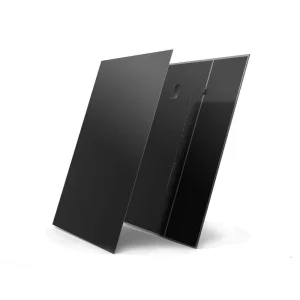
For modern architecture, Cadmium Telluride (CdTe) thin-film solar glass is revolutionizing Building-Integrated Photovoltaics (BIPV). CdTe cells perform exceptionally well in low-light and high-temperature environments. Their superior temperature coefficient ensures a stable energy yield even when the sun is obstructed or when ambient temperatures rise, making them an excellent structural and power-generating alternative to traditional crystalline silicon panels.
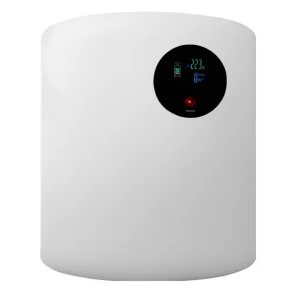
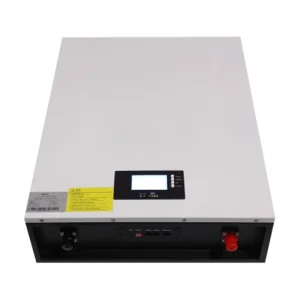
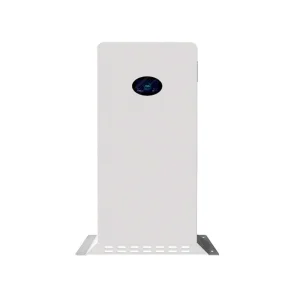
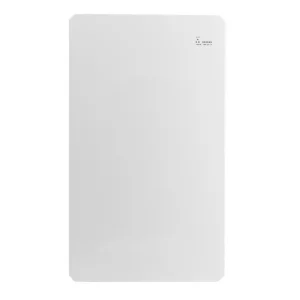
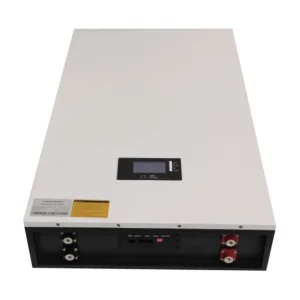
Ultra-safe battery design featuring thermal stability, no cobalt dependencies, and over 6,000 lifecycles at deep discharge.
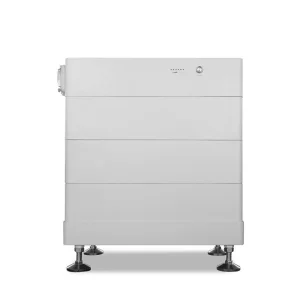
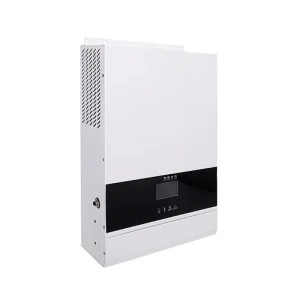
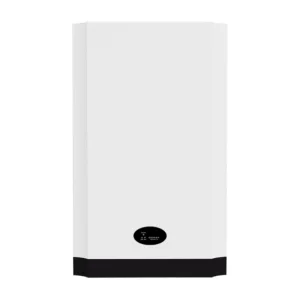
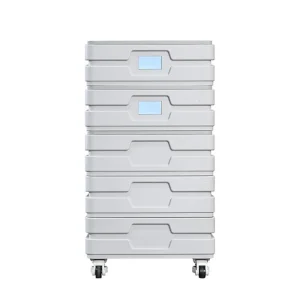
Modular high-voltage storage solutions that expand effortlessly alongside growing energy demands.
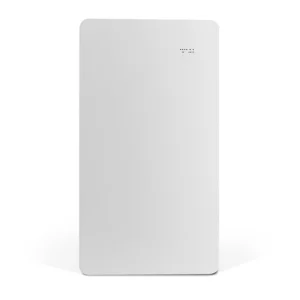
Thin-film cadmium telluride solar glass optimized for architectural integration and high shade tolerance.
China produces more than 75% of the world's lithium-ion batteries and over 80% of global solar photovoltaic components. This absolute industrial concentration creates unmatched structural advantages for international distributors, B2B procurement agents, and EPC contractors.
The complete localized ecosystem spans raw lithium extraction, high-precision cathode/anode formulation, advanced automated cell packing, and smart battery management system (BMS) design. By sourcing directly from modern industrial hubs like Xiamen, global buyers secure state-of-the-art R&D innovations alongside aggressive economies of scale.
Chinese gigafactories utilize fully automated robotic assembly lines and clean-room environments to minimize defects. Combined with strict conformity tests—including UN38.3, IEC62619, CE, and UL9540A certifications—these products ensure absolute reliability in diverse climates.
Furthermore, major manufacturing cities offer unparalleled logistical access. High-speed rail connections and deepwater ports (such as the Port of Xiamen) streamline container logistics, drastically reducing international lead times and shipping costs for large-scale battery systems.
From custom metal housing design to proprietary BMS communication protocols compatible with western hybrid inverters (e.g., Victron, SMA, Studer), Chinese manufacturers provide agile, rapid-turnaround customizations that local western competitors cannot match in cost or speed.
We provide cleaner energy for a greener world through specialized engineering categories.

Established in 2019, headquartered in Xiamen, China, Elemro Energy has been specialized in new energy storage and electrical product solutions with rich experience. It is the market leader in the new energy industry that unifies R&D, production, and sales.
The products have been sold to more than 250 customers in Europe, Southeast Asia, Africa, Mid-east, America, etc. Since its establishment, ELEMRO’s revenue has been growing rapidly every year. ELEMRO’s annual turnover is expected to exceed 50 millions USD in year 2023.
About Us & ServicesBy focusing on the integration of hardware reliability and smart software monitoring, Elemro Energy delivers clean energy systems designed for long-term field stability. The company's dedicated engineering teams continuousy refine product lines including stackable high-voltage systems, CdTe thin film panels, and high-efficiency hybrid inverters to keep pace with changing grid regulations.
B2B energy procurement is significantly more complex than residential consumer purchasing. EPC contractors, solar project developers, and large-scale industrial buyers focus on performance-driven metrics, bankability, supply-chain reliability, and regulatory compliance. When sourcing a home solar system with battery storage, key purchasing parameters include:
Compliance with international standards such as **IEC 62619** (safety requirements for secondary lithium cells), **CE**, **UN38.3** (safe transport criteria), and regional local utility approvals (like UL9540 in North America or VDE-AR-N 4105 in Germany) is mandatory to ensure legal grid-connection and insurance coverage.
Buyers evaluate the total cost of ownership per stored kilowatt-hour over the lifetime of the installation. This is calculated using round-trip efficiency, degradation rates, warranty depth, and initial hardware capital expenses.
Seamless CAN/RS485 communication protocols between the battery's integrated BMS and tier-1 smart hybrid inverters (e.g., Solis, Deye, Growatt, Victron) prevent firmware incompatibility and optimize charging algorithms.
Flexible physical footprints (wall-mounted, stackable, rack cabinet systems) allow distributors to carry a lean inventory profile while offering systems that can scale easily from 5kWh up to 100kWh+.
Depending on geographic, regulatory, and physical constraints, home energy storage solutions must adapt to specific local application requirements:
In highly mature markets like Germany, Italy, and the UK, residential electricity rates during early morning and late evening can be three times higher than midday solar generation rates. Dynamic tariffs (such as Octopus Energy in the UK) incentivize households to deploy smart home batteries. The battery charges when rates are low (or free during solar peaks) and discharges during peak demand periods, accelerating the system's economic payoff.
In regions susceptible to extreme weather—such as Texas, Florida, and California—resilience against grid collapse is the primary driver for residential storage systems. Households utilize DC-coupled lithium batteries that automatically switch to off-grid mode within milliseconds (UPS-grade transfer speed), maintaining power to critical loads like HVAC systems, medical equipment, and water pumps during outages.
In rural communities, island environments, and regions lacking stable transmission infrastructure, hybrid solar-plus-storage solutions operate as standalone microgrids. Scalable stackable batteries, combined with robust low-voltage inverters, supply continuous power without the fuel cost, maintenance, and noise of diesel generators.
Industry-leading publications, guides, and updates from ELEMRO Energy experts.
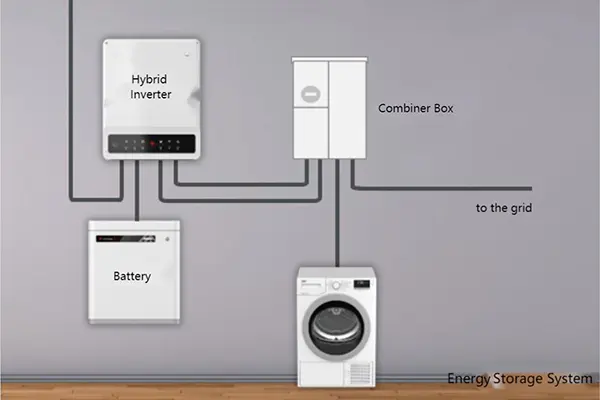


Technical and procurement insights regarding residential solar battery storage systems.
A high-quality LiFePO4 battery (such as the Elemro WHLV series) will deliver 6,000+ complete charge-discharge cycles at 80% Depth of Discharge (DoD) before its capacity degrades to 80% of its original rating. Under normal daily usage, this equates to 15 to 20 years of operational service.
High-voltage systems connected in series minimize heat losses and achieve higher energy conversion rates. They are ideal for larger homes with heavy loads. Low-voltage (48V) battery packs are highly modular, easier to maintain, and offer a cost-effective choice for small to medium installations with excellent safety handling.
CdTe thin-film panels offer superior performance in low-light and high-temperature environments. They feature a low temperature coefficient and strong shade tolerance, making them highly efficient when integrated directly into building structures, facades, and roofs (BIPV).
Extremely high ambient temperatures can cause crystalline solar panels to experience voltage drops. Advanced battery designs mitigate this issue using intelligent internal thermal management. LiFePO4 cells function reliably between -20°C and +55°C, ensuring continuous performance in harsh environments.
Select from our verified range of high-efficiency energy storage products.
For inquiries about our products or pricelist, please leave your email to us and we will be in touch within 24 hours.
Inquiry For Pricelist





 Elemro Energy