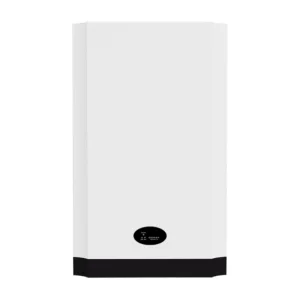
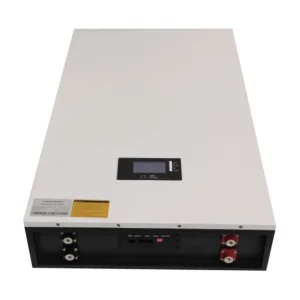
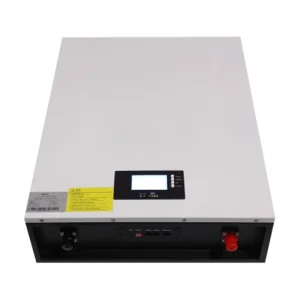
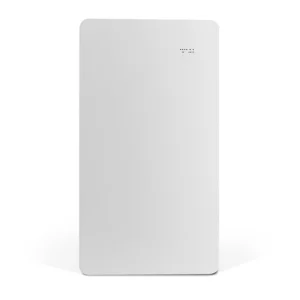
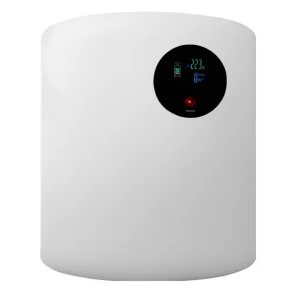
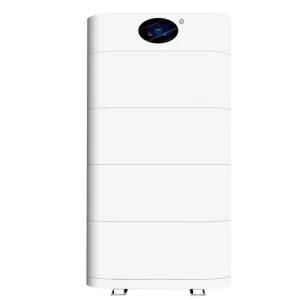
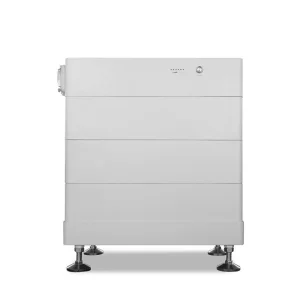
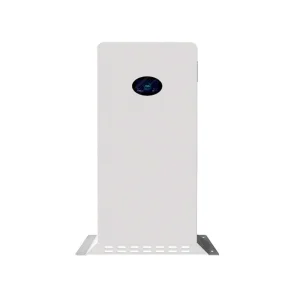
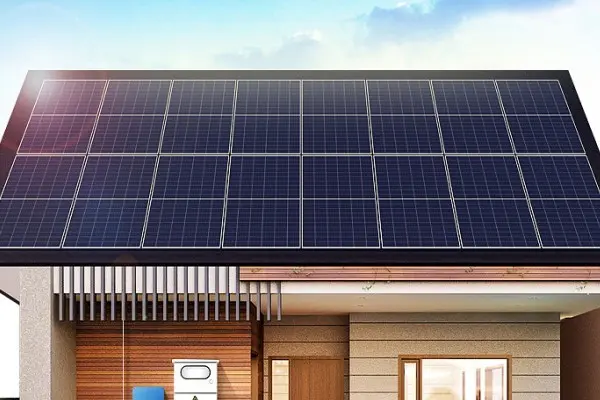
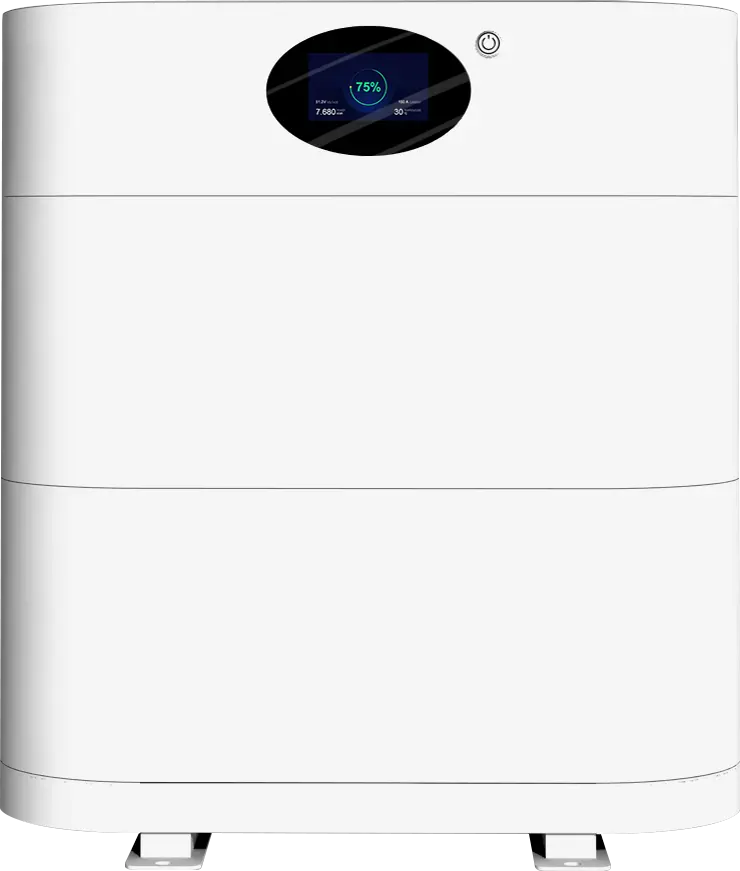
Explore our top-tier residential energy storage batteries engineered with safety-first LiFePO4 cells, smart active balance BMS, and stackable modular designs.
Established in 2019 and headquartered in the high-tech industrial hub of Xiamen, China, Elemro Energy has rapidly solidified its position as a market leader in the new energy industry. By consolidating advanced R&D, state-of-the-art production lines, and an integrated global sales network, Elemro delivers end-to-end solar storage and power electronics solutions. Our products are deployed across more than 250 diverse customers in Europe, Southeast Asia, Africa, the Middle East, and the Americas.
Focusing on high-safety LFP battery architecture and precision grid-tied and off-grid inverter topologies, Elemro's annual turnover has witnessed compound annual growth, expected to scale past 50 Million USD. We leverage industry-leading component sourcing and strict QC testing procedures to exceed the quality expectations of commercial buyers and engineering partners worldwide.
A comprehensive examination of next-generation battery architectures, active-balance control topologies, global procurement protocols, and the role of Industry 4.0 in energy independence.
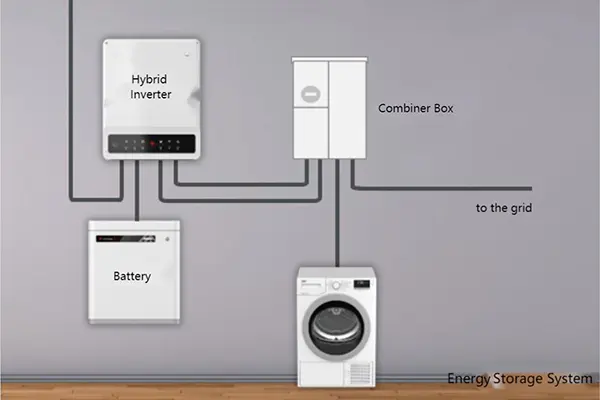
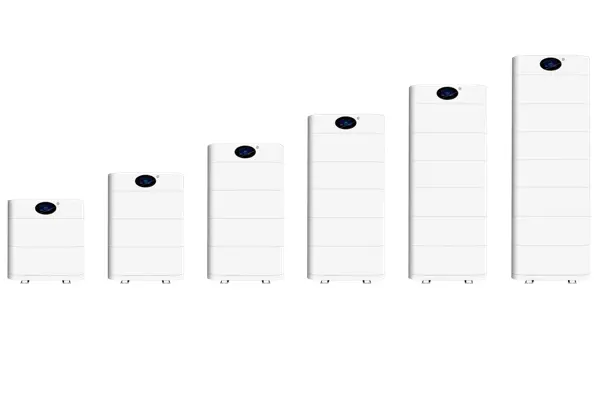
The global residential energy storage systems (ESS) market is undergoing a structural transition from low-voltage (48V) distributed setups to high-voltage (HV) stacked battery architectures. Historically, residential backup storage relied on parallel low-voltage configurations. However, low-voltage designs face limitations under surge loads, necessitating heavy copper wiring to handle high-current demands. Modern energy systems mitigate this via stackable high-voltage LiFePO4 configurations, connecting multiple modules in series to elevate system voltage up to 400V or 500V. This shift offers distinct advantages:
B2B stakeholders, EPCs, and international distributors face distinct evaluation challenges. Rather than evaluating unit costs in isolation, modern procurement departments apply strict Total Cost of Ownership (TCO) matrices. Under this approach, buyers calculate the Levelized Cost of Storage (LCOS), factoring in variables like Depth of Discharge (DoD), warranty cycle counts, and capacity degradation curves.
Beyond capacity, system safety and regulatory compliance remain top priorities. Procuring products certified to standards such as UL 9540A (unit-level thermal runaway testing), UL 1973 (safety for stationary batteries), IEC 62619 (industrial application safety), and UN38.3 (transport security) is essential to meet the compliance frameworks of North American and European grid interconnection policies.
A key factor in ELEMRO Energy’s competitive advantage is our integration within Xiamen’s advanced manufacturing ecosystem. The shift to Industry 4.0 protocols enables automated control at every stage of cell production and battery pack assembly:
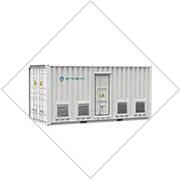
Beyond standard residential backup, commercial and industrial (C&I) sectors utilize high-capacity energy storage containers to perform peak shaving and load shifting. Peak shaving charges the battery during low-cost, off-peak utility periods and discharges it during peak hours, significantly reducing maximum demand charges.
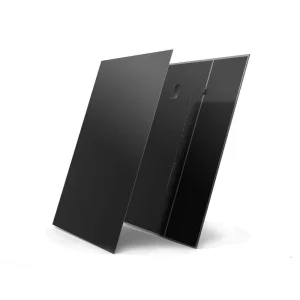
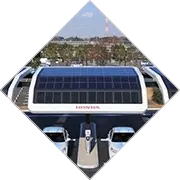
Simultaneously, Building-Integrated Photovoltaics (BIPV) is transforming architectural design. Integrating CdTe (Cadmium Telluride) thin-film solar cells directly into building facades, windows, and roof tiles turns passive structural envelopes into active energy generation assets. Unlike silicon panels, CdTe thin-film systems exhibit exceptional performance under weak light conditions and low temperature coefficients, enabling consistent power generation even on overcast days.
Beyond individual battery cells, ELEMRO offers comprehensive hardware integration options to power diverse infrastructure projects globally.

Expert answers addressing the core design, engineering, safety, and logistical concerns of commercial solar project developers.
Low-voltage (LV) systems operate in parallel, which is ideal for smaller, modular capacities but requires thicker cabling to handle high-current loads. High-voltage (HV) stacked systems connect cells in series, raising the system voltage up to 400V+. This reduces current flow, minimizes cable-related transmission losses, increases round-trip conversion efficiency, and simplifies compatibility with large three-phase commercial hybrid inverters.
LiFePO4 (LFP) provides superior thermal and chemical stability compared to Nickel-Manganese-Cobalt (NMC) formulations. LFP's crystalline phosphate structure resists decomposition at high operating temperatures, significantly reducing the risk of oxygen release and thermal runaway. Additionally, LFP delivers up to 6,000 charge cycles at 80% to 90% DoD, compared to the 1,500 to 2,000 cycles typical of NMC chemistry.
Our advanced battery management systems (BMS) utilize proprietary active balancing algorithms. Instead of wasting energy as heat through passive resistors, our systems dynamically transfer energy from high-state-of-charge cells to lower ones during both charge and discharge cycles. This maximizes usable capacity and prevents individual cells from reaching premature cut-off thresholds.
Key certifications include UL 1973 for battery packs and modules, UL 9540 for grid-tied energy storage systems, and UL 9540A to evaluate thermal runaway propagation. In Europe, systems must meet IEC 62619 for safety in industrial applications and carry the CE mark. All global shipments require a UN 38.3 test report to verify safe transport.
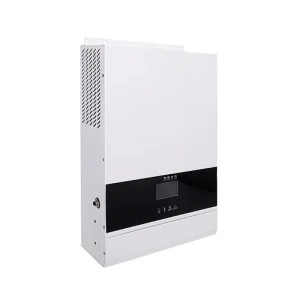
Explore our complete range of off-grid inverters, wall-mounted batteries, and high-voltage stacked modular storage solutions.
Stay updated on the latest research in inverter dynamics, battery lifecycle optimization, and upcoming international trade expos.





Partner with ELEMRO Energy for your next distributed utility project, residential rollout, or commercial microgrid installation. Get in touch with our engineering team for technical support.
Inquiry For Pricelist Elemro Energy