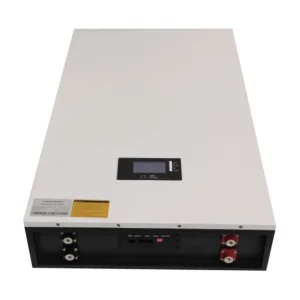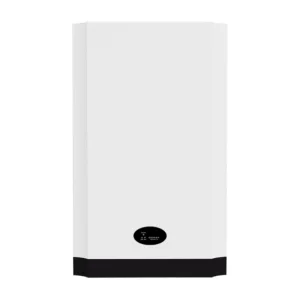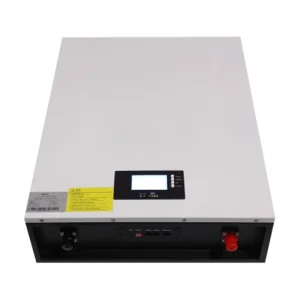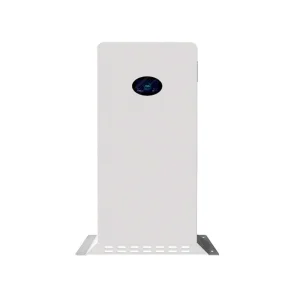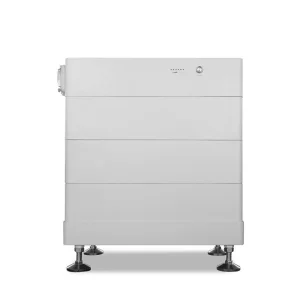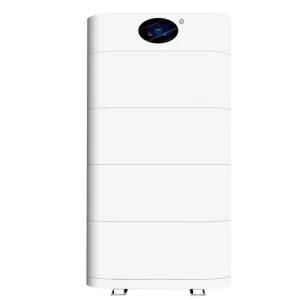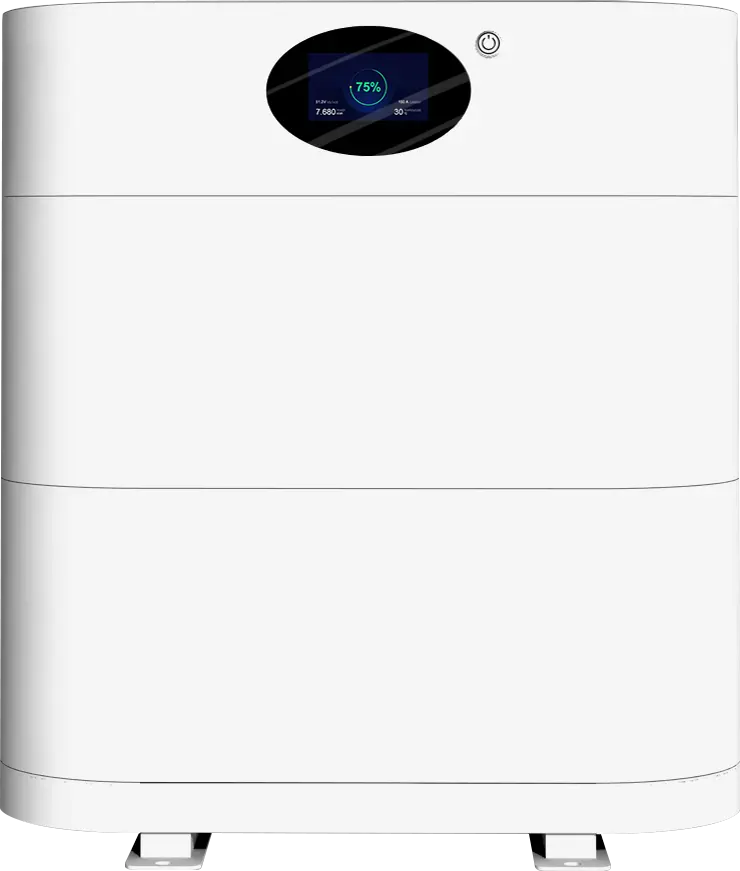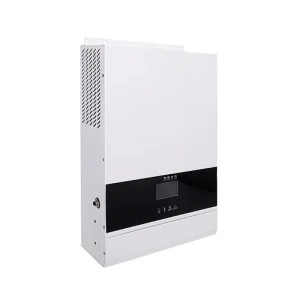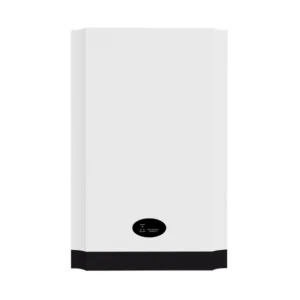
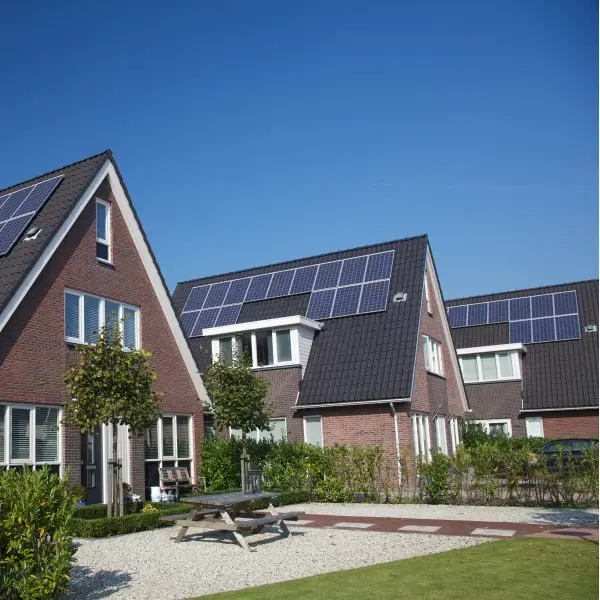
Historically, residential energy storage was inextricably linked with solar photovoltaic (PV) array installations. Battery storage existed primarily to capture surplus solar generation and redistribute it during non-productive hours. However, a profound evolution in grid dynamics, regulatory infrastructure, and utility tariff design has created a booming market for home battery storage without solar.
Modern smart grids operate with extreme price volatility. Through Time-of-Use (TOU) tariffs, dynamic pricing, and localized demand-charge regimes, the cost of grid power fluctuates dramatically throughout a 24-hour cycle. In regions like Western Europe (such as Germany and the UK) and North America (particularly California and Texas), the spread between peak and off-peak energy pricing now exceeds 300%. This pricing dynamic enables a powerful economic case for standalone storage: load shifting. Homeowners purchase low-cost electricity during off-peak windows (e.g., overnight) and discharge the battery to run household loads when tariffs spike, securing significant cost savings without installing solar panels.
Without solar panels, a home storage system must rely on highly efficient grid charging. This requires advanced AC-coupled configuration designs capable of handling rapid charge rates, minimum round-trip conversion losses, and smart integrations with utility APIs to automate charging cycles during negative or low-price pricing regimes.
For international energy equipment importers, EPC project engineers, and large-scale wholesalers, evaluating a "home battery storage without solar manufacturer" requires going beyond generic battery cell parameters. To qualify a manufacturing partner for long-term supply agreements, key engineering metrics must be examined:

Ultra-clear textured photothermal and photovoltaic glass solutions, optimized for high transmittance and durability in modern building integrated photovoltaics (BIPV).
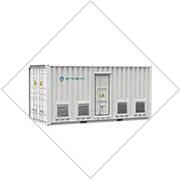
Utility-scale utility containerized energy storage systems (ESS) with pre-configured fire suppression, HVAC systems, and high density liquid-cooled modules.
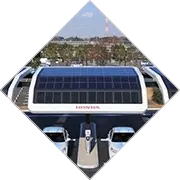
Structured modular photovoltaic carports designed for commercial fleets and modern architectural parkings, blending structure with clean power generation.
As standard residential energy requirements grow, battery storage reliability becomes critical. Sourcing from a leading Chinese Factory 4.0 manufacturer offers significant structural and supply chain advantages. In modern energy storage production, efficiency relies on end-to-end integration: from processing lithium chemical precursors to assembling advanced battery packs.
Automated sorting machines group cells by capacity, internal resistance, and voltage. This level of matching is key to maximizing pack lifespan and safety.
Cell-to-Pack (CTP) designs eliminate intermediate modules, increasing volumetric energy density, reducing total weight, and improving heat dissipation.
Strict temperature-controlled aging chambers and functional testing ensure every battery pack operates safely and reliably under real-world conditions.
Additionally, China’s industrial ecosystem provides unmatched raw material stability. Working directly with major lithium mining networks, separator foil fabricators, and specialized microchip suppliers ensures stable lead times and consistent product quality. For global buyers, this supply chain integration mitigates production delays and safeguards against cost volatility in key components like cell housings, terminal connectors, and integrated circuitry.
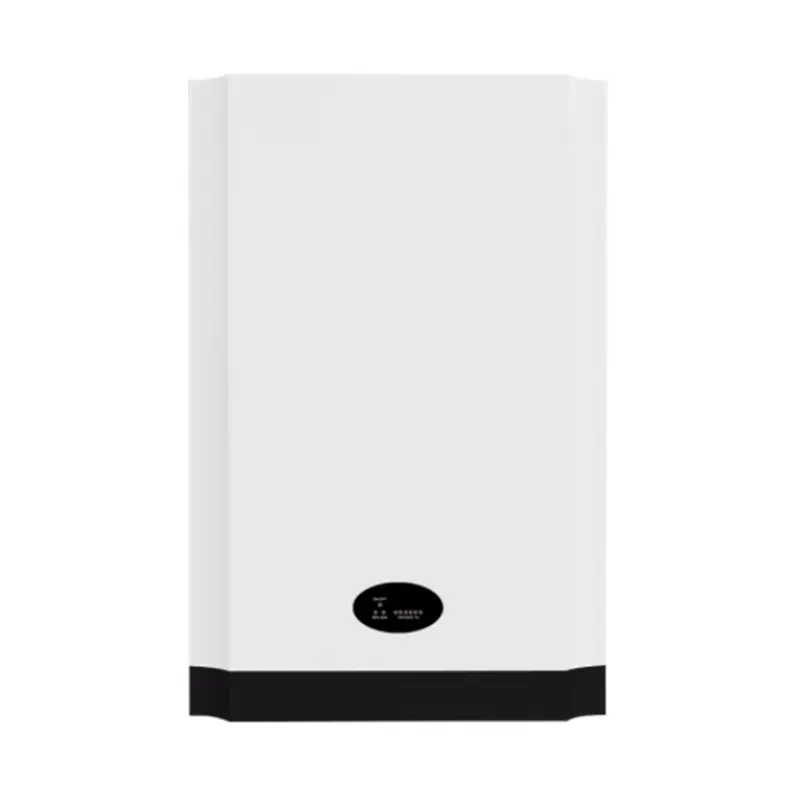
Established in 2019, and headquartered in Xiamen, China, Elemro Energy specializes in advanced energy storage and custom electrical product solutions. As an industry pioneer, Elemro unifies R&D, precision production, and global sales under a single ISO9001-certified operation.
Our energy storage solutions serve over 250 corporate customers across Europe, Southeast Asia, Africa, the Middle East, and the Americas. Elemro's focus on high-voltage and low-voltage LiFePO4 battery technology has driven steady growth, with annual turnover exceeding 50 million USD in 2023. By combining Factory 4.0 automation with strict quality control, we deliver reliable energy storage systems built for long-term performance.
Learn More About ElemroYear Established
Global Customers
Annual Turnover (2023)
Battery Cycle Life
Deploying energy storage systems without solar requires configuring the setup to match local grid conditions, utility tariff structures, and weather patterns. Our global engineering experience highlights three primary application cases:
In Northern and Western Europe, utility providers offer dynamic tariffs linked to day-ahead spot market prices (e.g., Tibber, Octopus Agile). Electricity prices can drop significantly during periods of high wind generation or low demand. Elemro's AC-coupled storage systems can be configured to charge automatically when prices bottom out or turn negative. The stored energy is then used during peak afternoon hours to offset higher costs.
For regions prone to seasonal storms and grid instability, standalone battery storage serves as a quiet, zero-emission alternative to traditional diesel generators. Operating in uninterrupted power supply (UPS) mode, the battery remains fully charged via the grid. If a outage occurs, the system switches to backup power in under 10 milliseconds, keeping critical household appliances, heating systems, and medical equipment running without interruption.
Commercial and light industrial facilities are often billed based on their peak demand (measured in kW) rather than just total energy consumption (kWh). By deploying high-voltage stacked battery systems, businesses can use stored energy to power high-draw machinery, capping their peak grid draw. This peak-shaving strategy helps commercial operators reduce monthly utility bills.
Looking for a manufacturing partner for home battery storage systems? Leave your email and our engineering sales team will reach out with product data sheets and wholesale pricing within 24 hours.
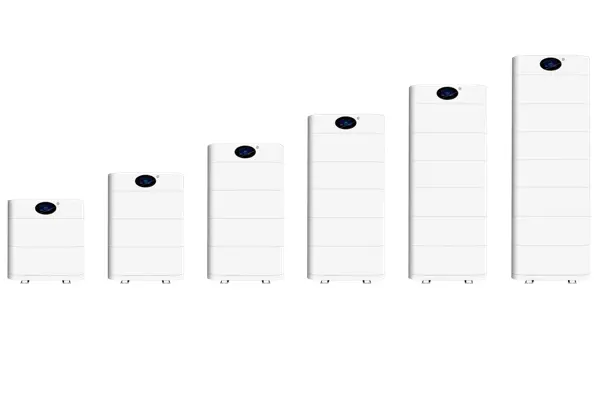
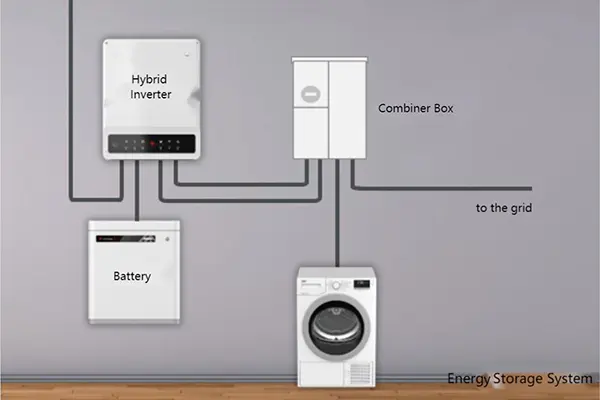
A standalone home battery storage system charges directly from your municipal grid. Using smart energy management software, the system schedules charging during off-peak windows when utility prices are low (like overnight). During high-tariff periods, the battery discharges to run your household loads, bypassing expensive grid rates. The entire process is managed automatically by a grid-interactive, AC-coupled inverter.
The payback period depends heavily on the price difference between peak and off-peak tariffs. In areas with significant rate differences, dynamic power tariffs, or demand charges, users can expect an ROI within 5 to 7 years. Additionally, some local utilities offer incentives or rebates for grid-interactive batteries, which can help lower the initial investment.
Yes. Standalone home battery systems configured with an automatic transfer switch (ATS) can disconnect from the grid during an outage. This allows the battery to operate in off-grid backup mode, supplying electricity to your essential household circuits until grid power is restored.
To ensure safety and meet import regulations, home batteries should carry recognized international certifications. These include IEC 62619 for cell and pack safety, UN 38.3 for transport testing, and standards like UL 1973 or UL 9540 depending on the destination market. Elemro Energy products are designed to meet these global standards for compliance.




 Elemro Energy