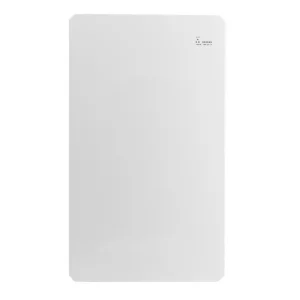
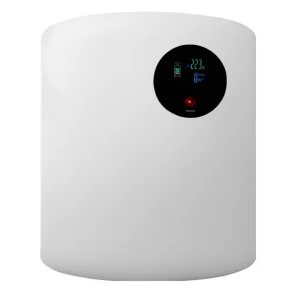
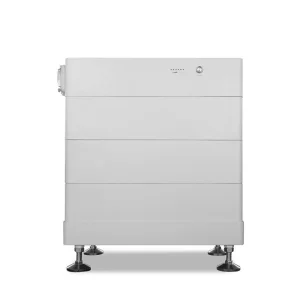
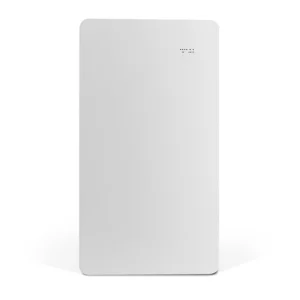
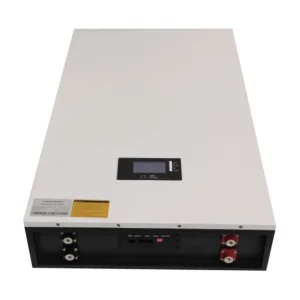
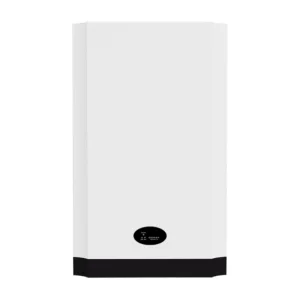
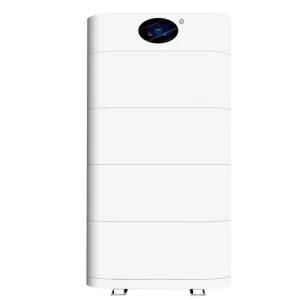
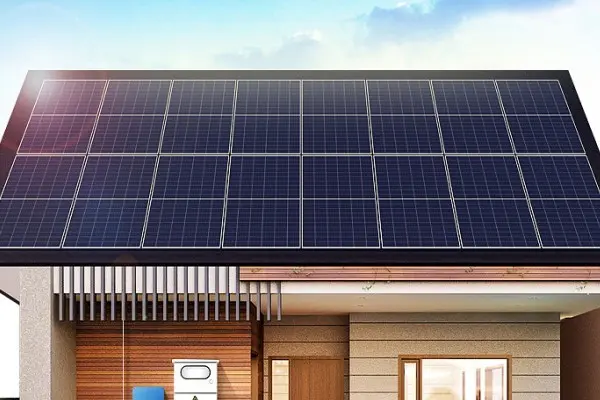
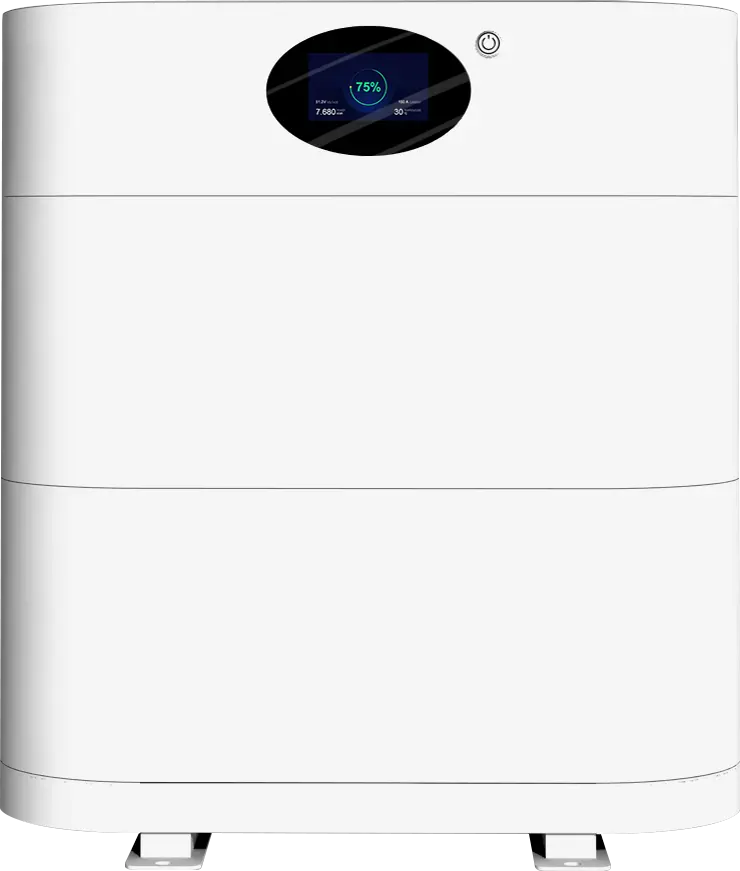
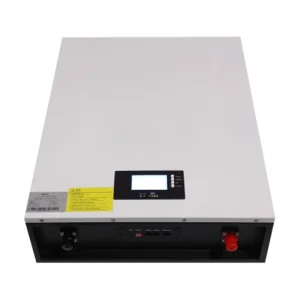
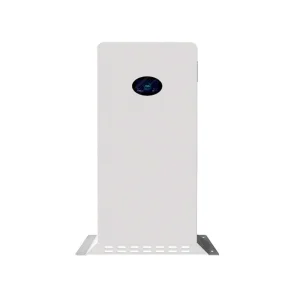
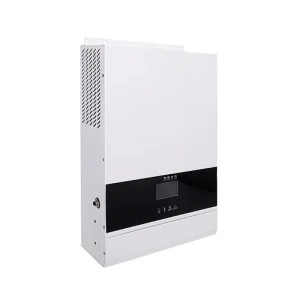
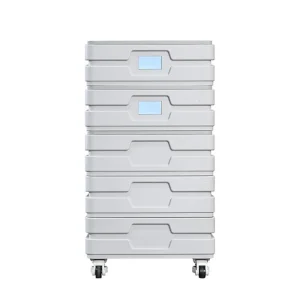
Explore high-voltage and low-voltage residential configurations optimized for energy density, fast charging capability, and continuous performance.
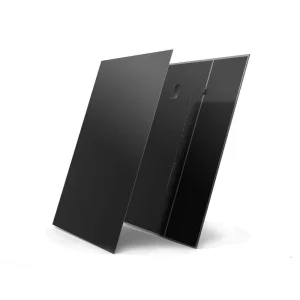
Evaluating the comprehensive home battery storage cost structure requires looking beyond the basic initial purchase price. The Levelized Cost of Storage (LCOS) acts as the primary metrics standard for residential energy assets. LCOS calculates the total cost of energy output generated through the system over its active service lifetime, factoring in degradation rates, round-trip efficiency (RTE), depth of discharge (DoD), and maintenance over time.
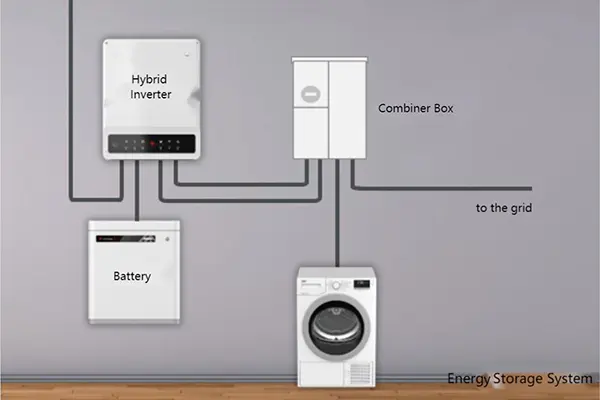
Currently, cells represent 50% to 60% of the manufacturer’s bill of materials (BOM). The introduction of high-capacity Lithium Iron Phosphate (LiFePO4) chemistry has stabilized battery pack manufacturing costs while extending hardware lifespans to over 6,000 cycles at 80% to 90% DoD. Beyond the cell cost, the integration of intelligent Battery Management Systems (BMS), structural thermal containment, and hybrid inverters contributes to the total capital expenditure (CAPEX). In the premium residential sector, stacked high-voltage configurations minimize thermal losses and reduce cable cross-sections, lowering installation costs despite slightly higher initial hardware outlays.
Key Technical Insight: Standardizing on LiFePO4 chemistry reduces the degradation rate to less than 2% annually under moderate temperature controls, lowering long-term operational costs (OPEX) and generating higher overall return on investment (ROI) for global B2B distributors.
Established in 2019 and headquartered in the high-tech coastal hub of Xiamen, China, ELEMRO Energy has positioned itself as an industry leader in R&D, mass production, and distribution of residential energy storage systems. Our focus centers on developing smart and highly reliable electrical product solutions. By controlling manufacturing processes and component sourcing directly, ELEMRO maintains consistent quality controls while reducing total system costs.
With sales networks spanning Europe, Southeast Asia, the Middle East, Africa, and the Americas, ELEMRO serves over 250 enterprise buyers. ELEMRO's annual turnover is expected to exceed 50 million USD in year 2023, reflecting rapid market expansion. By leveraging automated factory lines and extensive component supplier partnerships, ELEMRO bridges the gap between raw cell refining and local system integration, offering premium energy storage solutions to global distributors and solar installers.

High-precision manufacturing tolerances and advanced battery life validation deliver industry-leading performance parameters.
China’s leadership in energy storage manufacturing is built on integrated supply chains, automated factory processes, and proximity to raw material processing. Factories located in manufacturing hubs like Xiamen utilize local clusters for copper busbars, specialized electronics, structural enclosures, and premium battery cells. This concentration of the supply chain minimizes logistics overheads and ensures consistent component quality, directly lowering production costs.
Furthermore, advanced automation in battery assembly lines ensures uniform quality and cell balancing, which are critical for preventing early pack degradation. Advanced laser welding and automated sorting systems minimize internal resistance variances across cells. For international distributors, purchasing directly from these integrated Chinese factories offers significant cost advantages, allowing access to Tier-1 grade materials at competitive wholesale prices.
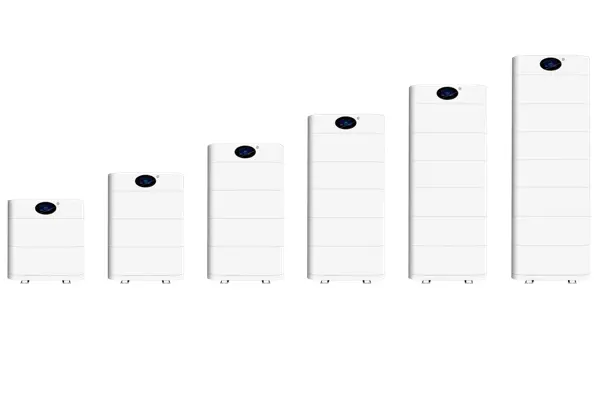
Selecting the appropriate battery design depends on system voltage, installation requirements, and future capacity scaling needs:
| Parameter Spec | Low-Voltage (LV) Systems (e.g., WHLV 48V Series) | High-Voltage (HV) Stacked Systems |
|---|---|---|
| Nominal Operating Voltage | 48V - 51.2V | 150V - 450V+ (Dynamic Stack) |
| Transmission Efficiency | Standard (Higher current, higher heat losses) | High (Lower current, minimal DC cabling losses) |
| Scalability Method | Parallel wiring configuration (increased current) | Series module stacking (no external wiring required) |
| Optimal Application | Retrofitting small-scale solar setups | New high-power residential systems & EV fast charging |
Enterprise buyers must ensure that energy storage systems meet local certification standards to guarantee compliance and safety. Key regulatory requirements include:
Expert answers addressing lifecycle calculations, battery degradation, thermal stability, and optimization of total system costs.
Stay updated with our latest engineering reports, technical analyses, and global event schedules.





Contact our project engineers for a detailed system cost analysis and custom commercial proposals. We reply within 24 hours.
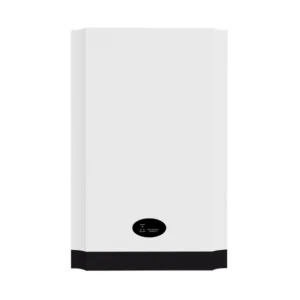
Explore high-voltage, stackable, and wall-mounted battery systems engineered for global clean energy setups.
 Elemro Energy