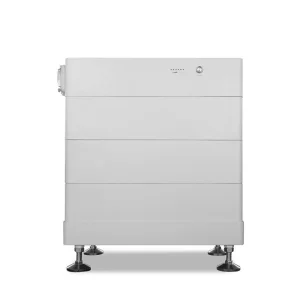
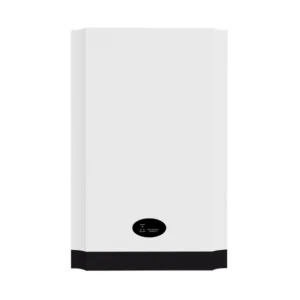
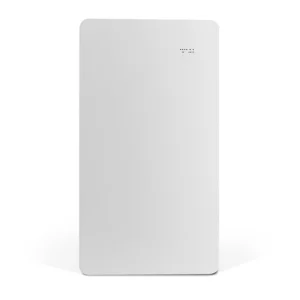
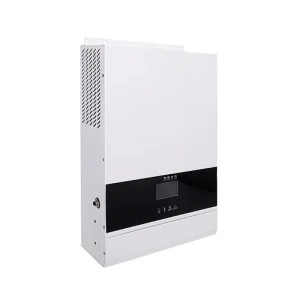
Explore Elemro Energy's high-efficiency, tier-1 qualified lithium battery configurations and solar solutions designed for global deployment.
The global transition towards renewable energy generation creates dynamic challenges for local grid infrastructure. Unpredictable solar and wind patterns demand highly resilient grid buffering mechanisms. Energy Storage Systems (ESS) stabilize these frequency shifts, ensuring power quality, load-shifting flexibility, and grid independence.
By implementing Utility-Scale and Commercial & Industrial (C&I) battery storage, system integrators mitigates the risks of curtailment, peaks, and brownouts. The application of high-energy-density LiFePO4 cells, governed by artificial-intelligence-driven Energy Management Systems (EMS), ensures optimal dispatch, minimizes Levelized Cost of Storage (LCOS), and accelerates return on investment (ROI).
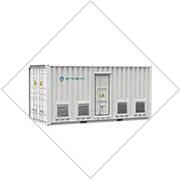
Adapting renewable integration for robust industrial resilience, zero-export grids, and peak-shaving mechanics.
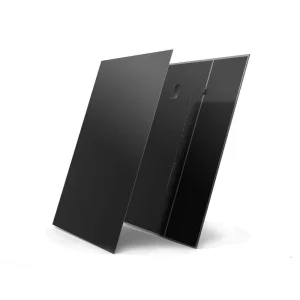
Integrating CdTe Cadmium Tellurium Thin Film Solar Cells directly into building envelopes allows architectural facades to generate clean, decentralized power, turning corporate offices into net-zero power generation systems.
Using high-voltage battery banks, businesses can draw electricity during off-peak hours and discharge it during maximum demand intervals, substantially reducing expensive utility peak demand charges.
Combining car port solar power with centralized ESS container setups allows facility managers to deploy ultra-fast EV charging stations without straining the existing municipal distribution grid.

Established in 2019, and headquartered in the high-tech hub of Xiamen, China, Elemro Energy has specialized in advanced new energy storage design and complex electrical infrastructure systems. By unifying R&D, advanced automated production, and global commercial trade networks, Elemro operates as a comprehensive leader in modern industrial green transition.
Our solutions span more than 250 enterprise clients across Europe, Southeast Asia, Africa, the Middle East, and the Americas. ELEMRO's annual turnover is expected to exceed 50 million USD, demonstrating strong market adoption of our industrial storage containers and modular lithium batteries.
We deploy continuous innovations in safety mechanics, energy management software (EMS) compatibility, and structural thermal runway protections. Our product portfolio represents a major step forward in performance and reliability.
Bridging building envelope solar production, large scale utility containers, and local transport energy needs.
Advanced photovoltaic glazing solutions designed for high structural load capacity, thermal optimization, and optimal aesthetic integration into architectural envelopes.
MW-scale liquid-cooled containerized BESS arrays incorporating intelligent thermal management, aerosol fire extinguishing systems, and heavy-duty grid connectivity.
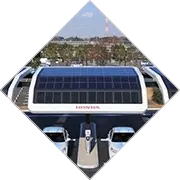
Robust carbon steel and aluminum framed structures providing shelter while generating solar power to supply auxiliary office grids and vehicle charging points.
Ensuring compliance, safety, and seamless integration with complex international power grids.
Navigating global grid codes requires manufacturers to carry recognized safety credentials. Elemro Energy structures its engineering blueprints around the requirements of critical testing laboratories. Our commercial and residential systems are designed to comply with UL1973, IEC62619, CE, and UN38.3 certifications, streamlining the localized approval process.
Utilizing multi-stage battery management systems (BMS) with cell-level temperature monitoring, aerosol-based fire suppressors, and over-current breakers to isolate faulty runs safely.
Seamless synchronization with major hybrid inverters via CAN/RS485/Modbus networks, enabling precise controls from localized SCADA systems.
Our global engineering framework includes expert localized technical teams to assist during site pre-assessment, commissioning, and system sizing. This level of support ensures long-term operational success for global engineering companies and developers.
Developing next-generation energy density, smart management software, and sustainable battery chemistries.
Developing commercial-grade solid-state LFP battery cells and cost-efficient Sodium-Ion (Na-Ion) setups for applications in extreme temperature environments.
Integrating cloud-based machine learning models directly with local EMS to predict weather patterns and local grid tariffs, maximizing profit margins for systems running arbitrage operations.
Optimizing Cadmium Tellurium thin-film cell structures to reach over 20% conversion efficiency, maintaining stability in low-light and diffuse radiation scenarios.
Comprehensive analyses of current storage technologies, inverter mechanisms, and project case studies.
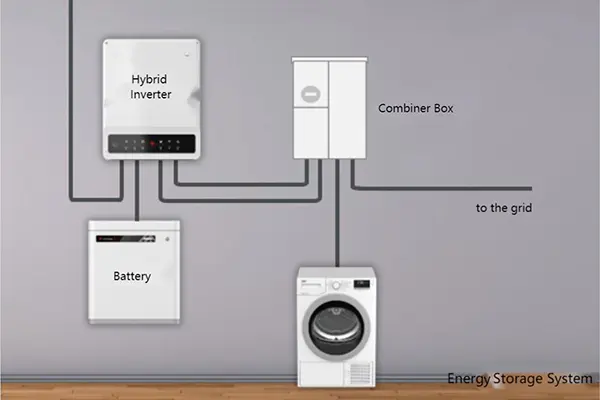
Analyzing topologies, topology efficiency, and communication interfaces in modern residential storage schemes.
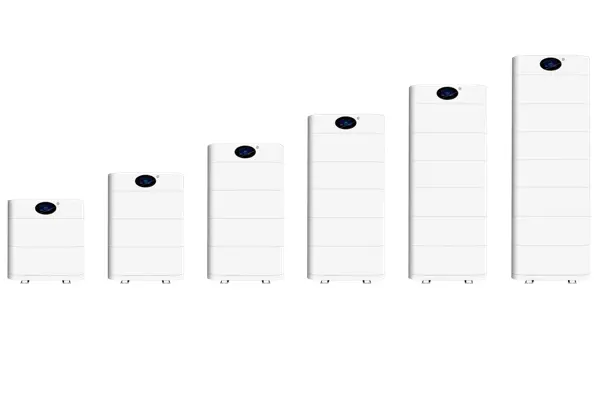
Evaluating LFP vs NMC chemistries in relation to cycle-life, manufacturing costs, thermal limits, and ecological footprint.
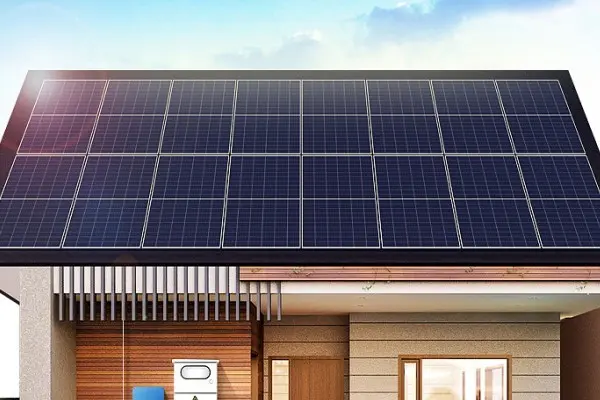
Addressing grid tariff structures, demand calculations, and microgrid setups in high-load operating sites.
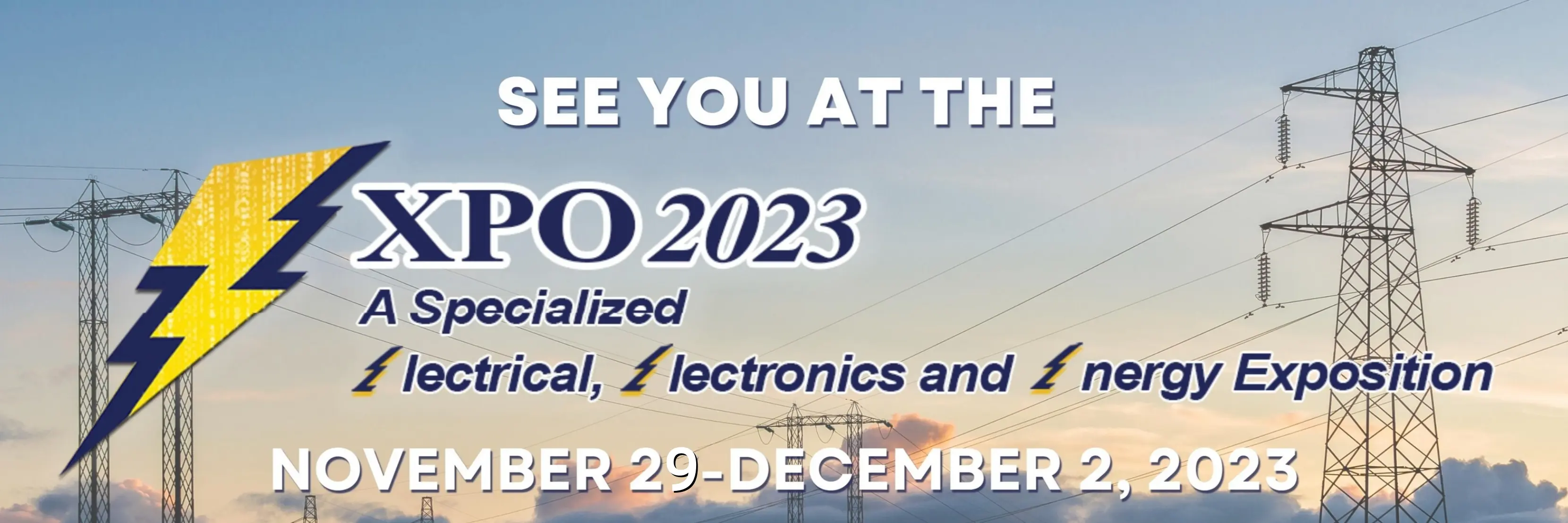
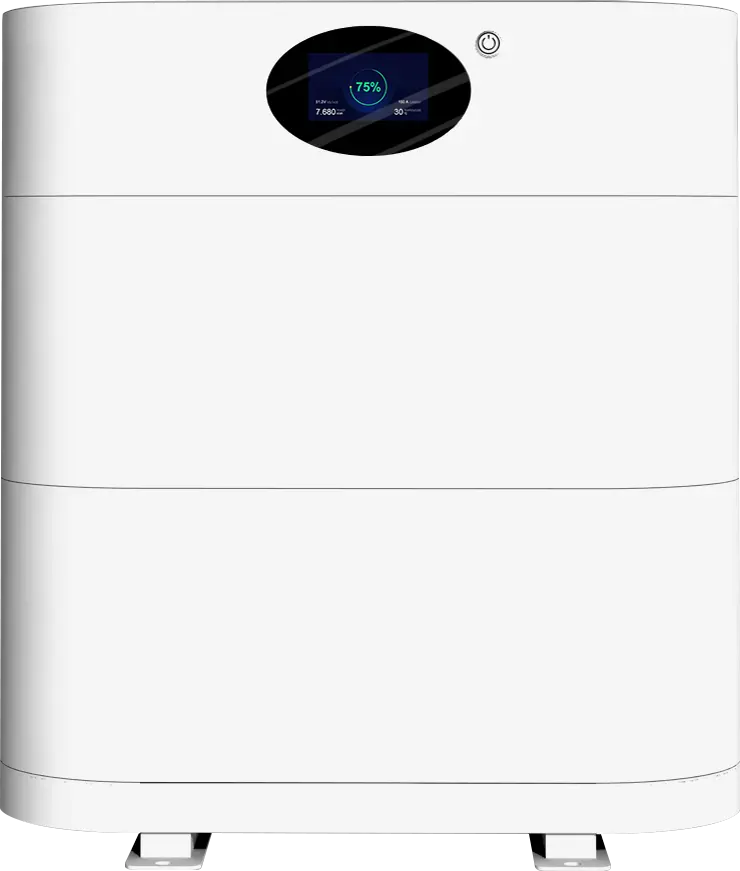
Showcasing our recent stackable high-voltage LFP storage and solar technologies to the Southeast Asian market.
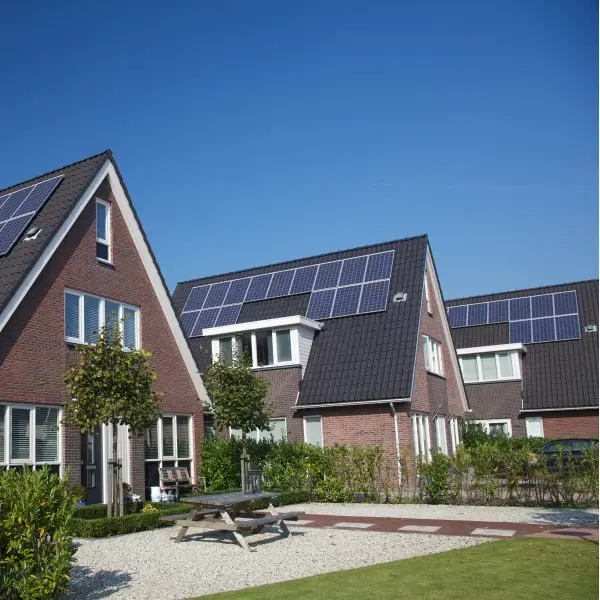
Evaluating utility-scale arrays, residential roofs, agricultural setups, and floating solar mounts.
Understanding performance aspects: cell degradation, voltage curves, C-ratings, and safety margins.
Key technical insights on selection criteria, system life expectancy, and technology integration parameters.
High-voltage systems (typically above 200V DC) are ideal for large-scale operations and hybrid installations, offering higher efficiency and lower line losses, though they require sophisticated BMS controls. Low-voltage configurations (typically 48V) are common in residential systems because they are easier to scale, handle, and integrate, making them a cost-effective choice for home energy storage.
LiFePO4 chemistry provides superior thermal and chemical stability compared to NMC, significantly reducing the risks of thermal runaway. LFP batteries also offer a longer cycle life (often exceeding 6,000 cycles at 80% DOD), making them ideal for stationary energy storage systems where safety and longevity are prioritized over energy density.
CdTe (Cadmium Tellurium) thin-film solar modules feature a low temperature coefficient and perform exceptionally well under low-light or diffuse lighting conditions. Their structural flexibility and aesthetic options allow them to integrate seamlessly into building facades, turning walls into active solar collectors.
An EMS monitors state-of-charge (SOC), depth-of-discharge (DOD), and temperatures at the cell level. It coordinates charge and discharge schedules based on demand trends and utility rates, avoiding excessive cycling and thermal stress to maximize battery lifecycle and ROI.
Key safety certifications include UL 9540A for evaluation of thermal runaway, UL 1973 for battery packs in stationary applications, and IEC 62619 for safety requirements of industrial lithium batteries. UN 38.3 compliance is also essential to ensure safe transport of battery components.
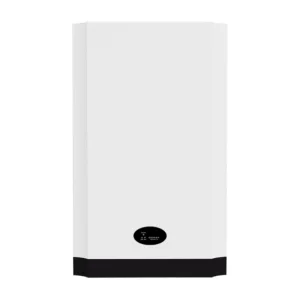
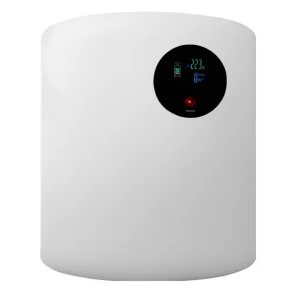
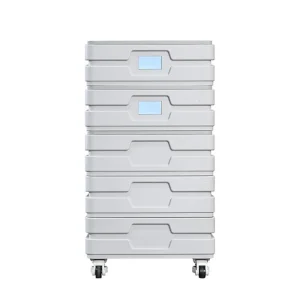
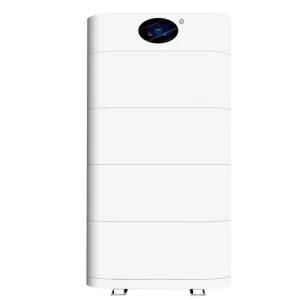
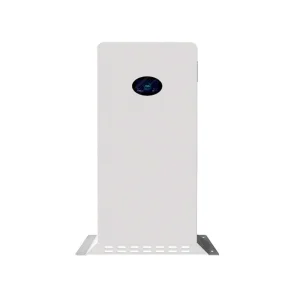
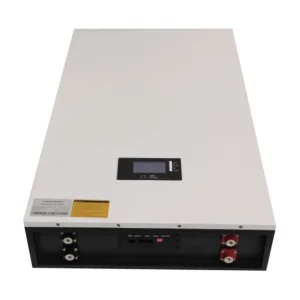
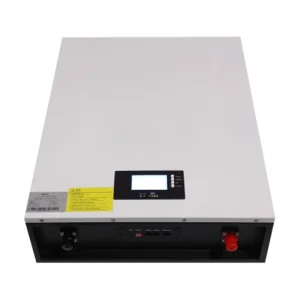
Explore Elemro Energy's full range of residential wall-mounted batteries, stackable high-voltage modules, and solar components.
Our engineering team will assess your site layout, energy demand profile, and local utility tariff structures to design a customized system design.




 Elemro Energy