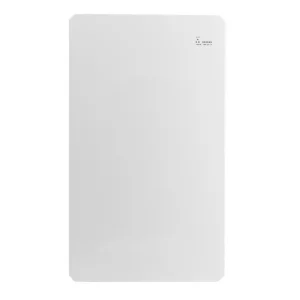
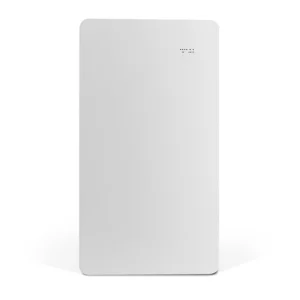
Explore our leading utility-scale and commercial container-integrated energy storage systems designed for peak efficiency and exceptional life cycle performance.
Established in 2019, headquartered in Xiamen, China, Elemro Energy has been specialized in new energy storage and electrical product solutions with rich experience. It is the market leader in the new energy industry that unifies R&D, production, and sales. The products have been sold to more than 250 customers in Europe, Southeast Asia, Africa, Mid-east, America, etc. Since its establishment, ELEMRO’s revenue has been growing rapidly every year. ELEMRO’s annual turnover is expected to exceed 50 millions USD in year 2023.
By offering customized containerized solutions and highly scalable modular storage topologies, we empower global utilities, commercial developers, and local communities to transition into resilient clean-energy ecosystems. Our focus on top-tier components, rigorous safety certifications, and industry-leading design parameters positions Elemro Energy as the primary catalyst for commercial and industrial grid-edge applications.
Providing cleaner energy for a greener, more sustainable world through integrated solar and energy storage systems.

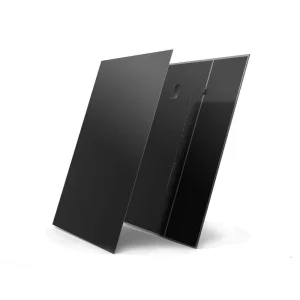
High-transparency, high-strength photovoltaic glass engineered to optimize light absorption and convert structures into net-positive energy systems.
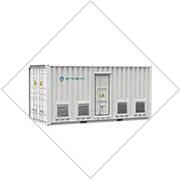
Pre-engineered, modular, containerized BESS solutions offering high density, liquid cooling capabilities, and comprehensive fire protection for industrial reliability.
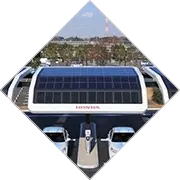
Urban clean mobility infrastructures combining shade design with high-capacity solar harvesting and charging capabilities for commercial parking grids.
The global energy landscape is undergoing a systemic transition toward decentralized, intermittent renewable power sources. Central to this transition is the utility-scale and commercial Battery Energy Storage System (BESS), typically deployed as modular, weatherized Energy Storage Containers. These containerized units serve as the primary balancing mechanism for modern power grids, compensating for solar and wind variability by absorbing excess generation and discharging it during peak demand windows.
In industrial and commercial contexts, containerized storage has transitioned from a niche asset into a core financial and operational tool. Modern facilities face rising demand charges, grid instability, and aggressive corporate decarbonization mandates. Standardized 20ft and 40ft energy storage containers provide a scalable, plug-and-play solution. Integrating lithium iron phosphate (LiFePO4) battery packs, intelligent Battery Management Systems (BMS), liquid-cooling thermal management, and robust fire protection inside a single ISO shipping container, these systems deliver megawatt-hour (MWh) capacities with minimal on-site footprint and construction overhead.
One of the most significant architectural debates in BESS engineering is the selection of thermal management systems. Achieving thermal uniformity within the container is paramount to preventing accelerated cell degradation, maintaining system capacity, and averting catastrophic thermal runaway events.
Historically, forced air cooling systems were the industry standard due to lower upfront capital expenditure. However, air cooling struggles with high-density systems, often resulting in internal cell temperature differences exceeding 5°C. This delta accelerates imbalance across series-connected cell strings, reducing the overall usable energy of the containerized asset over time.
Liquid cooling has emerged as the standard for high-performance installations. By routing coolant channels directly adjacent to battery modules, liquid cooling systems maintain a strict temperature differential of less than 3°C across all cells. This superior thermal precision extends battery lifespans by up to 20%, improves auxiliary power consumption efficiency, and enables significantly higher energy density (frequently surpassing 3.7 MWh per 20ft container, and scaling up to 5 MWh+ with next-generation high-capacity cells).
The versatility of containerized energy storage systems enables their deployment in distinct localized environments, each requiring tailored operational algorithms and electrical interfaces.
For manufacturing plants, heavy machinery operations, and data centers, demand charges can constitute up to 50% of the monthly utility bill. These systems monitor real-time power draw at the facility boundary. When the load spikes, the system discharges the stored battery power, lowering the maximum demand spike recorded by the utility. During low-cost off-peak periods, the storage containers recharge from the grid, saving substantial energy costs for the facility owner.
Isolated communities, resort islands, and remote mining operations rely on expensive and carbon-intensive diesel generators. By coupling an ELEMRO energy storage container with localized solar arrays, these regions establish autonomous microgrids. The container acts as the grid-forming source, regulating frequency and voltage, and storing daytime solar energy to power the microgrid throughout the night. This configuration slashes diesel fuel consumption by up to 80% and provides reliable continuous power.
The rapid adoption of electric vehicles places severe stress on distribution grids, especially during superfast charging. A cluster of 350kW DC fast chargers can easily overload standard commercial utility connections. A localized energy storage container alleviates this stress by discharging during peak EV charging events, buffer-storing capacity, and recharging slowly during idle periods, preventing local grid collapse and avoiding costly substation upgrades.
Answering key questions concerning deployment, safety, maintenance, and lifecycle parameters of utility-scale energy storage containers.
Industrial Lithium Iron Phosphate (LiFePO4) energy storage containers manufactured by ELEMRO typically deliver between 6,000 to 8,000 charge/discharge cycles at 80% Depth of Discharge (DoD) under optimal operating conditions. This translates to an operational lifespan of 15 to 20 years. System longevity is preserved through cell-level monitoring by the BMS and liquid cooling loops that maintain cell temperatures within narrow limits, mitigating degradation rates.
The Energy Management System (EMS) acts as the high-level brain of the BESS. While the BMS monitors cell-level voltages, currents, and temperatures to ensure safety, the EMS communicates with the PCS (Power Conversion System) and external grid meters. It determines when to charge or discharge the system based on economic priorities (such as grid frequency fluctuation, peak electricity prices, or local solar generation profiles).
Safety is built-in. Modern BESS containers feature multi-layered fire prevention and suppression systems. This includes highly sensitive off-gas detection (identifying early stage venting of cells), particulate smoke detectors, clean-agent gas suppression (such as Novec 1230 or FM200) to extinguish localized events, and integrated water sprinkler plumbing as a final redundancy to prevent thermal runaway propagation, strictly meeting NFPA 855 standards.
Yes, our containerized solutions are engineered inside thermal-insulated ISO containers (frequently using polyurethane sandwich panels with C5-level corrosion resistance coatings). Equipped with industrial HVAC or advanced liquid cooling systems, they operate reliably in ambient temperatures ranging from -30°C to +55°C, making them suitable for desert environments, high-altitude installations, and cold northern climates.
Keep up-to-date with our latest technical breakthroughs, event invitations, and clean energy storage guides.
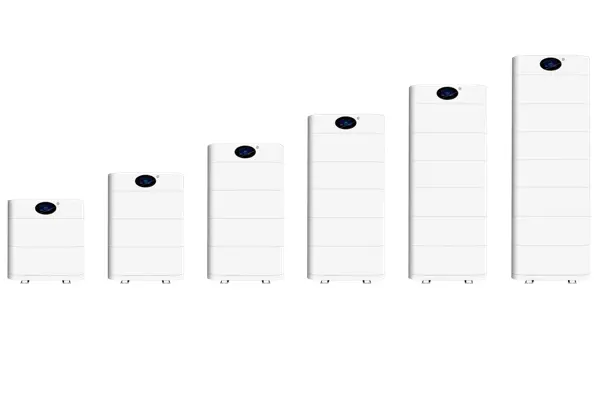
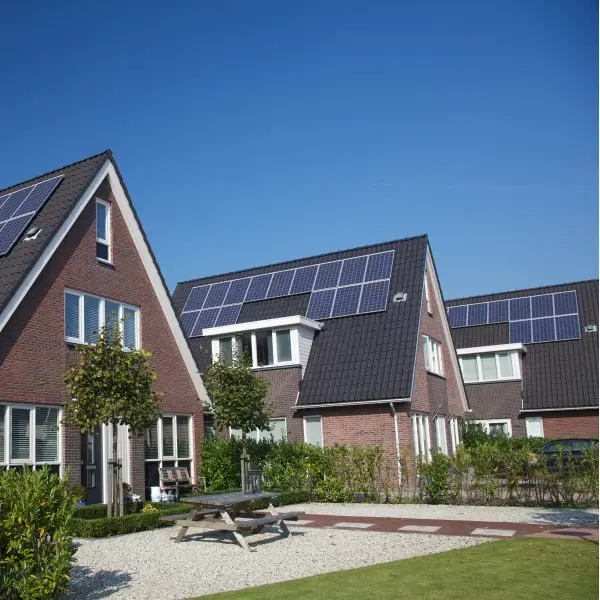





Explore our highly integrated residential, commercial, and modular energy solutions designed for green microgrids and building integration.
 Elemro Energy