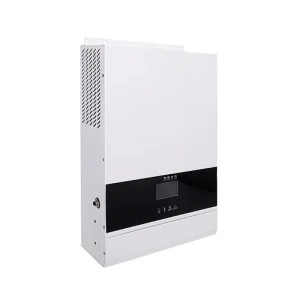
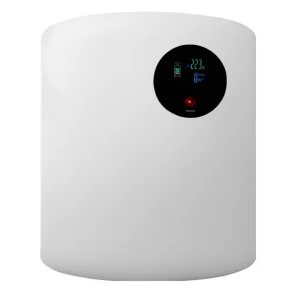
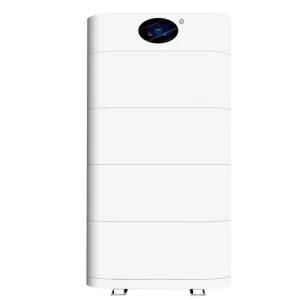
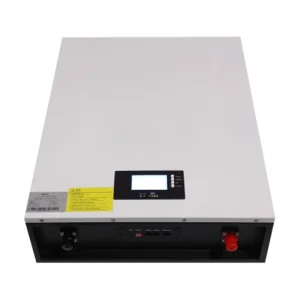
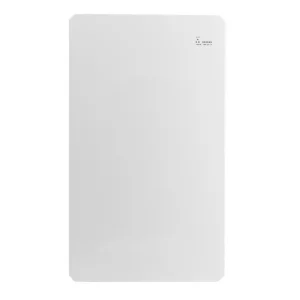
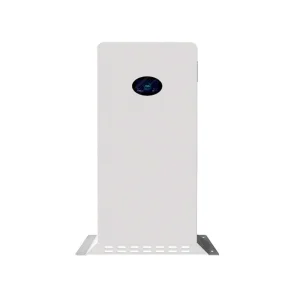
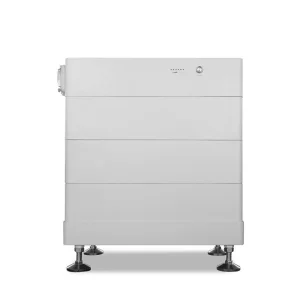
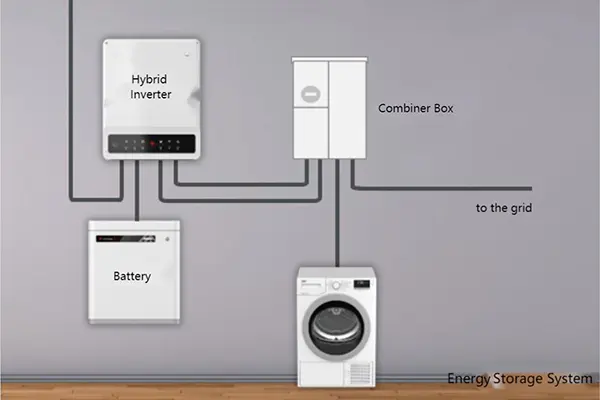
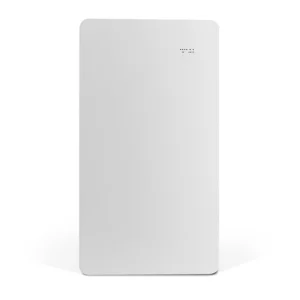
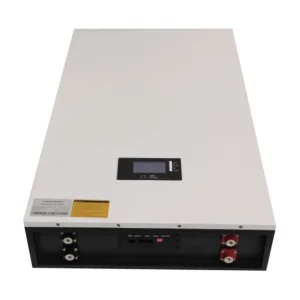
Explore our cutting-edge lithium energy storage devices, stackable LFP systems, and BIPV solar technologies designed to secure your green energy independence.
The transition toward dynamic, localized clean energy systems is driving demand for advanced DIY and modular utility-scale battery solutions. Historically, home energy storage was restricted to lead-acid setups in isolated off-grid cabins. Today, complex utility policies, soaring energy costs, and grid vulnerability have spurred a revolution in behind-the-meter (BTM) energy storage systems.
By coupling custom configurations of solar panels with Lithium Iron Phosphate (LiFePO4) storage, modern residential and commercial builders are bypassing standard grid limitations. Our integrated energy platforms empower users to transition from passive energy consumers to active operators within local microgrids, lowering their Levelized Cost of Storage (LCOS) while ensuring 24/7 power protection.

Established in 2019 and headquartered in the high-tech hub of Xiamen, China, ELEMRO Energy has specialized in cutting-edge new energy storage designs and custom electrical solutions. We operate as an integrated clean tech enterprise uniting intensive R&D, advanced manufacturing, and direct global distribution.
Serving over 250 commercial partners and developers in Europe, Southeast Asia, the Middle East, Africa, and the Americas, our annual turnover reached over $50 million USD in 2023. Our product architecture guarantees peak efficiency, simplified DIY installation profiles, and long-term utility-grade reliability.
A look at the underlying electrical structures, battery management protocols, and system architecture that drive top DIY solar storage installations.
Safety is the primary consideration for indoor and DIY energy storage setups. Lithium Iron Phosphate (LiFePO4) offers superior safety compared to traditional Lithium Nickel Manganese Cobalt (NMC) cells. LiFePO4 features structural thermal stability up to 600°C, does not experience oxygen release during failure, and provides a cycle life exceeding 6,000 charge cycles at 80% Depth of Discharge (DoD).
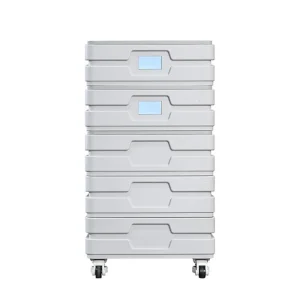
Low-voltage (48V LCLV) modular setups are easy to expand and carry minimal shock risks during installation. For high-output applications, stackable High-Voltage (HV) ESS setups streamline performance by running multiple battery cells in series. This reduces DC current levels and cable loss, allowing DIY installers to maximize round-trip efficiency through compatible hybrid inverters.
An advanced battery storage system is only as reliable as its Battery Management System (BMS). Our batteries incorporate native communication interfaces compatible with global hybrid inverters. This system continuously monitors cell temperatures, manages active balancing protocols, protects against overcurrent spikes, and provides real-time state-of-charge (SoC) updates.

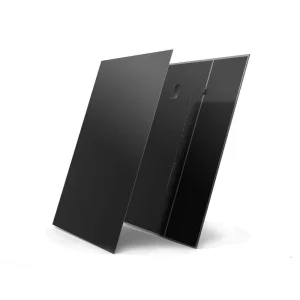
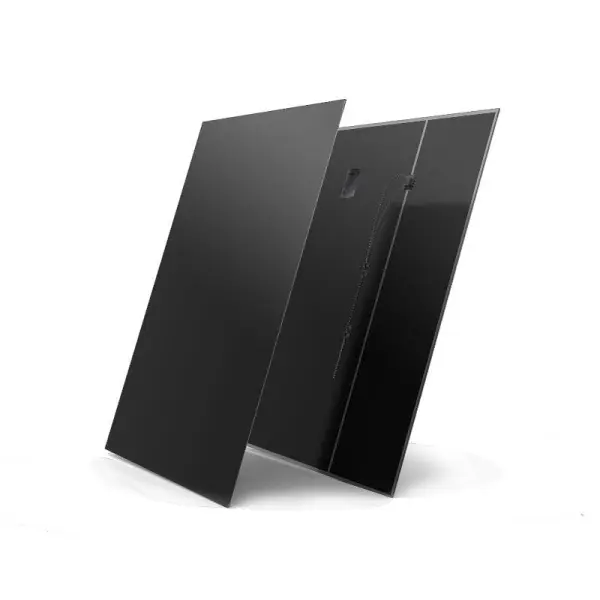
Custom structural glass designed to capture light and secure clean, direct power feed.
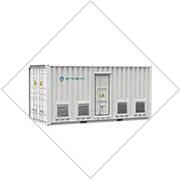
Scalable containerized systems built to house high-density lithium configurations safely.
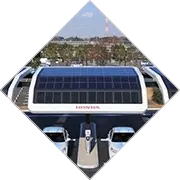
Pre-engineered structural framing optimized for PV generation and EV charging integration.
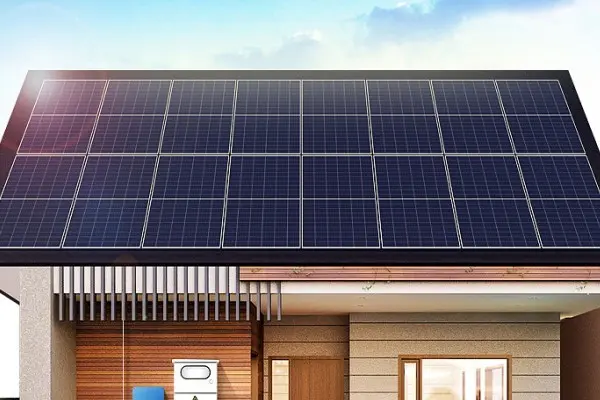
For modern DIY energy projects and microgrids, generation is no longer limited to roof-mounted crystalline panels. Building-Integrated Photovoltaics (BIPV) allow builders to generate energy directly from vertical facades, windows, and exterior walls.
Our Cadmium Telluride (CdTe) Thin Film Solar Cells offer distinct advantages over traditional silicon technologies:
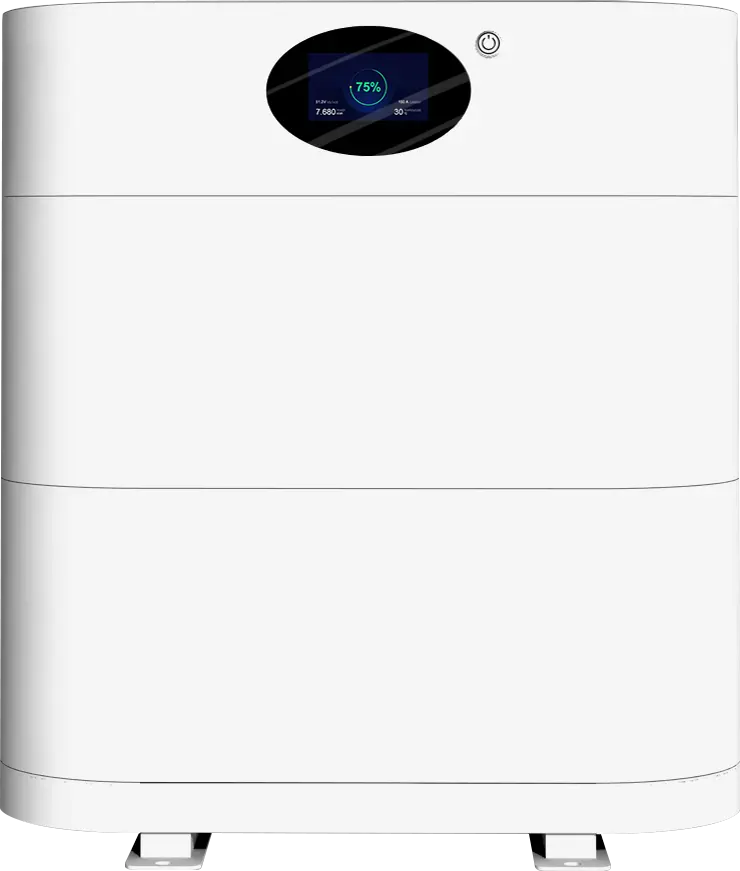
Pairing a CdTe BIPV setup with our stackable energy storage devices (like the Elemro SHELL 14.3kWh) creates an independent, resilient microgrid system.
Essential standards and step-by-step engineering guidelines to ensure a safe, high-performing battery storage installation.
When assembling a home or office battery storage system, matching components with certified safety standards prevents fire hazards and ensures local utility approval:
| Standard | Scope |
|---|---|
| UL 9540A | Thermal runaway fire propagation evaluation in battery systems. |
| IEC 62619 | Safety criteria for secondary lithium cells in industrial applications. |
| UN 38.3 | Global testing criteria for the safe transport of lithium batteries. |
| CE & UL 1973 | Basic hardware design certifications for safety under thermal and mechanical stress. |
Proper battery sizing prevents deep discharge cycles and reduces system stress. Use this baseline formula to plan your solar storage configuration:
For example, to back up a daily load of 10 kWh for 1 day of reserve capacity, using a battery array at 80% Depth of Discharge and a 95% efficient hybrid inverter:
This matches the capacity profiles of the Elemro LCLV 14kWh or Elemro SHELL 14.3kWh battery storage packs.
The next generation of battery storage systems will focus on enhanced software integration, grid communication, and new chemical formulations.
Ongoing research aims to replace volatile liquid electrolytes with solid-state alternatives. This technology promises to double energy density and eliminate thermal runaway risks, paving the way for safer, higher-capacity home battery configurations.
Future Battery Management Systems will utilize predictive machine learning algorithms to assess real-time cell degradation, dynamically adjust charge rates, and optimize performance based on changing household habits and weather forecasts.
Home storage systems are increasingly serving as nodes in Virtual Power Plants (VPPs). During periods of peak demand, grid operators can utilize aggregate battery networks to balance the grid, providing homeowners with additional revenue opportunities.
Answers to key technical questions about configuring, sizing, and operating DIY solar battery storage.
Stay up to date with the latest industry insights, hardware analysis, and upcoming exhibitions.
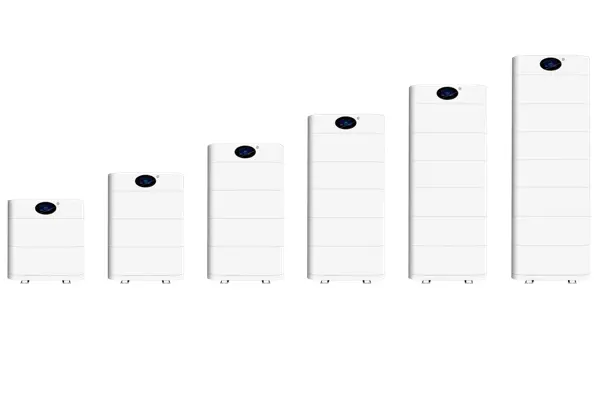
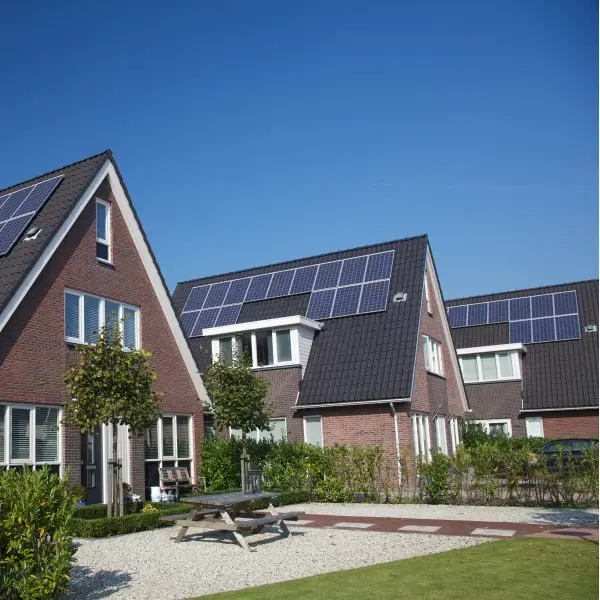
Explore our high-capacity batteries and scalable systems configured for reliable backup power.
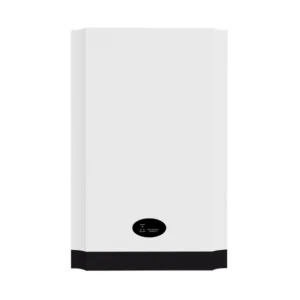
For inquiries about our products, certification data sheets, or custom pricing, please leave your email below and our technical team will contact you within 24 hours.





 Elemro Energy