Best DC Coupled Solar System Manufacturers & Products

High-efficiency industrial & residential energy transitions driven by premium DC-coupled architectures, technological integration, and intelligent grid optimization.

Industrial Whitepaper: The DC Coupled Paradigm

A comprehensive analysis of design topology, global supply constraints, performance optimization, and local compliance requirements for C&I and residential assets.

98.2%
Round-Trip Efficiency
15% +
LCOS Reduction
250+
Global B2B Clients
$50M+
Annual Turnover (2023)

1. Technical Topology: Understanding DC vs. AC Coupling

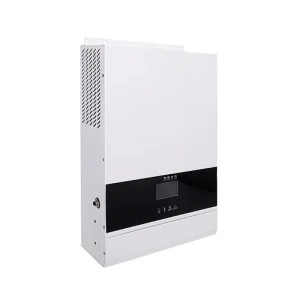
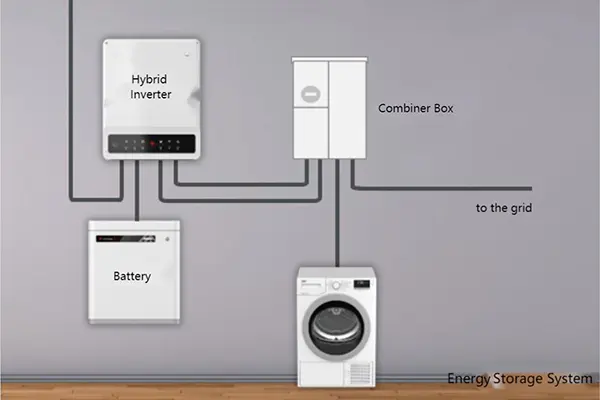
In modern photovoltaic system engineering, the choice between DC (Direct Current) coupling and AC (Alternating Current) coupling is the single most critical factor determining overall system efficiency, capital expenditures (CAPEX), and long-term operating costs. A DC-coupled solar storage system routes raw electricity generated by photovoltaic strings directly to the battery storage bank through a high-efficiency charge controller or DC-to-DC converter. The power only undergoes conversion to AC once—via the main hybrid inverter—when being discharged to home loads or fed back to the power grid.

Conversely, AC-coupled topologies require solar power to be converted from DC to AC at the solar inverter, then converted back from AC to DC to charge the battery bank, and finally reconverted from DC to AC when the battery discharges. By eliminating these multiple, redundant conversion steps, ELEMRO's specialized DC-coupled architectures achieve round-trip system efficiencies of up to 98%, cutting down heat dissipation issues, reducing thermal runaway risks, and significantly lowering the Levelized Cost of Storage (LCOS).

Performance Metrics DC Coupled Systems (ELEMRO Ecosystem) Standard AC Coupled Systems
Conversion Losses Ultra-Low (Single DC-to-AC step for loads) Moderate to High (Triple conversion loop)
Round-Trip Efficiency 95.5% - 98.2% 88% - 91%
Retrofitting Profile Ideal for new installations / full redesigns Simple for pre-existing solar systems
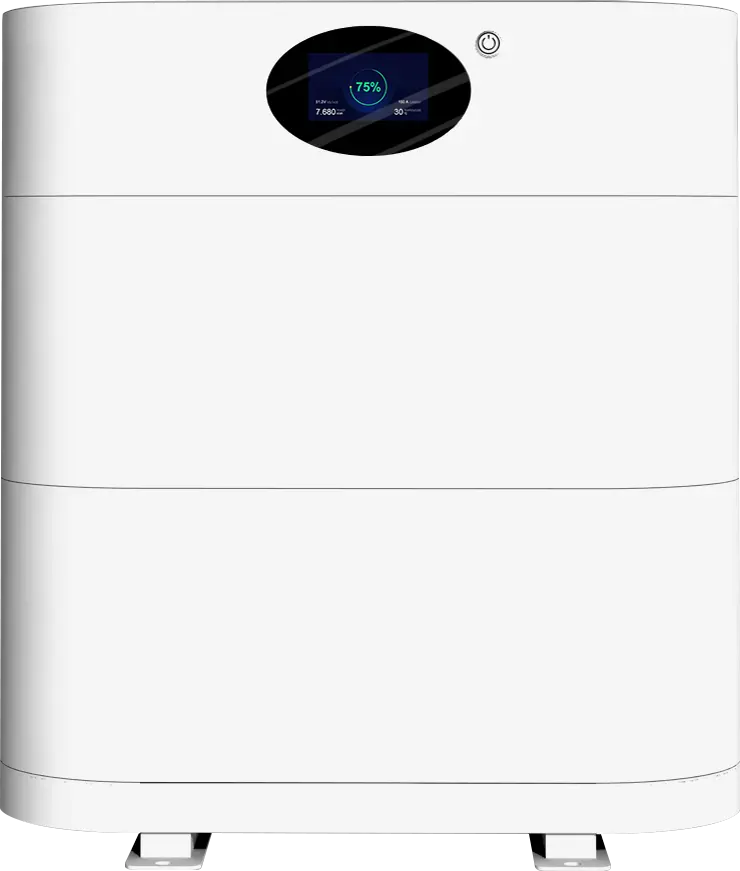
Component Integration Highly integrated (Single hybrid inverter + BMS) Decentralized (Separate PV & battery inverters)
BIPV Compatibility Excellent (Perfect match with thin-film CdTe) Complex synchronization requirements

2. Macro-Industry Solutions & Global Commercial/Industrial Landscapes

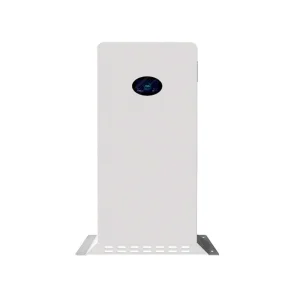
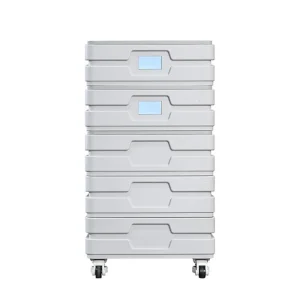
The global transition toward decentralized clean energy grids has accelerated the demand for commercial & industrial (C&I) as well as utility-scale storage infrastructure. Historically, solar modules and energy storage units were developed independently, creating integration bottlenecks. Today, manufacturers like ELEMRO Energy are shifting the paradigm by offering unified DC-coupled microgrid configurations. These systems allow operators to integrate BIPV, large-scale battery storage containers, and carport solar units under a single, localized energy management system (EMS).

In key manufacturing centers such as Europe, the Middle East, Southeast Asia, and North America, strict limits on grid injection and rising peak-rate tariffs have made self-consumption economically vital. DC coupling allows businesses to oversized their PV arrays (often up to 150-200% of the hybrid inverter's AC output rating) without losing power. The excess generation is channeled straight into batteries rather than being clipped by the inverter, enabling C&I operators to maximize peak shaving, dynamic load leveling, and emergency backup capacity.

3. Global Supply, Localized Compliance & Support Matrix

Ensuring compliance with local grid safety codes and electrical standards is a significant hurdle for developers importing energy storage hardware. ELEMRO addresses these challenges with a rigorous localized support matrix. Across major distribution hubs, our product platforms comply with international safety, grid integration, and environmental standards, including UL 1973, UL 9540A, CE, IEC 62619, and UN38.3 for lithium-ion shipping safety.

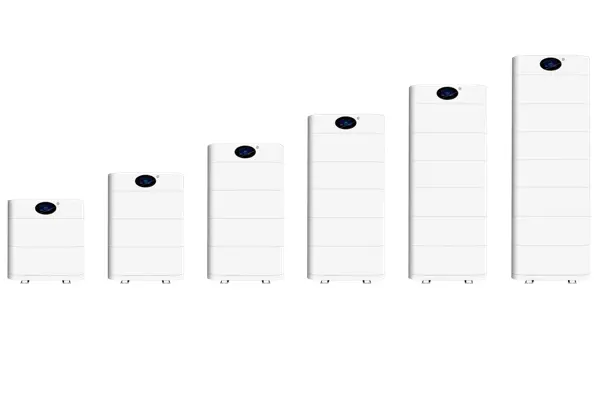
By establishing dedicated partnerships in Europe, Southeast Asia, and Africa, ELEMRO offers local EPCs and installers engineering resources, fast component replacement services, and technical field assistance. Our high-voltage stackable storage designs are tailored to meet localized requirements, such as the strict safety directives of VDE-AR-N 4105 in Germany, the AS/NZS 5139 standards in Australia, and National Electrical Code (NEC) guidelines in the United States. This guarantees that every project passes local inspections and functions safely over its entire operational lifetime.

Power A Green Future

We provide cleaner energy for a greener world through three core technological pillars.

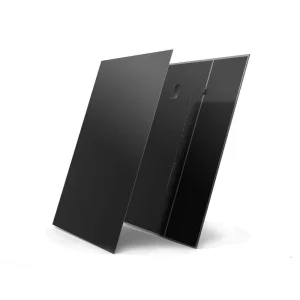
Solar Glass

Solar Glass

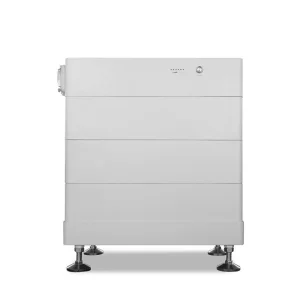
Energy Storage Container

Energy Storage Container

Car Port Solar Power

Car Port Solar Power

4. Localized Application Scenarios & Real-World Archetypes

The versatility of DC-coupled technology makes it ideal for a wide range of practical applications, each addressing unique localized grid challenges:

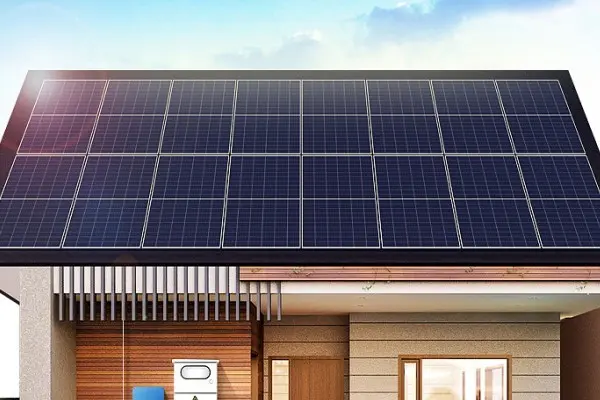
  • Building-Integrated Photovoltaics (BIPV): By pairing CdTe thin-film solar glass with DC-coupled storage batteries, modern commercial properties can transform building envelopes and facades into local power stations. Direct routing to DC-coupled batteries prevents conversion losses on vertical surfaces where sunlight levels fluctuate throughout the day.
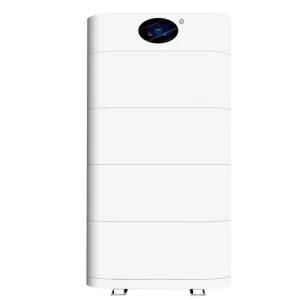
  • Commercial & Industrial Peak Shaving: In areas with high demand charges, factories can deploy high-voltage stackable battery systems. The integrated EMS monitors load spikes in real time, drawing power from the DC-coupled batteries to keep grid demand below set limits and save on operating costs.
  • Remote Microgrids and Agricultural Water Pumping: In regions with weak or missing utility grids, off-grid microgrids rely on DC-coupled systems. Combining solar panels, batteries, and DC water pumps under a single control unit ensures stable operation without the sync issues typical of complex AC-coupled grids.

5. Technological Roadmap & Future Outlook (Toward 2030)

As the energy storage industry evolves, several key advancements are shaping the future of DC-coupled solar setups. The transition to high-voltage battery modules is already underway, helping systems run at higher voltages to minimize line losses and simplify wiring. Looking ahead, ELEMRO is designing its next generation of hybrid systems to integrate advanced technologies, including:

  1. AI-Driven Energy Management Systems (EMS): Implementing cloud-based algorithms that process localized weather forecasts, historical load patterns, and real-time utility rates to optimize battery charging and discharging cycles automatically.
  2. Next-Gen LiFePO4 Chemistry & Solid-State Integration: Advancing battery designs to improve thermal stability, extend cell cycle life beyond 8,000 cycles, and increase overall volumetric energy density.
  3. Bidirectional V2G (Vehicle-to-Grid) Compatibility: Developing high-speed DC charging systems that allow electric vehicle batteries to function as auxiliary storage units for residential and commercial grids.

About ELEMRO Energy

Established in 2019 and headquartered in Xiamen, China, ELEMRO Energy has specialized in advanced new energy storage and electrical product solutions. As an integrated industry pioneer, we unify research and development (R&D), advanced production facilities, and global sales.

Our products serve more than 250 commercial and industrial clients across Europe, Southeast Asia, Africa, the Middle East, and the Americas. Since our founding, ELEMRO has achieved consistent year-over-year revenue growth, with our annual turnover expected to exceed $50 million USD in 2023.

Learn More About Us

R&D Excellence

Advanced engineering focusing on high-voltage battery management systems and hybrid inverter software.

🌍

Global Delivery

Active distribution lines, technical centers, and compliance validation networks across five continents.

Frequently Asked Questions (FAQ)

Quick answers to common questions about DC-coupled solar setups, component integration, and safety standards.

What makes a DC-coupled system more efficient than an AC-coupled system?

A DC-coupled system routes power directly from the solar panels to the batteries through a DC-to-DC converter, avoiding extra conversions. This setup reduces energy loss, keeping system efficiency high and thermal generation low compared to AC-coupled designs, which require multiple conversion steps.

Can I use CdTe thin-film modules in a residential DC-coupled solar system?

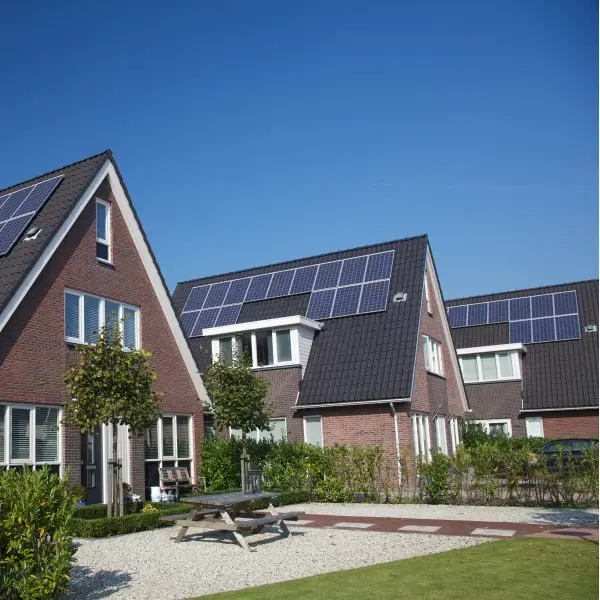
Yes. Cadmium Tellurium (CdTe) thin-film solar glass is highly compatible with DC charge controllers. Its stable voltage profile, especially in low-light conditions, makes it an excellent choice for BIPV and high-efficiency home setups.

What safety certifications are required for high-voltage energy storage?

High-voltage battery setups must meet strict international standards, including UL 1973 for battery packs, UL 9540A for thermal runaway safety, and IEC 62619 for general industrial use, ensuring safe operation within residential and commercial spaces.

How does battery voltage affect overall round-trip efficiency?

Higher battery voltages bring the system closer to the DC bus operating voltage of modern hybrid inverters. This minimized voltage gap reduces resistance losses during charge and discharge cycles, which improves efficiency and lowers heat buildup.

Inquiry For Pricelist

For inquiries about our products or pricelist, please leave your email to us and we will be in touch within 24 hours.