 Elemro Energy

High-efficiency Tier 1 solutions optimizing generation, conversion, and local storage limits.
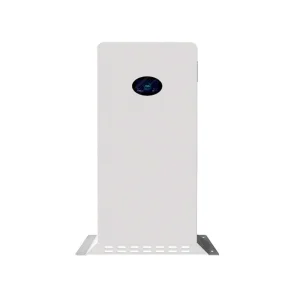
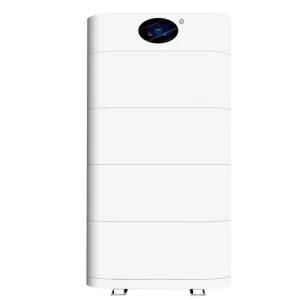
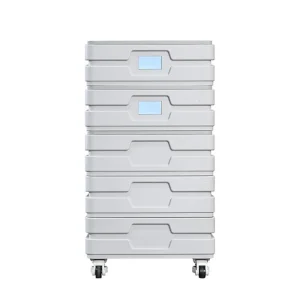
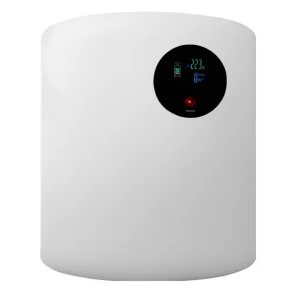
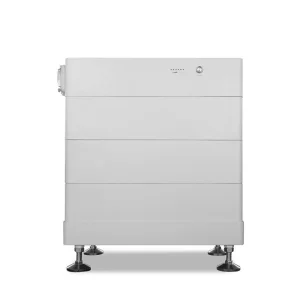
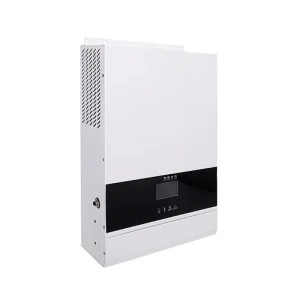
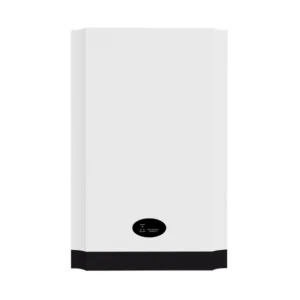
In the landscape of modern renewable microgrids, system architecture determines operational efficiency and lifetime ROI. A DC coupled system routes the raw DC electricity produced by photovoltaic (PV) modules directly to a DC-to-DC charge controller, which regulates current flows directly into a battery bank. The conversion to grid-compliant AC is executed at a single terminal via a hybrid DC coupled inverter.
This contrasts sharply with AC-coupled architectures, which subject power to multiple conversion stages: converting DC generated by solar panels to AC via string inverters, and then back to DC via battery-inverters for storage. By consolidating conversion loops into a single DC bus system, commercial operators avoid double-conversion efficiency losses. Round-trip efficiency (RTE) gains typically range between 4% and 7%, resulting in significant savings when scaled to megawatt-hour commercial operations.
| Feature/Metric | DC Coupled Topology | AC Coupled Topology |
|---|---|---|
| Round-Trip Efficiency | 95% - 98% | 88% - 92% |
| Installation Complexity | Simplified Single-Inverter System | Dual Inverter Synchronization Required |
| Black Start Capability | Native Support via Battery DC Bus | Complex frequency-shift requirements |
| Retrofitting Flexibility | Ideal for Greenfield Projects | Ideal for Existing PV String Upgrades |
Providing cleaner, smarter, and highly integrated energy systems for a greener world.

Integrate thin-film photovoltaic systems directly into building facades. Maximizes generation surface area on high-density commercial structures while preserving architectural aesthetics.
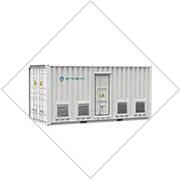
Pre-engineered, containerized LFP storage units featuring liquid cooling and advanced fire suppression. Designed for large-scale industrial and utility peak-shaving applications.
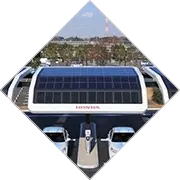
Multi-functional solar parking structures that convert open parking areas into generation nodes. Seamlessly links with local DC fast-charging ports for electric vehicles.
Established in 2019 and headquartered in Xiamen, China, ELEMRO Energy has positioned itself at the center of the clean energy transition. By consolidating R&D, precision automated manufacturing, and a global supply network, Elemro delivers premium energy storage and electrical product solutions. With a footprint extending to over 250 industrial customers across Europe, Southeast Asia, Africa, the Middle East, and the Americas, Elemro’s dynamic growth reflects its market reliability. Elemro’s annual turnover is expected to exceed 50 million USD in 2023.
The factory advantage in China is rooted in supply chain integration. In Xiamen, close proximity to raw material processing (Lithium Iron Phosphate cells) and specialized power electronics clusters enables rapid cycle-time scaling and rigorous quality control. The Elemro facility employs advanced production lines that feature automated laser welding, dynamic cell capacity matching, and environmental chamber cycling to simulate extreme field conditions.
By integrating in-house engineering with high-capacity manufacturing lines, Chinese factories produce highly reliable hybrid systems. The ability to customize products to meet regional standards ensures that B2B customers receive highly optimized equipment ready for immediate commissioning.
The energy storage industry is shifting from traditional low-voltage (48V) battery packs toward high-voltage (HV) stackable configurations (ranging from 200V to over 800V DC). High-voltage architectures reduce current levels within the system, lowering power loss through cabling (copper losses scale with the square of the current, \(I^2R\)).
This shift directly influences DC coupled inverter design. Modern manufacturers develop dual-MPPT high-voltage hybrid inverters that interface with stackable modular lithium batteries. This modularity allows installers to scale capacity by adding battery modules in series without rewiring the system, reducing installation costs and simplifying field configurations.
Residential Resilience: Households utilize DC-coupled configurations to maximize self-consumption. By pairing rooftop solar panels with modular home batteries, excess daytime generation charges the battery directly, minimizing conversions. During grid outages, high-speed transfer switches (under 10ms) maintain power to critical loads.
Commercial Peak-Shaving: Commercial and industrial facilities use DC-coupled setups to lower demand charges. Integrated energy management systems (EMS) deploy battery power during peak periods, capping utility grid draw.
Utility Off-Grid Microgrids: In remote regions, combining DC-coupled systems with diesel generators provides reliable 24/7 power. By running generators only when batteries are low, operators reduce fuel consumption and extend generator life.
Key parameters for B2B buyers evaluating factory partners and inverter manufacturing standards.
Verify compliant testing to international standards including IEC 62109, UL 1741, and local grid compliance certifications (such as G98/G99 in the UK or VDE-AR-N 4105 in Germany). Ask for test reports from independent third parties like TÜV Rheinland or Intertek.
Confirm firmware-level compatibility between the inverter’s battery management system (BMS) communications and the storage modules. RS485 and CAN-bus protocols must be aligned to ensure accurate State of Charge (SoC) tracking.
Evaluate thermal dissipation performance. Fanless natural convection designs reduce maintenance needs for outdoor installations, while smart forced-air cooling systems extend component life in high-temperature regions.
Get a comprehensive quotation and technical drawing matching your regional grid rules from Elemro Energy engineers within 24 hours.
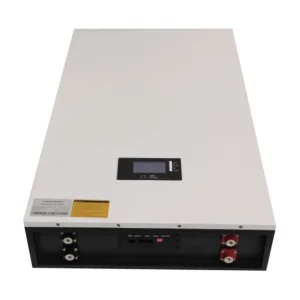
Explore Elemro's high-efficiency product lineup designed for long cycle lives and grid integration.
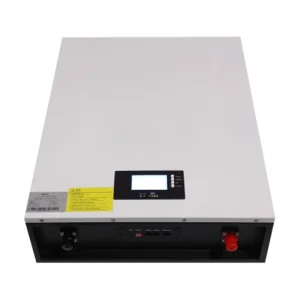
Technical analyses and market guidance directly from our solar energy engineering team.
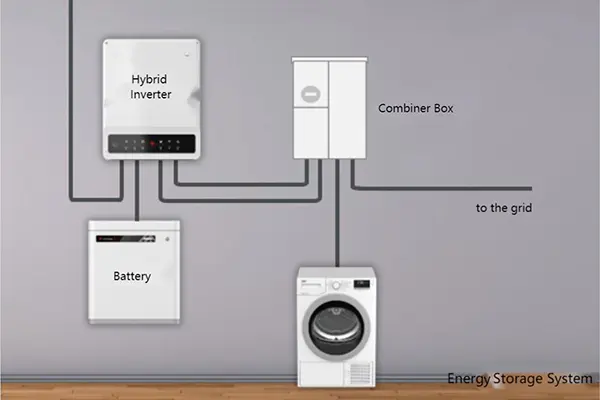
An analysis of topology variations, control loops, and efficiency characteristics in modern residential systems.
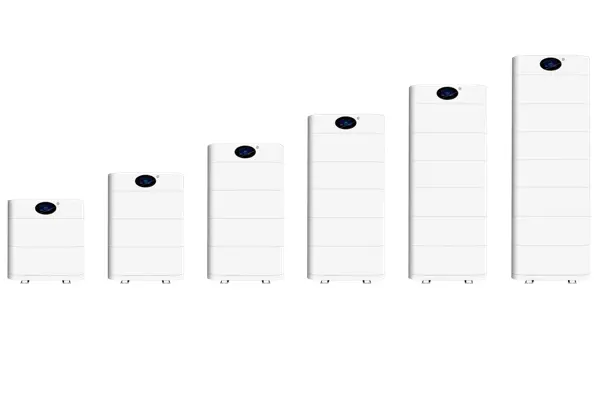
Comparing chemical profiles: Lifepo4 (LFP) safety, cycle lives, and cost structures vs NMC equivalents.
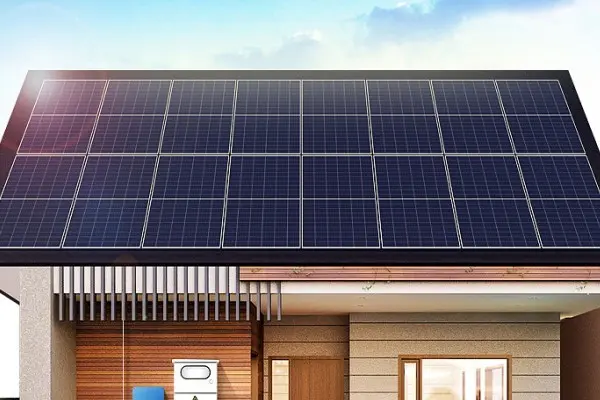
Real-world profiles covering peak-load offsets and microgrid deployment across regional systems.
Meet our team in Manila to discuss high-efficiency DC-coupled setups and product customization options.
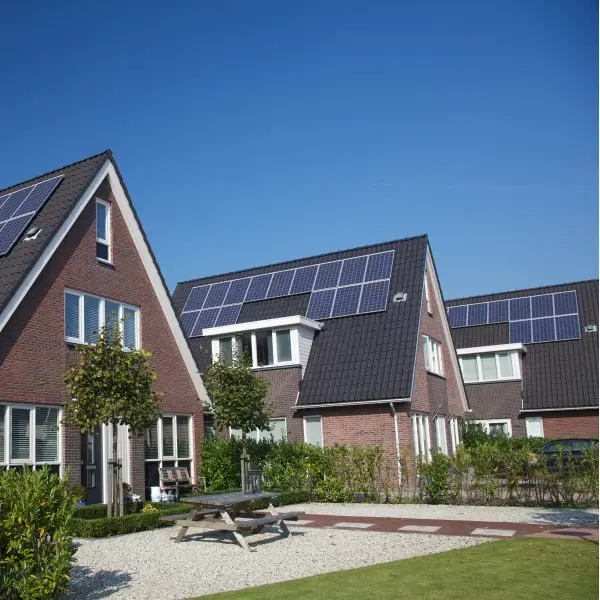
An installation design overview covering utility setups, commercial spaces, and BIPV projects.
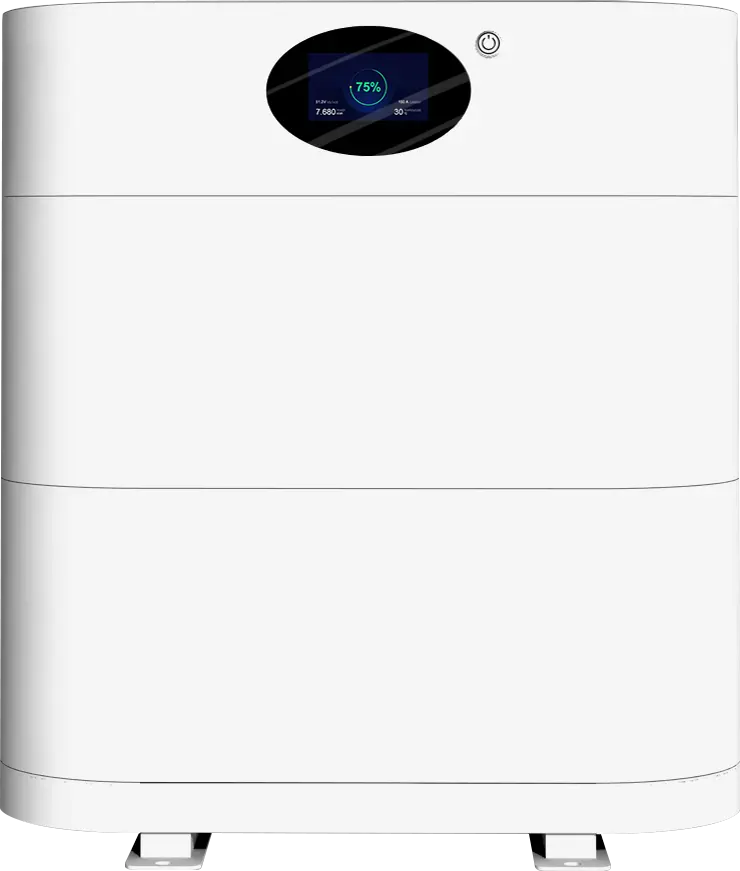
Exploring modern battery storage specs, cell management, and smart thermal systems.
Answers to key questions from energy engineers, EPC contractors, and distribution managers.
A DC coupled system charges the battery bank directly from the solar panels through a high-efficiency charge controller without any intermediate conversion steps. In contrast, an AC coupled system must convert DC power from the panels into AC via a string inverter, and then convert it back to DC at the battery terminal to store it. This direct charging path eliminates double-conversion losses, improving round-trip efficiency by up to 7%.
High-voltage configurations (typically above 200V DC) reduce the current needed to deliver a given amount of power. Lower current reduces resistive losses (heat) in cables and connection points, helping lower battery operating temperatures. Additionally, modular stackable systems allow installers to increase capacity without complex rewiring, reducing installation errors.
Yes. Modern hybrid DC coupled inverters feature built-in EPS (Emergency Power Supply) outputs. During a grid outage, an internal high-speed switch isolates the facility from the utility grid in under 10 milliseconds, maintaining power to critical loads from the solar panels and battery storage.
Industrial and residential hybrid solar setups typically use CAN (Controller Area Network) or RS485 communication protocols. Proper integration allows the battery management system (BMS) to share parameters like state of charge (SoC), voltage levels, and temperatures with the inverter in real time, preventing overcharging and extending battery life.
Based in Xiamen, China, Elemro Energy integrates R&D, precision manufacturing, and international logistics. With an expected turnover of over 50 million USD in 2023 and a footprint spanning 250 global clients, Elemro provides highly customizable systems built to strict quality standards, supported by reliable logistics networks.
High-quality Lithium Iron Phosphate (LiFePO4) systems typically offer a cycle life of 6,000 cycles at 80% Depth of Discharge (DoD), equivalent to 10–15 years of daily cycling. Premium manufacturers like Elemro back their energy storage solutions with warranties of 5 to 10 years, supported by factory-level technical support.