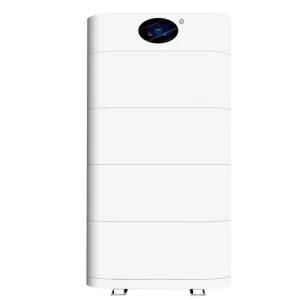
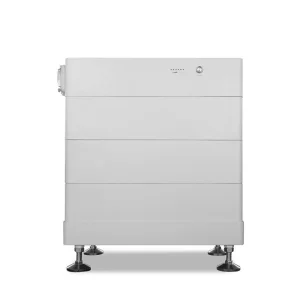
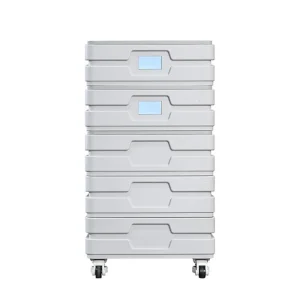
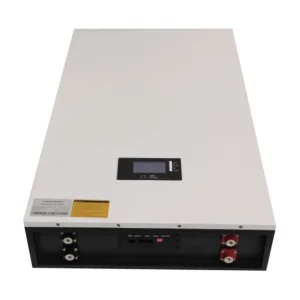
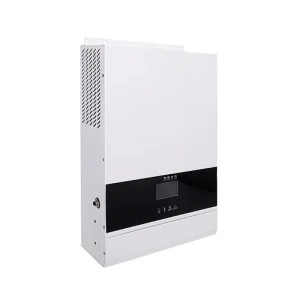
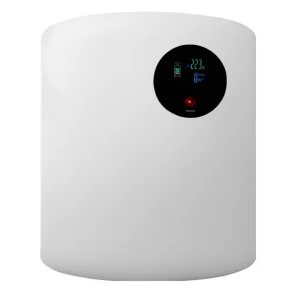
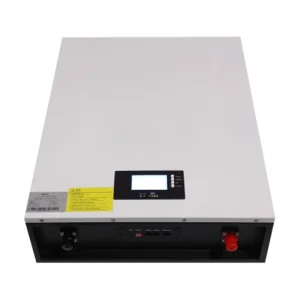
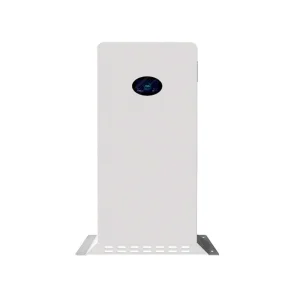
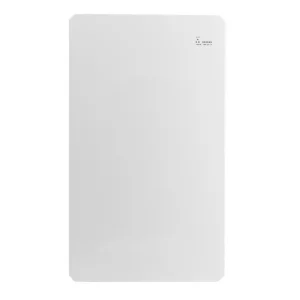
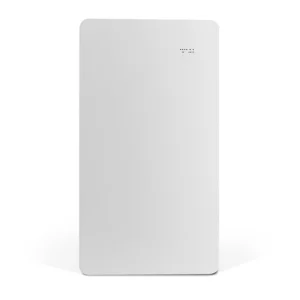
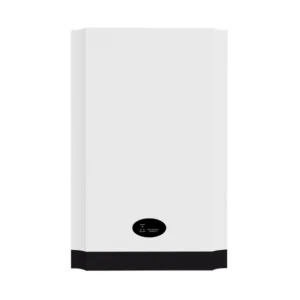
Explore our premium hardware engineered to deliver optimal Round-Trip Efficiency (RTE) and scalable capacities for residential, C&I, and utility-scale projects.
As the global power sector rapidly transitions away from centralized fossil-fuel reliance, industrial-grade storage architectures have shifted focus toward efficiency metrics and system lifecycle valuations. A critical design decision that utility engineers, project developers, and commercial operators face is the topological choice between Direct Current (DC) coupled and Alternating Current (AC) coupled energy storage systems (ESS).
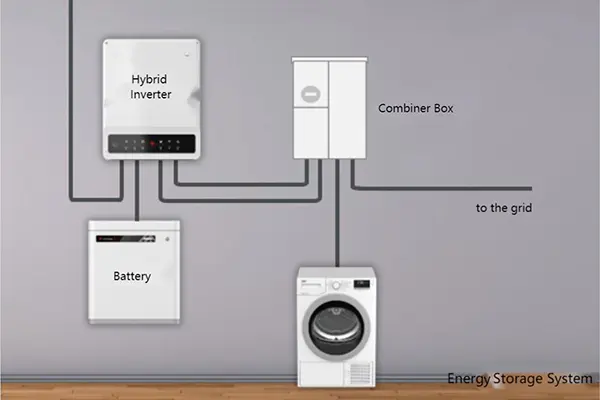
DC coupled battery storage configurations establish a direct pipeline between the photovoltaic (PV) generation source and the storage medium. Because energy enters the battery bank before traversing the primary inverter system, it minimizes conversion steps. Rather than converting DC power generated by solar arrays into AC for grid transport, and subsequently rectifying it back to DC for battery storage, the system retains a singular DC bus. This design choice dramatically reduces harmonic distortion, lowers thermal dissipation, and boosts overall system efficiency.
SEO Insight / Information Gain: While AC-coupled systems are frequently favored for post-construction retrofits, new-build commercial & industrial (C&I) projects and large-scale microgrids leverage DC-coupled topologies to harvest "clipped" solar energy. By capturing excess power directly at the DC bus before it passes through the inverter's AC current limits, owners can recover up to 12% in otherwise lost generation yield annually.
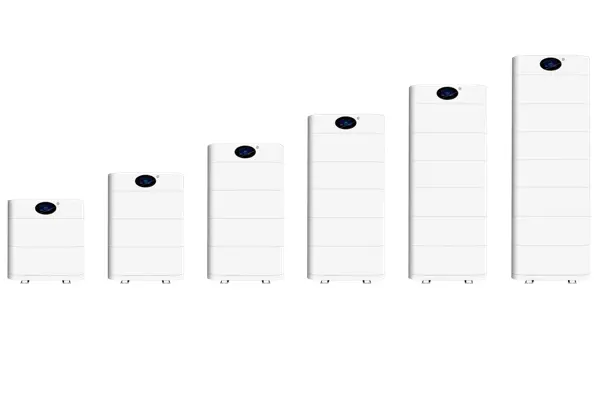
The transition toward high-voltage stacked battery design represents a key milestone in energy storage technology. Low-voltage (48V) systems remain common for residential systems, but C&I operations require high-voltage configurations (typically ranging from 400V DC to over 1000V DC) to minimize I²R transmission losses and reduce installation and wiring costs.
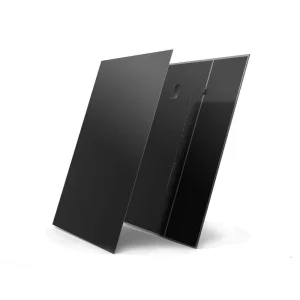
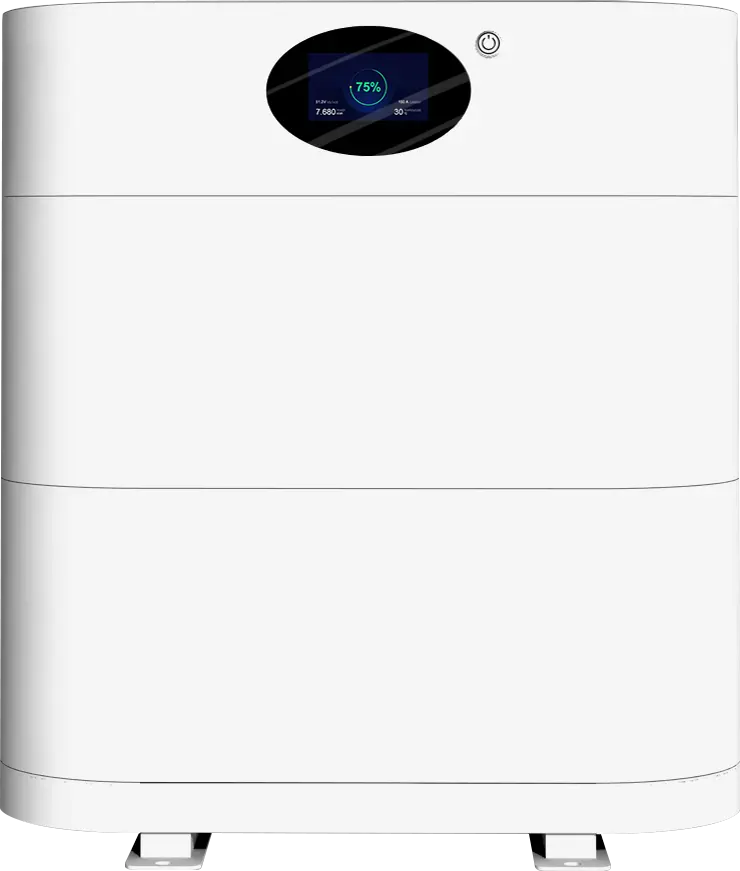
ELEMRO Energy's technical roadmap focuses heavily on modular, high-voltage stackable lithium iron phosphate (LiFePO4) systems. These architectures feature hot-swappable, multi-tiered battery management systems (BMS) that actively balance cells to maximize longevity. Modern LiFePO4 cells yield outstanding safety profiles, resisting thermal runaway even under mechanical deformation or high ambient thermal stresses. Additionally, integrating CdTe (Cadmium Telluride) thin-film solar elements into BIPV (Building Integrated Photovoltaics) structures allows companies to develop localized, unified DC microgrids where the generation surface directly matches the charging profile of the battery stacks.
| Performance Metric | DC-Coupled Architecture | AC-Coupled Architecture | Industrial Impact |
|---|---|---|---|
| Round-Trip Efficiency (RTE) | Up to 98% (Direct DC charging) | 88% - 92% (Multiple conversions) | Reduces operating expenditures and optimizes levelized cost of storage (LCOS). |
| Clipped Energy Capture | Active capture of extra PV output | Lost via AC thermal output limitations | Enables larger DC-to-AC overloading ratios for PV arrays. |
| Black-Start Capability | Native, direct DC black-start | Complex grid-forming synchronization required | Ensures continuous facility uptime during total grid blackouts. |
| Balance of System (BOS) Costs | Fewer inverters, simplified wiring | Separate PV and battery inverters required | Reduces capital expenditures on electrical components. |
Global sourcing teams looking for energy storage solutions evaluate factors beyond initial capital costs. Modern procurement teams prioritize supply chain reliability, compliance with local grid codes (such as IEEE 1547 and UL 9540 in North America, or CE and VDE-AR-N 4105 in Europe), and the long-term thermal reliability of the battery cells.
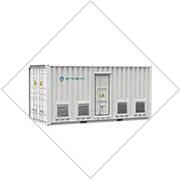
In regions with fluctuating utility prices and strict grid constraints, C&I installations use DC-coupled batteries for dynamic peak-shaving and load-shifting. Integrating energy storage directly behind the meter allows businesses to store cheap off-peak energy or excess solar generation, discharging it during peak demand windows to avoid high peak-use fees. For multi-megawatt facilities, utilizing containerized solutions (like containerized energy storage units) ensures rapid deployment, thermal control, and all-weather operational capability.
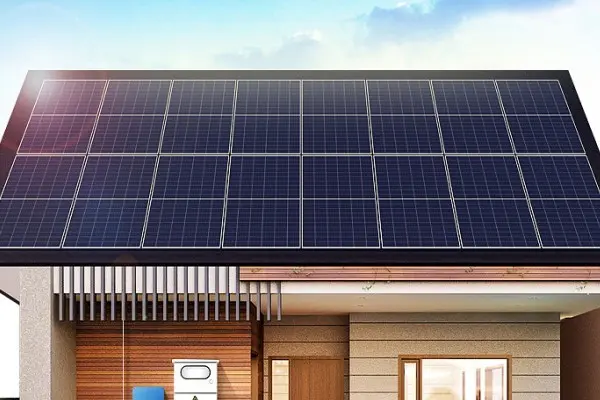
Looking ahead, the energy storage sector is moving toward deeper system integration. Building-Integrated Photovoltaics (BIPV), such as ELEMRO's CdTe thin-film solar glass, are turning standard structural elements like building facades and windows into clean power generators. Connecting these BIPV systems directly to DC-coupled high-voltage battery banks allows properties to operate as self-contained microgrids.
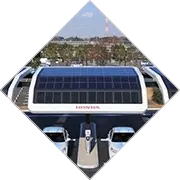
This approach bypasses traditional electrical system losses and reduces dependencies on local utility grids. Combined with intelligent EV carport systems and decentralized storage units, urban commercial properties can build complete, self-sustaining green energy ecosystems.
Established in 2019 and headquartered in Xiamen, China, ELEMRO Energy specializes in advanced energy storage and power electronics solutions. As a trusted manufacturer in the clean energy industry, ELEMRO integrates research and development, manufacturing, and international sales to deliver premium energy products globally.
Our solutions serve over 250 commercial, industrial, and residential customers across Europe, Southeast Asia, Africa, the Middle East, and the Americas. Sustained year-over-year revenue growth reflects our commitment to high-quality manufacturing, with annual turnover exceeding $50 million USD in 2023.
Explore Full Product Range
Stay informed with technical analyses, event coverage, and industry updates compiled by our product engineering teams.
Jul 07, 2023
Nov 26, 2023
Nov 10, 2023
Expert engineering insights addressing key procurement, design, and implementation questions.
The main advantage of DC coupling is round-trip efficiency. In a DC-coupled system, energy generated by the solar array charges the batteries directly on a common DC bus, requiring only one conversion step. AC-coupled systems require multiple conversions (DC to AC, then AC back to DC for storage), resulting in energy losses. Additionally, DC coupling captures excess solar energy that would otherwise be clipped by an AC inverter.
Yes. Stacked high-voltage batteries developed by ELEMRO utilize Lithium Iron Phosphate (LiFePO4) chemistry, which is structurally stable and highly resistant to thermal runaway. Safety is managed by multi-tiered, integrated Battery Management Systems (BMS) that monitor cell voltage, temperature, and current in real time, with automatic protection shut-offs.
ELEMRO designs and tests its energy storage products to align with international safety standards, including CE, IEC 62619, UL 1973, and UN38.3 for transport. Our engineers assist clients in meeting regional utility interconnection standards and local building codes.
Absolutely. While new-build installations offer the highest efficiency, our systems are compatible with popular hybrid inverters. This design compatibility helps developers integrate our modular battery stacks into existing solar installations without requiring complete rewiring.
Our high-voltage LiFePO4 battery stacks are designed to last for over 6,000 cycles at 80% Depth of Discharge (DoD). This level of durability translates to roughly 15 to 20 years of reliable service under daily cycling profiles.
Compare additional technical models designed to secure energy independence and optimize commercial operations.




Send us your project specifications or requested configurations. Our technical sales team will reply within 24 hours.
 Elemro Energy