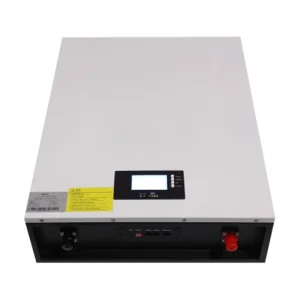
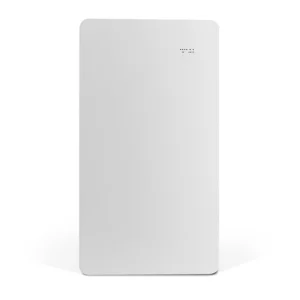
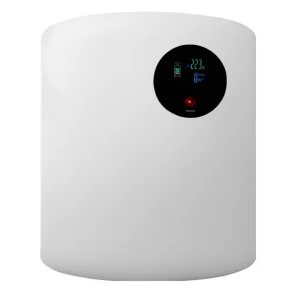
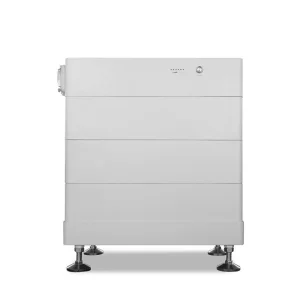
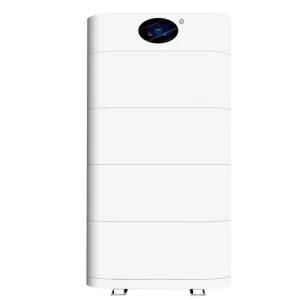
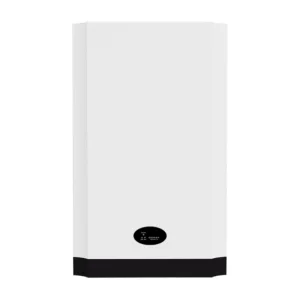
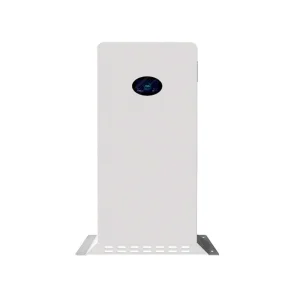
Optimize your project capital expenditures (CAPEX) with our high-cycle LiFePO4 battery modules engineered directly in certified gigafactories.
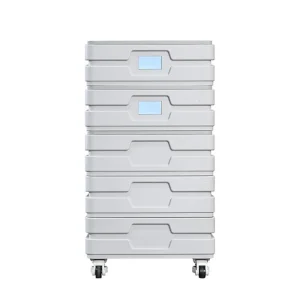
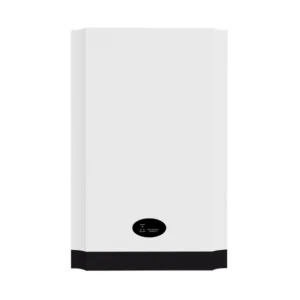
When sourcing solar batteries at scale, B2B procurement heads and EPC contractors evaluate units based on levelized cost of storage (LCOS). This metric accounts not just for initial capital outlay (CAPEX) but also the degradation profiles, temperature management tolerances, and round-trip efficiency (RTE).
By leveraging integrated lithium carbonate purification, cathode synthesis, and automated packing infrastructures in Xiamen and wider China industrial zones, manufacturers like Elemro Energy can pass on substantial structural cost benefits. The geographic proximity of upstream lithium iron phosphate (LiFePO4) cell producers limits cross-border transport overheads, allowing factories to optimize automated prismatic cell sorting and active-balancing battery management system (BMS) integrations. These steps lower manufacturing defects (measured in PPM) and drop per-kilowatt-hour pricing to highly competitive levels.
Providing cleaner energy for a greener world through advanced clean-tech manufacturing.

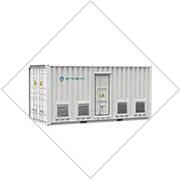
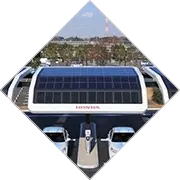
Strategic advancements shaping the global energy landscape and reducing price-per-kilowatt-hour metrics.
Higher DC link voltages (above 400V to 1500V) diminish power losses along interconnecting copper wires. This configuration simplifies balance of system (BOS) components and results in smaller, more cost-effective system footprints.
Modern commercial and industrial storage containers employ closed-loop liquid thermal controls rather than basic air cooling. Keeping cell temperature variations within a tight 2°C range extends battery lifespans by up to 25%, drastically minimizing long-term replacement costs.
Unlike passive balancing systems that release excess energy as heat, active balancing redistribution channels power from stronger cells to weaker ones. This maximizes the operational capacity of the entire pack and safeguards safety parameters.
Established in 2019, headquartered in Xiamen, China, Elemro Energy has been specialized in new energy storage and electrical product solutions with rich experience. It is the market leader in the new energy industry that unifies R&D, production, and sales.
Our solutions have been successfully deployed to more than 250 customers across Europe, Southeast Asia, Africa, the Middle East, and the Americas. By continuously expanding manufacturing pipelines and utilizing advanced quality-management methodologies, ELEMRO’s revenue has grown rapidly every year. Our annual turnover is expected to exceed 50 million USD, demonstrating strong market authority and commercial reliability.
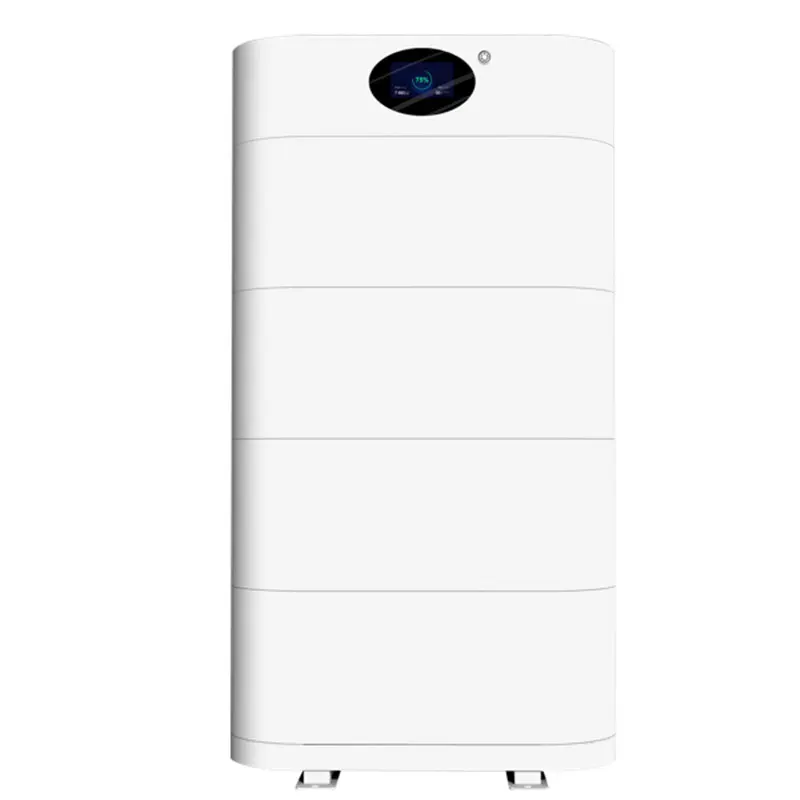
We build our operations around customer trust and technological advancement, focusing on high-safety LFP systems, high-voltage battery enclosures, stackable home energy designs, and building-integrated photovoltaics (BIPV).

Start a green and convenient life with Elemro Energy.
Our solutions adapt to various commercial frameworks, local regulations, and geographical conditions.
By discharging stored energy during peak grid hours, commercial enterprises lower their peak demand charges. This application yields rapid returns on investment (ROI), particularly under Time-of-Use (TOU) tariff structures.
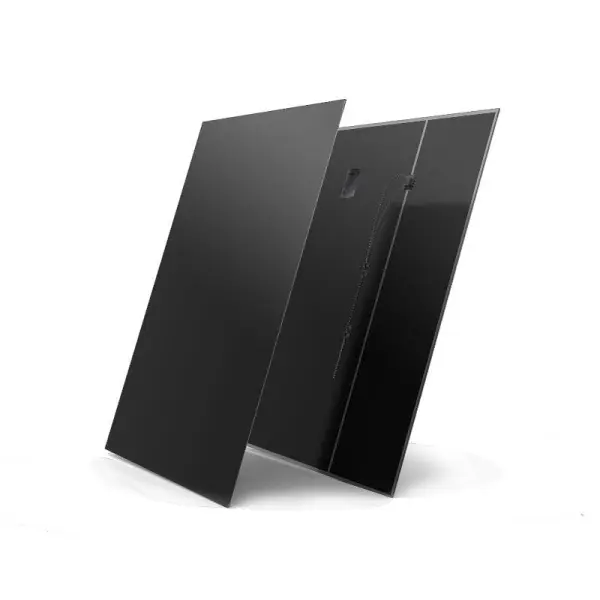
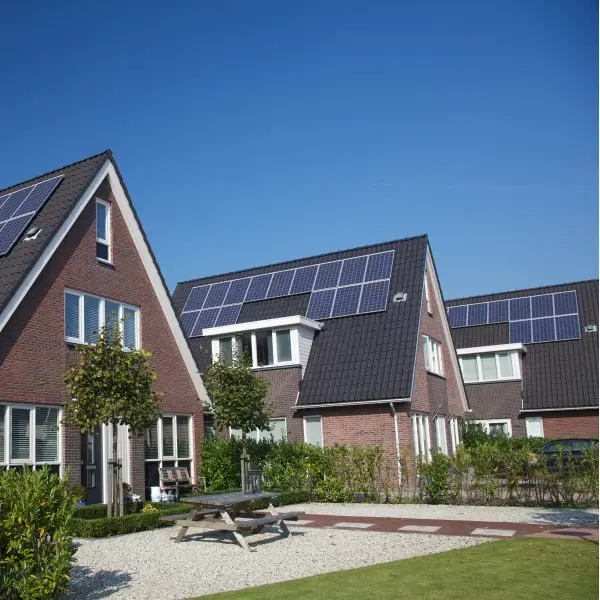
Utilizing Elemro CdTe Cadmium Tellurium Thin Film Solar Cells, infrastructure developments turn structural walls and glass windows into power generators. When paired with high-voltage battery banks, buildings can run off-grid independently.
For operations in remote communities, mining sites, or military camps where grid connections are unstable, our heavy-duty ESS containers provide reliable backup power, minimizing diesel generator consumption by up to 70%.
For inquiries about our products or pricelist, please leave your email to us and we will be in touch within 24 hours.
Keep up with technical updates, trade show invitations, and energy storage engineering guides.
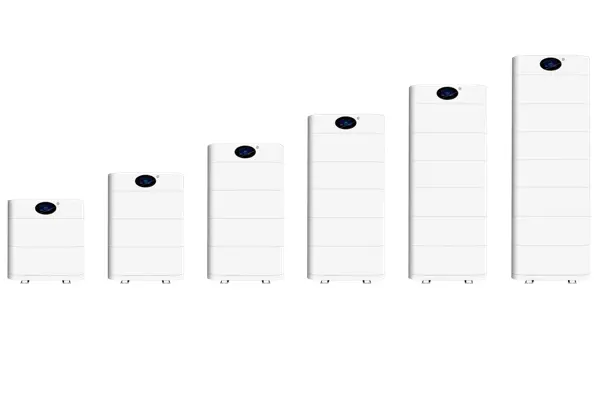
Answering structural questions regarding cost of battery storage, quality criteria, and global logistics.




Browse our catalog of commercial and residential models available for wholesale supply.
 Elemro Energy