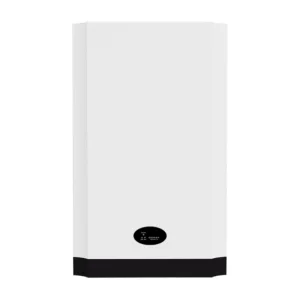
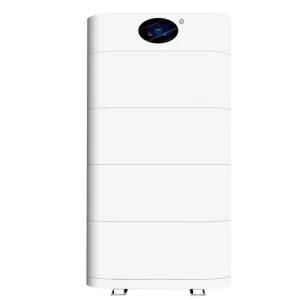
Explore our high-performance line of LFP batteries, advanced solar modules, and scalable commercial energy solutions.
An authoritative breakdown of grid-scale energy storage technology, macroeconomics, and the path to global decarbonization.
The global transition to net-zero is reshaping the commercial and industrial infrastructure footprint. Today's commercial energy grid demands dynamic load-balancing capabilities that traditional utilities struggle to supply consistently. Commercial Battery Energy Storage Systems (BESS) represent the vital link in mitigating high peak demand tariffs, eliminating power volatility, and ensuring grid reliability.
By leveraging intelligent Battery Management Systems (BMS) integrated with predictive AI engines, modern BESS architectures enable commercial enterprises to participate actively in demand response programs. Peak shaving and load shifting remain the primary economic drivers, but emerging paradigms like Virtual Power Plants (VPPs) are creating new monetization channels for industrial assets.
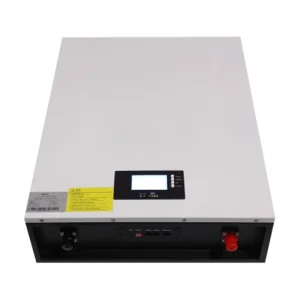
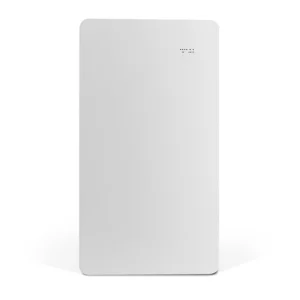
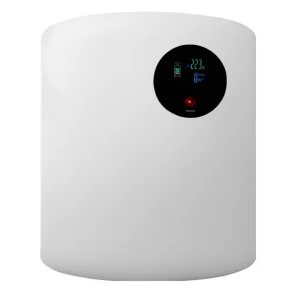
Chemically, lithium iron phosphate (LFP) has emerged as the default choice for stationary energy storage systems, capturing over 80% of the C&I market share. The inherent safety of LiFePO4 cells compared to Nickel Manganese Cobalt (NMC)—specifically their higher thermal runaway threshold (typically 270°C vs 210°C)—renders them highly appropriate for dense industrial environments.
Furthermore, cycle life durability plays a crucial role. Industrial LFP systems regularly deliver 6,000+ cycles at 80% Depth of Discharge (DoD), translating into a operating lifespan exceeding 10–15 years. This longevity reduces amortization costs and maximizes overall return on investment for large-scale logistics centers, manufacturing floors, and commercial complexes.
Established in 2019 and headquartered in the high-tech hub of Xiamen, China, ELEMRO Energy has solidified its position as an industry leader in new energy storage systems. Our vertically integrated operations unify advanced R&D, precision manufacturing, and international sales pipelines.
By designing and distributing premium energy solutions to over 250 industrial partners across Europe, Southeast Asia, Africa, the Middle East, and the Americas, ELEMRO has achieved exponential revenue growth. Our global operations are backed by robust quality controls, ensuring high performance in diverse climatic and grid environments.
Explore Our Core CapabilitiesCustomized integrations engineered to deliver optimal resilience and operational continuity.
Modular, liquid-cooled utility-scale container units (20ft/40ft) engineered to withstand extreme climates while delivering multi-megawatt configurations for peak shaving, VPP integration, and backup resilience.
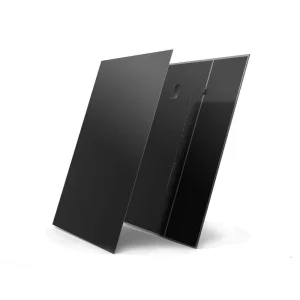
Building-Integrated Photovoltaics (BIPV) utilizing Cadmium Telluride (CdTe) thin-film solar technologies, transforming commercial facade systems and glass window panels into active generator assets.
Turnkey commercial parking solutions combining solar canopies, high-voltage battery storage, and dynamic EV charging nodes to reduce peak load pressure on local distribution grids.
A reference checklist for EPCs, project developers, and facility directors seeking to source utility-grade and industrial battery storage units.
| Specification Parameter | Residential Systems (C&I Lite) | Commercial & Industrial (BESS) | Utility-Scale Solutions |
|---|---|---|---|
| Typical Output Range | 5kW - 30kW | 50kW - 1MW | 1MW - 100MW+ |
| Chemistry Standard | LiFePO4 (LFP) | LiFePO4 (LFP) | LiFePO4 / Flow Battery (Redox) |
| Voltage Alignment | 48V Low Voltage / High Voltage | 400V - 800V High Voltage | 1000V - 1500V DC Link |
| Cooling System | Natural Convection / Forced Air | Air Cooled / Liquid Cooled | Liquid Cooled / HVAC Integrated |
| Standard Certification | CE, UN38.3, IEC 62619 | UL 1973, UL 9540A, IEC 62619 | UL 9540A, IEEE 1547, regional grid codes |
Ensuring smooth installation pipelines by satisfying stringent global grid codes and localized safety parameters.
Compliance with UL 9540A testing procedures is vital. Our systems are engineered to prevent cell-to-cell thermal propagation, protecting high-density enterprise environments from fire hazards.
Our intelligent inverters conform to IEEE 1547 and European EN 50549 codes. They feature active voltage regulation, reactive power support, and fast frequency response mechanisms.
Equipped with international shipping certifications (UN38.3, MSDS), ELEMRO manages the logistics pipeline to deliver Class 9 dangerous goods safely and efficiently to job sites worldwide.
How ELEMRO and the wider energy industry are adapting to next-generation raw materials and software control systems.
transitioning mid-to-large scale installations to dynamic liquid-cooling loops to improve thermal stability by 15% and increase lifecycle value. Integrating cloud-enabled Energy Management Systems (EMS) with deep AI capability for electricity tariff forecasting.
Deploying alternative chemistry architectures (Sodium-ion) for temperature-stressed utility sites. Scaling cadmium-telluride (CdTe) thin film solutions to expand BIPV footprints across European and North American commercial developments.
Universal BESS integration with automated decentralised grids (blockchain/smart contract based local trading), facilitating zero-latency frequency stabilization and fully localized microgrids.
Sustainably source certified equipment backed by industry-standard warranties and technical support.
Keep up with the latest technological developments, exhibition reviews, and integration guides from our engineering team.
Key technical answers regarding project implementation, battery chemistry selection, and system operations.
Operating life is primarily determined by chemistry, temperature management, and charge cycling behavior. High-quality LFP cells typically offer 6,000+ full cycles down to 80% Depth of Discharge. In typical C&I load scenarios, this translates to 10 to 15 years of active operational service before the battery pack degrades to 80% of its initial nominal rating.
LiFePO4 provides superior thermal stability, lowering the risk of thermal runaway. Furthermore, LFP offers a significantly longer cycle life and is chemically more robust compared to Cobalt-based chemistries (NMC/LCO), which makes it highly cost-effective over its lifecycle.
Liquid cooling systems circulate fluid directly near cell bodies to maintain core operational temperatures within an optimal window (20°C to 30°C). This active regulation prevents hot spots, increases round-trip efficiency, and mitigates degradation, particularly in hot climates or high-C-rate operations.
Cadmium Telluride (CdTe) thin-film solar technology delivers excellent performance in low-light conditions, high temperatures, and under shade. CdTe panels can also be integrated directly into architectural elements like glass facades and windows (BIPV), transforming building surfaces into active energy generators.
Submit your requirements, and our application engineering team will prepare a customized proposal and pricelist within 24 hours.





 Elemro Energy